Ishvara Temple, Arasikere
About Ishvara Temple, Arasikere
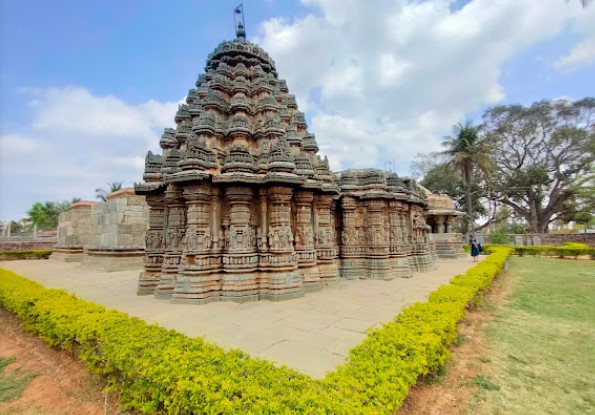
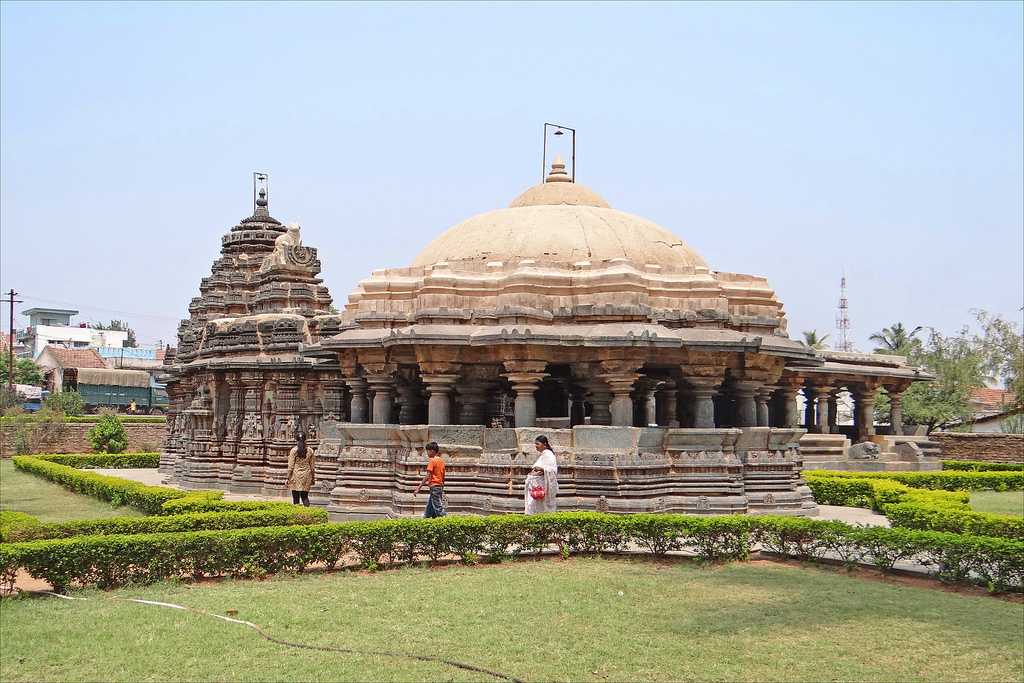
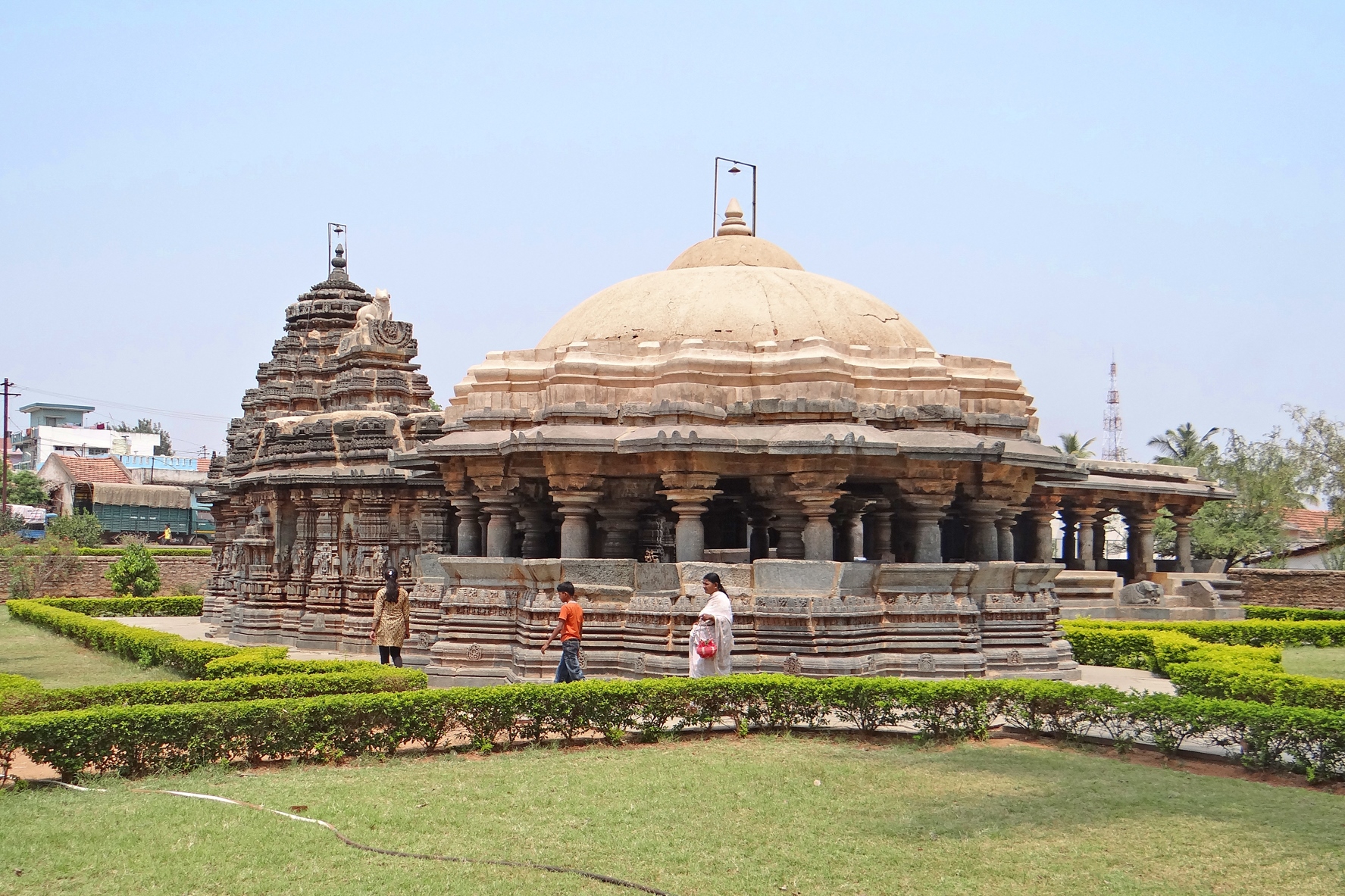
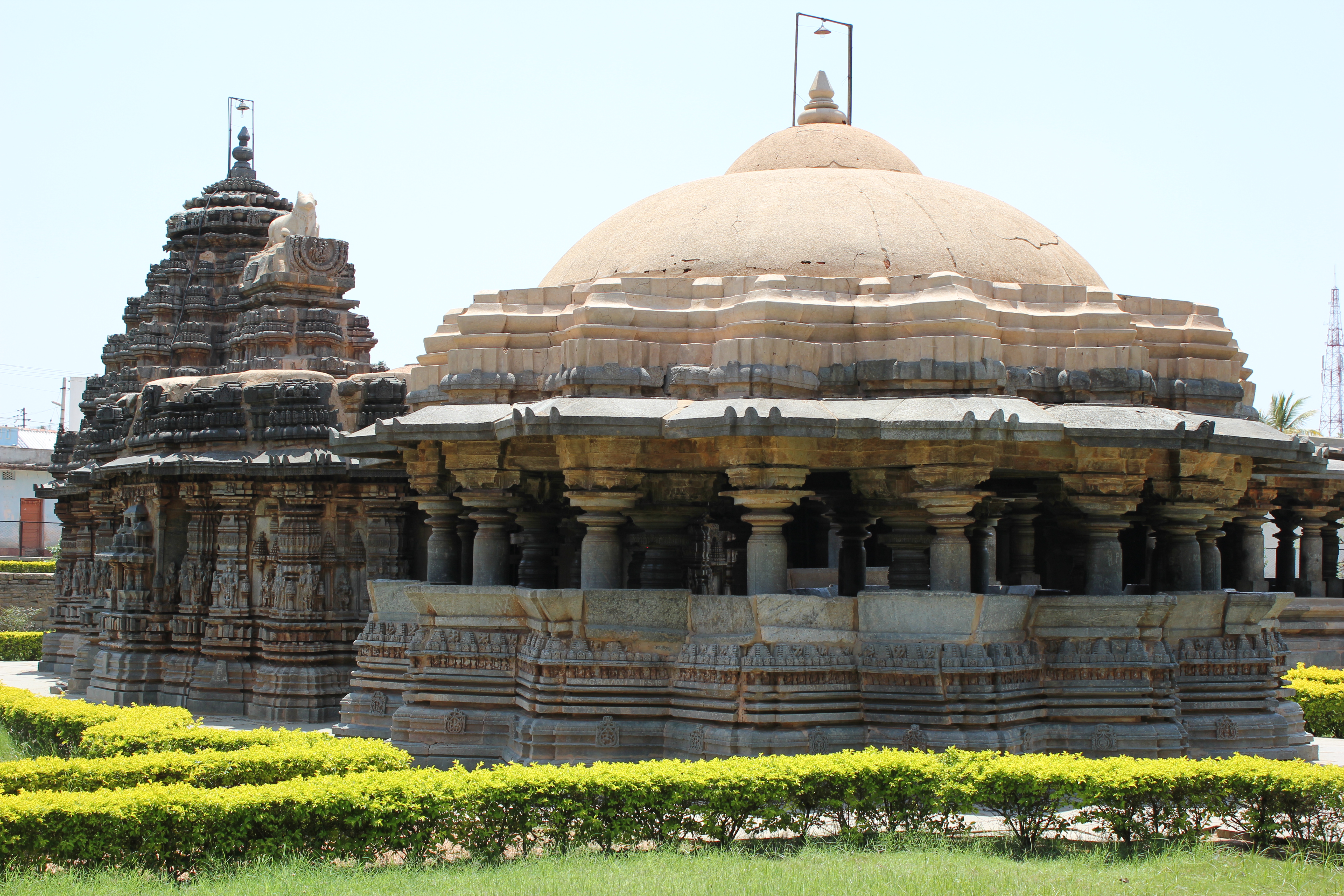
The Ishvara Temple's architectural plan departs from more conventional temple layouts. Its rotating circular design creates a distinctive spatial experience, while the domed mandapa—the pillared hall before the sanctum—features a striking 16-point star configuration. The vimana, or tower above the sanctum, rises in five tiers (pancatala), a proportional system common to Hoysala temples of this period.
The sculptural programme covering the temple's surfaces presents a comprehensive visual theology. Stone carving throughout the structure depicts scenes and figures from Hindu sacred literature and philosophy, offering devotees and visitors layers of meaning to contemplate. The quality and detail of this stonework rewards close examination, particularly in the softer light of early morning or late afternoon when shadows enhance the carved forms.
Visiting Hours and Best Times
The temple opens daily from 06:00 to 12:00 in the morning and from 17:00 to 20:00 in the evening. Entry is free. A visit typically requires 1.5 to 2 hours to observe the architectural features and sculptural details with care.
October through March offers the most comfortable conditions for a temple visit. During these months, temperatures remain moderate and humidity is lower, making extended time outdoors pleasant. Early morning and evening visits are preferable year-round, as they avoid the intense midday heat and provide superior light for viewing the stonework. The monsoon season (July to September) brings fewer visitors but also rain that can obscure details and create slippery surfaces. Summer months (April to June) are hot and may limit comfortable exploration, though they see fewer crowds.
Dress and Temple Etiquette
Visitors should wear light, comfortable clothing suited to the climate. Modest dress is expected at this functioning Hindu temple; loose-fitting garments that cover the shoulders and knees are appropriate. Shoes are typically removed before entering the inner sanctum, though practices may vary—observing what other visitors do upon arrival provides practical guidance.
As a Shiva temple, the Ishvara Temple maintains active worship. Visitors should move respectfully through the space, remaining aware that devotees may be engaged in personal prayer or ritual. Photography policies may apply; it is courteous to ask before photographing the sanctum or engaged worshippers.
The Sculptural Programme
The temple's surfaces carry an extensive artistic narrative. Depictions span Shaivite theology—the worship and mythology of Shiva—alongside Vaishnava themes centred on Vishnu, and Shakta imagery honouring the divine feminine. Vedic legends also appear in stone, creating a visual compendium of Hindu sacred tradition as understood in the early 13th century.
Examining these carvings in detail reveals the skill of medieval artisans and the theological priorities of the temple's patrons. The interplay of different traditions within a single Shiva temple reflects the inclusive religious landscape of Hoysala-period Karnataka, where multiple devotional paths coexisted within shared sacred spaces.
Practical Information for Visitors
The temple is located at coordinates 13.318111111111, 76.260388888889 in Arasikere, Hassan district, Karnataka. It lies approximately 170 kilometres from Bangalore airport (BLR), making it reachable as part of a broader journey through Hassan district's temple sites.
No entry fee is charged. Visitors should plan their visit during the posted hours and allow sufficient time to move through the temple without rushing. Carrying water is advisable, particularly during warmer months. The nearest town of Hassan offers accommodation and dining options for those basing themselves in the area while exploring local temples.
How to reach
Temples near Ishvara Temple, Arasikere
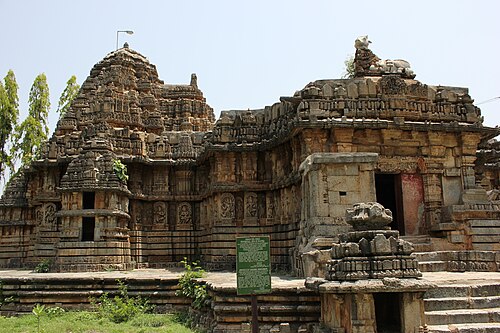
Someshvara Temple, Haranhalli
The Someshvara Temple in Haranhalli is a masterwork of Hoysala architecture dedicated to Lord Shiva, built in 1235 CE and renowned for its intricate soapstone carvings and stell…

Chennakeshava Temple, Hullekere
The Chennakeshava Temple in Hullekere is a 12th-century Hoysala architectural masterpiece dedicated to Lord Vishnu, built in 1163 A.D. by a minister of King Narasimha I and prot…
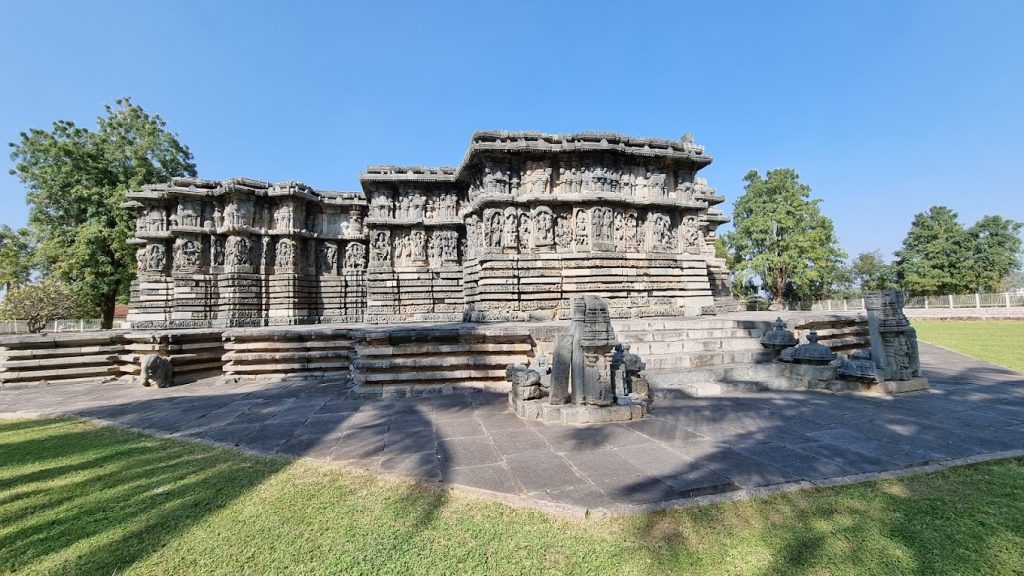
Kedareswara temple, Halebidu
Kedareshwara Temple is a 12th-13th century Hoysala-era shrine in Halebidu dedicated to Lord Shiva (Ishwara), constructed by King Veera Ballala II and Queen Ketaladevi. The templ…
Hoysaleswara Temple
Hoysaleshwara Temple in Halebidu is a 12th-century Hindu shrine dedicated to Lord Shiva, renowned for its intricate soapstone carvings and twin-shrine Hoysala architecture.
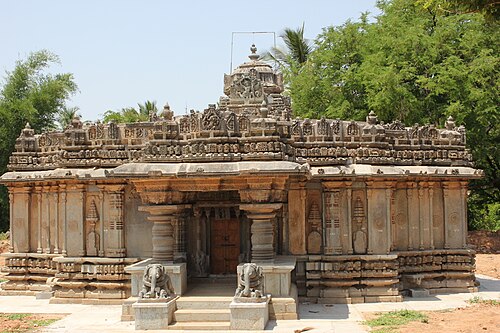
Lakshminarasimha Temple, Vignasante
A 13th-century Hoysala temple dedicated to Lord Vishnu in three forms—Venugopala, Lakshmi Narayana, and Narasimha—built in 1286 CE by military generals under King Narasimha III.…
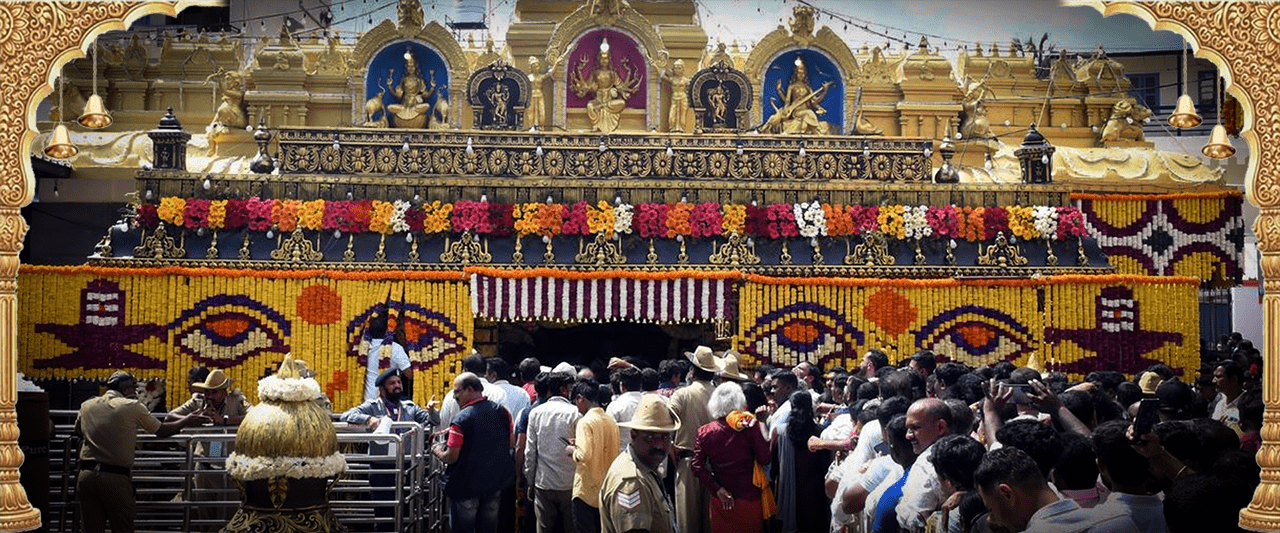
Hasanamba temple
Hasanamba Temple in Hassan district, Karnataka, is dedicated to Goddess Shakti and opens to the public only once yearly during Deepavali. The 12th-century shrine draws over 25 l…