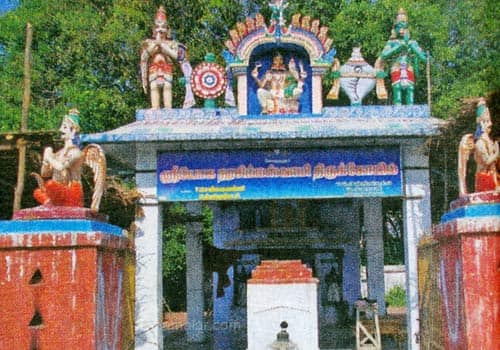
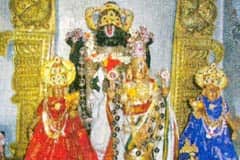
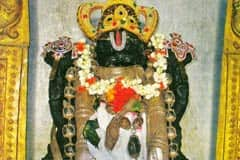
Sogathur Yoganarasimha Swami Temple
About Sogathur Yoganarasimha Swami Temple
At the heart of the temple's spiritual geography lies the Lakshmi Saras, a sacred water source integral to worship and ritual practice. According to the temple's tradition, this place was named Sogathur because it ended the sorrow (shogam) of Lord Brahma himself. The narrative describes Brahma losing the Vedas to demons and coming to this location to bathe in the Lakshmi Saras and perform penance before Vishnu, who granted him darshan and restored the sacred texts. The name evolved through various forms before settling as Sogathur.
Devotees visiting the temple often bathe in the Lakshmi Saras as part of their worship, particularly those seeking relief from marriage-related delays. The waters are considered essential to the efficacy of prayers offered here, and ritual bathing precedes offerings to the deity.
Worship Practices and Devotional Customs
The temple observes regular daily worship with specific customs that reflect its character. Devotees approaching Lord Yoga Narasimha with concerns about marriage delays typically offer panaka (a sweet rice preparation) as nivedhana. Those seeking the blessings of Sri Anjaneya, the monkey deity associated with courage and protection, make offerings of betel leaf or vada malas (garlands made of fried dough rings) on Wednesdays and Saturdays, circumambulating the shrine eleven times.
Special pujas dedicated to Lord Yoga Narasimha are performed on Swati star days, drawing those seeking advancement in business, academic wisdom, and professional reputation. Devotees also offer saris to Mother Amirthavalli Thayar when seeking her intervention in marriage matters. The practice of offering vastras (cloth garments) to both the Lord and the Mother represents a common form of thanksgiving among those whose prayers have been answered.
Festival Calendar
The temple celebrates several significant festivals throughout the year. Sri Narasimha Jayanthi marks the birth of the deity and draws devotees in observance. All Saturdays falling in the month of Purattasi (September-October in the Tamil calendar) are observed as special occasions, with increased worship and larger gatherings. Margazhi Vaikunda Ekadasi, falling in December-January, is another major observance. Hanuman Jayanthi is also celebrated at the temple, reflecting the presence of Sri Anjaneya in the temple complex.
These festivals typically see extended hours and special rituals, though visitors should confirm current timings before planning their visit, as festival schedules may differ from regular darshan hours.
Visiting Information
The temple maintains regular darshan hours: 8:00 a.m. to 11:00 a.m. in the morning and 5:00 p.m. to 9:00 p.m. in the evening. The best times to visit align with the festival periods mentioned above, particularly the Purattasi Saturdays and Margazhi Vaikunda Ekadasi, when the temple's spiritual atmosphere is heightened and special worship is conducted.
Sogathur is located approximately 77 kilometers from Tiruvannamalai town, accessed via the Nallur road, with an additional 6 kilometers of travel required from the main road to reach the temple. From Chennai, the distance is roughly 96 kilometers. The nearest railway station is at Tiruvannamalai, and Chennai airport serves as the primary air gateway for distant travelers. Accommodation options are available in Tiruvannamalai town, which serves as the base for visitors to the region.
Visitors should dress modestly, as is customary at Hindu temples, and remove footwear before entering the sanctum. Those planning to bathe in the Lakshmi Saras should bring appropriate clothing. It is advisable to contact the temple directly regarding specific rituals or pujas one wishes to perform, as arrangements may need advance notice.
How to reach
Temples near Sogathur Yoganarasimha Swami Temple
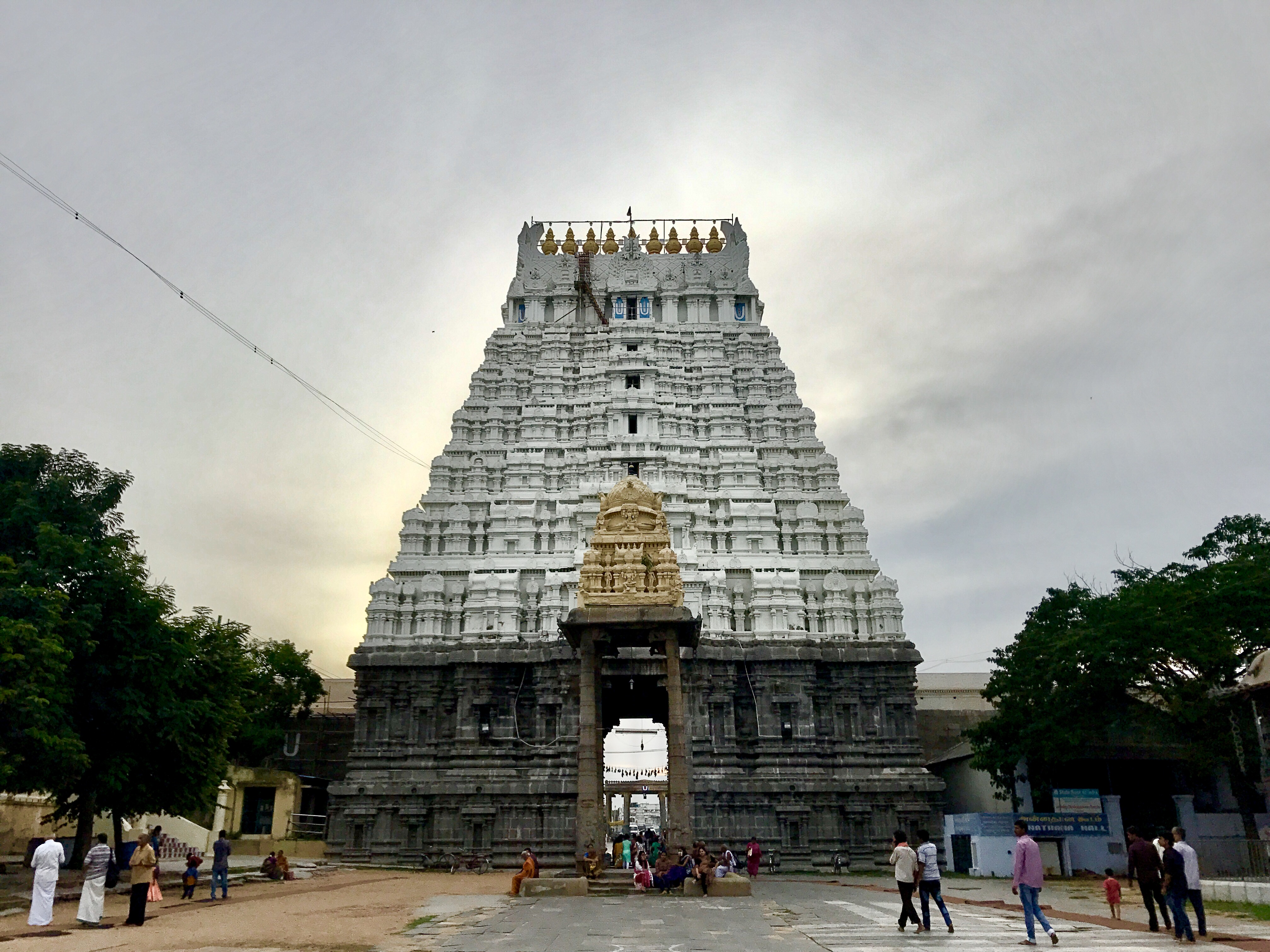
Nallur Sundara Varadharaja Perumal Temple
Nallur Sundara Varadharaja Perumal Temple is a 500-year-old Vaishnavite shrine in Tiruvannamalai, Tamil Nadu, where the presiding deity Sundara Varadharaja Perumal stands in a s…
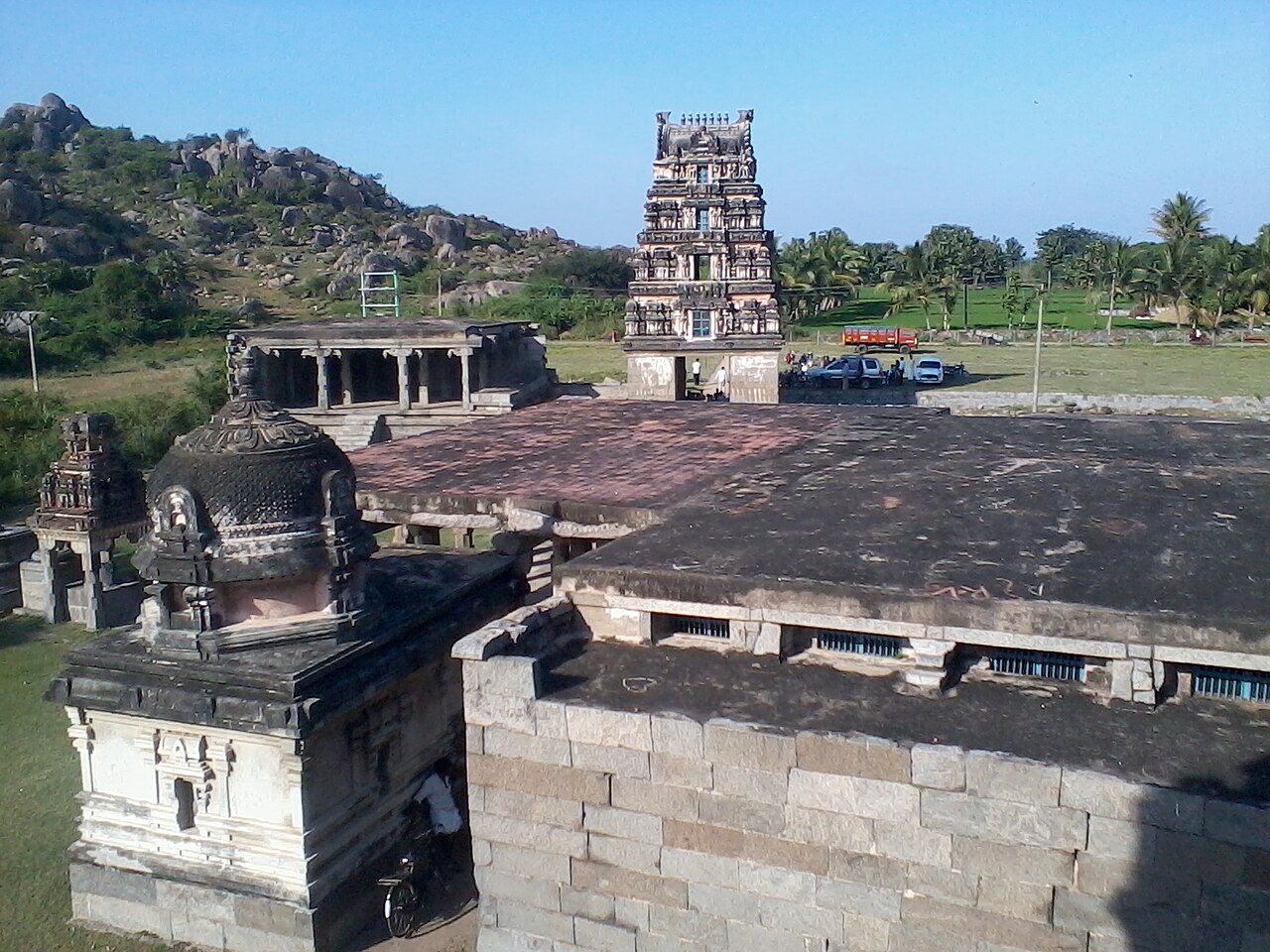
Avanibhajana Pallaveshwaram temple
A seventh-century rock-cut Shiva temple carved by Pallava king Mahendravarman I, later enhanced by Chola and Vijayanagar dynasties, featuring a notable Nataraja sculpture.
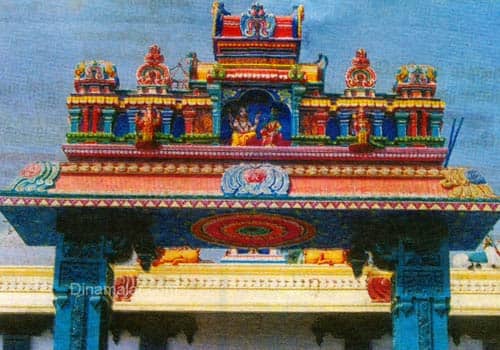
Agastheesvarar Temple, Purisai
Agastheesvarar Temple in Purisai is an ancient Shiva shrine over 1000 years old, dedicated to Lord Shiva and associated with the sage Agasthya in Tamil Nadu's southernmost region.
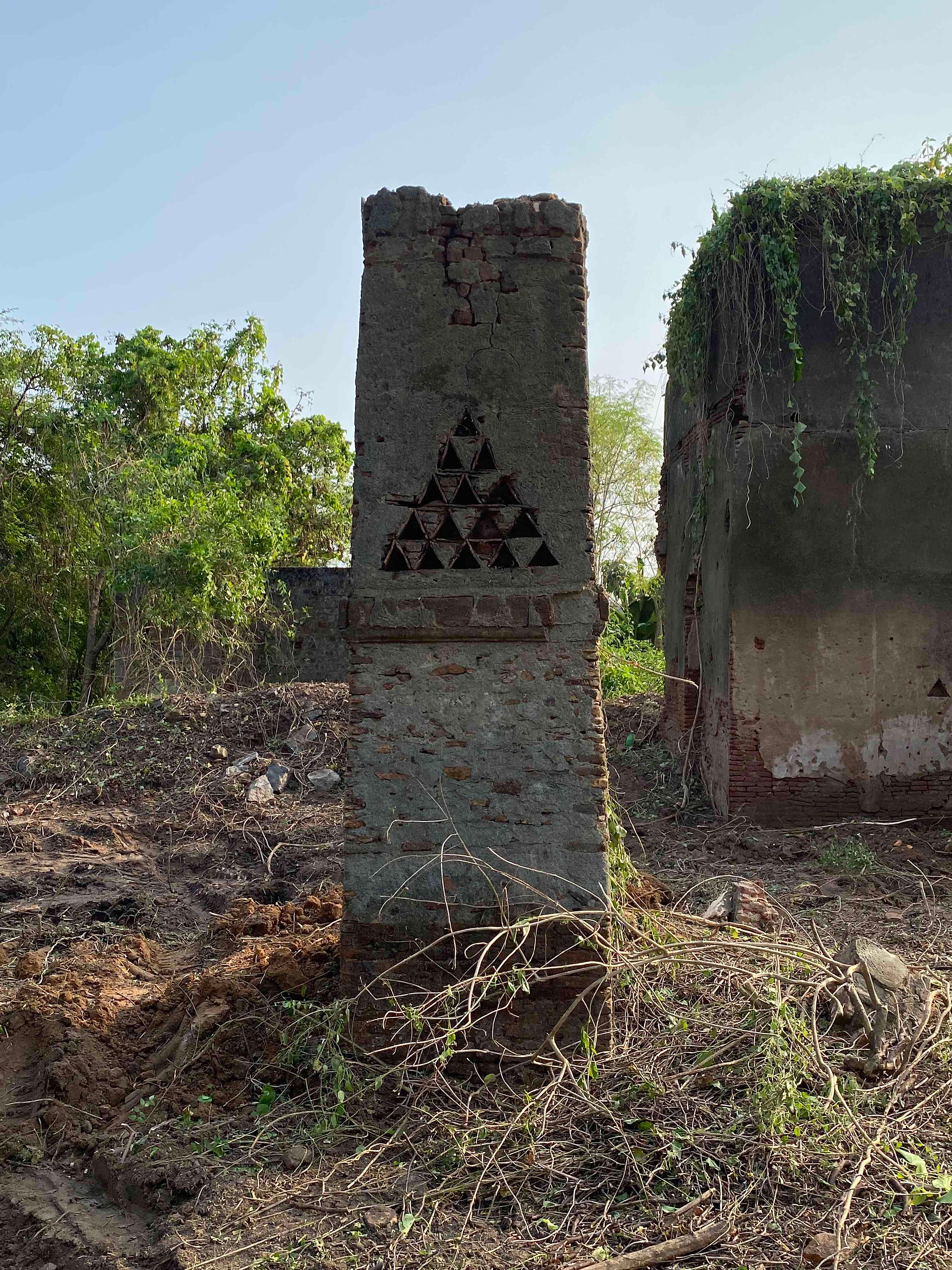
Baburayanpettai Vijaya Varadaraja Perumal Temple
A 16th-century Vijayanagara-era temple dedicated to Vijaya Varadaraja Perumal, built by nobleman Baburaya south of Kanchipuram. The temple now lies largely in ruins despite its…
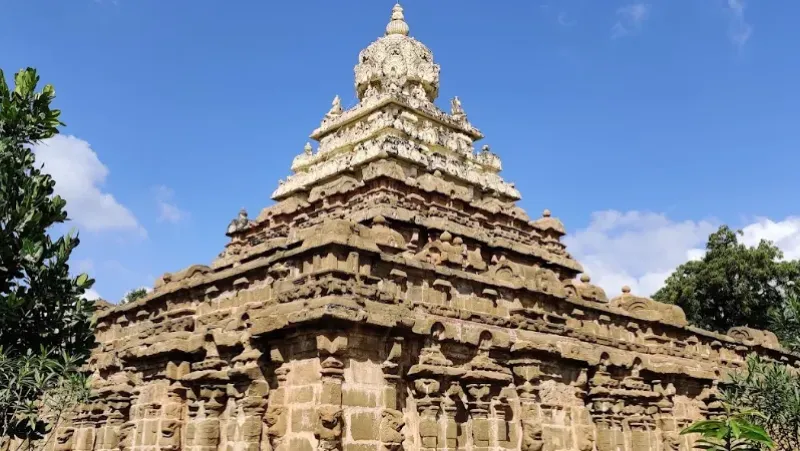
Tiru Parameswara Vinnagaram
Tiru Parameswara Vinnagaram is an 8th-century Pallava-era temple in Kanchipuram dedicated to Vishnu, renowned for its unique three-tier sanctum housing the deity in standing, se…
Thinthirineesvarar Temple, Tindivanam
Thinthirineesvarar Temple in Tindivanam is an ancient Shiva shrine whose name derives from the tamarind forests that once covered the region, with origins tracing to the Sangam…