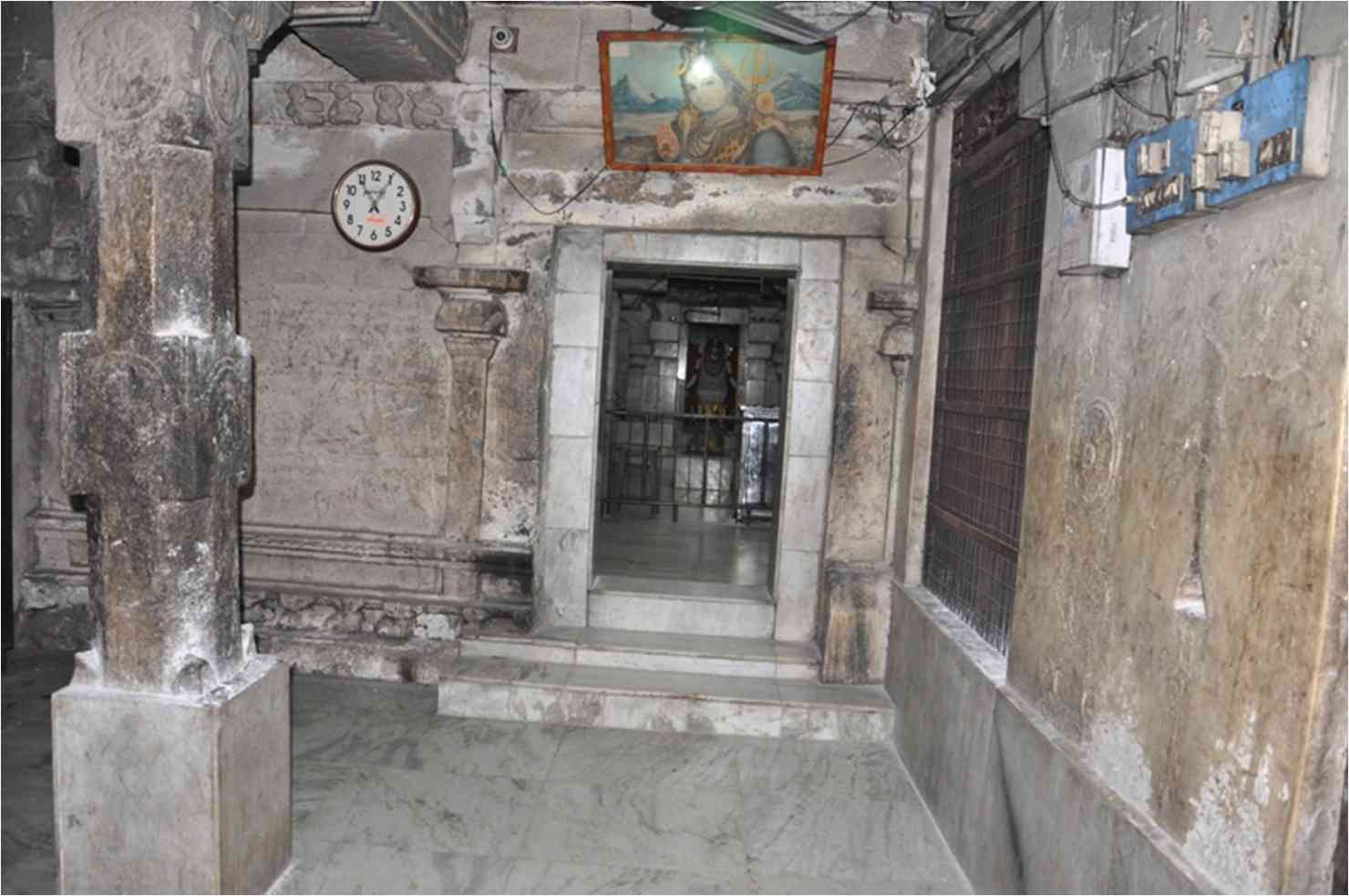
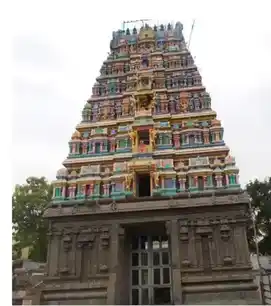
Thinthirineesvarar Temple, Tindivanam
About Thinthirineesvarar Temple, Tindivanam
The temple opens at 6:00 a.m. and closes at noon, then reopens at 4:00 p.m. until 9:00 p.m. Darshan—the viewing and worship of the deity—is available during these posted hours. Temples dedicated to Shiva typically maintain regular puja schedules throughout the day, though the specific ritual timings at this temple are not detailed in available sources. Visitors may offer prayers according to their personal practice. The morning hours between 6:00 a.m. and noon offer a quieter atmosphere for unhurried darshan and prayer, making this the preferred time for those seeking a more contemplative visit. The temple's management by the Hindu Religious and Charitable Endowments (HRCE) department ensures that basic maintenance and facilities are provided, though the extent of ancillary services such as prasadam distribution or specific puja offerings should be confirmed directly with the temple upon arrival.
Visiting the Temple
This is an active place of worship, not a museum or tourist site. Visitors should approach with the understanding that they are entering a sacred space where devotional practice continues. Wear comfortable footwear that is easy to remove, as you will need to leave your shoes before entering the inner sanctum. The Tamil Nadu climate is warm, so carry water and dress modestly in keeping with temple etiquette. Plan to spend at least an hour for unhurried darshan and prayer. The temple is located at Iswaran Koil Street, Tindivanam, postal code 604001, in Villupuram District. The coordinates are 12.235469, 79.652193, which can be entered into navigation applications for precise directions. Tindivanam lies approximately 120 kilometres from Chennai. Public transport options, including bus routes, serve the town, though specific route details should be verified with local transport authorities before your visit. If travelling by private vehicle, use the coordinates provided for navigation.
The Sacred Geography of Tindivanam
Tindivanam occupies a significant place in Tamil Nadu's religious landscape. The town's historical importance during the Sangam period suggests that this temple has long served as a centre of worship for the surrounding region. The connection between the deity's name and the local geography—rooted in the tamarind forests that once characterized the area—reflects the deep integration of temple worship with the natural and social environment of the place. This relationship between landscape and divinity is characteristic of many ancient Tamil temples, where the sacred is understood not as separate from the world but as woven into it. The temple thus represents a continuity of religious practice shaped by and responsive to the particular place where it stands.
How to reach
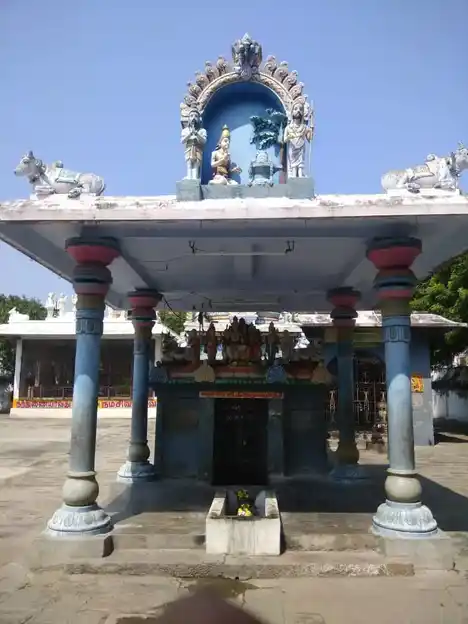
You may also visit
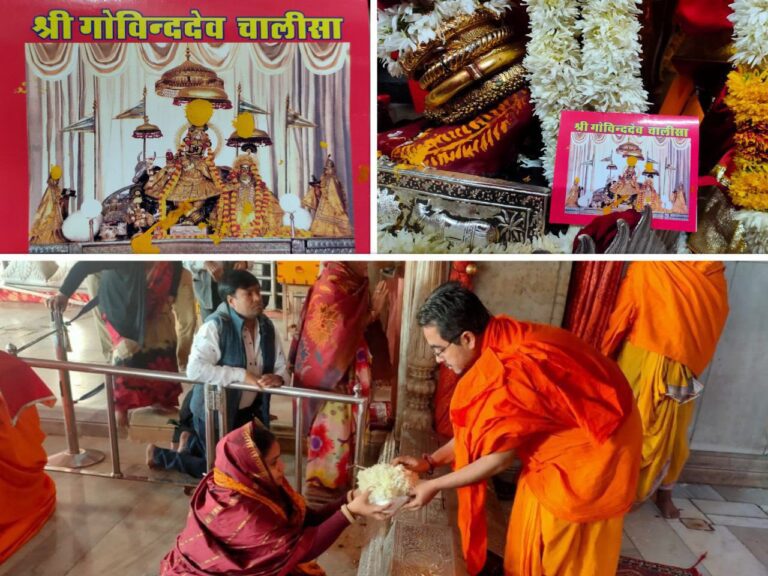
Kalyanji Temple
Kalyanji Temple in Jaipur's Chandpol Bazaar is approximately two centuries old and renowned for displaying the twenty-four avatars of Krishna, visible only twice yearly during Akha Teej and Patottsav festival.
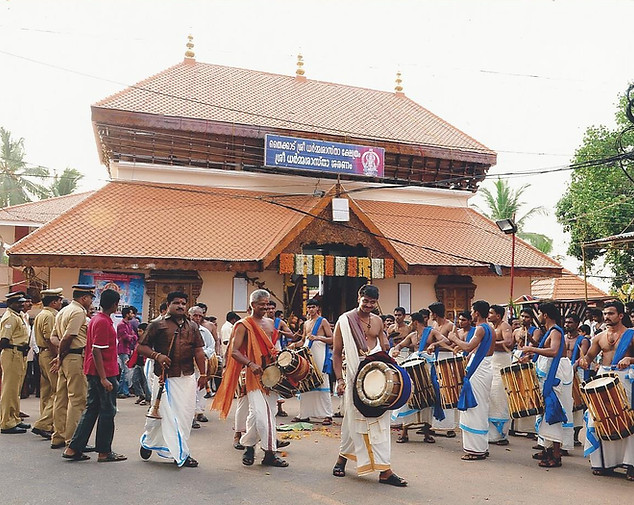
Sastha (Ayyappan) Temple
Sree Dharma Sastha Temple in Thycaud, Thiruvananthapuram, is a centuries-old shrine where the deity manifests as Dhanwanthari, the divine healer, holding the sacred blue lotus.
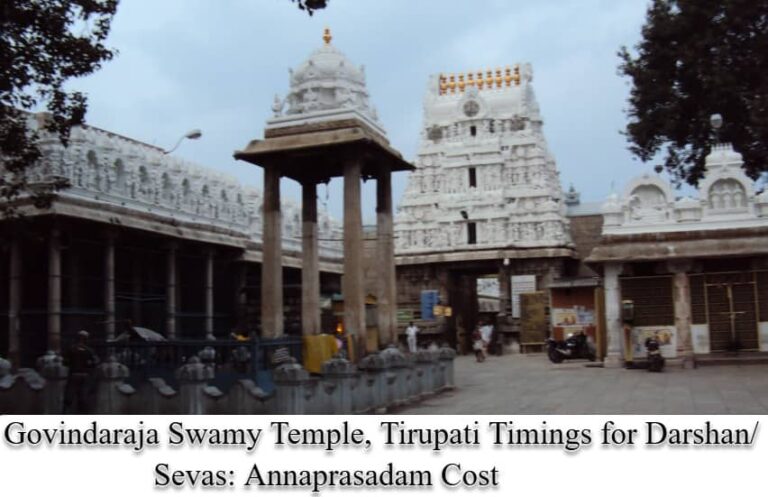
Govindarajaswamy Temple
Sri Govindarajaswamy Temple in Tirupati is an ancient Vaishnavaite shrine consecrated in 1130 AD by Saint Ramanuja, where the presiding deity rests in eternal Yoga Nidra on the serpent Adisesha.