Agastheesvarar Temple, Purisai
About Agastheesvarar Temple, Purisai
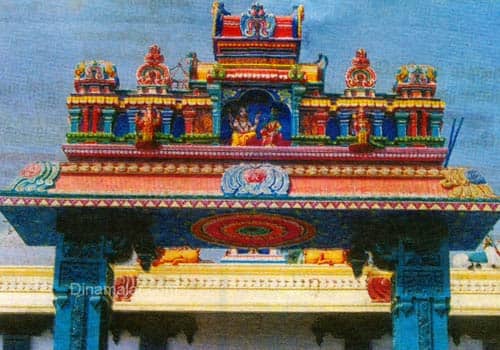
The temple follows the traditional architectural arrangement of Hindu shrines, with a sanctum at its heart and surrounding structures that serve the spiritual needs of worshippers. Within the prakara, or temple courtyard, shrines dedicated to Vinayaka and Muruga are positioned on the western side, while Bhairava and the Navagrahas occupy the northeastern area. The sanctum walls feature representations of Vinayaka and Dakshinamurthi on the south, Vishnu on the west, and Brahma and Durga on the north. A separate shrine honors Dandesvarar. The linga in this temple is distinctive in its round design, differing from the more commonly seen leaf-shaped form found in many other Shiva temples.
Daily Worship and Darshan
The temple maintains two daily worship periods to accommodate devotees at traditionally auspicious times. Morning darshan begins at 05:00 and continues until 13:00, allowing worshippers to participate in dawn rituals when spiritual receptivity is considered heightened. The temple reopens in the evening from 16:00 to 20:00, enabling evening prayers and worship during dusk hours. These timings reflect the Hindu practice of honoring the transitions between day and night as spiritually significant moments. Visitors should confirm exact timings before traveling, as festival days may bring variations to the regular schedule.
Festivals and Celebrations
The temple observes several major festivals throughout the year. The most prominent is a ten-day Brahmmotsavam following Vaikasi Visakam, occurring in May-June, during which heightened ritual activity and increased devotional gatherings mark the celebration. In November-December, the temple celebrates Karthikai with a 1008 Conch Abhishek ritual, a significant observance in the Shaivite calendar. A Panguni Wedding Festival takes place in March-April, commemorating divine union. Additionally, Maha Shivaratri in March-April receives grand celebration, and monthly observances of Pradosha and Amavasya (new moon) pujas are conducted. These festivals create periods of heightened spiritual energy and are ideal times for visitors seeking to experience the temple's full ritual life.
Visiting Practicalities
Visitors should dress modestly, following the custom observed at Hindu temples. Men typically wear simple clothing, while women are expected to wear traditional dress or modest contemporary attire. Shoes must be removed before entering the inner sanctum. Photography policies vary; it is advisable to inquire with temple staff before photographing the sanctum or ritual spaces. Conduct yourself with quiet reverence in the courtyards and during active worship periods. The temple's primary function remains spiritual worship rather than tourism infrastructure, so visitor amenities such as accommodation and dining are not documented in available sources. Plan accordingly and make local inquiries regarding lodging and food options in the surrounding area.
Best Times to Visit
May-June and November-December represent the most rewarding periods for a visit, as these months coincide with major festivals when the temple's ritual calendar is most active and the spiritual atmosphere is particularly vibrant. However, the temple welcomes visitors year-round during posted hours. The cooler months of November through February generally offer more comfortable travel conditions in Tamil Nadu, making this season practical for those prioritizing comfort alongside spiritual experience.
How to Reach
Agastheesvarar Temple is located in Purisai, Tiruvannamalai district, Tamil Nadu, at coordinates 12.579, 79.5852. The temple is accessible by road from the main highways connecting the region. Tiruvannamalai district serves as the local administrative center. For specific directions or additional information, local inquiry is recommended, as detailed transportation guidance is not extensively documented in available sources.
How to reach
Temples near Agastheesvarar Temple, Purisai
Patcheeswarar temple
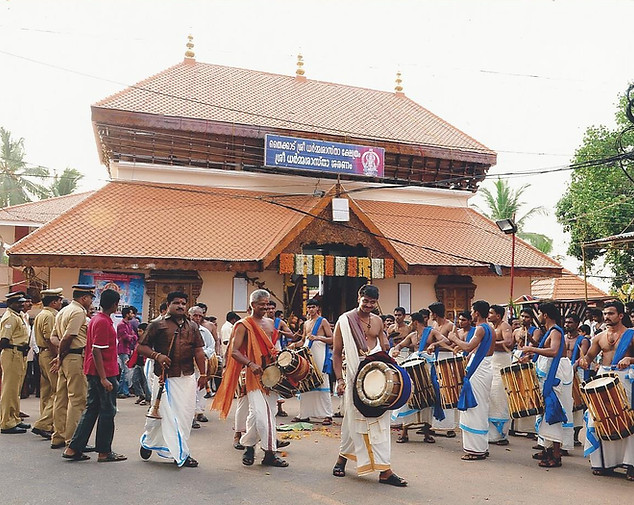
Patcheeswarar temple in Cheyyar is an ancient Shiva shrine built during the Pallava dynasty, featuring Dravidian architecture and a five-tiered gopuram facing east.
Sogathur Yoganarasimha Swami Temple
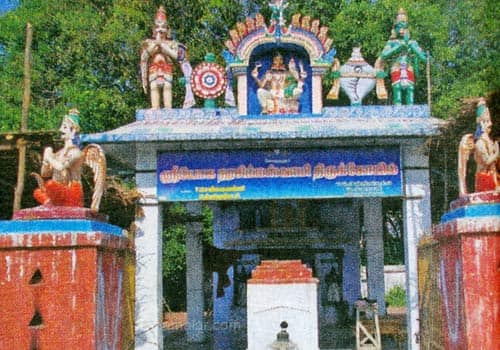
Yoga Narasimhar Temple in Sogathur is an ancient shrine where Lord Narasimha manifests in his peaceful form, known for blessing devotees with solutions to marriage delays and bu…
Sundaravarada Perumal Temple
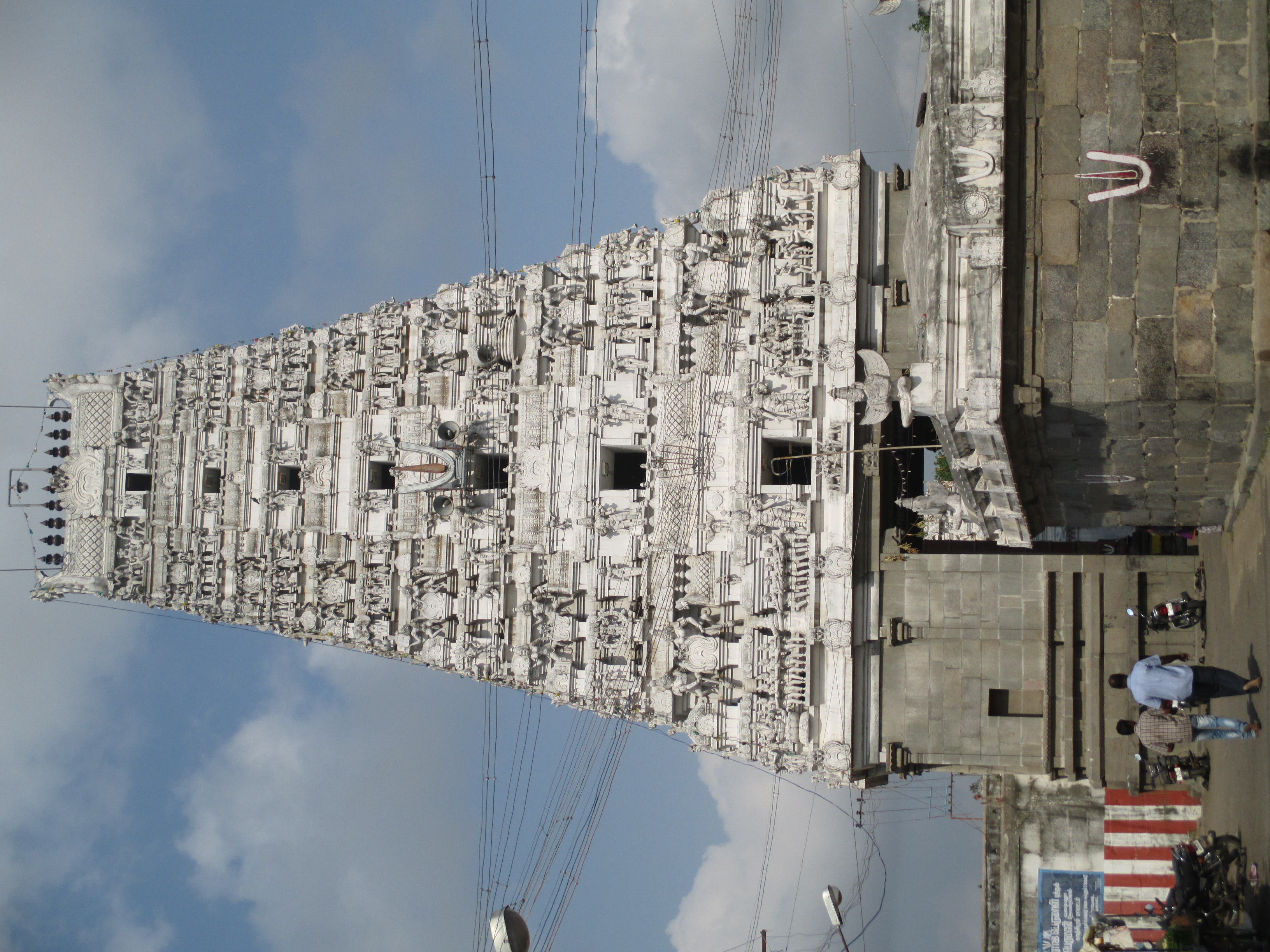
The Sundaravarada Perumal Temple in Uthiramerur, Tamil Nadu, is an ancient Dravidian shrine dedicated to Vishnu, originally constructed by the Pallavas around 750 CE and enhance…
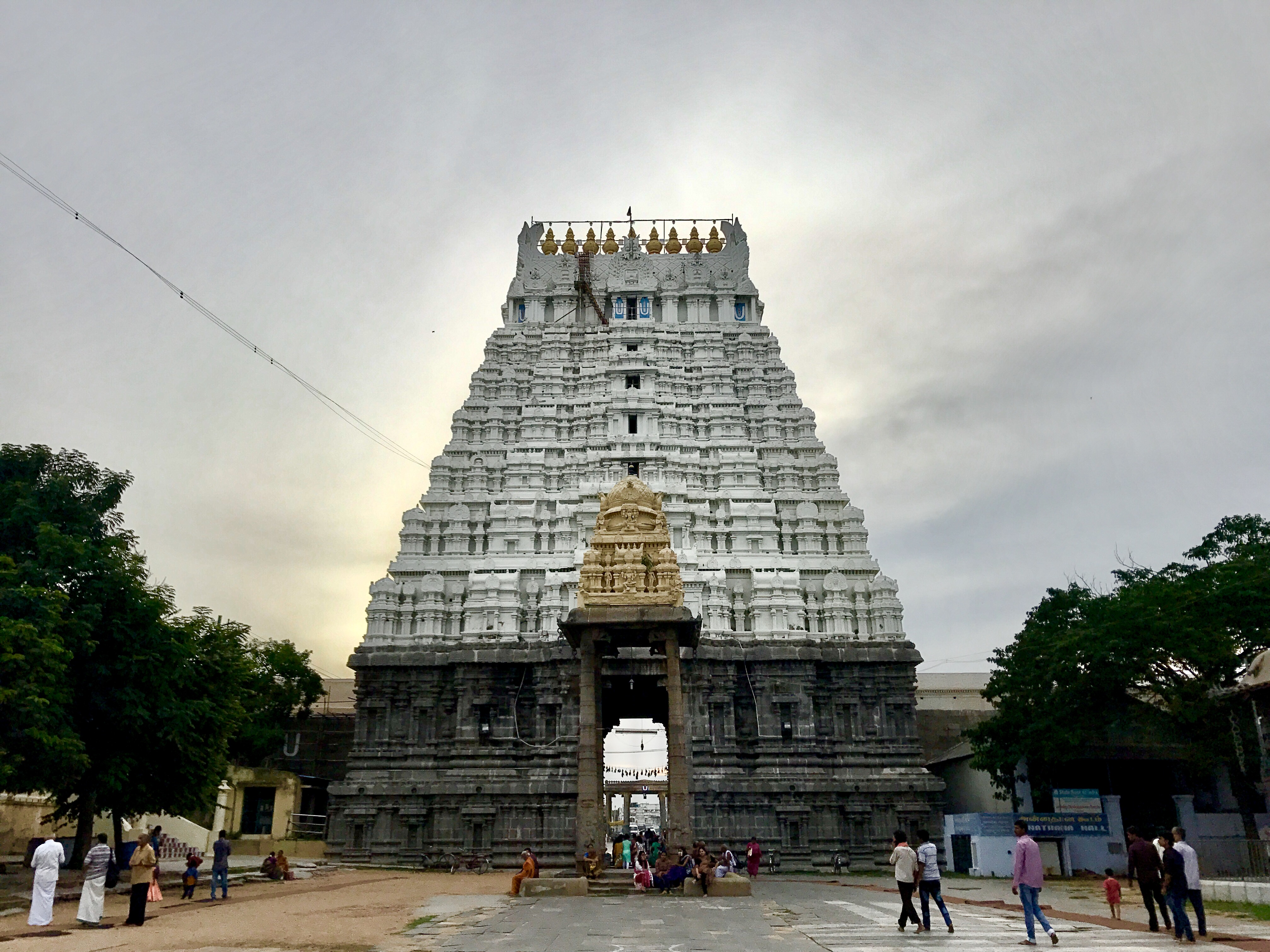
Nallur Sundara Varadharaja Perumal Temple
Nallur Sundara Varadharaja Perumal Temple is a 500-year-old Vaishnavite shrine in Tiruvannamalai, Tamil Nadu, where the presiding deity Sundara Varadharaja Perumal stands in a s…
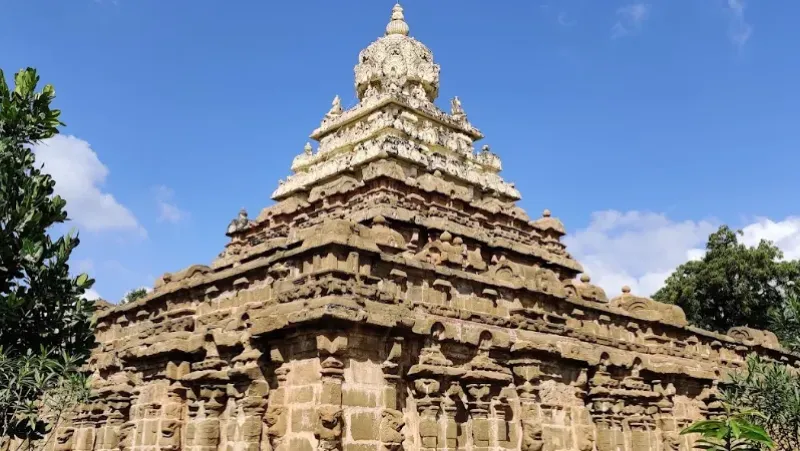
Tiru Parameswara Vinnagaram
Tiru Parameswara Vinnagaram is an 8th-century Pallava-era temple in Kanchipuram dedicated to Vishnu, renowned for its unique three-tier sanctum housing the deity in standing, se…
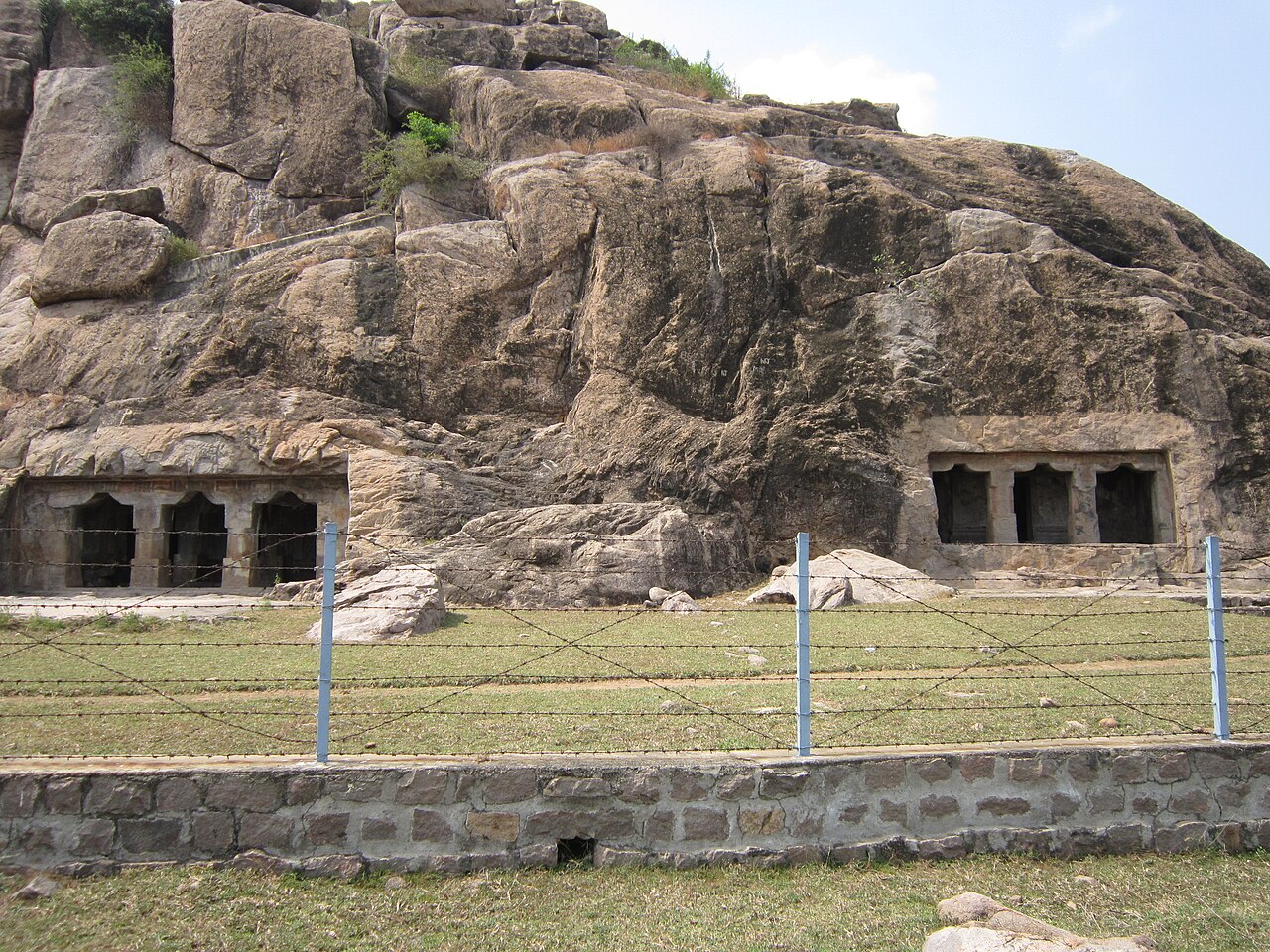
Mamandur Cave temple
Mamandur Cave temple is a Hindu shrine located in Mamandur, Tamil Nadu, situated in the Kanchipuram district region.