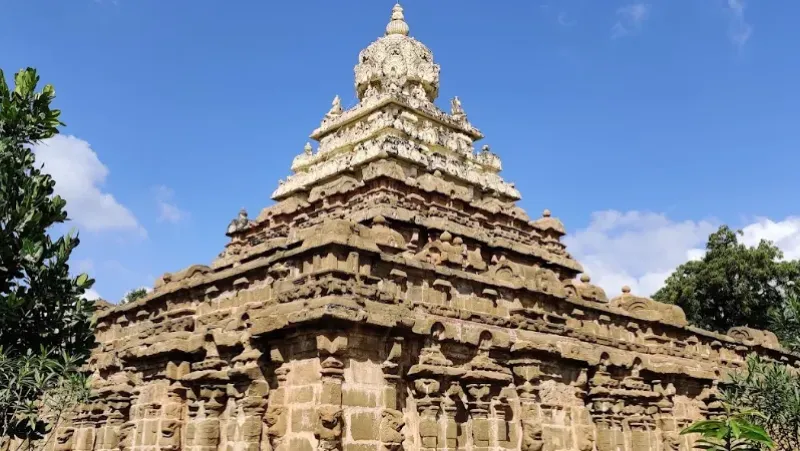
Tiru Parameswara Vinnagaram
About Tiru Parameswara Vinnagaram
The temple was constructed in the late 8th century by the Pallava king Nandivarman II, whose name is preserved in the temple's own: Parameshwara was the royal title borne by this monarch, also known as Parameshwara Pallavan. Nandivarman II was a devoted patron of Vishnu and a supporter of learning, known for renovating existing temples and commissioning new ones. The temple is believed to have been built a few years after the Kanchi Kailasanathar Temple, placing it within an active period of Pallava architectural patronage.
The temple's walls bear inscribed panels depicting events connected to Nandivarman's rise to power, as well as scenes of conflict between the Pallavas and rival dynasties. Inscriptions around the sanctum record donations of gold and other offerings made by kings and devotees over centuries, providing a record of the temple's sustained importance and the generosity it inspired. The great Vaishnava saint Thirumangai Alvar was a contemporary of the king, and the temple reflects the broader flowering of Vaishnava devotion during this era.
Daily Worship and Ritual Timings
The temple opens for worship twice daily. Morning hours run from 07:00 to 12:00, while evening hours extend from 17:00 to 20:00. Three principal rituals structure the day: Suprabhatham, an early morning chant, begins at 07:00; Madhyana Pooja, the midday worship, takes place at 11:30; and Sandhya Aarati, the evening ritual, occurs at 18:30. These ceremonies follow the traditional rhythms observed in Vishnu temples across Tamil Nadu, marking the deity's awakening, sustenance through the day, and evening rest.
Visitors may time their darshan to coincide with these rituals, when the sanctum is most active and the atmosphere charged with devotional energy. The internal stairs allowing access to all three tiers mean that darshan involves movement and patience; visitors should be prepared for a more involved experience than a single-level temple offers.
Pallava Architecture and Sculptural Detail
The temple exemplifies Pallava-era architectural principles, evident in its sculptural treatment and structural design. Bas reliefs throughout the temple depict scenes of warfare and dynastic history, serving both decorative and commemorative functions. The three-tier sanctum itself represents an engineering and theological achievement of the period, requiring careful planning to allow pilgrims safe passage between levels while maintaining the sanctity of each tier.
The temple's age—now over twelve centuries—means that some elements may show wear, though the core structure remains intact. Visitors should approach the internal stairs with care, particularly if mobility is limited.
Visiting Information and Practical Details
Tiru Parameswara Vinnagaram is located in Kanchipuram, Tamil Nadu, at coordinates 12.49°N, 79.43°E. The town is well-connected by road to major centres across Tamil Nadu; state transport buses and private taxis serve the area regularly. The nearest railway stations are Kanchipuram Railway Station. Visitors should plan their visit within the posted timings: 07:00–12:00 in the morning and 17:00–20:00 in the evening.
As with temples throughout the tradition, modest dress is appropriate—covering shoulders and knees. Shoes are typically removed before entering the sanctum. The temple functions as an active place of worship; visitors should maintain quiet and respectful behaviour, particularly during ritual times. Photography policies may vary; it is courteous to ask before photographing.
Kanchipuram's Sacred Geography
Kanchipuram itself holds deep significance in Hindu tradition as a city of temples and learning. Tiru Parameswara Vinnagaram is one among several important shrines in the town, each with its own history and deity. The city's concentration of sacred sites makes it a destination for pilgrims undertaking broader temple circuits. Visitors to Kanchipuram often spend multiple days exploring its various temples and absorbing the town's spiritual atmosphere.
How to reach
Temples near Tiru Parameswara Vinnagaram
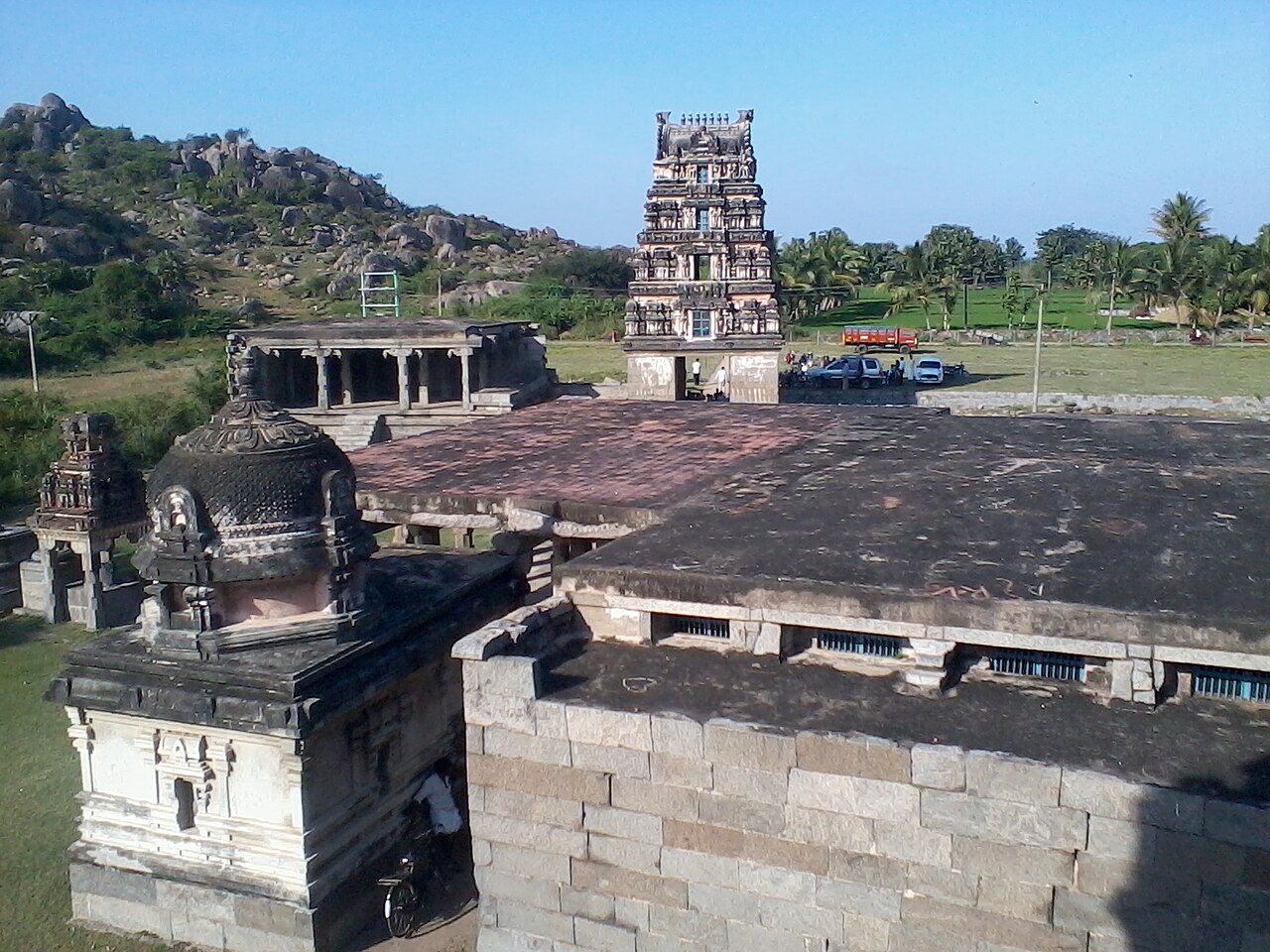
Avanibhajana Pallaveshwaram temple
A seventh-century rock-cut Shiva temple carved by Pallava king Mahendravarman I, later enhanced by Chola and Vijayanagar dynasties, featuring a notable Nataraja sculpture.
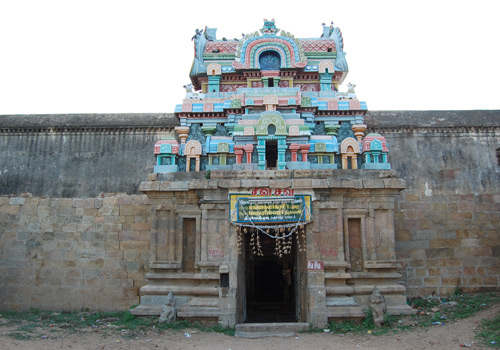
Vedapureeswarar Temple
Vedapureeswarar Temple in Thiruvedhikudi, Thanjavur District, is a Chola-era shrine dedicated to Lord Shiva, revered as a place of marriage blessings and the third temple in the…
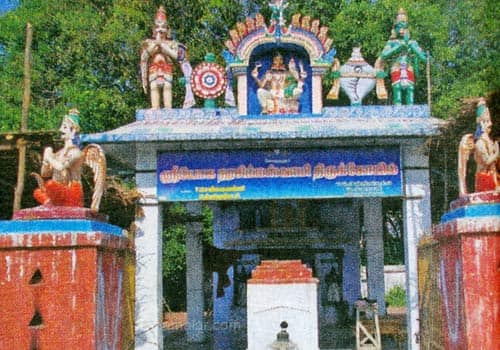
Sogathur Yoganarasimha Swami Temple
Yoga Narasimhar Temple in Sogathur is an ancient shrine where Lord Narasimha manifests in his peaceful form, known for blessing devotees with solutions to marriage delays and bu…
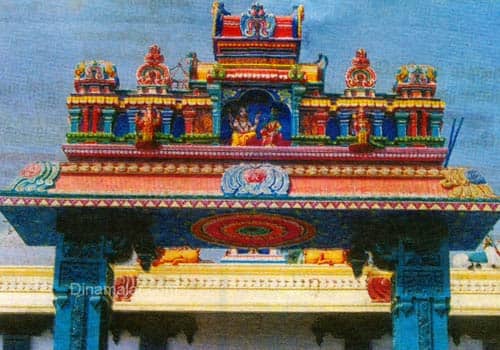
Agastheesvarar Temple, Purisai
Agastheesvarar Temple in Purisai is an ancient Shiva shrine over 1000 years old, dedicated to Lord Shiva and associated with the sage Agasthya in Tamil Nadu's southernmost region.
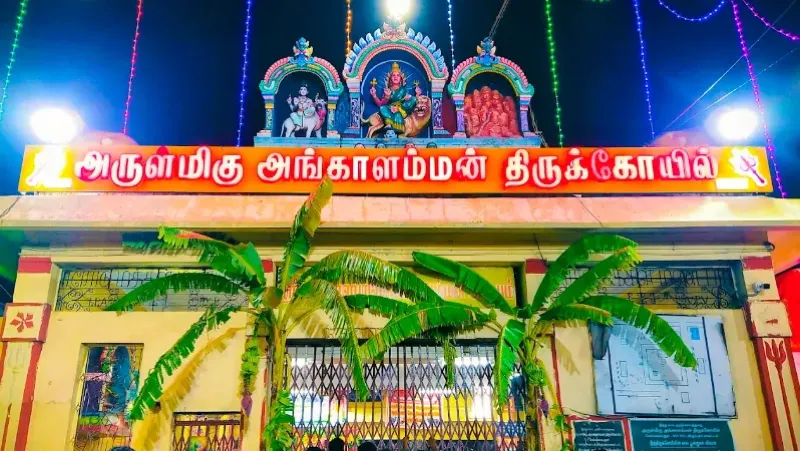
Angalaparameswari Devi Temple, Melmalayanur
Angala Parameswari Temple in Melmalayanur is a revered Shakti shrine dedicated to Goddess Angala Parameswari, a fierce protective form of Parvati, located 32 km from Gingee in V…
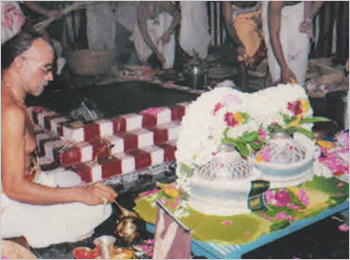
Devikapuram Ponmalai Nathar Temple
The Ponmalai Nathar Temple, also known as Kanagagiriswarar Temple, is a Hindu shrine dedicated to Lord Shiva located in Devikapuram, Tamil Nadu.