Baburayanpettai Vijaya Varadaraja Perumal Temple
About Baburayanpettai Vijaya Varadaraja Perumal Temple
According to the temple's Sthalapuranam, Baburaya was a Tahsildar at Kanchipuram who visited the Varadaraja Perumal temple there daily before meals. When he once missed his customary worship due to a procession, he resolved to fast until he could visit again. After three days without food, the deity appeared to him in a dream, directing him to build a temple in a village south of Kanchipuram. Baburaya travelled south and discovered Sithamur, which he deemed suitable for construction.
Local residents initially objected to the temple's establishment. In a second dream, the deity instructed Baburaya to build where a kite would circle in the sky the following morning. When this sign appeared, Baburaya cleared the forest area and commenced construction, finding all necessary materials—bricks, mud, sand, and iron—already present in the forest. A third divine vision guided him to the sanctum's location, where an ant-hill marked the spot where a cow would spontaneously offer its milk. Upon excavation, two Hanuman idols were discovered and removed before the sanctum was built. Four streets were designed to allow residents to settle in the new village, following a layout similar to Srirangam in Tirupati District. The deity from Kanchi was brought to this village in procession, and a Kumbabishekam (consecration ceremony) was performed.
Architecture and Current State
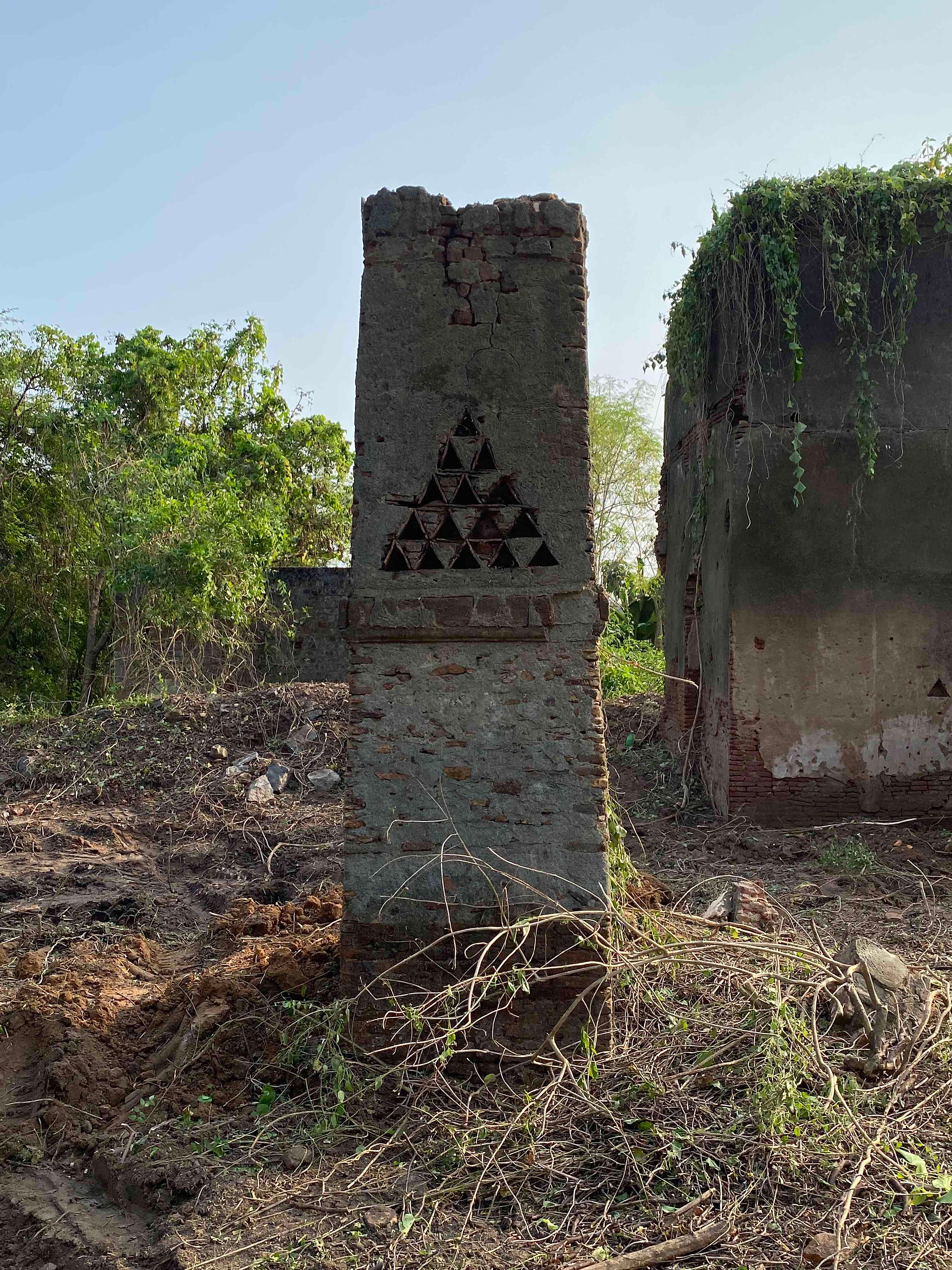
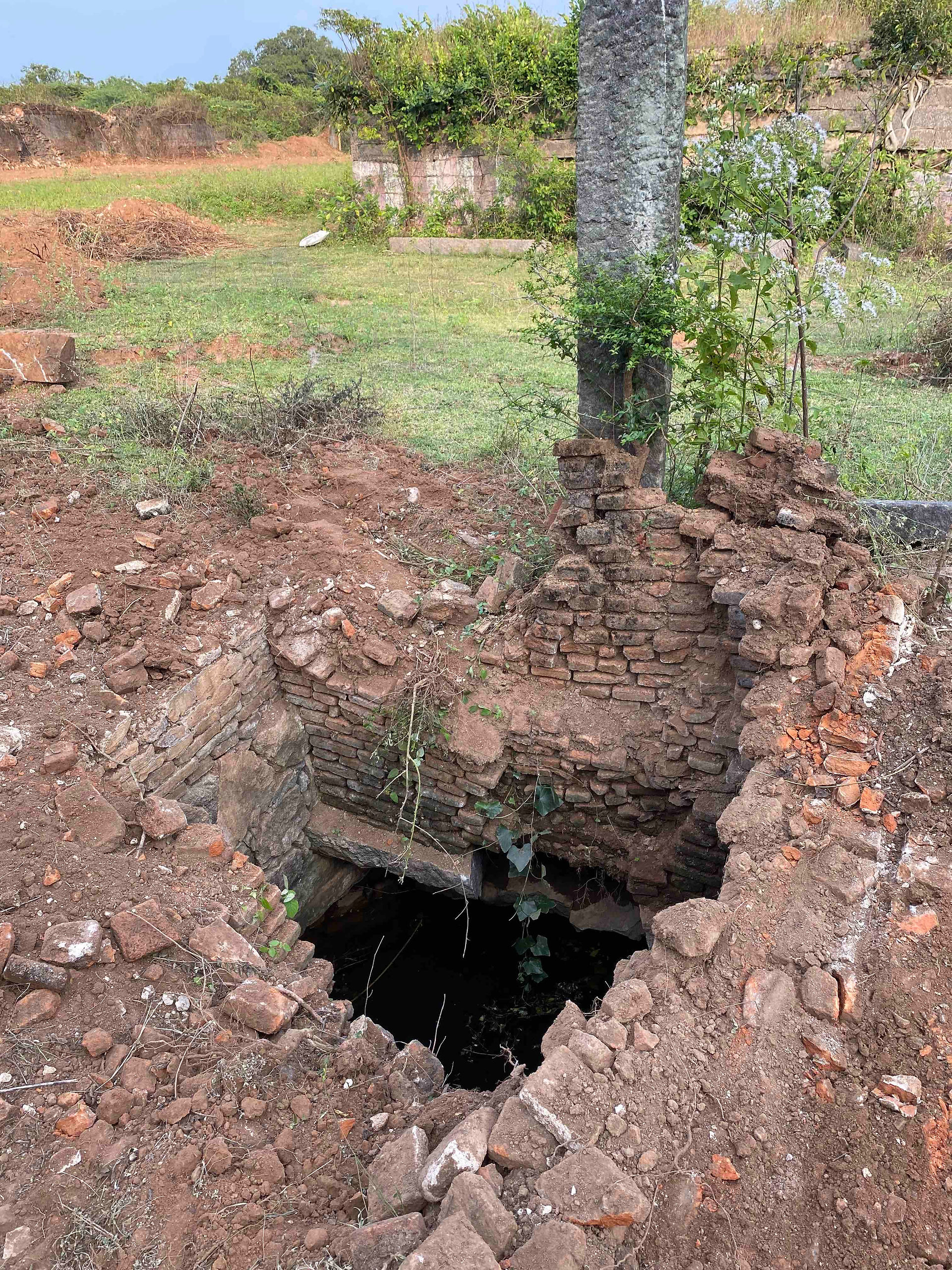
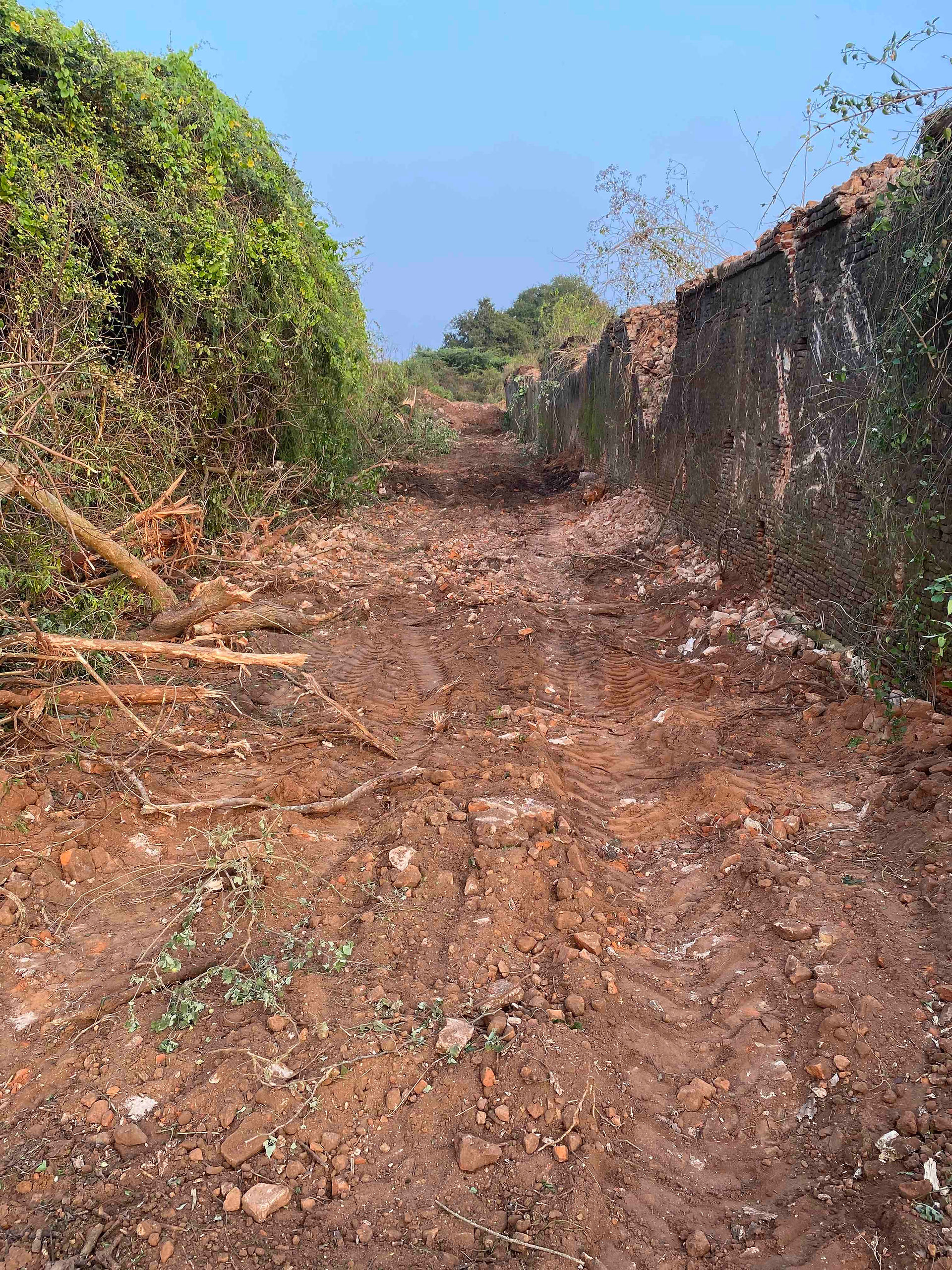
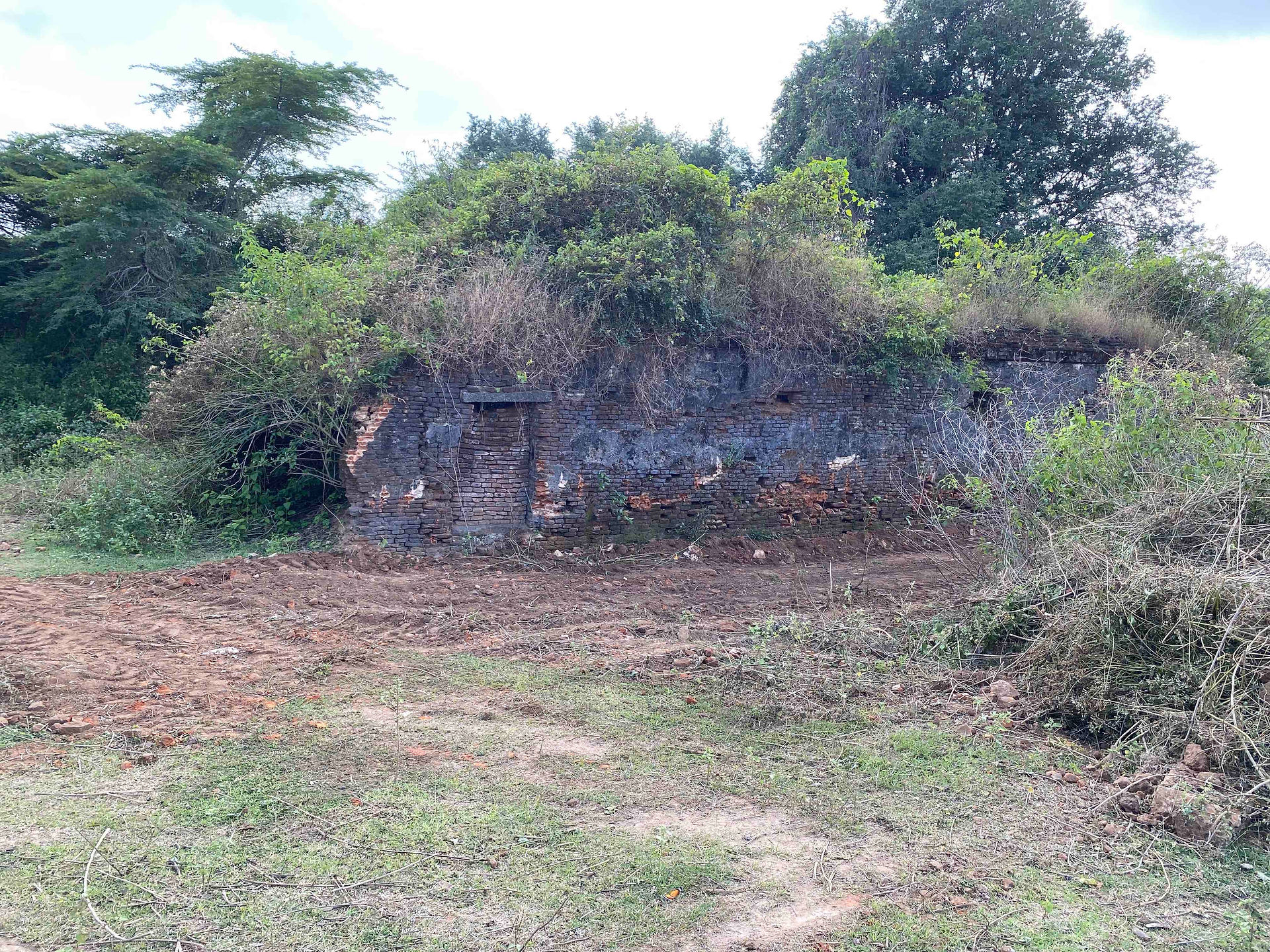
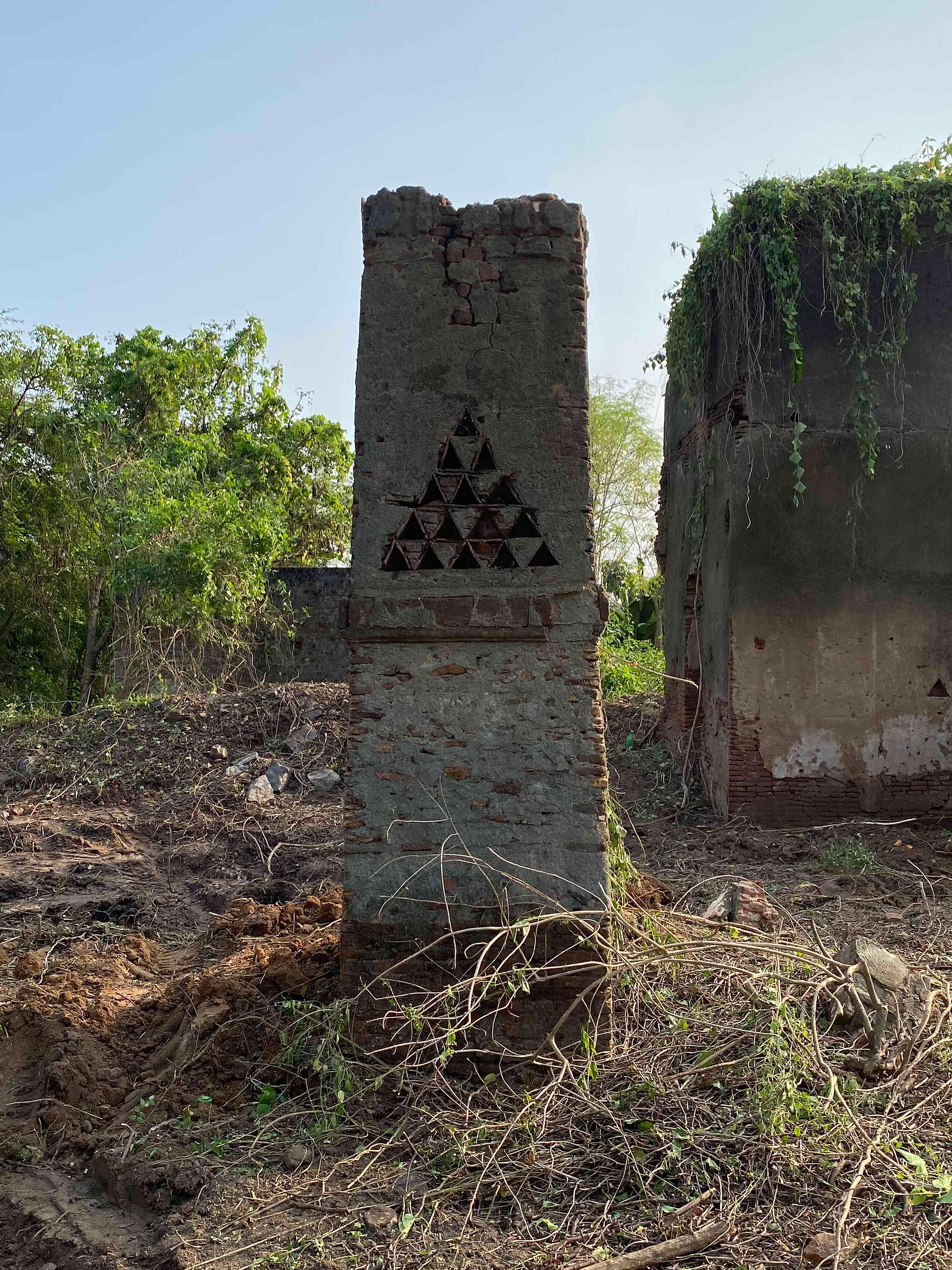
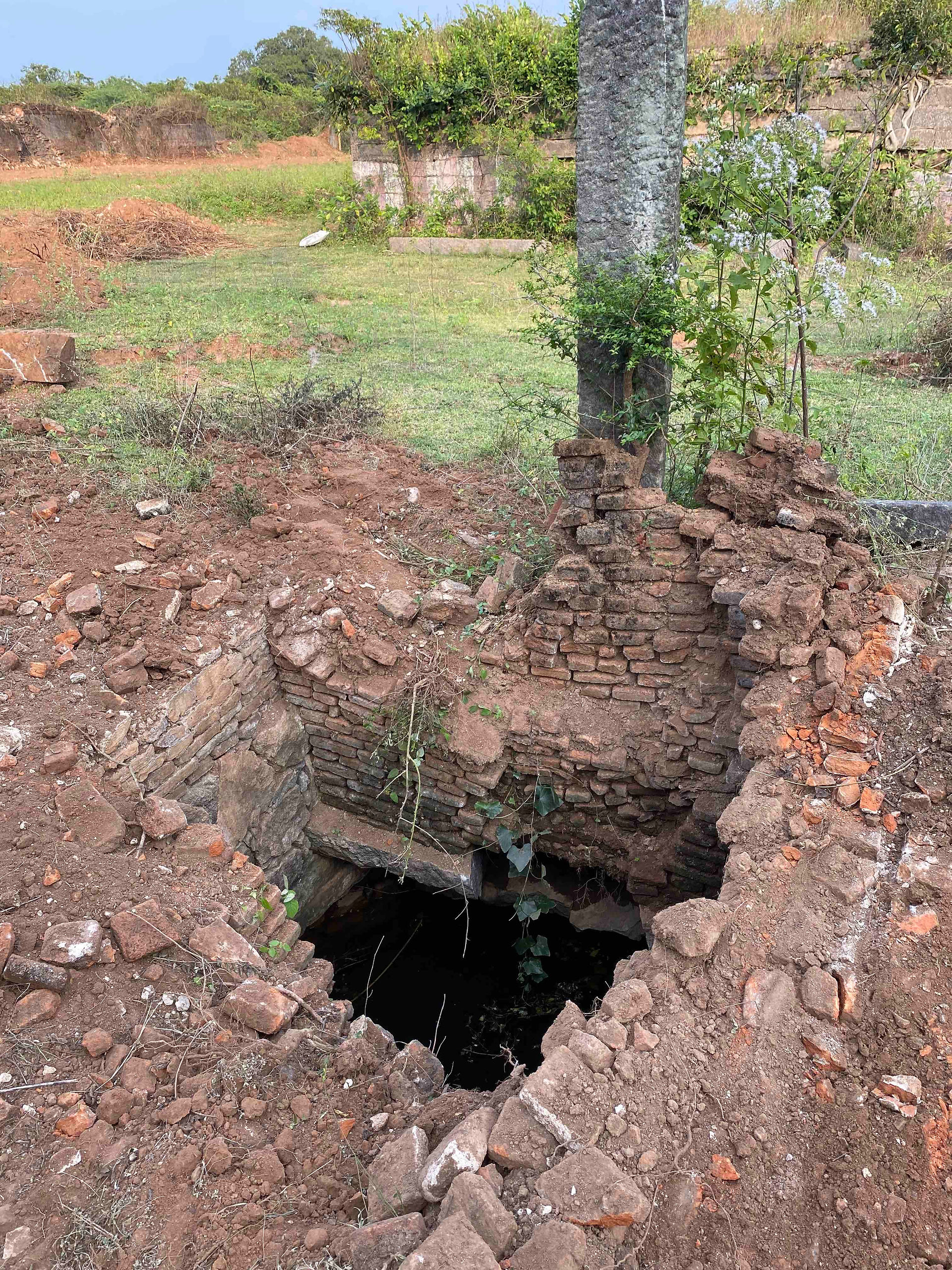
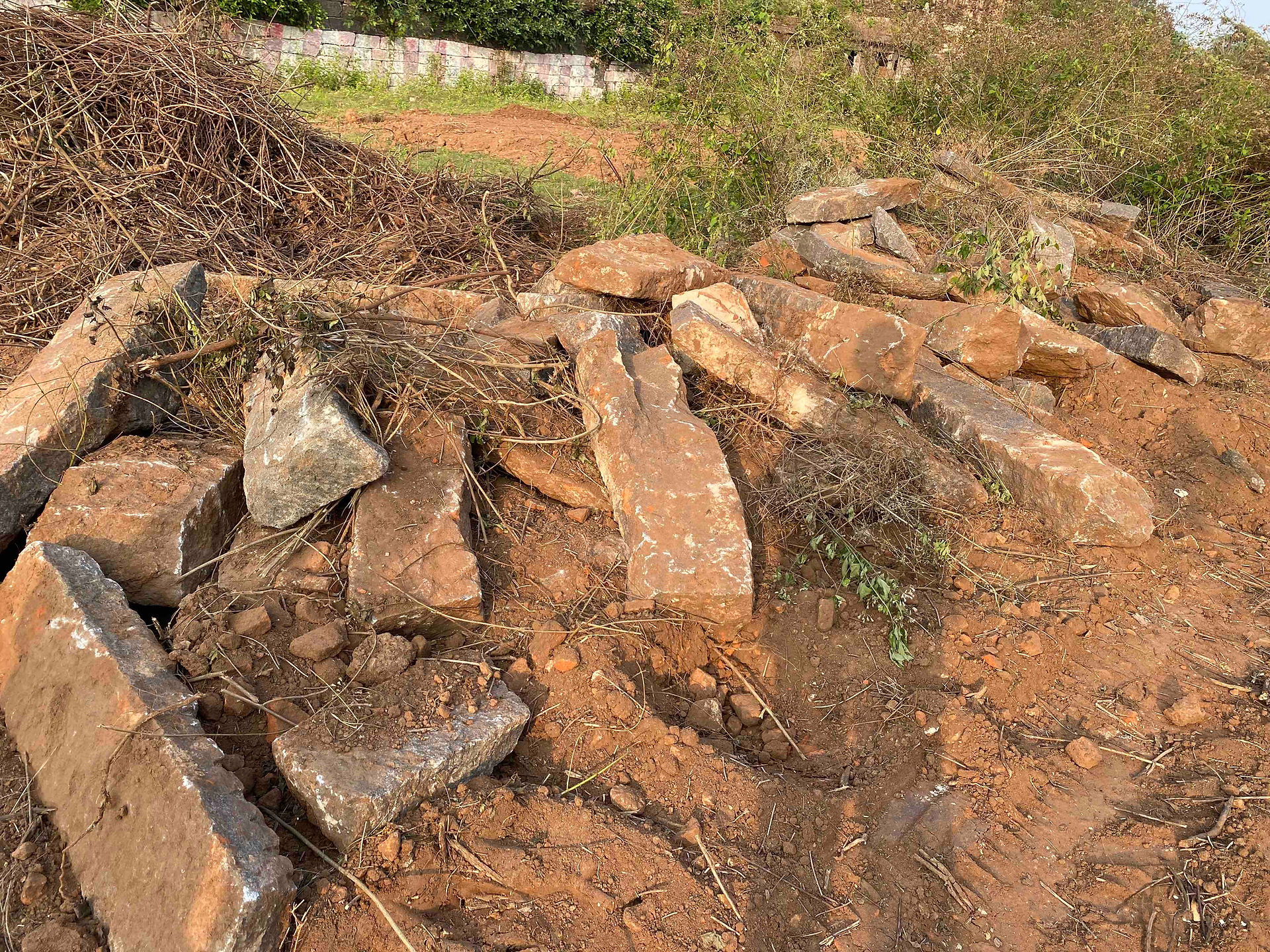
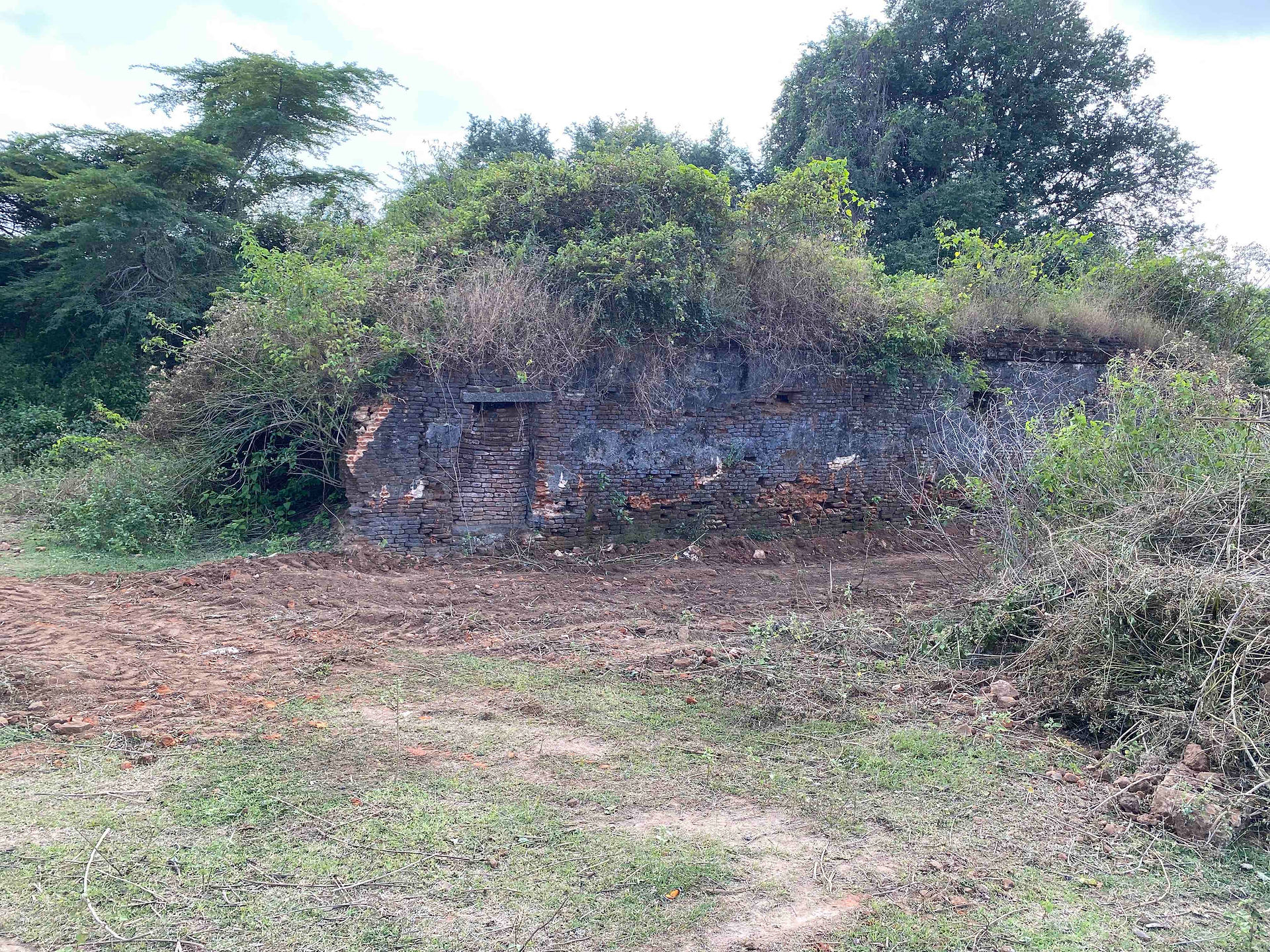
The temple complex reflects Vijayanagara architectural traditions. Two gopurams (gateway towers) once dominated the structure, though one is now overgrown with vegetation and the other appears incomplete or damaged. Sections of the madhil suvar (outer boundary wall) remain visible, and portions of the inner walls, though partially intact, bear witness to the temple's five-hundred-year history.
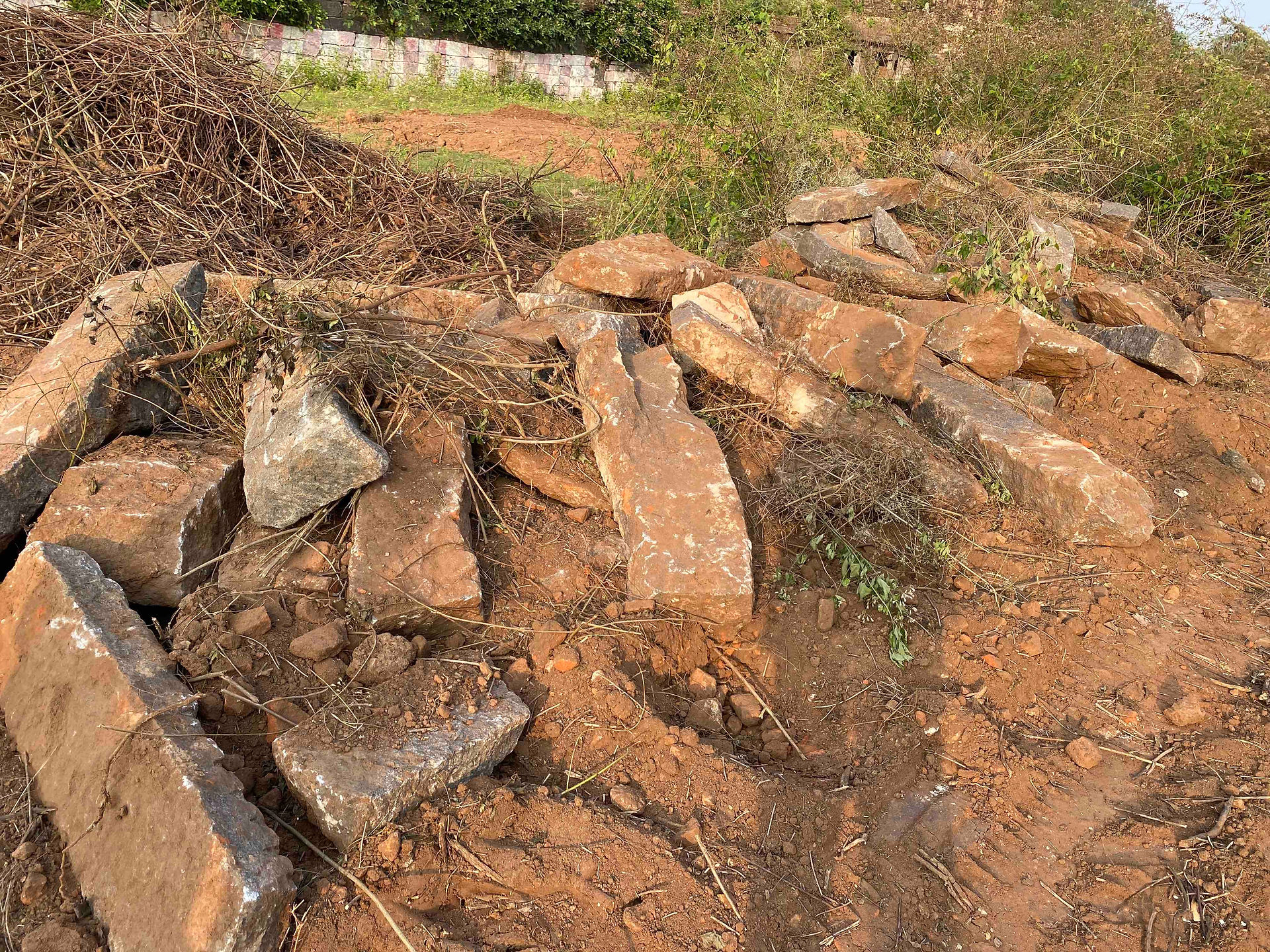
The sanctum sanctorum of Varadaraja Perumal represents the most intact structure, though its long-term survival remains uncertain. The Ardhamandap (half-hall), Mahamandap (great hall), and Moolasthana vimanam (central tower) are in critical condition, with structural collapse a genuine risk. Two mounds of earth and bricks mark where the shrines of Thayar and Aandal once stood. The temple's current dilapidated condition reflects years of administrative neglect rather than any inherent flaw in its construction.
Visiting the Temple
The temple is open for darshan during two periods: morning from 07:00 to 10:00, and evening from 17:00 to 18:00. Visitors should plan their visit within these windows. The temple is located on Perumal Koil Street in Baburayanpettai, Chengalpattu District, approximately 100 kilometers south of Chennai.
Devotees should observe standard temple etiquette: remove footwear before entering, dress modestly, and approach the sanctum with reverence. Given the temple's ruined state, visitors must exercise caution around unstable structures and loose debris. The uneven ground and partially collapsed sections require careful footing. Those with mobility concerns should assess the site's condition before visiting.
Reaching Baburayanpettai
The village lies in Chengalpattu District, accessible by road from Chennai. Visitors travelling by private vehicle can use the coordinates 12.3872668, 79.7329916 for navigation. Public transport options may be limited, so advance planning is advisable. The journey from Chennai takes approximately two to three hours depending on traffic and route.
A Temple in Transition
Baburayanpettai Vijaya Varadaraja Perumal Temple represents a significant but fragile link to the Vijayanagara period in Tamil Nadu. Known locally as the "Hampi of Tamil Nadu," the site holds considerable historical and architectural value. However, visitors should approach with realistic expectations: this is a working temple in ruins rather than a fully restored monument. The sanctum remains active for worship, but much of the surrounding complex requires careful navigation and offers limited facilities. Those drawn to temple history, Vijayanagara architecture, or the devotional legacy of the region will find the site meaningful, while others may find the deteriorated state challenging.
How to reach
Temples near Baburayanpettai Vijaya Varadaraja Perumal Temple
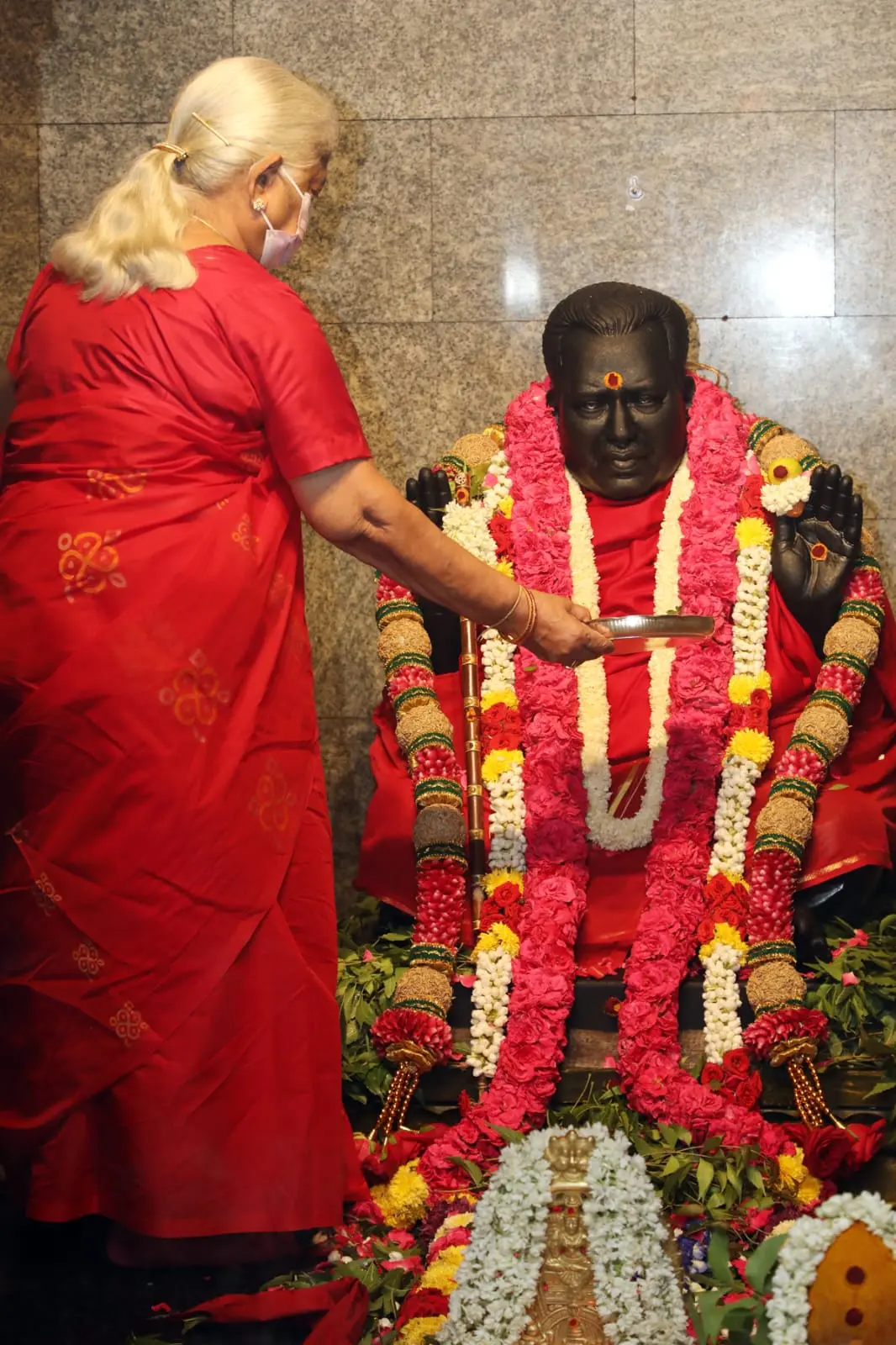
Adhiparasakthi Siddhar Peetam
Adhiparasakthi Siddhar Peetam in Melmaruvathur, Tamil Nadu, is a sacred shrine where 21 Siddhars from various religions attained Jeeva Samaadhi. The temple venerates Adhiparasak…
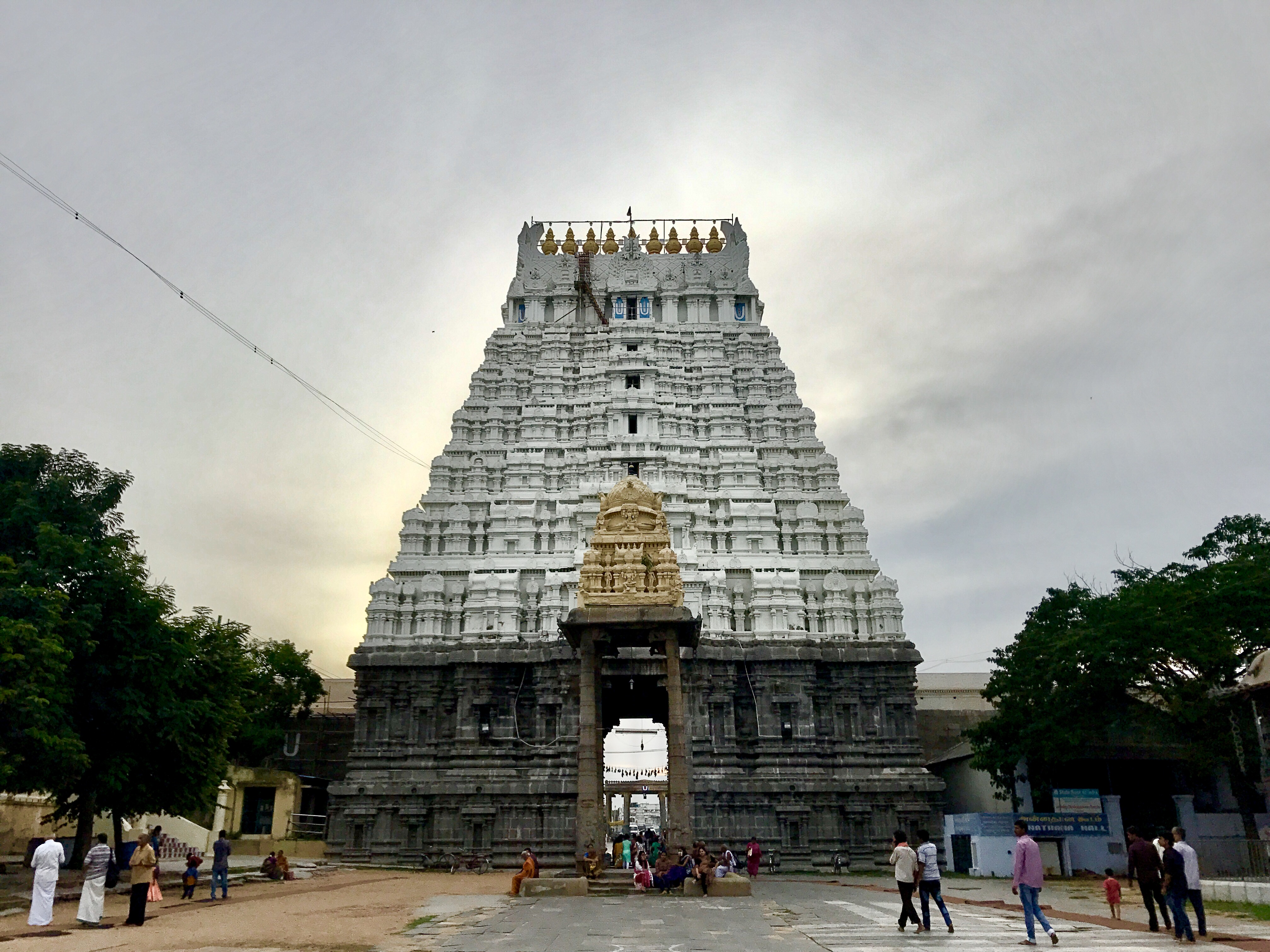
Nallur Sundara Varadharaja Perumal Temple
Nallur Sundara Varadharaja Perumal Temple is a 500-year-old Vaishnavite shrine in Tiruvannamalai, Tamil Nadu, where the presiding deity Sundara Varadharaja Perumal stands in a s…
Sogathur Yoganarasimha Swami Temple
Yoga Narasimhar Temple in Sogathur is an ancient shrine where Lord Narasimha manifests in his peaceful form, known for blessing devotees with solutions to marriage delays and bu…
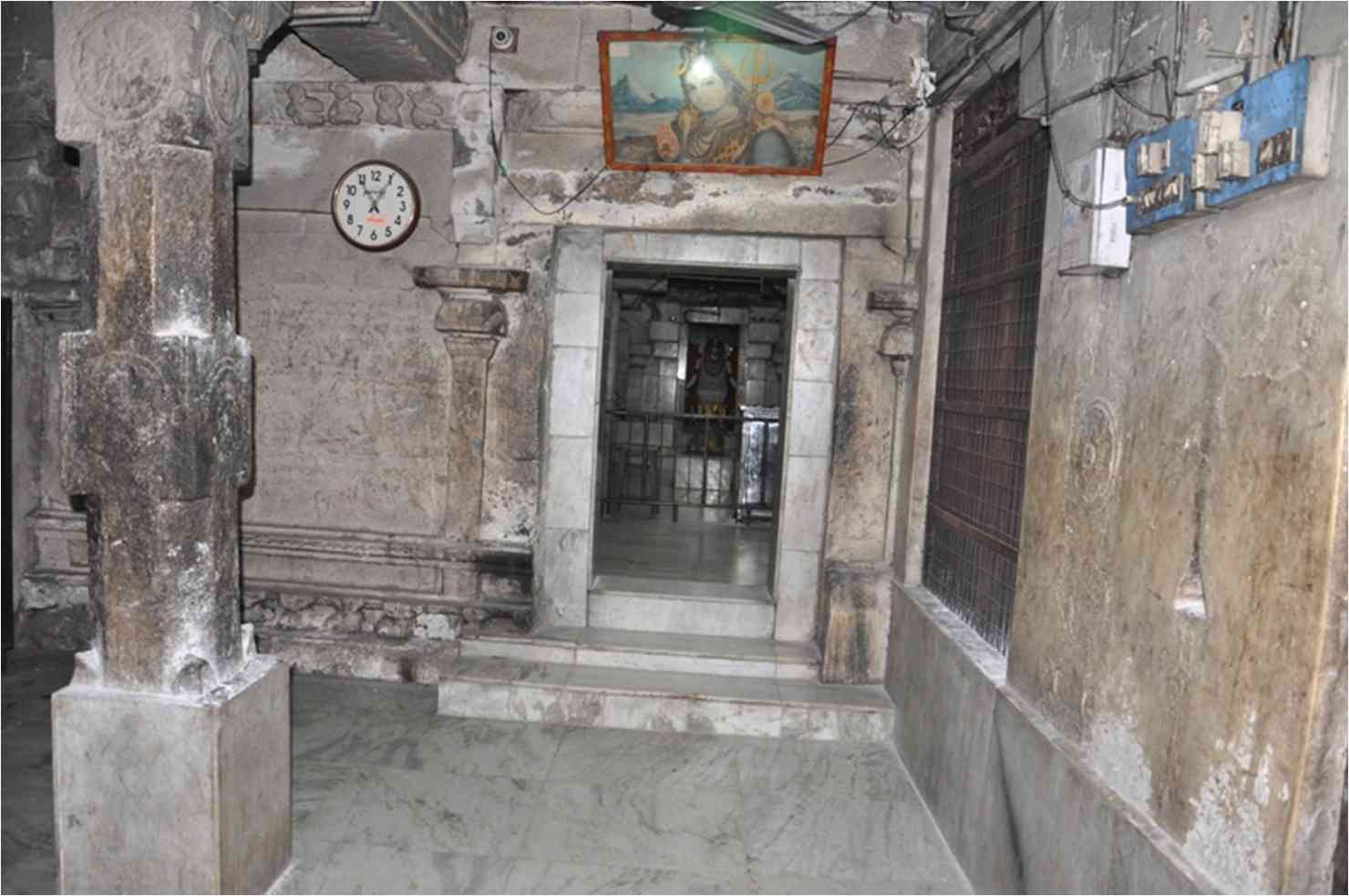
Thinthirineesvarar Temple, Tindivanam
Thinthirineesvarar Temple in Tindivanam is an ancient Shiva shrine whose name derives from the tamarind forests that once covered the region, with origins tracing to the Sangam…

Eri-Katha Ramar Temple
Eri-Katha Ramar Temple in Maduranthakam is an ancient Vaishnavite shrine dedicated to Lord Rama, revered as a protector of the local lake and honored as one of the 108 Abhimana…
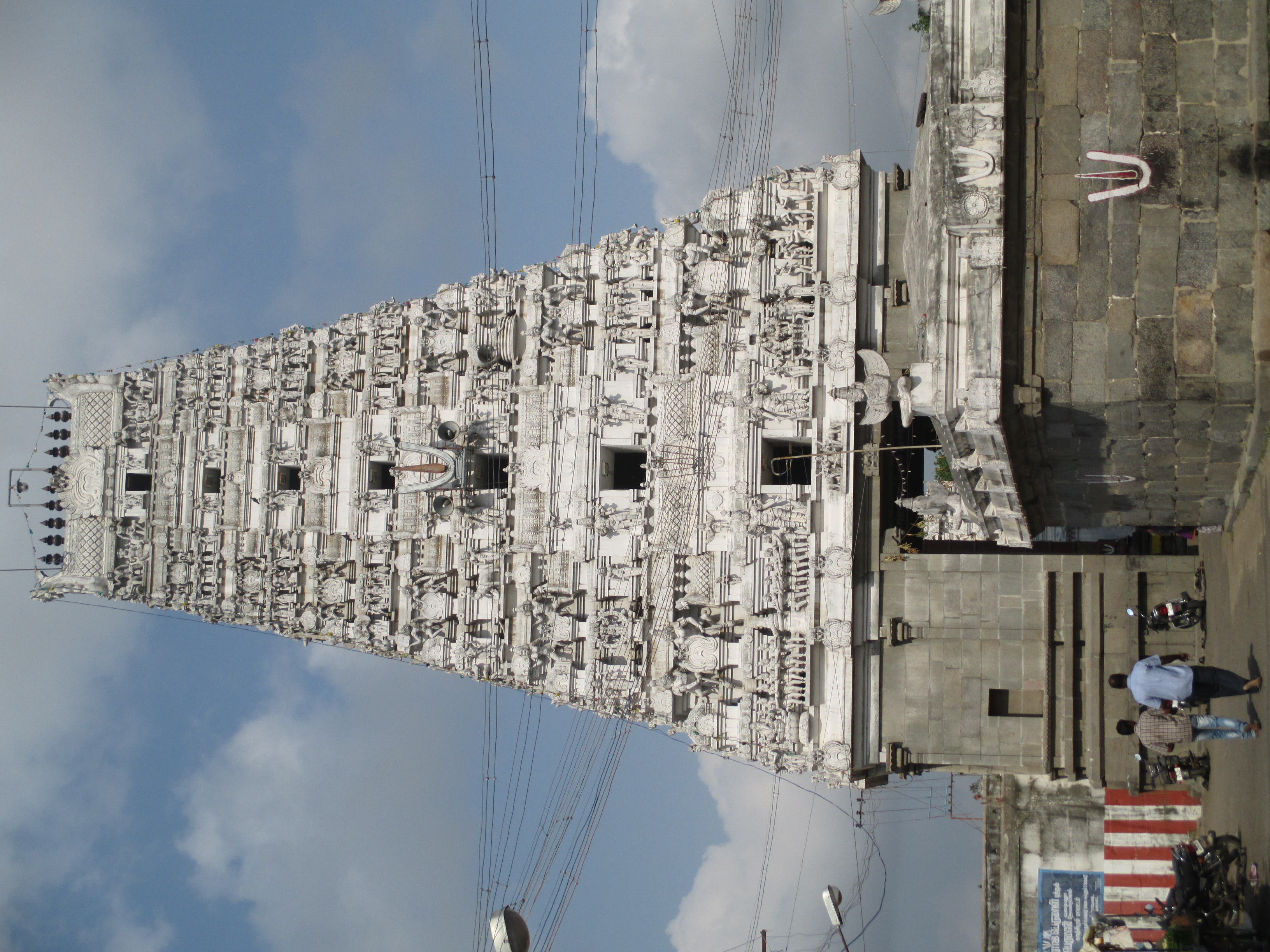
Sundaravarada Perumal Temple
The Sundaravarada Perumal Temple in Uthiramerur, Tamil Nadu, is an ancient Dravidian shrine dedicated to Vishnu, originally constructed by the Pallavas around 750 CE and enhance…