Avanibhajana Pallaveshwaram temple
About Avanibhajana Pallaveshwaram temple
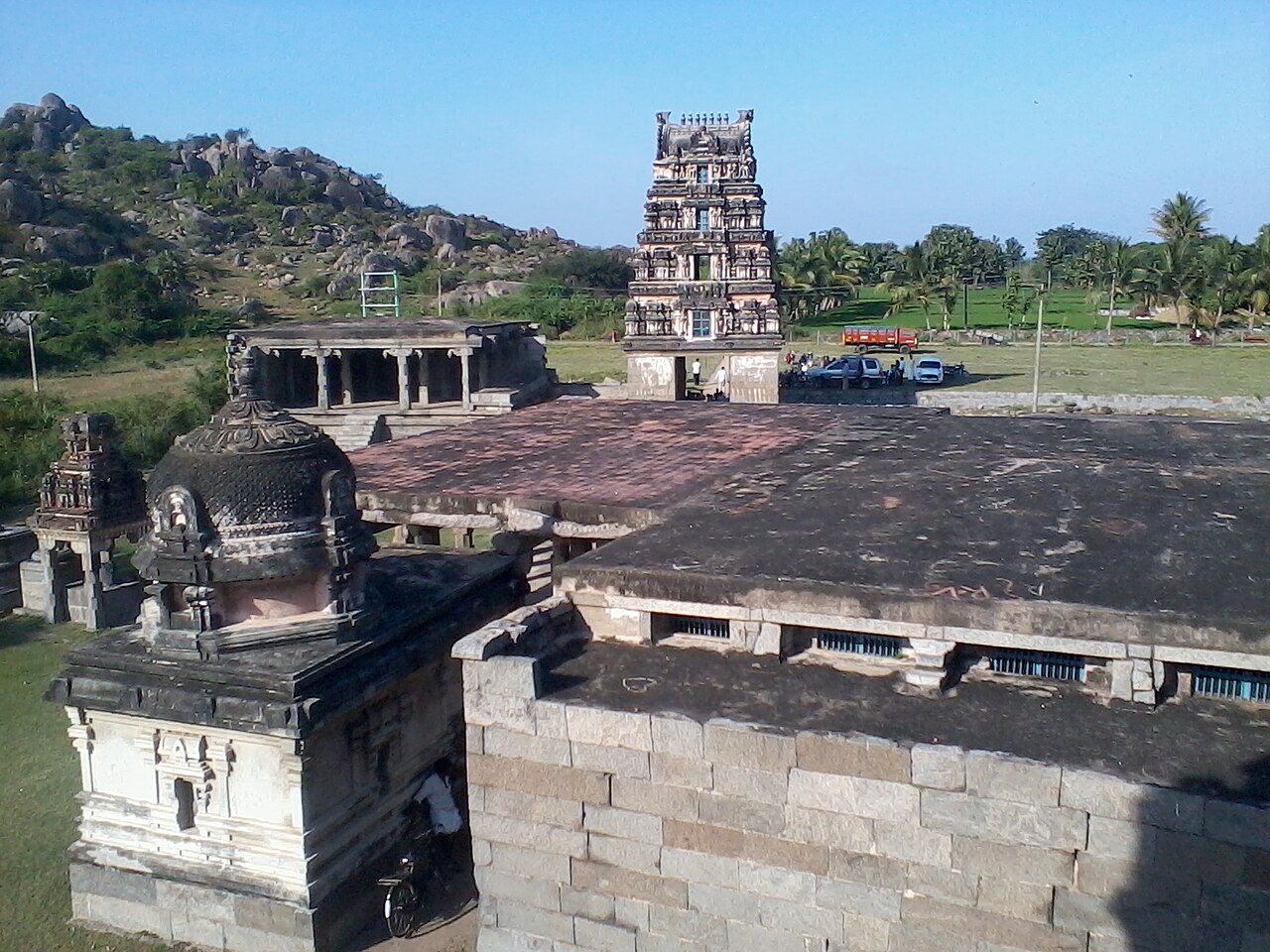
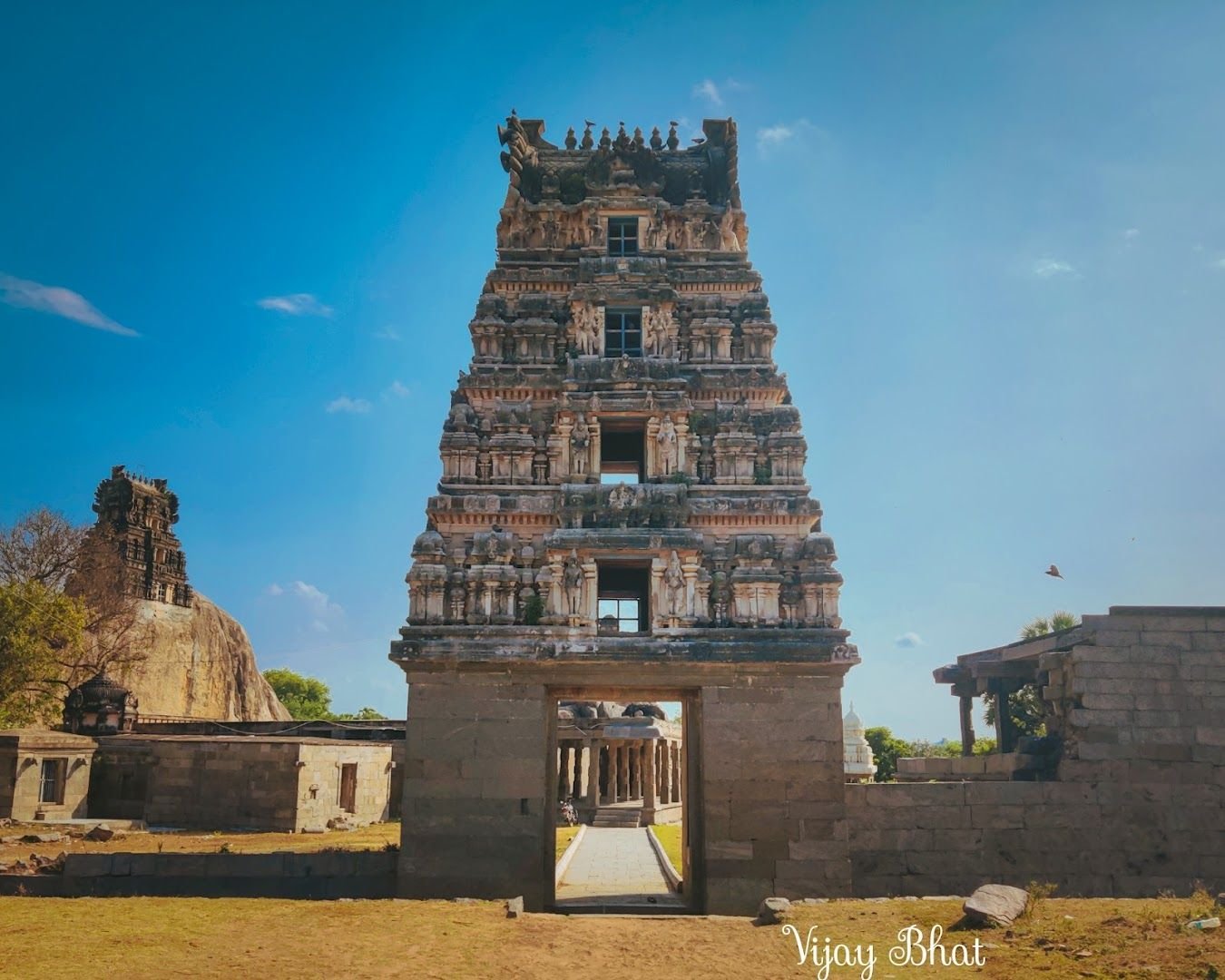
The temple is constructed using rock-cut architecture, a technique in which chambers and sanctuaries are carved directly from natural stone formations. This method, pioneered by the Pallavas, allowed for the creation of permanent, monumental religious spaces without the need for extensive masonry construction. The Avanibhajana Pallaveshwaram temple exemplifies this approach, with its chambers and passages shaped from the living rock. The subsequent additions from Chola and Vijayanagar periods suggest that the original Pallava structure was expanded and refined over time, though the sources do not detail the specific nature of these later modifications. Visitors approaching the site will encounter the layered history of South Indian temple architecture in physical form.
The Nataraja Sculpture
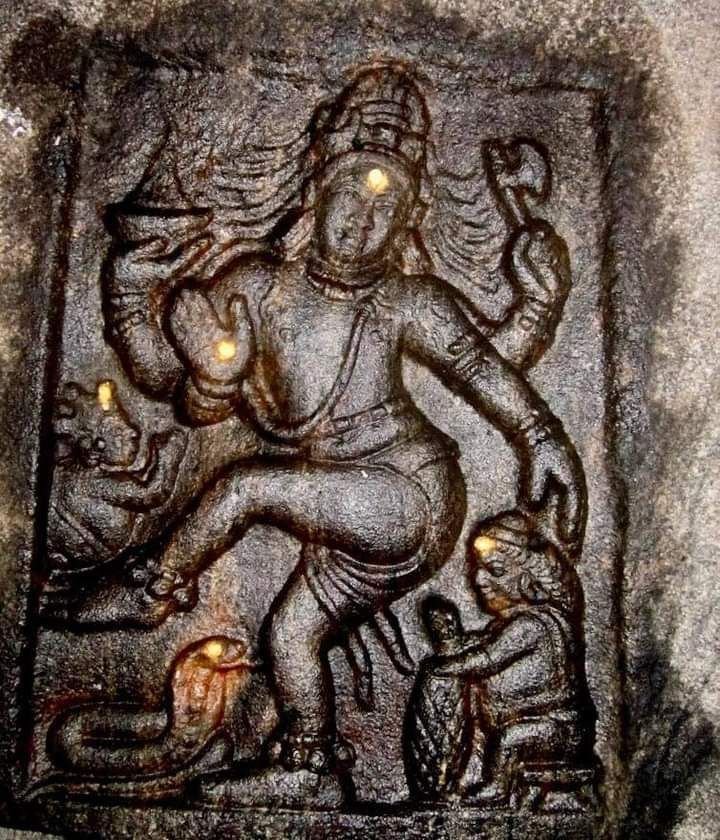
A significant feature of this temple is a Nataraja sculpture—a representation of Shiva in his cosmic dance form. Nataraja, the "Lord of Dance," is one of the most recognizable and philosophically rich iconographic forms in Hindu tradition, symbolizing the eternal cycle of creation, preservation, and dissolution through rhythmic movement. The presence of this sculpture at Avanibhajana Pallaveshwaram indicates the temple's theological emphasis on Shiva's dynamic, transformative power. The specific placement and artistic details of this sculpture within the temple complex reflect the artistic conventions of the Pallava period and later embellishments.
Worship and Religious Observance
The temple is dedicated to Shiva, worshipped here under the name Stambeswarar. Temples devoted to Shiva typically maintain daily worship cycles that include ritual offerings, prayers, and opportunities for devotees to receive darshan—the auspicious viewing of the deity. The specific timings and forms of worship at this temple are not detailed in available sources, so visitors are advised to inquire locally or contact the temple directly before planning their visit. As with most active Hindu temples, devotional practices centre on the sanctum and the presence of the deity, with the surrounding spaces serving as areas for circumambulation and prayer.
Visiting the Temple
The temple is located in Seeyamangalam, within Tiruvannamalai district in Tamil Nadu. The precise coordinates are 12.43111°N, 79.46638°E. Visitors should dress modestly and respectfully, removing footwear before entering the inner sanctum, as is customary in Hindu temples. Photography policies vary by temple; it is courteous to ask permission before photographing the interior or sculptures. The rock-cut nature of the structure means that some areas may involve uneven surfaces or steps, so visitors should wear appropriate footwear for the approach and be prepared for the terrain. Specific information about current opening hours, facilities, or guided tours is not available in the sources provided, so contacting the temple or local tourism authorities in Tiruvannamalai is recommended before visiting.
Reaching Seeyamangalam
Seeyamangalam is situated in Tiruvannamalai district, a region well-connected by road to major towns and cities across Tamil Nadu. The nearest significant city is Tiruvannamalai itself, which serves as a regional hub for pilgrims and travellers. Visitors can reach the area by bus, private vehicle, or taxi from Tiruvannamalai or other nearby towns. The exact distance and travel time from major cities are not specified in the available sources, so local travel guides or online mapping services should be consulted for current route information and journey planning.
How to reach


Temples near Avanibhajana Pallaveshwaram temple
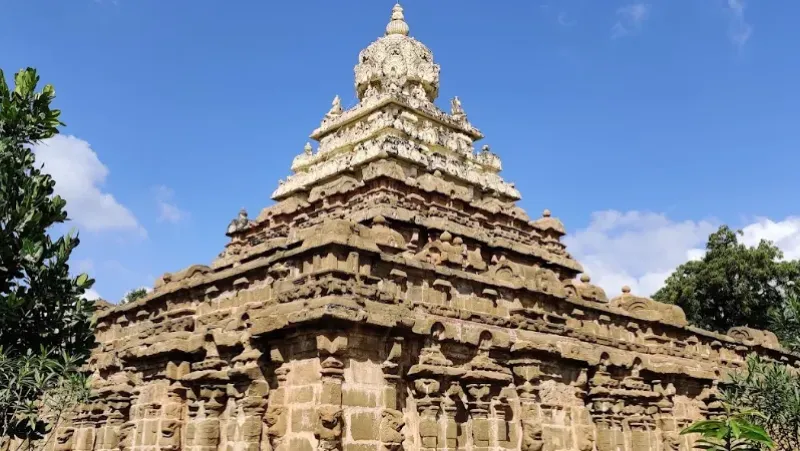
Tiru Parameswara Vinnagaram
Tiru Parameswara Vinnagaram is an 8th-century Pallava-era temple in Kanchipuram dedicated to Vishnu, renowned for its unique three-tier sanctum housing the deity in standing, se…
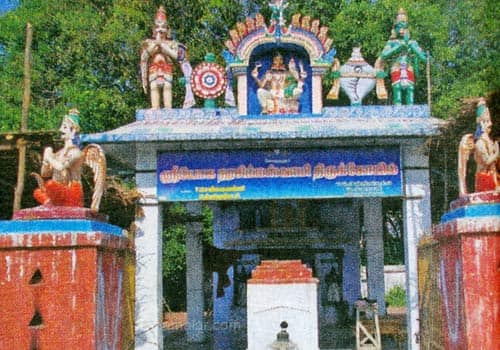
Sogathur Yoganarasimha Swami Temple
Yoga Narasimhar Temple in Sogathur is an ancient shrine where Lord Narasimha manifests in his peaceful form, known for blessing devotees with solutions to marriage delays and bu…
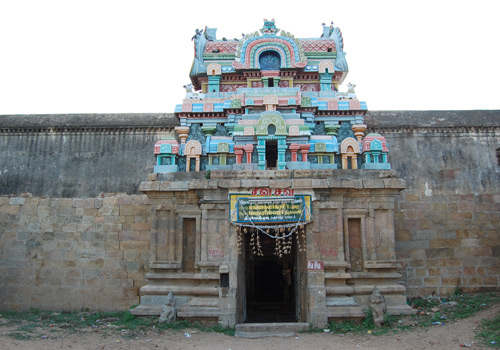
Vedapureeswarar Temple
Vedapureeswarar Temple in Thiruvedhikudi, Thanjavur District, is a Chola-era shrine dedicated to Lord Shiva, revered as a place of marriage blessings and the third temple in the…
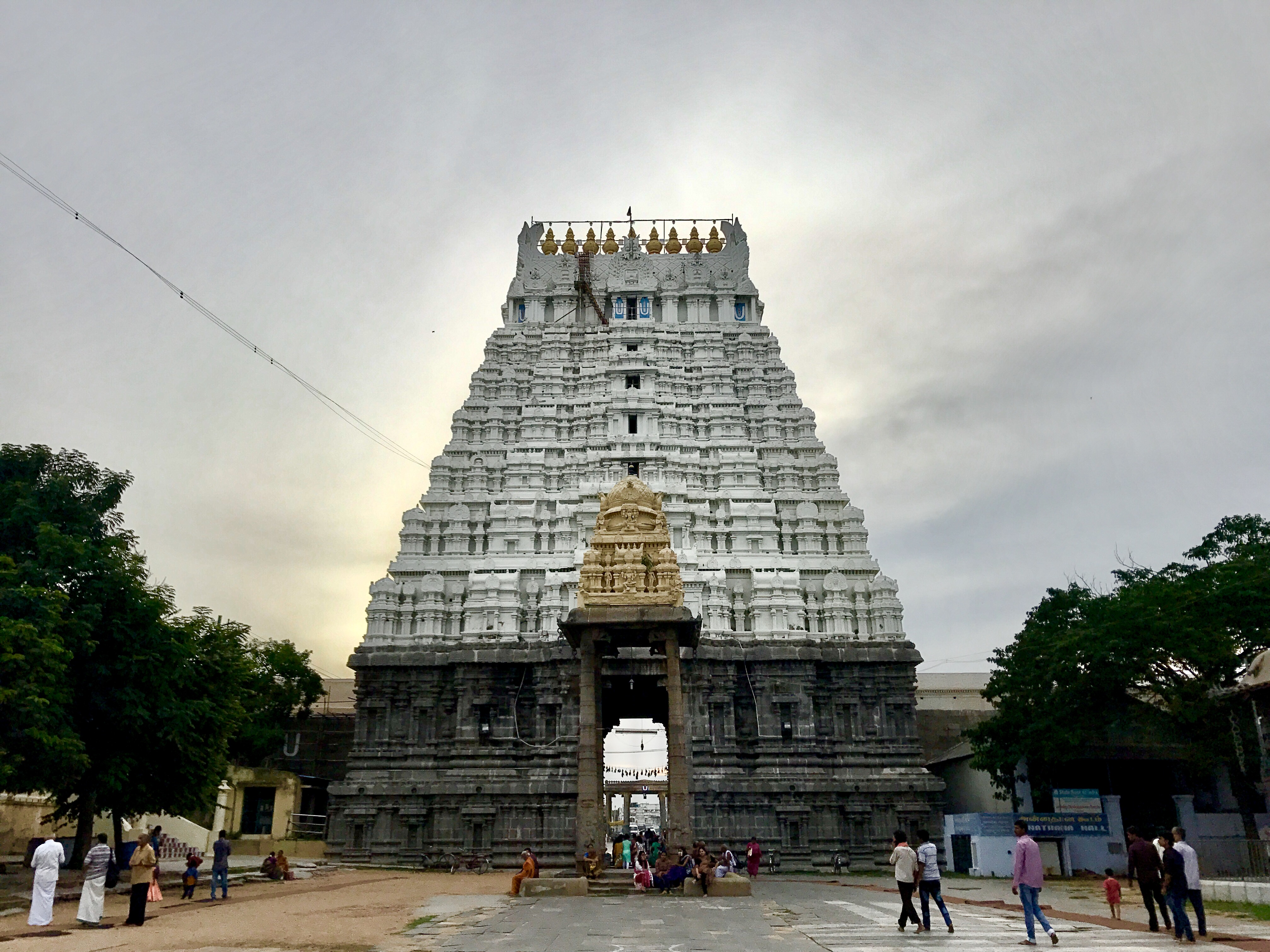
Nallur Sundara Varadharaja Perumal Temple
Nallur Sundara Varadharaja Perumal Temple is a 500-year-old Vaishnavite shrine in Tiruvannamalai, Tamil Nadu, where the presiding deity Sundara Varadharaja Perumal stands in a s…
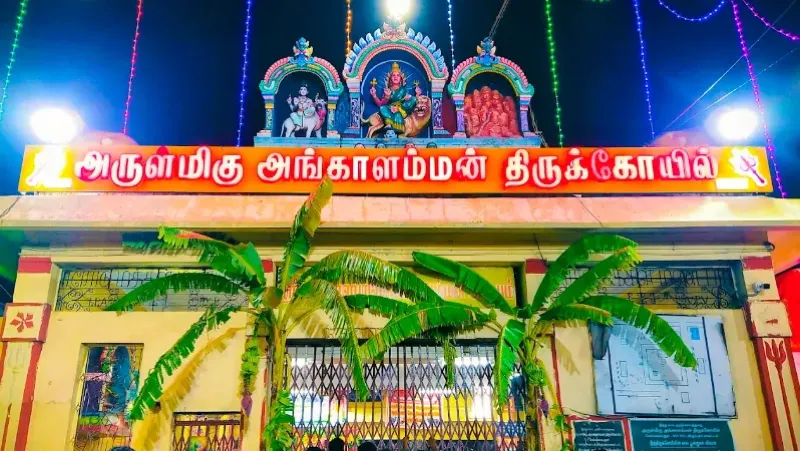
Angalaparameswari Devi Temple, Melmalayanur
Angala Parameswari Temple in Melmalayanur is a revered Shakti shrine dedicated to Goddess Angala Parameswari, a fierce protective form of Parvati, located 32 km from Gingee in V…
Agastheesvarar Temple, Purisai
Agastheesvarar Temple in Purisai is an ancient Shiva shrine over 1000 years old, dedicated to Lord Shiva and associated with the sage Agasthya in Tamil Nadu's southernmost region.