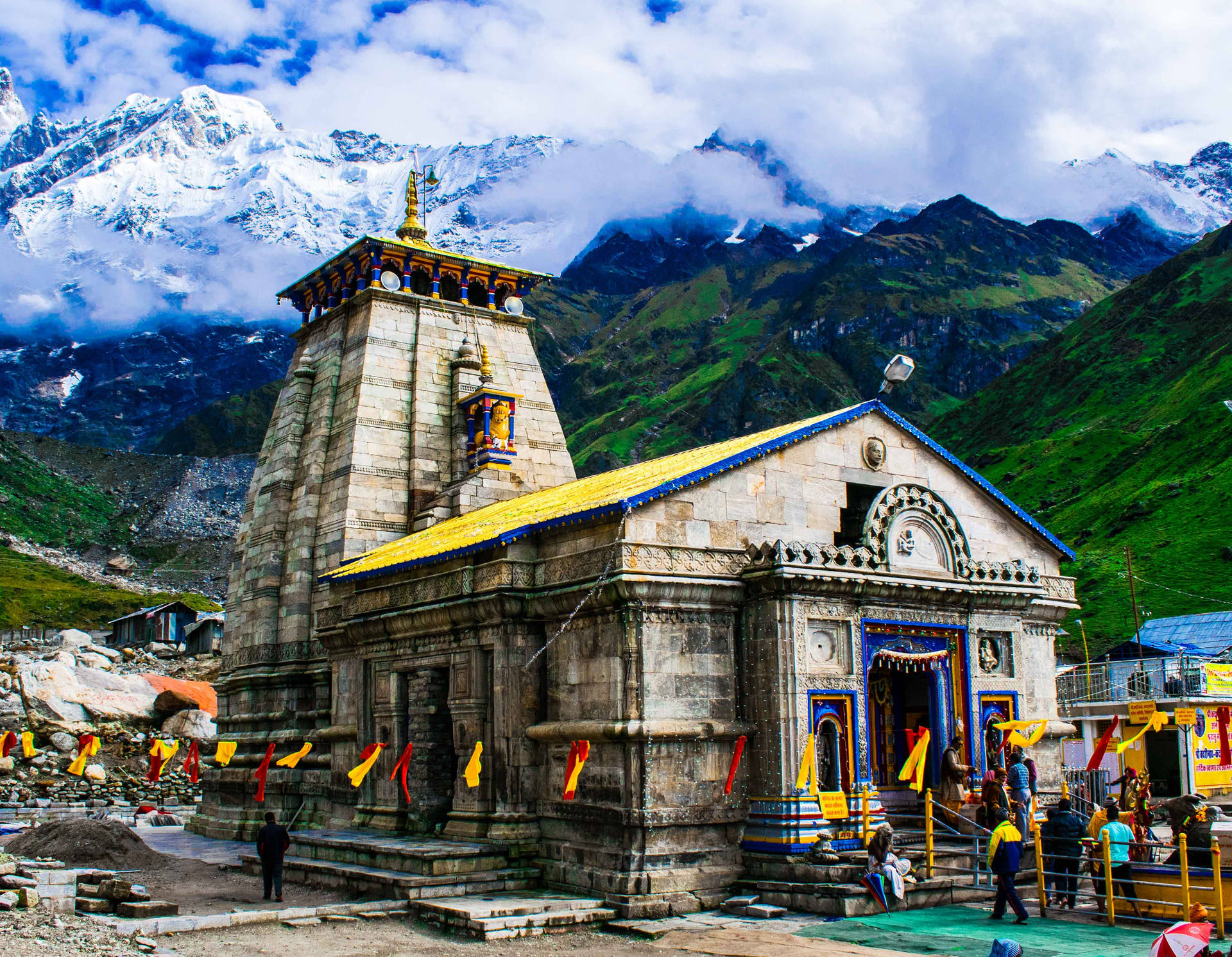
Shri Kedar Temple
About Shri Kedar Temple
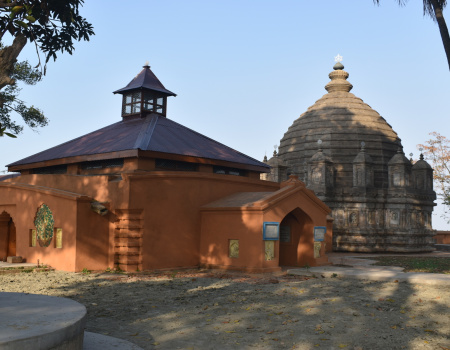
The temple was established in 1753 under the patronage of Ahom King Rajeswara Singha, who commissioned not only the central shrine but also the two walls adjacent to it. This places the temple within the medieval period of Assam's history, when the Ahom kingdom held considerable power in the region. The temple thus represents an important example of Hindu religious architecture from this era in Assam.
The Sacred Site
The temple's location on Madanachala hill gives it prominence within the Hajo landscape. Pilgrims approach the shrine by ascending to the hilltop, a journey that itself forms part of the devotional experience. The hilltop setting offers views across the surrounding terrain and has made this site a destination for those seeking both spiritual practice and the natural setting of a hill temple. Temples dedicated to Shiva in the Himalayan and sub-Himalayan regions of India have long been pilgrimage destinations, and Shri Kedar Temple follows this tradition within Assam.
Worship and Rituals
As a Shiva temple, Shri Kedar follows the ritual practices common to such shrines. The linga is the focus of worship, and devotees typically offer prayers, flowers, water, and other traditional offerings. The central chamber houses the linga, which forms the sanctum of the temple. While specific details of daily rituals at this temple are not documented in available sources, temples of this tradition typically conduct worship at dawn and dusk, with the most significant rituals occurring in the early morning hours.
Visiting the Temple
The temple is situated at coordinates 26.24178, 91.54397 on Madanachala hill in Hajo, Kamrup, Assam. Visitors should be prepared for the climb to the hilltop. Modest dress is appropriate when visiting Hindu temples; visitors typically remove footwear before entering the inner sanctum. The specific opening hours and any entry fees are not documented in available sources, so it is advisable to inquire locally or contact the temple administration before planning a visit. As with most Hindu temples, visitors should approach the shrine with respect and follow any instructions given by temple staff or priests.
Reaching Hajo
Hajo is located in Kamrup district in Assam. The town is accessible by road from Guwahati, the state capital, which has road and rail connections to other parts of India. Local transport options within Hajo can direct visitors to Madanachala hill and the temple. The nearest major city with broader transportation links is Guwahati, approximately 30 kilometres away.
Pilgrimage Significance
Shri Kedar Temple draws pilgrims who come to worship at the Swayambhu linga and to participate in the devotional traditions associated with Shiva worship. The temple's location in Assam, combined with its historical establishment during the Ahom period, makes it a site of regional religious importance. Devotees visit to offer prayers and seek the blessings associated with Shiva worship in this sacred setting.
How to reach
Temples near Shri Kedar Temple
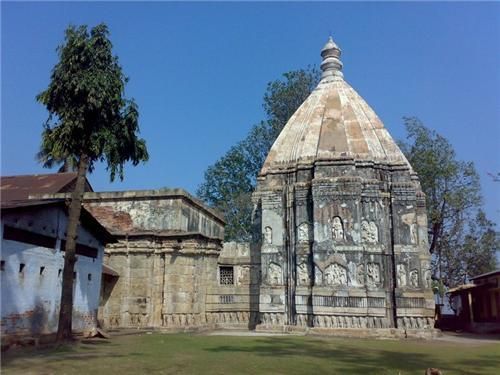
Hayagriva Madhava Temple
Hayagriva Madhava Temple sits atop Manikut hill in Hajo, Assam, approximately 30 km west of Guwahati. This ancient shrine dedicated to Lord Vishnu in his Hayagriva form is rever…

Koliya Krishna Mandir
Hare Krishna Mandir in North Guwahati is a modern Krishna temple situated on the Brahmaputra's north bank, dedicated to Lord Krishna and affiliated with the International Societ…
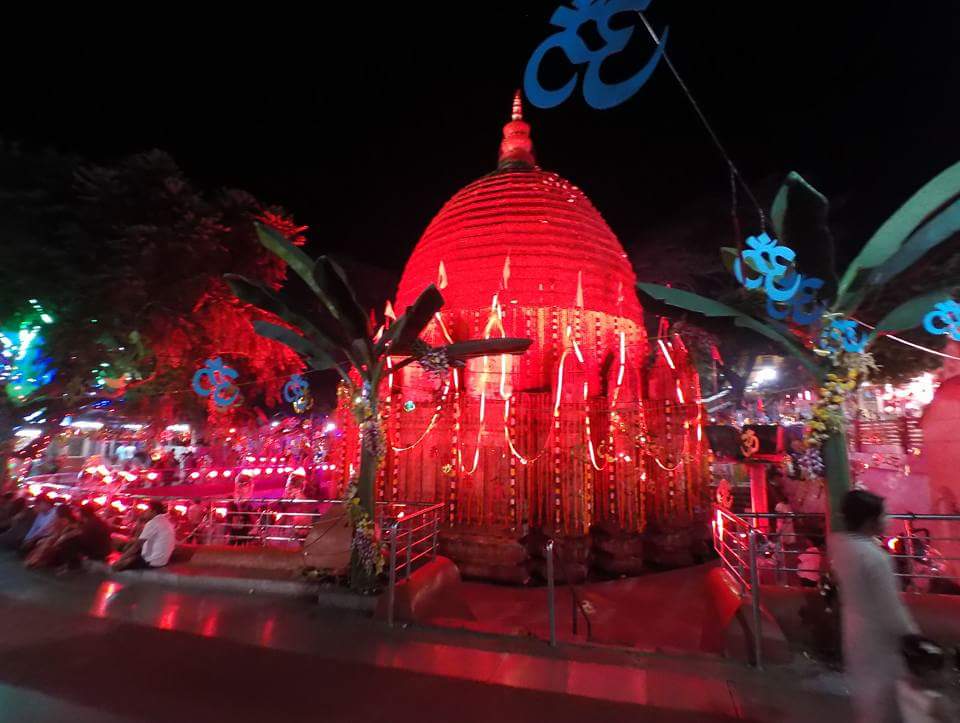
Kamakhya Temple
Kamakhya Temple on Nilachal Hill in Guwahati is one of the oldest and most revered centers of Tantric worship, dedicated to the goddess Kamakhya and recognized as one of the fou…

Rudreswar Temple
The Rudreswar Temple, dedicated to Lord Shiva, stands on the northern bank of the Brahmaputra River in North Guwahati. Built in 1749 by Ahom king Pramatta Singha as a memorial t…
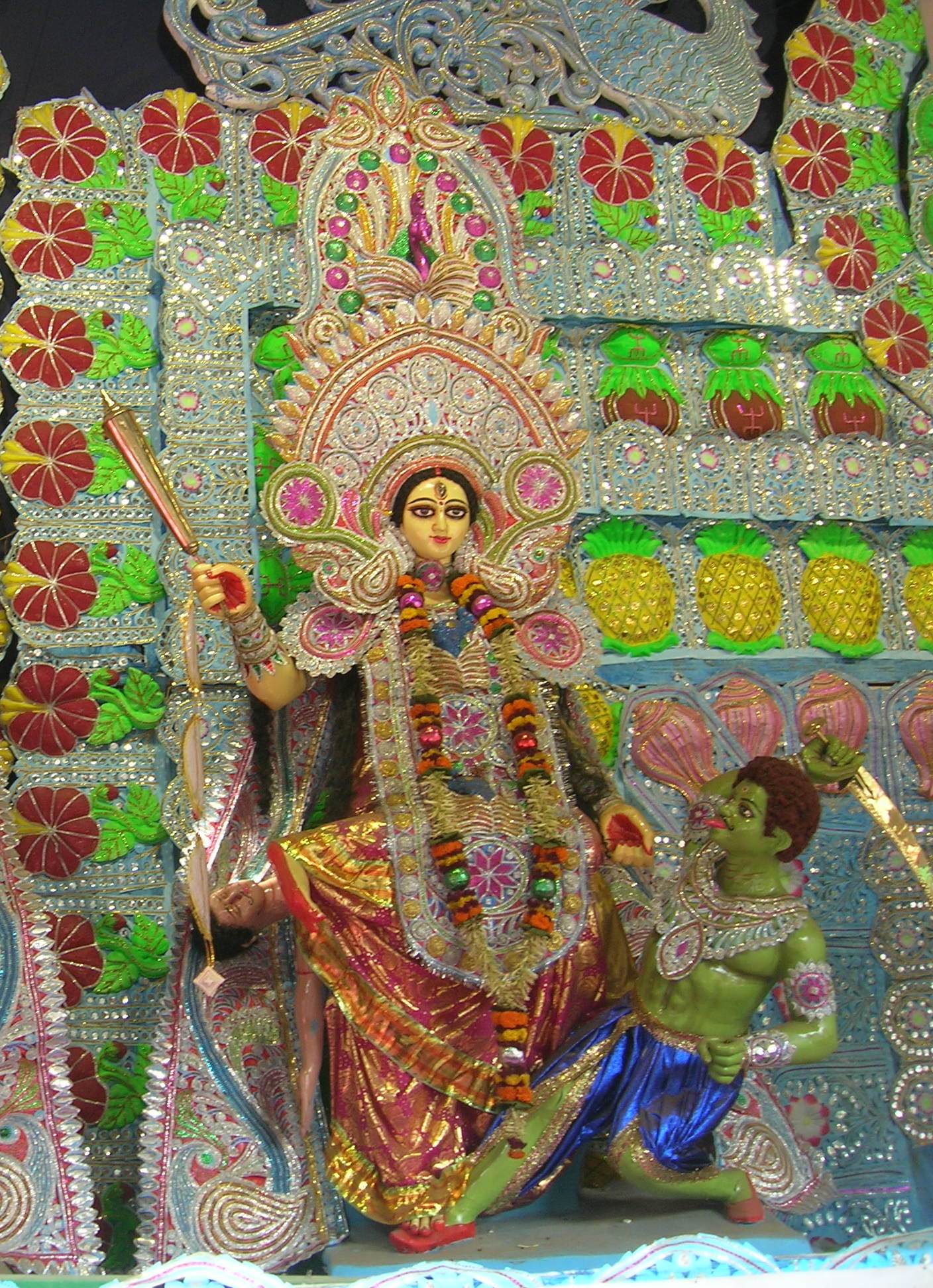
Maa Bagala
Maa Bagala is one of the principal Shakti Peethas enshrined within the Maa Kamakhya temple complex on Nilachal Hill in Guwahati, representing the fierce aspect of the divine fem…
Aswakranta temple
Aswakranta Temple is an ancient Hindu shrine on the banks of the Brahmaputra River in North Guwahati, Assam, built by Ahom King Shiva Singha in 1720 and housing sacred images of…