Kamakhya Temple
About Kamakhya Temple
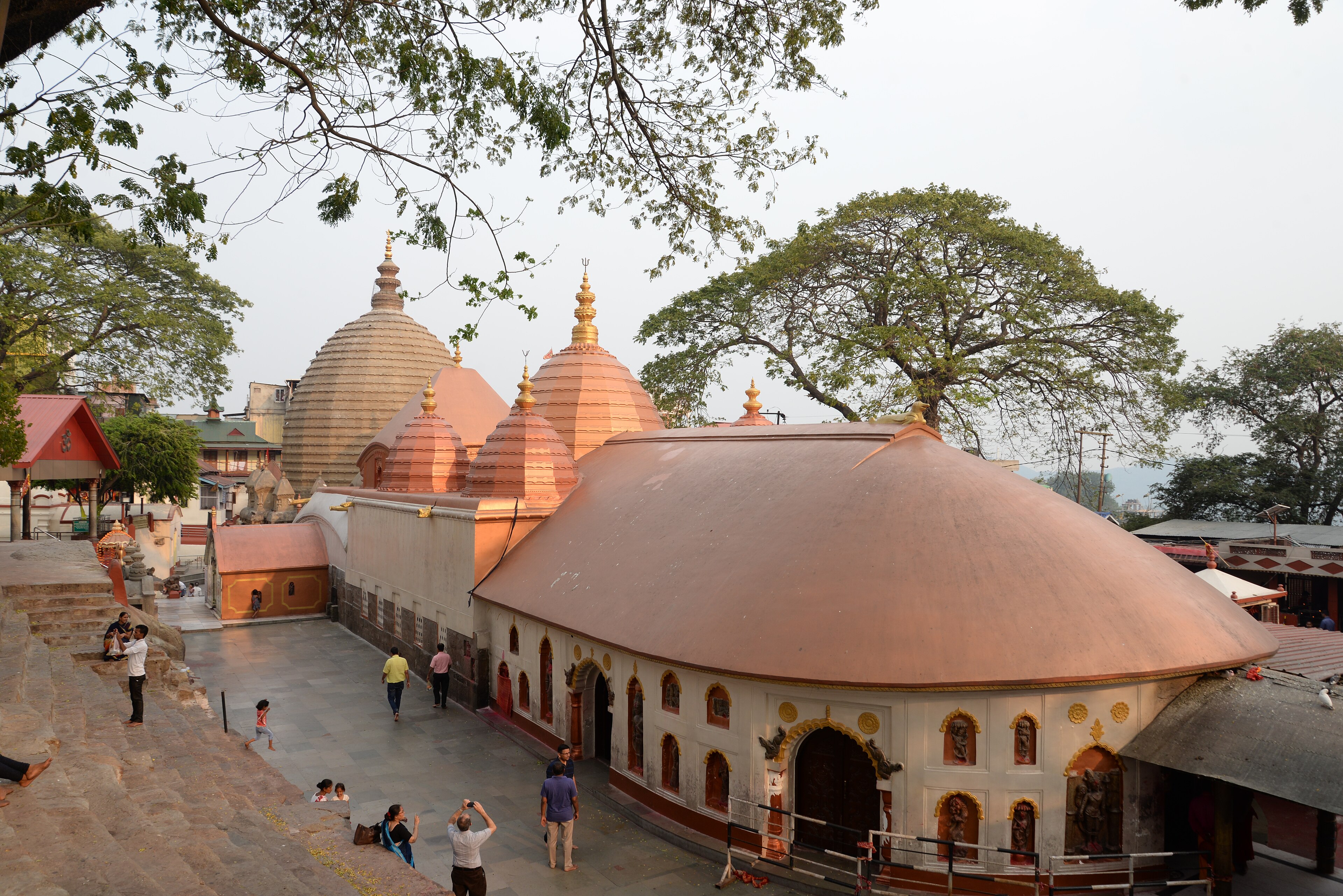
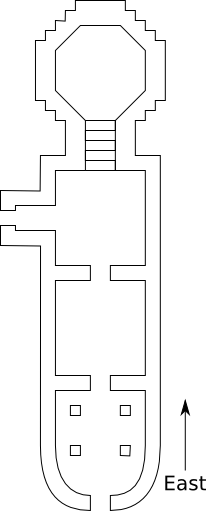
The temple's structural origins date to the 8th or 9th century, placing it among the oldest continuously active Hindu temples in India. Over the centuries, successive rebuildings have modified and expanded the shrine, each layer adding to its physical form. The final architectural style that emerged from these reconstructions is distinctive enough to be recognized as the Nilachal style—a hybrid approach that reflects local Assamese building traditions alongside broader Hindu temple conventions.
For much of its history, Kamakhya remained relatively obscure, known primarily to local worshippers and initiated practitioners. Its transformation into a major pilgrimage destination occurred during the 19th century, particularly among devotees from Bengal, a shift that coincided with the colonial period. This expansion of its reach and reputation continues to shape visitor patterns today.
The Ambubachi Mela
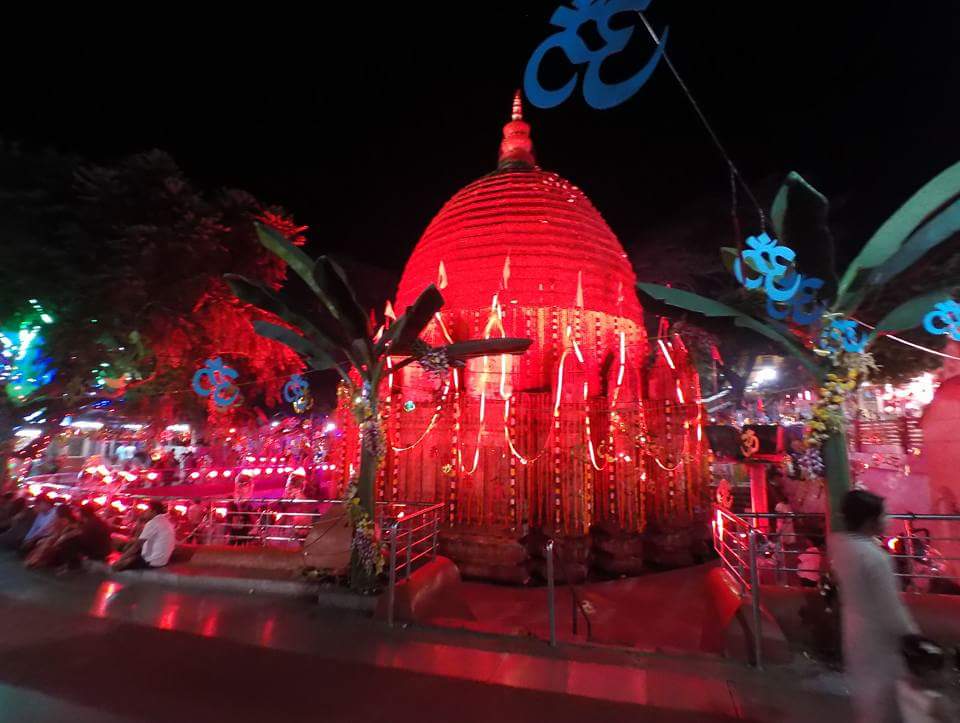
The most significant annual gathering at Kamakhya Temple is the Ambubachi Mela, a festival that celebrates the menstruation of the goddess. During this observance, the temple closes its doors to visitors for a period of days while internal rituals are performed. The festival typically occurs in June, with specific dates varying year to year according to the lunar calendar. In 2026, for example, the temple will close from 23 to 25 June, reopening on the morning of 26 June following ritual purification and daily worship.
The Ambubachi Mela draws enormous crowds of devotees, creating conditions of significant congestion. The temple administration implements special measures during this period, including restrictions on certain darshan facilities and temporary closures of special entry routes. Visitors planning to attend should anticipate extended waiting times and prepare accordingly.
Daily Worship and Darshan
Visitors to Kamakhya Temple come for darshan—the viewing of the deity—which is the primary form of worship available to most pilgrims. The temple offers both general queue access and special darshan options. General queue entry is available without charge, though waiting times vary depending on the day and season. Special darshan facilities are available for a fee, typically 501 rupees, though these are suspended during the heaviest pilgrimage periods such as the Ambubachi Mela.
The temple maintains specific protocols for visitors. Footwear must be removed and left at designated camps located on the approach road before entering the main temple area. This requirement applies to all visitors regardless of their darshan category. Defence personnel have access to dedicated entry routes, though these too are subject to closure during periods of extreme crowding.
Visiting Information and Practicalities
The temple is located at coordinates 26.166426, 91.705509 on Nilachal Hill in Guwahati. Guwahati, the capital city of Assam, is accessible by air, rail, and road from major Indian cities. From Guwahati city center, the temple lies in the western portion of the urban area.
Visitors should be aware that the official temple administration operates only through the website maakamakhya.org and direct contact with temple authorities. Numerous websites and applications falsely claim authorization to conduct online pujas and rituals on behalf of the temple while soliciting money from devotees. These services are not legitimate. Any genuine religious services or information should be obtained through official channels only.
Appropriate dress is expected; visitors should wear modest clothing that covers shoulders and knees. The temple grounds can be crowded, particularly on weekends and during festival periods. Carrying minimal belongings and arriving early in the day generally results in a smoother visit. Visitors should check the official website for current timings, any temporary closures, and festival schedules before planning their visit.
How to reach
Temples near Kamakhya Temple
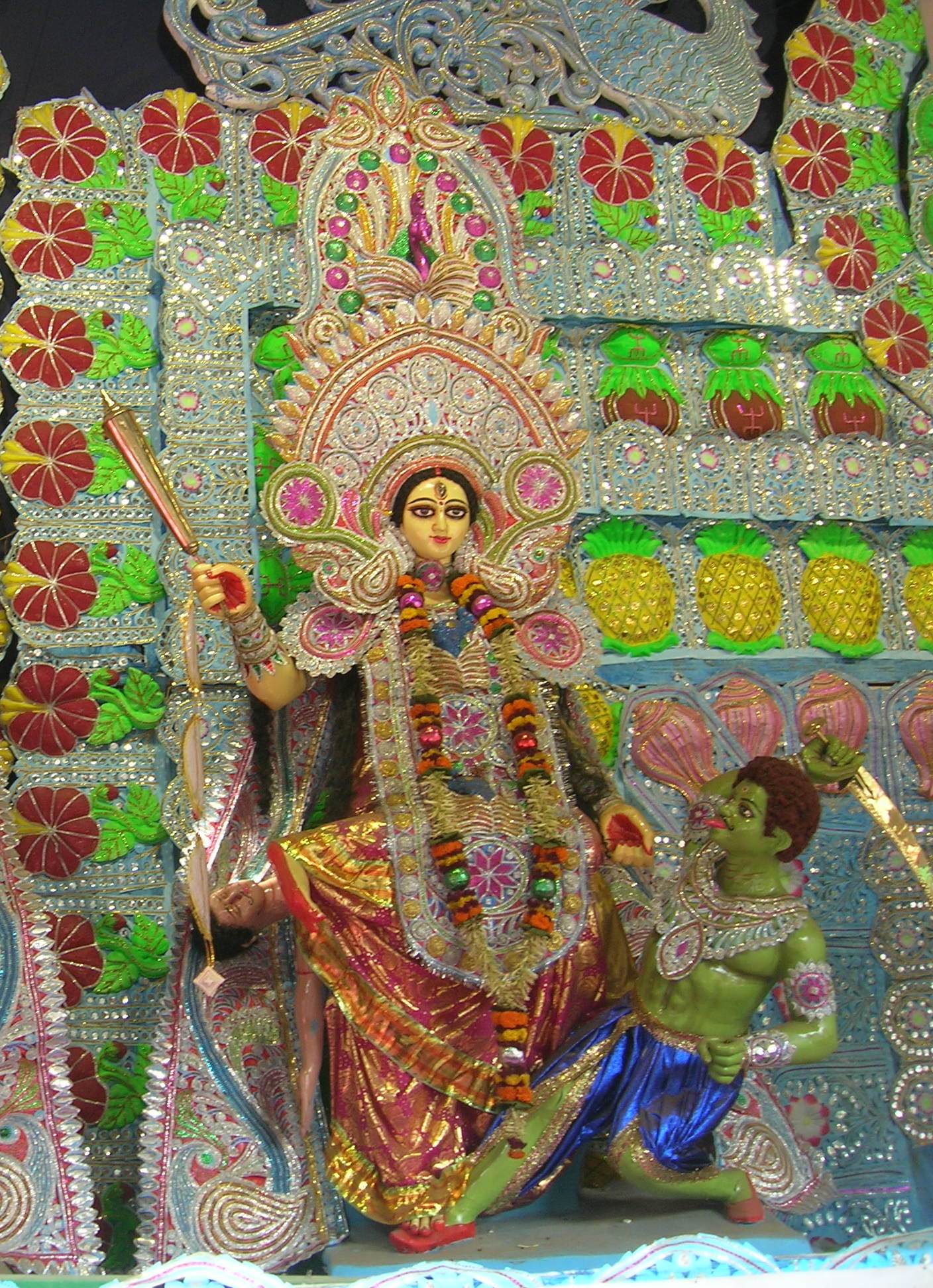
Maa Bagala
Maa Bagala is one of the principal Shakti Peethas enshrined within the Maa Kamakhya temple complex on Nilachal Hill in Guwahati, representing the fierce aspect of the divine fem…
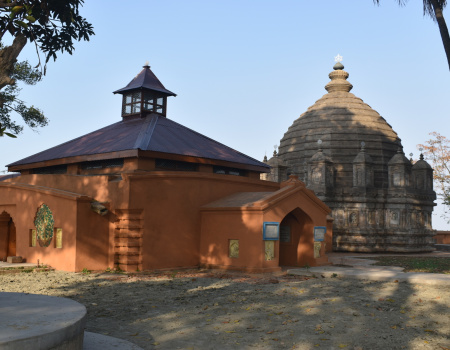
Aswakranta temple
Aswakranta Temple is an ancient Hindu shrine on the banks of the Brahmaputra River in North Guwahati, Assam, built by Ahom King Shiva Singha in 1720 and housing sacred images of…
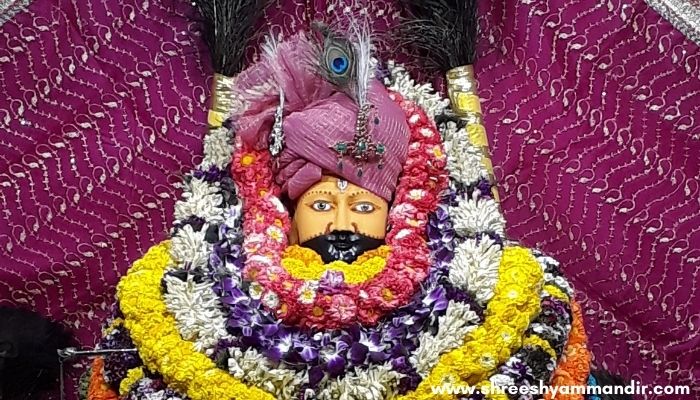
Shree Shyam Mandir, Guwahati
Shree Shyam Mandir in Guwahati's Chatribari district is a community-built temple dedicated to Khatushyamji (Shyam Baba) with multiple shrines to other deities. Established in 20…
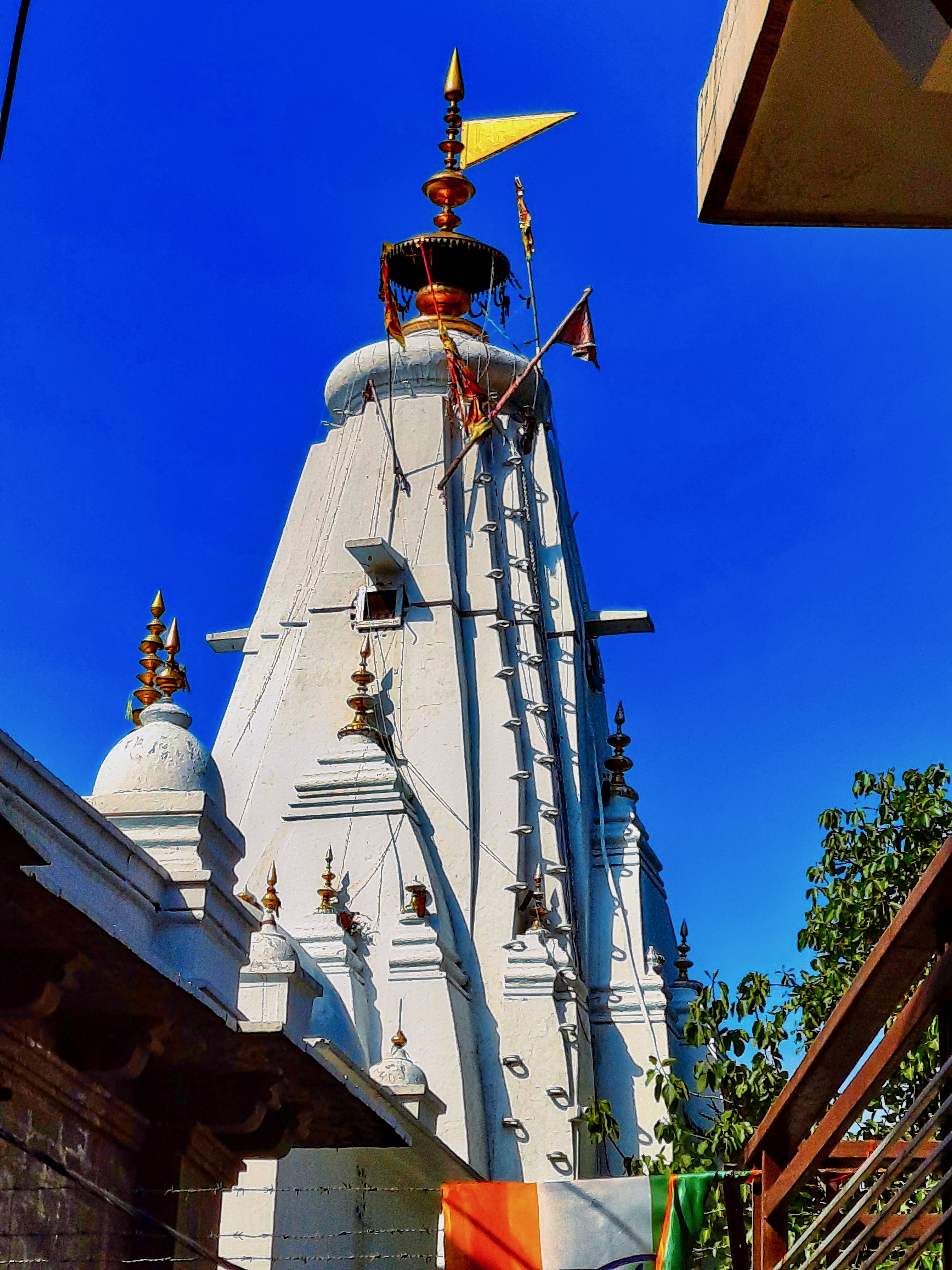
SHIV AND HANUMAN MANDIR
Shiv and Hanuman Mandir in Guwahati is a Hindu temple dedicated to both Lord Shiva and Lord Hanuman, serving as a spiritual center for daily worship and major festival celebrati…
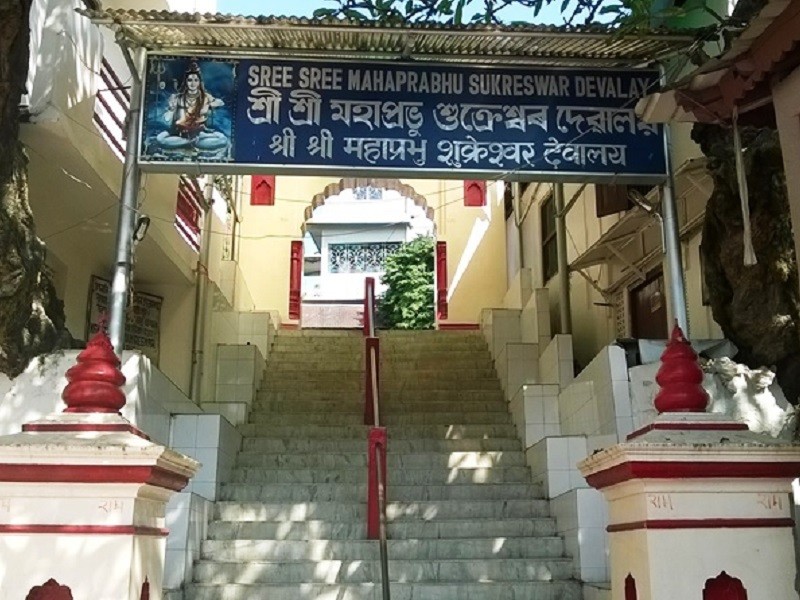
Sukreshwar Mandir
Sukreshwar Mandir is an ancient Shiva temple established in 1744 atop Sukreswar Hill in Guwahati, Assam, renowned for housing one of India's largest Shiva Lingas and serving as…
Nepali Mandir
Nepali Mandir in Guwahati is a 19th-century Shiva temple built by Nepali kings as a replica of the Pashupatinath Temple in Kathmandu, constructed with traditional terracotta, st…