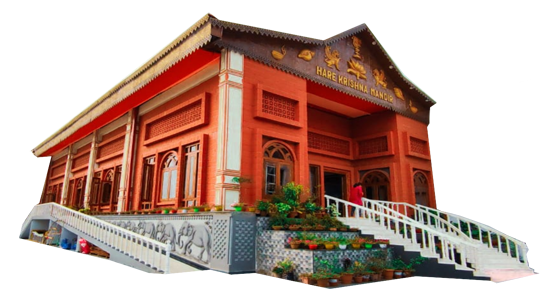

Koliya Krishna Mandir
About Koliya Krishna Mandir
The temple maintains a structured daily schedule centred on multiple aartis (ritual offerings of light and prayer). The morning programme begins at 04:15 with Mangala Arati, followed by Darshan Arti and Guru Puja at 07:15, and a Srimad Bhagavatam class at 08:15. The Raj Bhog Arati occurs at 12:15, after which lunch prasadam (sanctified food) is distributed at 12:30. The temple closes from 13:00 to 16:00. The evening programme reopens at 16:00, with Tulasi Arati and Sandhya Arati at 18:15, a Geeta class at 18:45, dinner prasadam at 19:00, and Sayan Arati (the final arati of the day) at 19:45. The morning programme offers the most extensive spiritual programming and is considered the best time for visitors seeking a fuller experience of the temple's daily rhythms.
Major Festivals
Three festivals structure the temple's annual calendar. Balaram Jayanti, observed in August, celebrates the appearance day of Lord Balaram, Krishna's elder brother. Krishna Janmashtami in September is the most significant festival at the temple, marked by extended observances including kirtan (devotional singing), abhishek (ritual bathing of the deity), darshan, and distribution of prasadam across multiple days. Gaura Purnima honours Chaitanya Mahaprabhu, the 16th-century saint revered in the Vaishnava tradition for his role in spreading Krishna devotion. The temple also observes Govardhana Puja in October–November and Deepotsava (the Festival of Lights) during the month of Kartika. Specific ritual details and exact dates vary from year to year, so devotees planning to visit during a festival should contact the temple in advance for current schedules.
Community Service and Outreach
Beyond daily worship, the temple operates several service initiatives rooted in the principle of seva (selfless service). The Gokul School provides holistic education to young people. Annadanam Seva distributes prasadam to those in need, embodying the temple's vision of offering Krishna's mercy through abundant food. A satvik (pure, vegetarian) food distribution kiosk operates at AIIMS Guwahati hospital. The temple also organises Narasimha Havan (fire ritual) services and Ekadashi observances, through which devotees can contribute to the temple's functioning and receive blessings. These initiatives reflect the broader Vaishnava emphasis on service as a spiritual practice.
Visiting Information
The temple is located at Hare Krishna Mandir Marg, Ghorajan, near IIT Guwahati, North Guwahati, Assam 781031 (coordinates: 26.1103264, 91.6054781). Visitors can contact the reception desk at +917099039770 or +919678007302 for directions and current information. The morning programme (04:15–08:30) offers the most extensive programming including classes and extended darshan opportunities. Prasadam is distributed at lunch (12:30) and dinner (19:00), allowing visitors to participate in this aspect of temple practice. The temple closes during the afternoon (13:00–16:00), so plan accordingly. Temples of the Vaishnava tradition typically request that visitors dress modestly and remove footwear before entering the sanctum. Devotees of Krishna consciousness traditionally chant the Hare Krishna mantra and participate in kirtan; visitors are welcome to observe or join as they feel comfortable.
Contact and Support
For further information, contact the temple at [email protected] or visit the temple website at hkmguwahati.org. The temple accepts donations to support its daily operations, construction projects, educational initiatives, and food distribution programmes. Donors can contribute online through the temple website and may be eligible for tax benefits under applicable Indian regulations.
How to reach
Temples near Koliya Krishna Mandir

Bhimeswar Dham
Bhimeswar Dham is a sacred Hindu shrine on Dakini Hill near Pamohi in Guwahati, Assam, where devotees believe Lord Shiva manifested to vanquish the demon Bhimasura. The temple f…
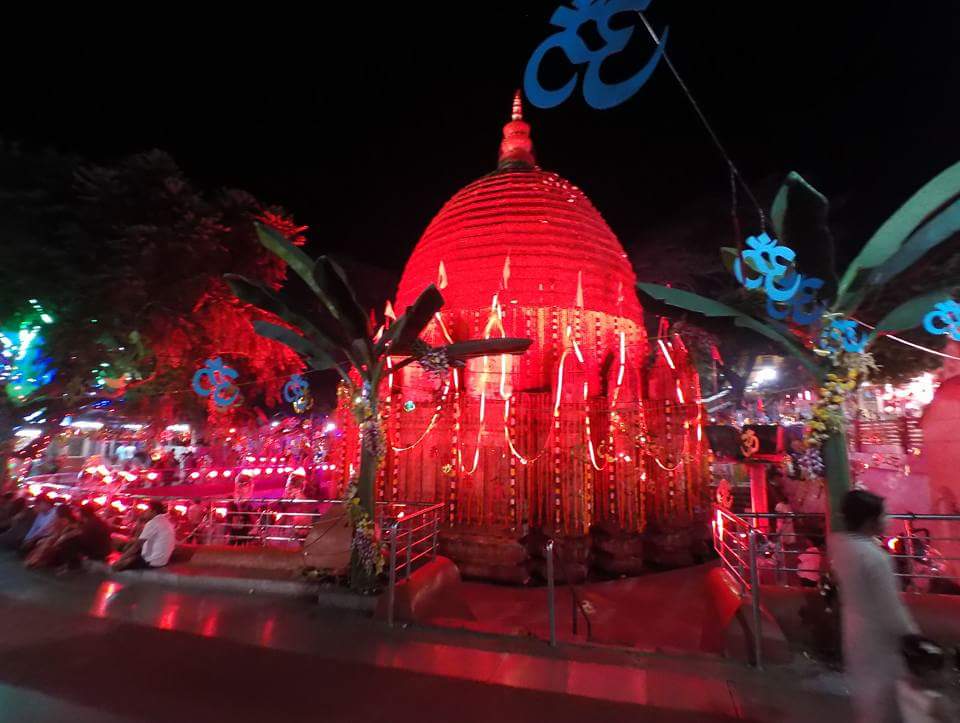
Kamakhya Temple
Kamakhya Temple on Nilachal Hill in Guwahati is one of the oldest and most revered centers of Tantric worship, dedicated to the goddess Kamakhya and recognized as one of the fou…
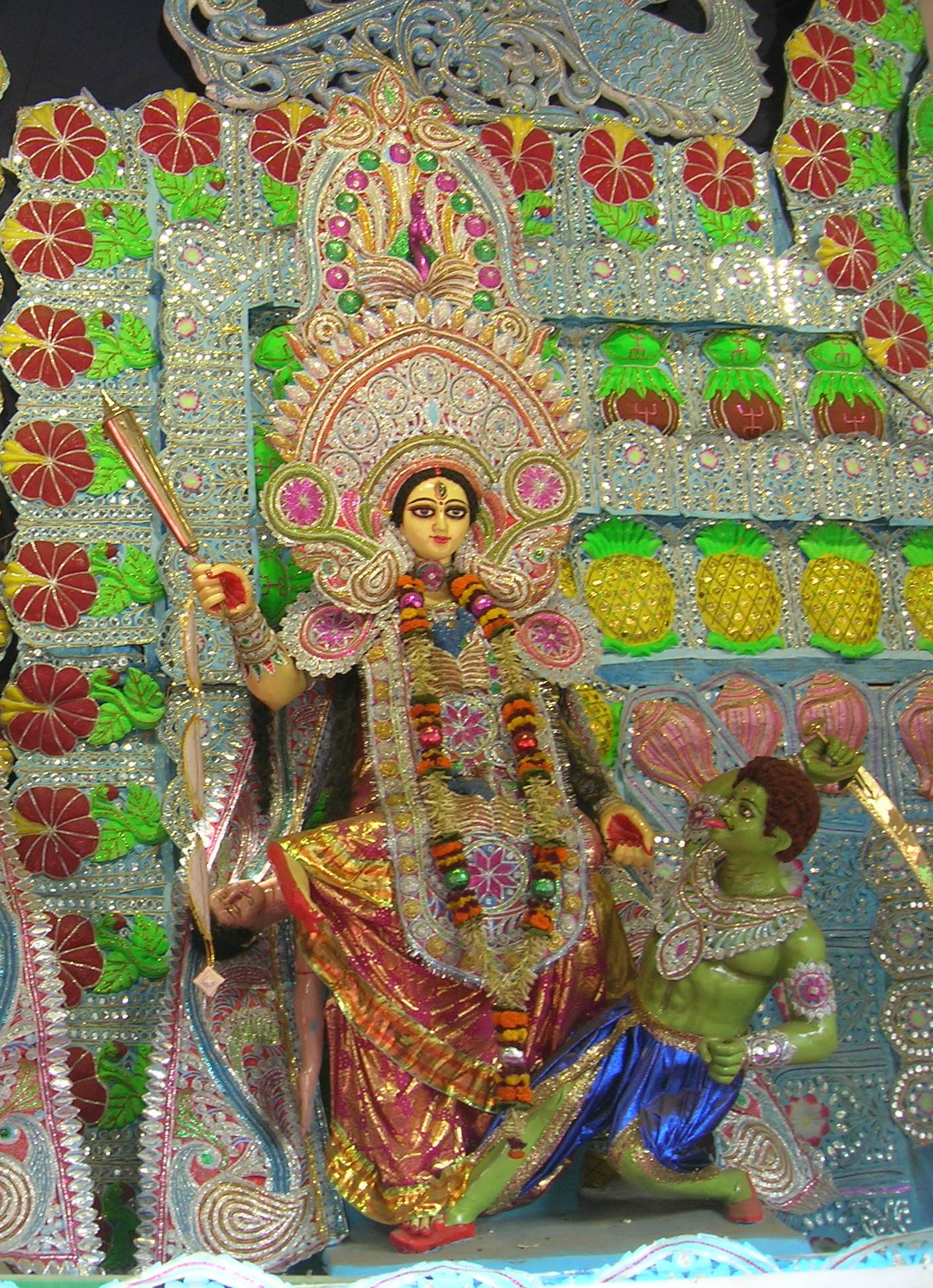
Maa Bagala
Maa Bagala is one of the principal Shakti Peethas enshrined within the Maa Kamakhya temple complex on Nilachal Hill in Guwahati, representing the fierce aspect of the divine fem…
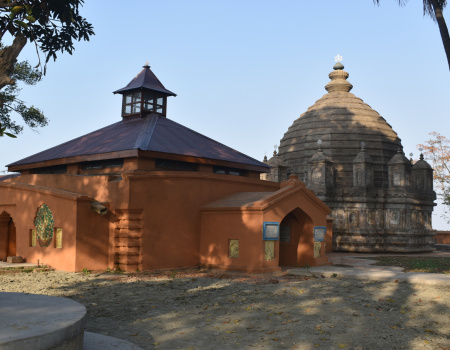
Aswakranta temple
Aswakranta Temple is an ancient Hindu shrine on the banks of the Brahmaputra River in North Guwahati, Assam, built by Ahom King Shiva Singha in 1720 and housing sacred images of…
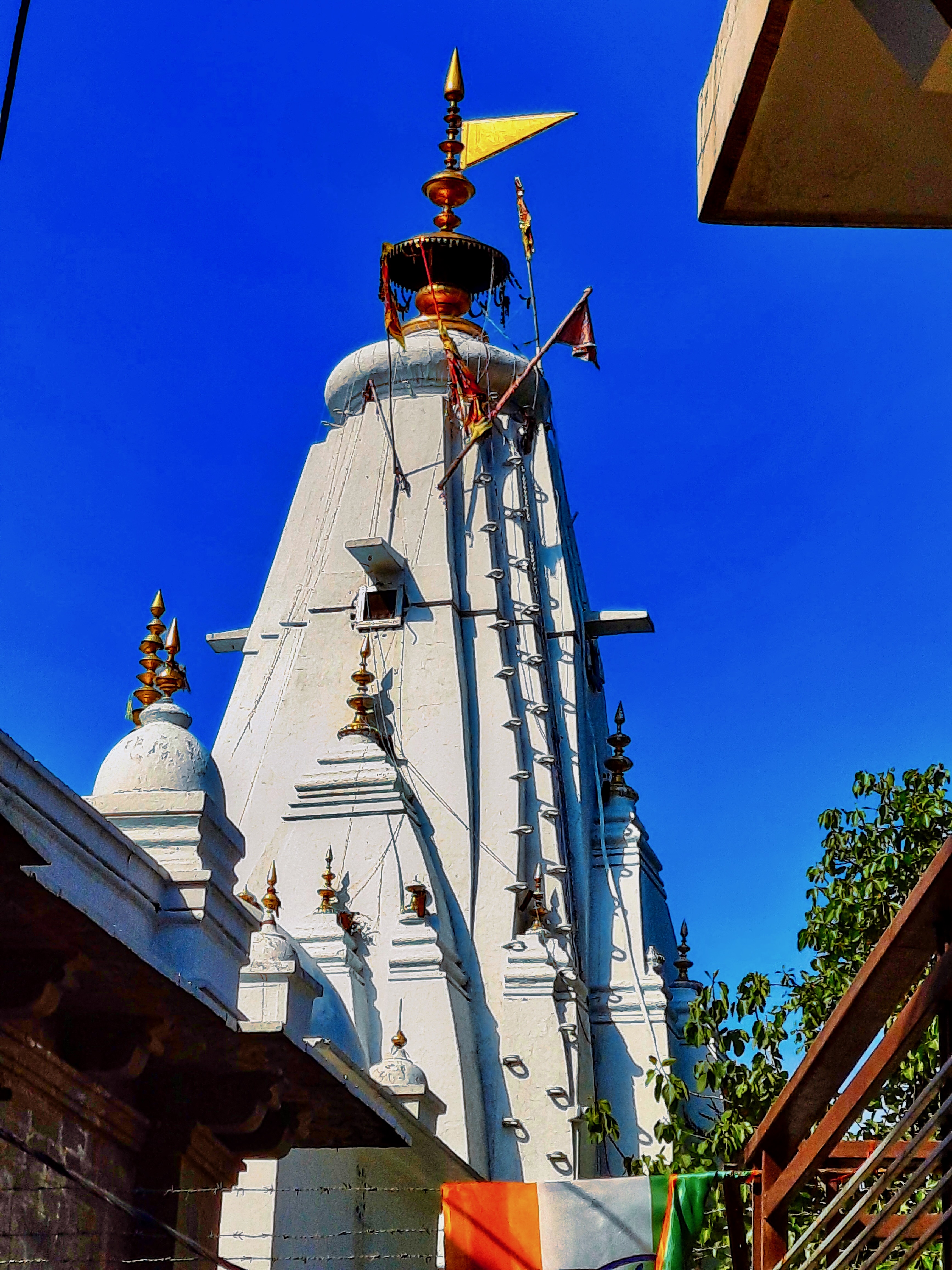
SHIV AND HANUMAN MANDIR
Shiv and Hanuman Mandir in Guwahati is a Hindu temple dedicated to both Lord Shiva and Lord Hanuman, serving as a spiritual center for daily worship and major festival celebrati…
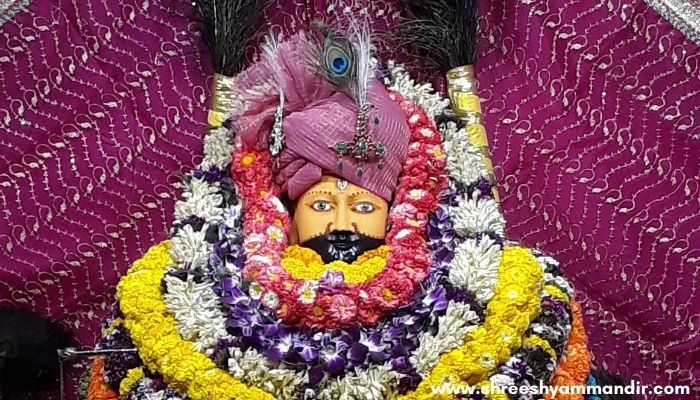
Shree Shyam Mandir, Guwahati
Shree Shyam Mandir in Guwahati's Chatribari district is a community-built temple dedicated to Khatushyamji (Shyam Baba) with multiple shrines to other deities. Established in 20…