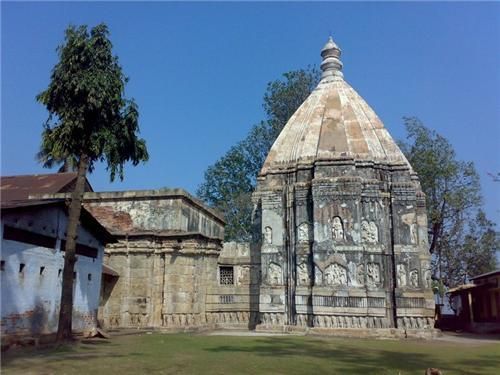
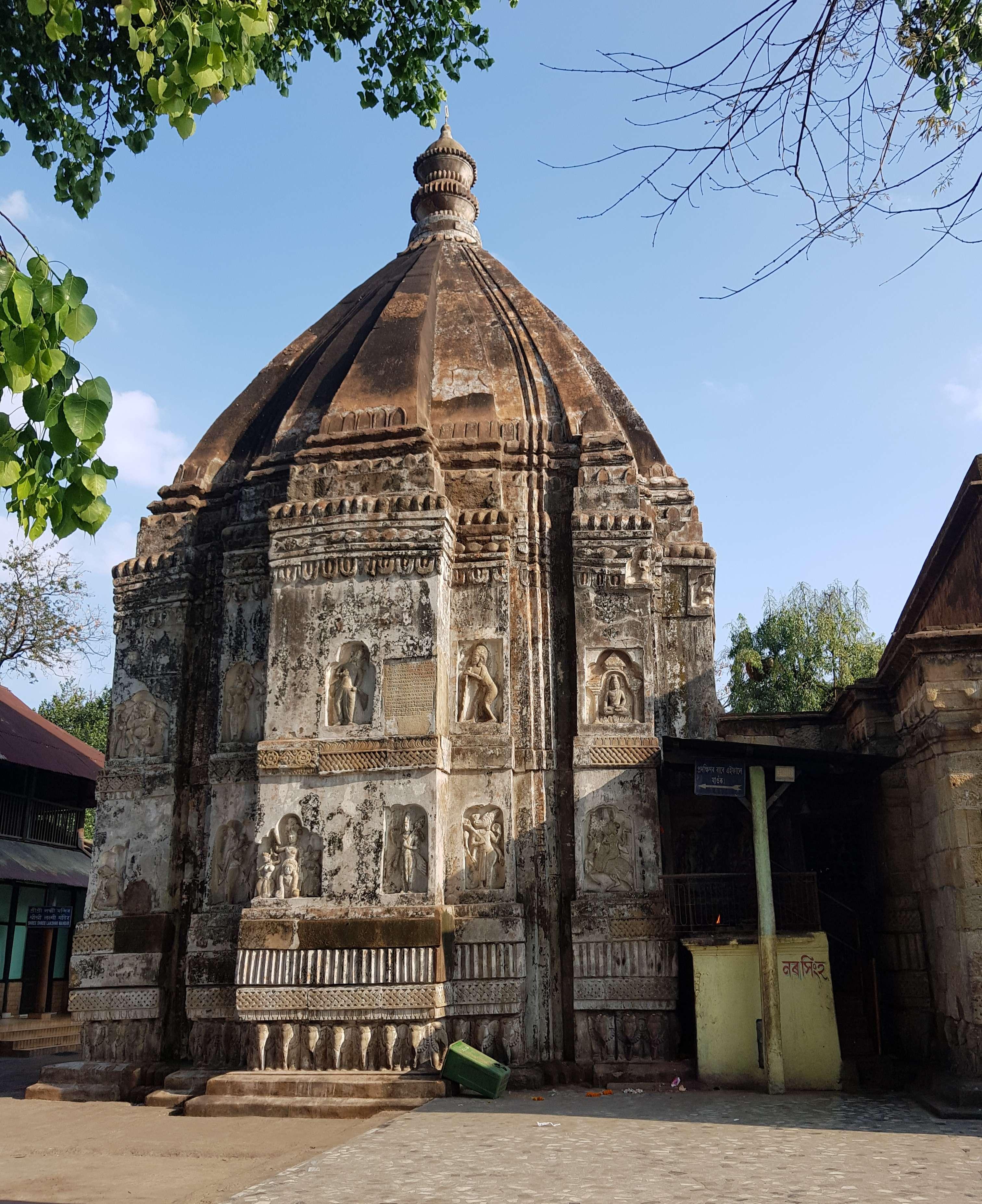
Hayagriva Madhava Temple
About Hayagriva Madhava Temple
The temple maintains two darshan periods each day. Morning darshan runs from 6:00 AM to 12:00 PM, while evening darshan operates from 4:00 PM to 9:00 PM. Both morning and evening aartis are performed, marking the principal ritual moments of the day when the deity is formally worshipped and the community gathers.
Visitors should confirm exact timings before arrival, as schedules may shift with seasonal changes and festival observances. The dual darshan windows allow flexibility for those travelling from Guwahati or nearby areas, though the morning period may be preferred by those seeking a quieter experience.
Best Time to Visit
The optimal season for visiting extends from October through March. During these months, Assam's climate is cooler and more comfortable for travel and outdoor activities. The monsoon season and summer heat make the other months less suitable for pilgrimage, particularly for those unaccustomed to the region's weather patterns.
Visitors planning their journey should factor in local festivals and observances, which may affect darshan schedules and temple accessibility. Advance enquiry about any special observances during your intended visit dates is advisable.
Reaching the Temple
The temple's location on Manikut hill in Hajo places it within reasonable reach of Guwahati, the major urban centre of Assam. The coordinates 26.2427°N, 91.5265°E can be used for navigation purposes. Those travelling by road from Guwahati should allow time for the journey westward to Hajo, and visitors should be prepared for the climb to the hilltop location.
Local transport options and accommodation arrangements can be coordinated through temple contacts or local tourism services. Given the temple's significance to the region, basic facilities for pilgrims are typically available, though visitors should confirm specific amenities in advance.
Visiting Etiquette and Preparation
As a Hindu temple, standard practices of respectful conduct apply. Visitors should dress modestly, covering shoulders and knees. Footwear is typically removed before entering the inner sanctum, though practices may vary—observe what other devotees do upon arrival. Photography policies should be confirmed at the temple entrance, as restrictions may apply in certain areas.
The hillside location means visitors should wear comfortable walking shoes for the ascent. Carrying water and sun protection is advisable, particularly during the warmer months. Those with mobility concerns should enquire about accessibility options when planning their visit.
Spiritual Significance
The temple's reverence extends beyond Hindu devotional circles. Historical accounts note that the site holds significance for some Buddhist communities as well, reflecting the syncretic spiritual landscape of Assam and the broader northeast. This dual recognition underscores the temple's importance as a shared sacred space within the region's religious heritage.
The Vishnu tradition represented here emphasizes devotion and the divine's role in cosmic order. Pilgrims visiting Hayagriva Madhava Temple typically seek blessings, spiritual merit, and connection with the deity through darshan—the practice of respectful viewing and receiving the deity's presence.
How to reach
Temples near Hayagriva Madhava Temple
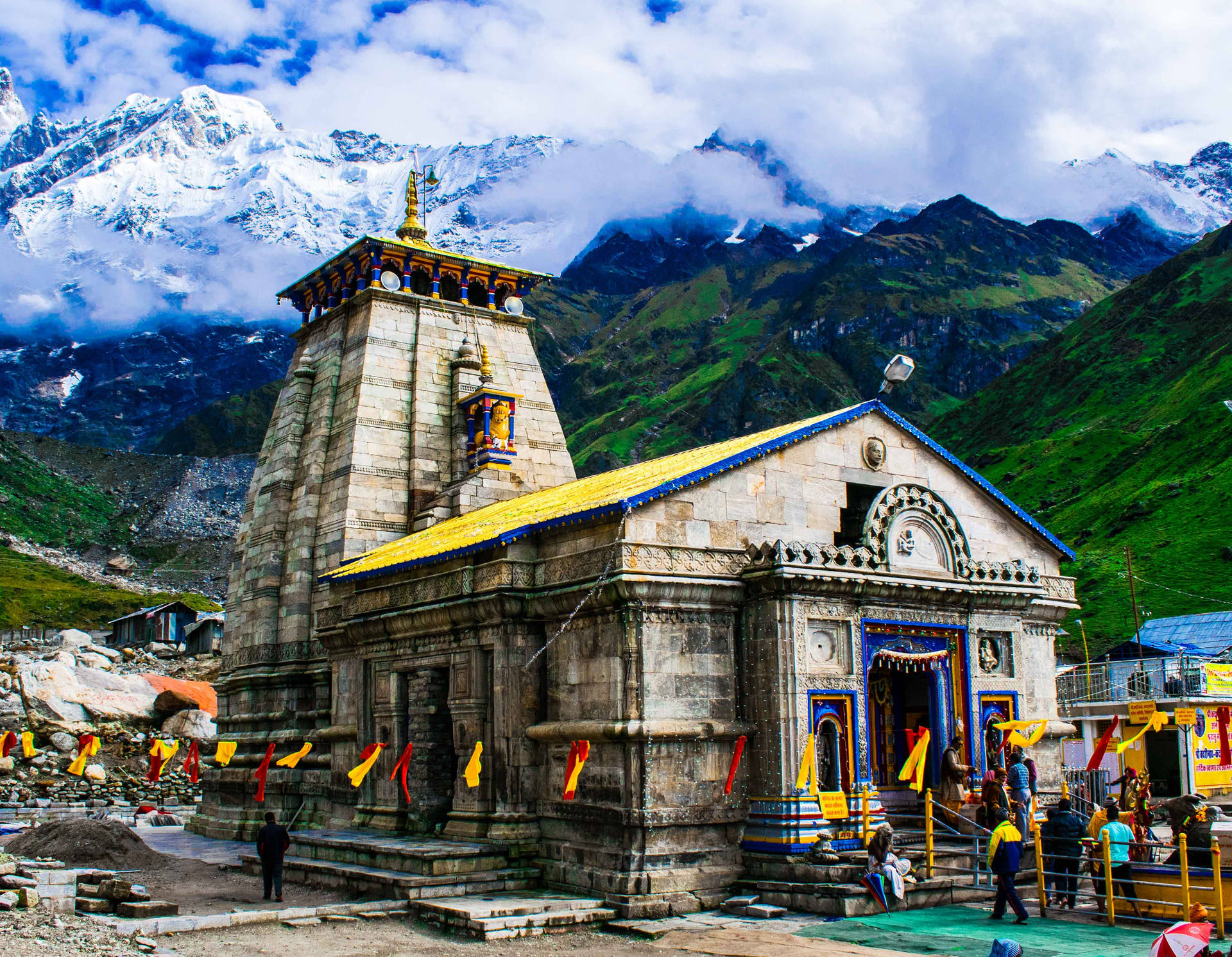
Shri Kedar Temple
Shri Kedar Temple is a medieval Hindu shrine atop Madanachala hill in Hajo, Assam, housing a self-manifested Shiva linga and built by Ahom King Rajeswara Singha in 1753.

Koliya Krishna Mandir
Hare Krishna Mandir in North Guwahati is a modern Krishna temple situated on the Brahmaputra's north bank, dedicated to Lord Krishna and affiliated with the International Societ…
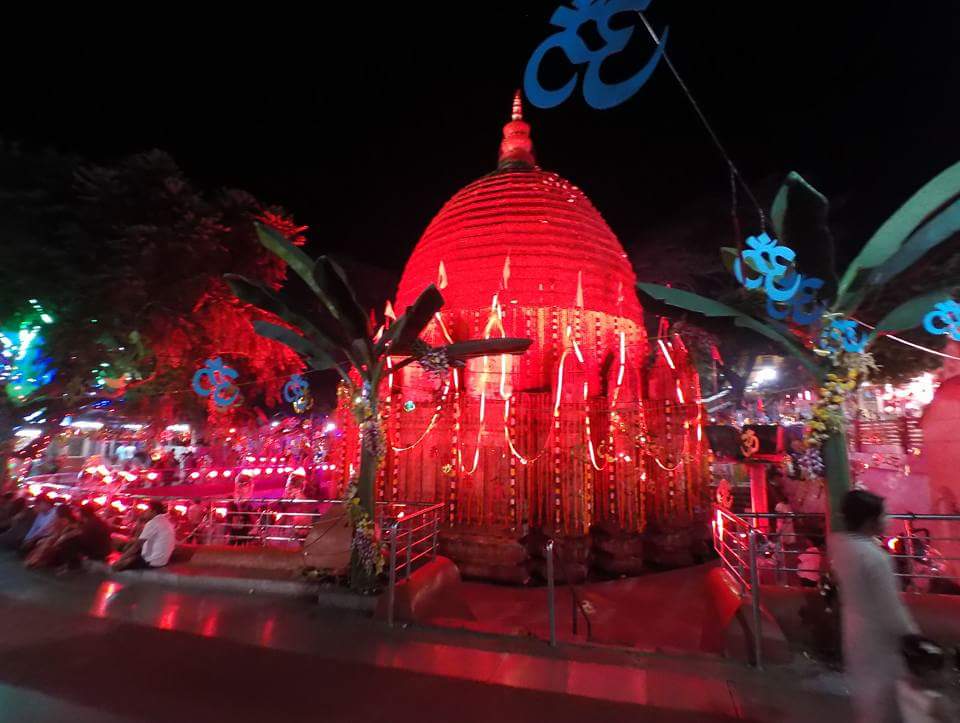
Kamakhya Temple
Kamakhya Temple on Nilachal Hill in Guwahati is one of the oldest and most revered centers of Tantric worship, dedicated to the goddess Kamakhya and recognized as one of the fou…

Rudreswar Temple
The Rudreswar Temple, dedicated to Lord Shiva, stands on the northern bank of the Brahmaputra River in North Guwahati. Built in 1749 by Ahom king Pramatta Singha as a memorial t…
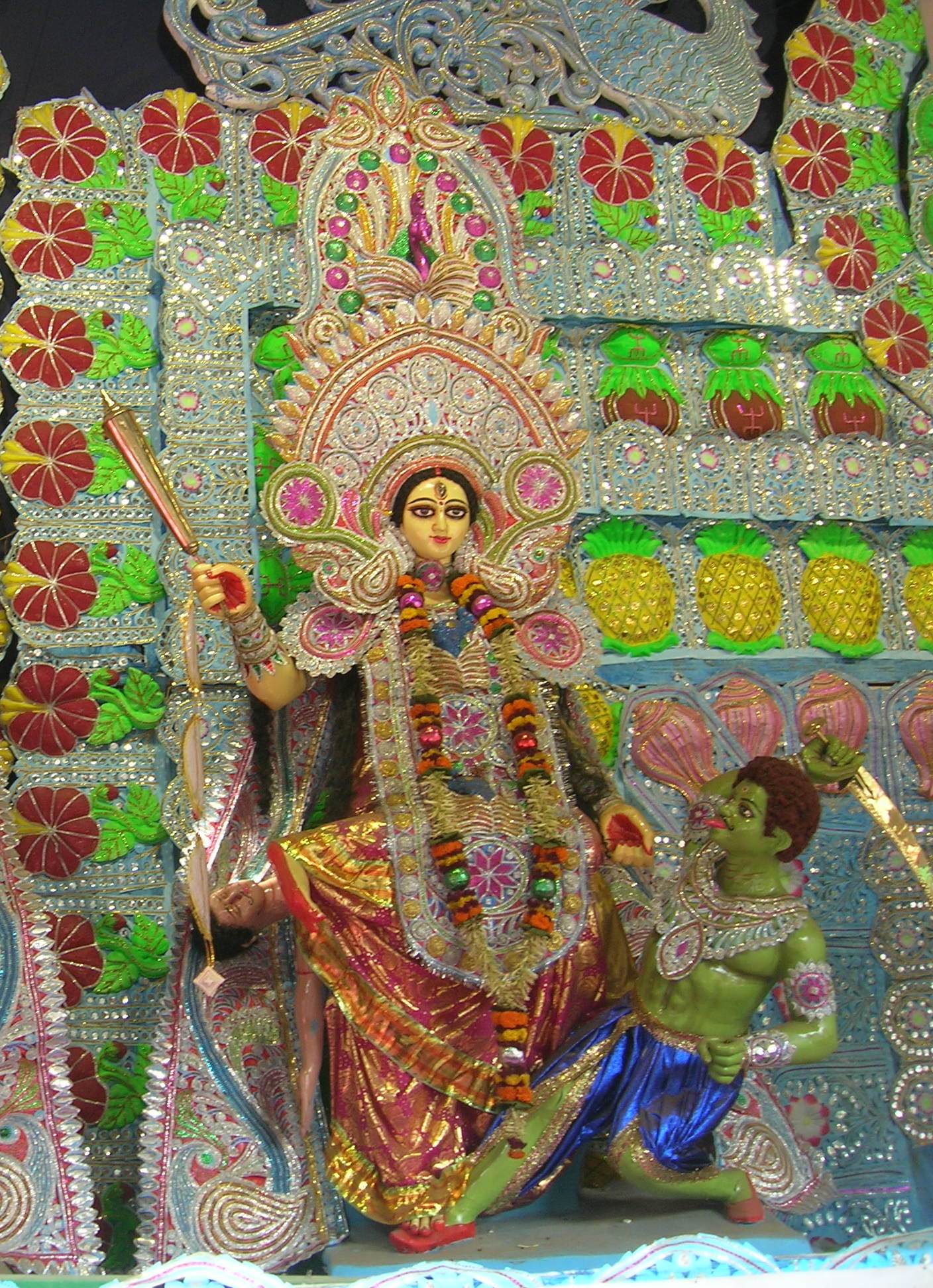
Maa Bagala
Maa Bagala is one of the principal Shakti Peethas enshrined within the Maa Kamakhya temple complex on Nilachal Hill in Guwahati, representing the fierce aspect of the divine fem…
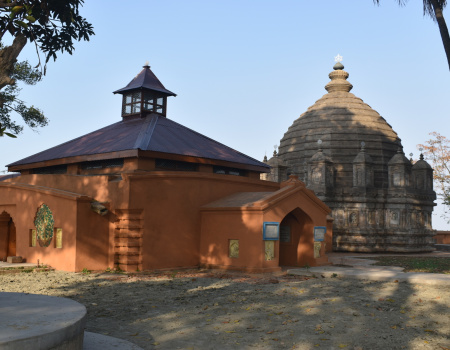
Aswakranta temple
Aswakranta Temple is an ancient Hindu shrine on the banks of the Brahmaputra River in North Guwahati, Assam, built by Ahom King Shiva Singha in 1720 and housing sacred images of…