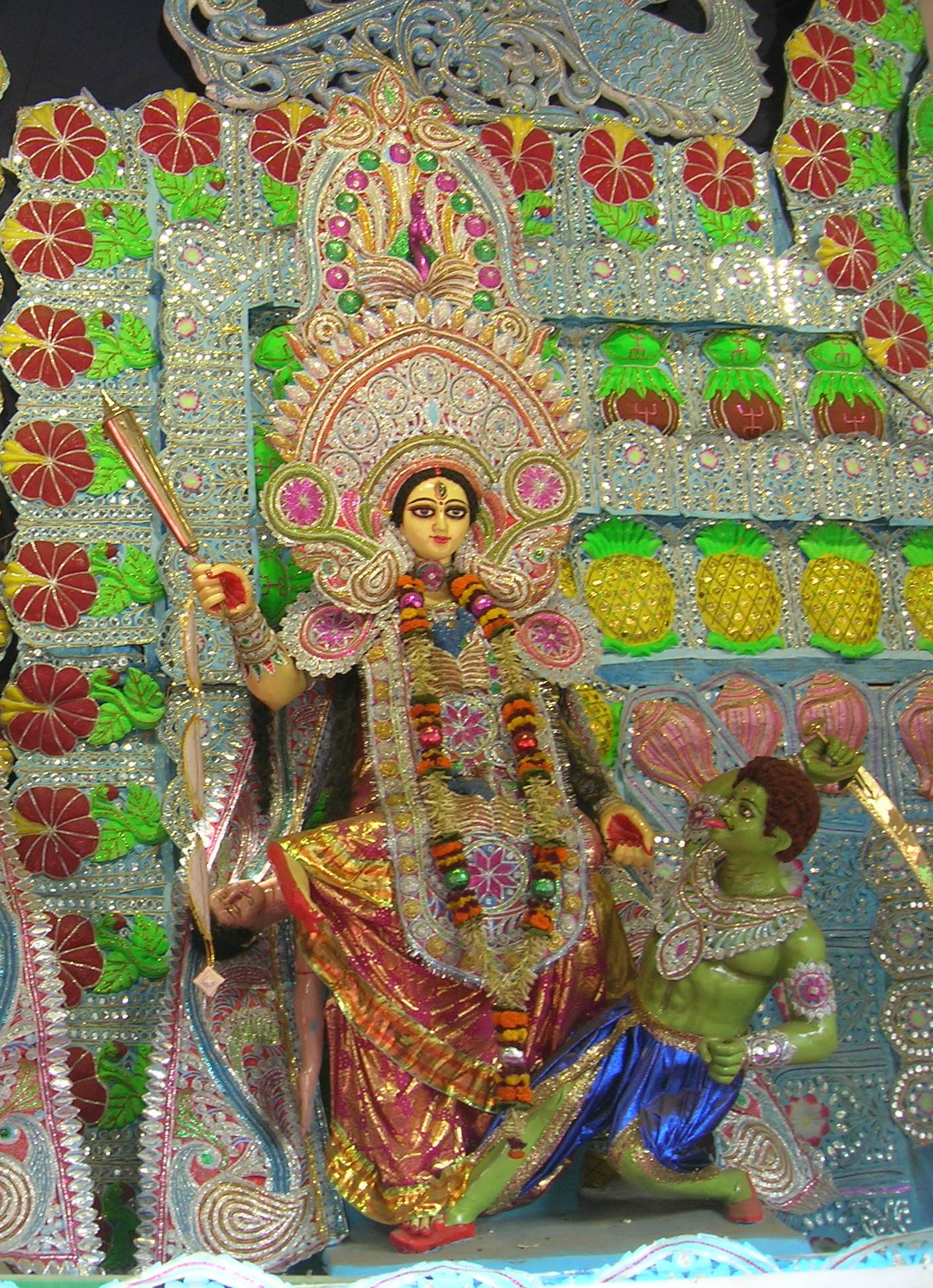

Maa Bagala
About Maa Bagala
Maa Bagala holds a place within the Shakti Peeth tradition, representing one of the principal manifestations of the Divine Mother worshipped across India. The temple sits on Nilachal Hill in Guwahati, a location that has drawn devotees for centuries. This shrine is central to Tantric Shaktism, a powerful spiritual current that emphasizes direct experience of the Divine Feminine through ritual practice and meditation. Visitors to this temple encounter a living tradition of worship that connects the personal spiritual journey with the cosmic forces represented by the Goddess.
Daily Worship and Darshan
The temple opens early for devotees. Morning darshan begins at 5:30 AM, with the Snana (ritual bathing) and Nitya Puja (daily worship) conducted between 5:30 and 6:00 AM. This is an auspicious time to witness the primary rituals of the day. Darshan continues until 1:00 PM, after which the temple closes for a midday break. Afternoon darshan resumes at 2:30 PM and continues until 5:30 PM. An evening aarti (ritual of light) is performed, though specific timings should be confirmed before your visit. The rhythm of these timings reflects traditional temple practice, allowing devotees to participate in the sacred rhythms of worship.
When to Visit
The best season to visit Maa Bagala is between October and April, when the weather in Guwahati is cooler and more comfortable for travel and extended time at the temple. The monsoon season and summer heat can make the journey to Nilachal Hill more challenging. However, the temple remains open year-round for those who wish to visit outside these months. If you are planning to visit during the Ambubachi period (typically in June), be aware that the temple closes to general devotees during this significant annual observance, so advance planning is essential.
Practical Information for Visitors
Visitors should arrive with modest dress, covering shoulders and knees as is customary at Hindu temples. The temple is located at coordinates 26.1659702, 91.7099728 on Nilachal Hill. Plan to remove your footwear at designated areas before entering the inner sanctum, as is standard practice. Given the hill location, wear comfortable walking shoes for the approach. Bring water and be prepared for the climb, particularly if visiting during warmer months. The temple authorities recommend checking official channels for any special notices or temporary changes to darshan timings, as these may be adjusted during peak seasons or special observances.
The Tantric Tradition
Maa Bagala is venerated within the framework of Tantric practice, a sophisticated spiritual discipline that works with mantra, ritual, and the subtle energies of the body and cosmos. Temples of this tradition typically attract practitioners and scholars alongside devotional visitors. The Tantric approach emphasizes direct realization through disciplined practice rather than belief alone. If you are unfamiliar with this tradition, approach the temple with respect for its specialized spiritual methods, and feel free to observe the rituals without pressure to participate in practices outside your own tradition.
Location and Access
The temple is situated in the western part of Guwahati, Assam's capital city, making it accessible to visitors arriving by road, rail, or air. Guwahati has good transport connections to other parts of Northeast India and the country. From the city center, Nilachal Hill is reachable by local transport. The hill itself requires some climbing to reach the temple, so plan accordingly if you have mobility concerns. Local guides and temple staff can provide directions and assistance for those unfamiliar with the route.
How to reach


Temples near Maa Bagala
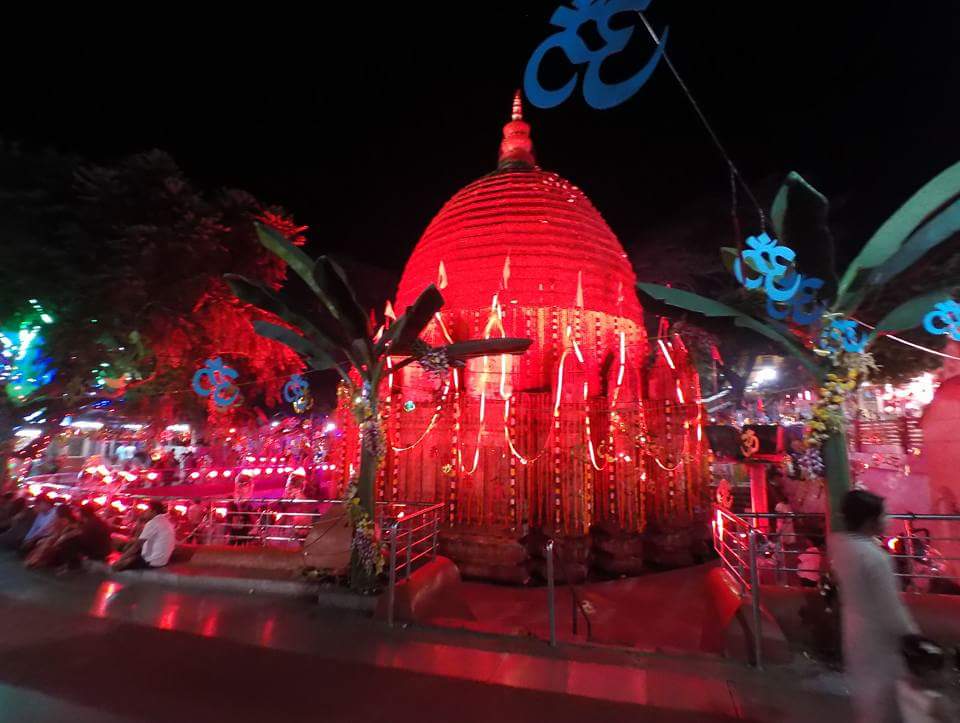
Kamakhya Temple
Kamakhya Temple on Nilachal Hill in Guwahati is one of the oldest and most revered centers of Tantric worship, dedicated to the goddess Kamakhya and recognized as one of the fou…
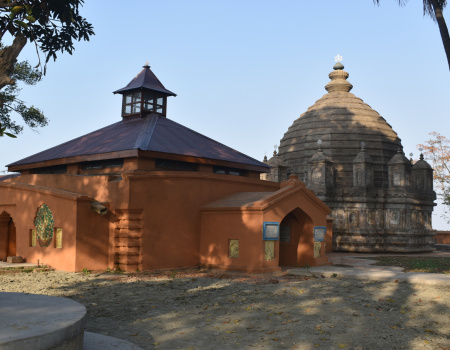
Aswakranta temple
Aswakranta Temple is an ancient Hindu shrine on the banks of the Brahmaputra River in North Guwahati, Assam, built by Ahom King Shiva Singha in 1720 and housing sacred images of…
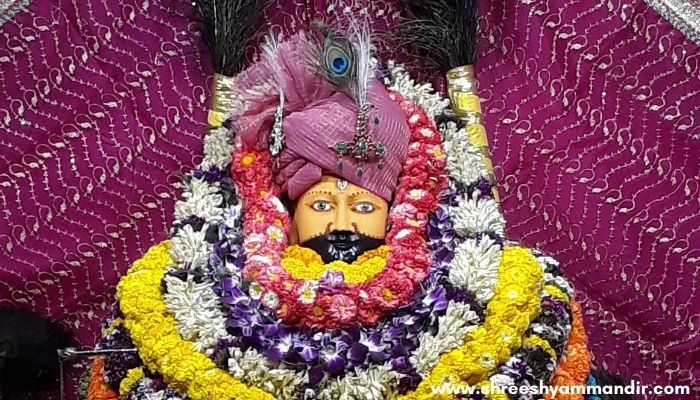
Shree Shyam Mandir, Guwahati
Shree Shyam Mandir in Guwahati's Chatribari district is a community-built temple dedicated to Khatushyamji (Shyam Baba) with multiple shrines to other deities. Established in 20…
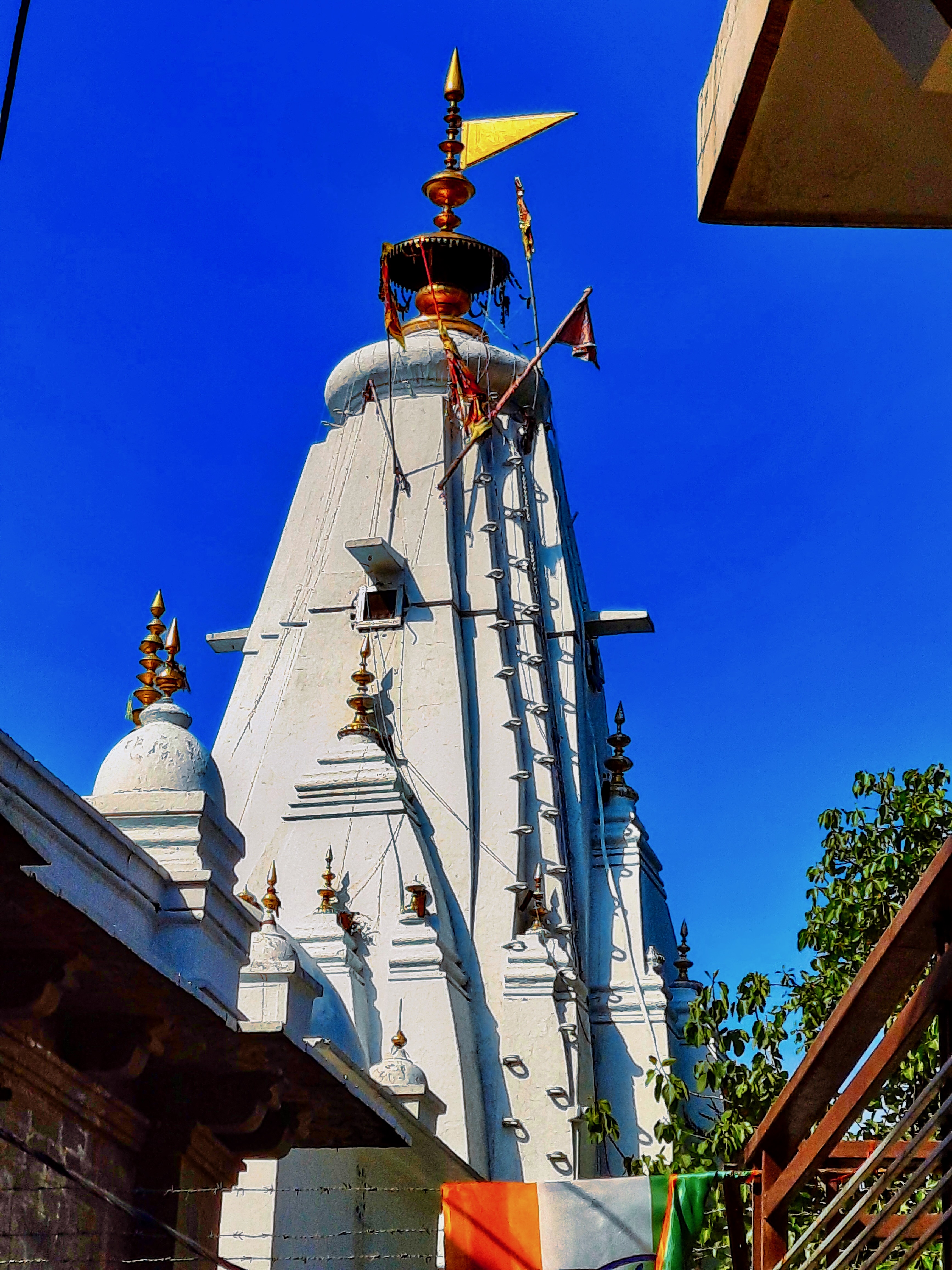
SHIV AND HANUMAN MANDIR
Shiv and Hanuman Mandir in Guwahati is a Hindu temple dedicated to both Lord Shiva and Lord Hanuman, serving as a spiritual center for daily worship and major festival celebrati…
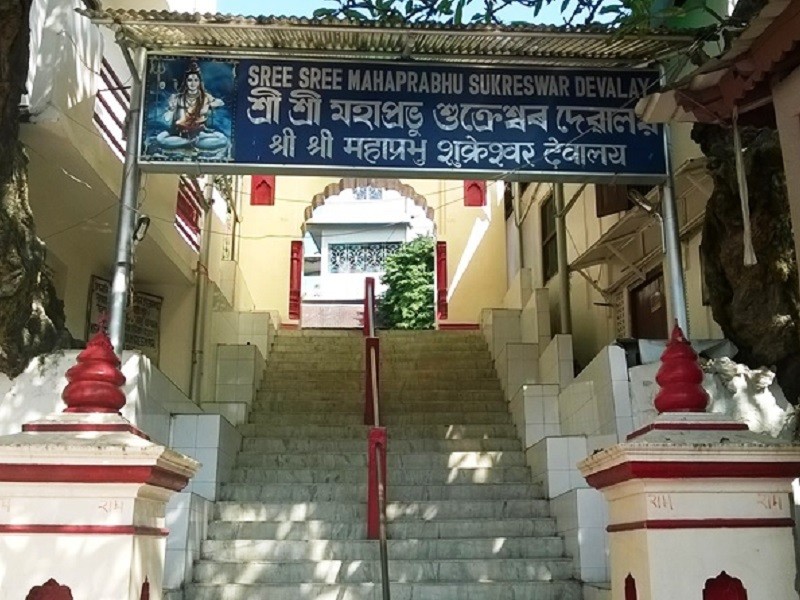
Sukreshwar Mandir
Sukreshwar Mandir is an ancient Shiva temple established in 1744 atop Sukreswar Hill in Guwahati, Assam, renowned for housing one of India's largest Shiva Lingas and serving as…
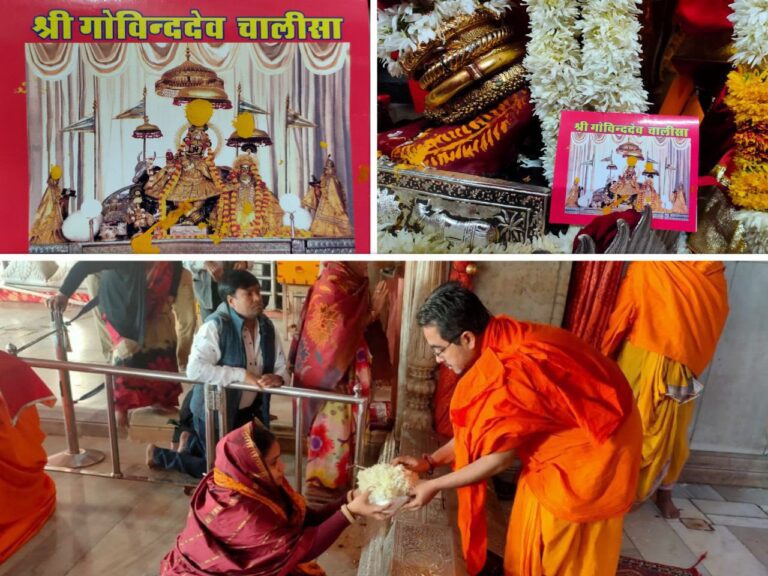
Nepali Mandir
Nepali Mandir in Guwahati is a 19th-century Shiva temple built by Nepali kings as a replica of the Pashupatinath Temple in Kathmandu, constructed with traditional terracotta, st…