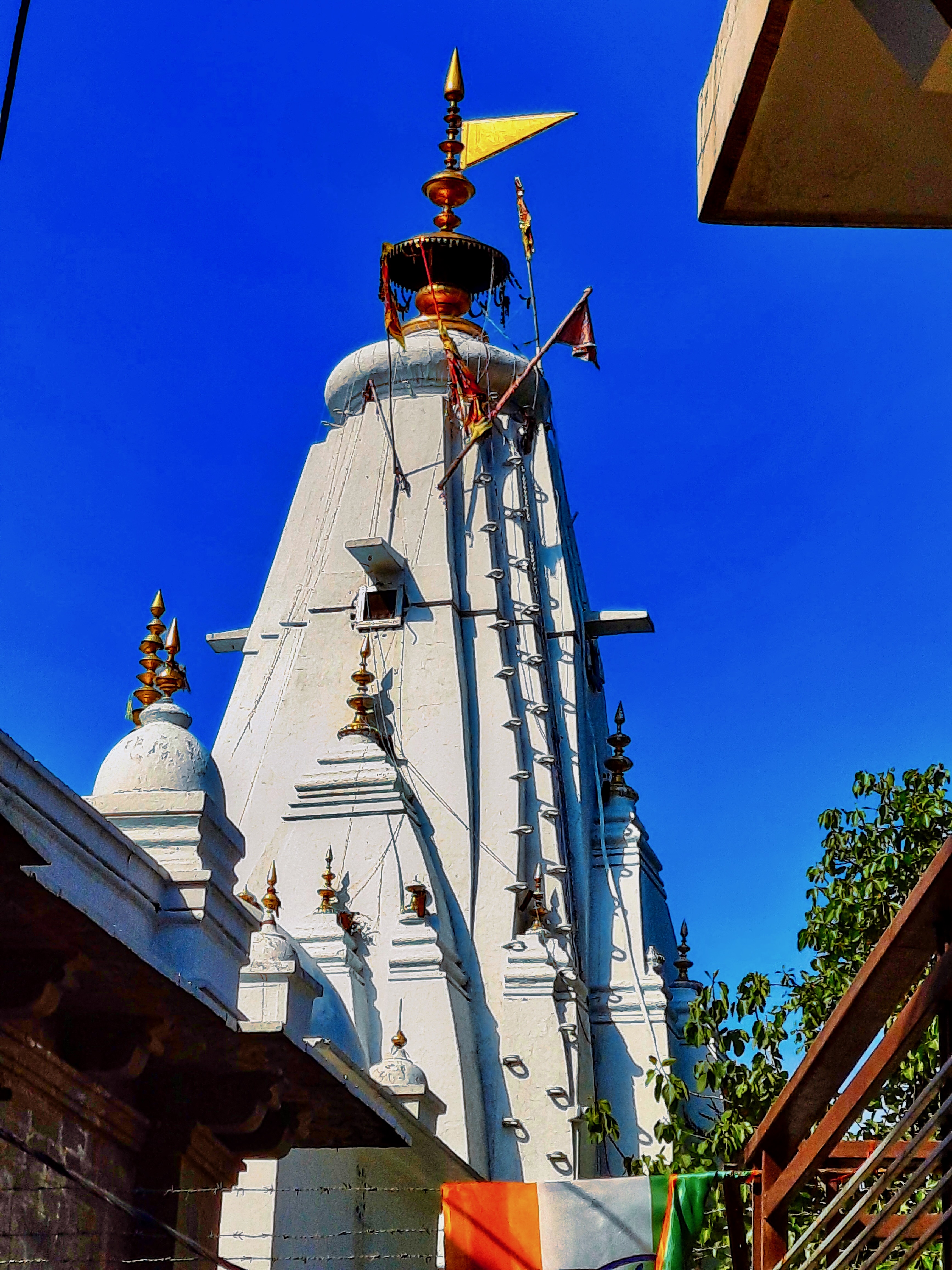
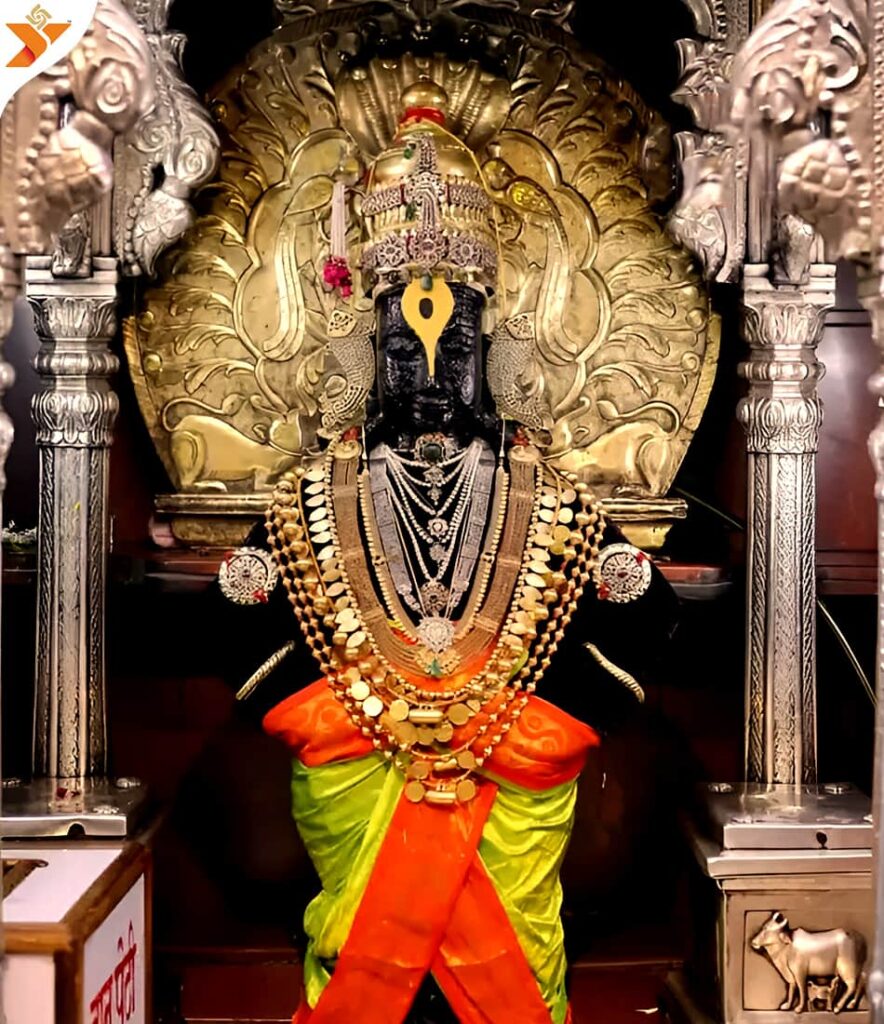
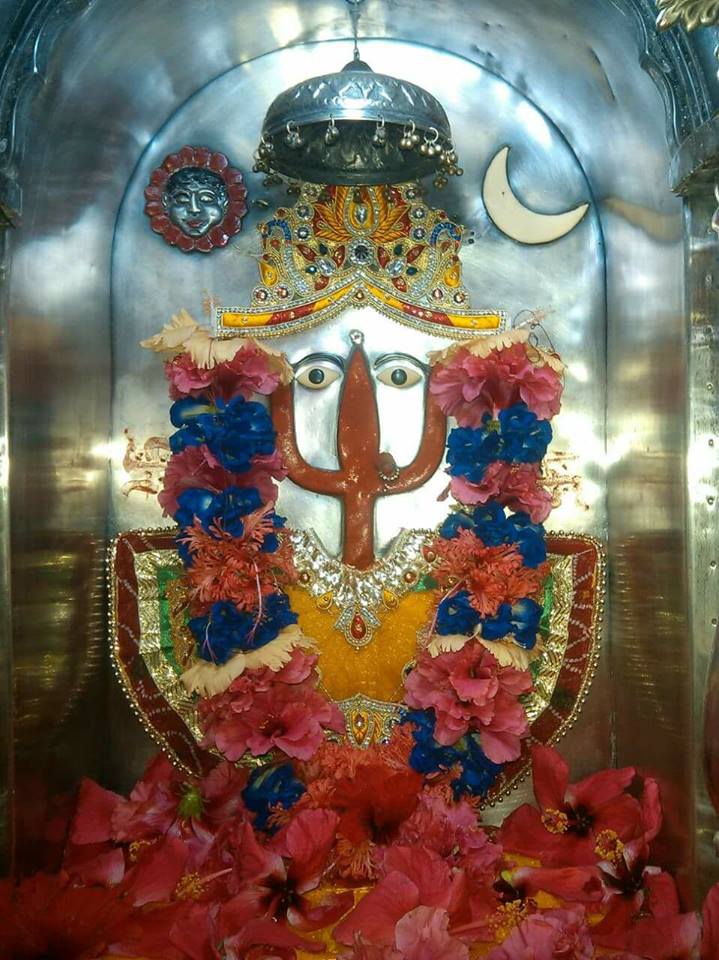
SHIV AND HANUMAN MANDIR
About SHIV AND HANUMAN MANDIR
The temple maintains open darshan throughout each day, welcoming visitors to approach the sanctum at their convenience. A formal aarti—the ritual waving of lamps before the deity—takes place at 7 p.m. each evening, marking the day's principal ceremonial moment. This sandhya aarti, performed at dusk, is a standard practice in temples honouring Shiva and provides visitors with an opportunity to participate in collective worship. Those wishing to time their visit around this ritual should plan to arrive shortly before 19:00.
Festival Observances
Three major festivals structure the temple's ritual calendar and draw increased numbers of worshippers. Makar Sankranti, observed in mid-January, celebrates the sun's astronomical transition and is traditionally associated with harvest thanksgiving across India. Ganesh Chaturthi in September dedicates ten days to honouring Ganesha, the remover of obstacles. Chhath Puja in mid-November, rooted in the traditions of Bihar and eastern India, involves worship of Surya, the sun deity, and holds particular significance in regions with strong eastern Indian populations.
During these festival periods, the temple receives special decoration and conducts more elaborate pujas. Visitors should expect larger crowds at these times and may find it advantageous to arrive early for comfortable access to the sanctum. The heightened ritual activity creates a more immersive spiritual atmosphere, though daily visits outside festival dates remain equally welcome and often allow for quieter, more personal darshan.
Visiting Practicalities
The temple sits conveniently within Guwahati city and is reachable by taxi or auto-rickshaw in approximately twenty minutes from the city centre. Basic facilities are available near the main entrance, including footwear stands and cloak rooms where visitors may leave their belongings during darshan.
Modest dress is customary when entering the temple, following standard practice across Hindu shrines. Visitors must remove their shoes before entering the sanctum. These conventions reflect respect for the sacred space and are observed consistently across temples of this tradition.
Getting There
The temple's coordinates place it at 26.1686°N, 91.7476°E within Guwahati. Those arriving by public transport should inquire locally for directions, as the temple is embedded within the city's street network. Visitors with their own transport will find the location accessible via standard city routes. For those unfamiliar with Guwahati's layout, asking at your accommodation or a local shop for directions to Shiv and Hanuman Mandir will typically yield clear guidance.
Planning Your Visit
Daily visits are welcome year-round, making the temple accessible regardless of when you travel to Guwahati. If your schedule permits, timing a visit to coincide with one of the three major festivals—Makar Sankranti, Ganesh Chaturthi, or Chhath Puja—will deepen your experience of the temple's ritual life, though you should prepare for larger gatherings. The evening aarti at 7 p.m. offers a structured moment of worship that many visitors find meaningful, whether visiting on a festival day or an ordinary afternoon.
How to reach
Temples near SHIV AND HANUMAN MANDIR
Nepali Mandir
Nepali Mandir in Guwahati is a 19th-century Shiva temple built by Nepali kings as a replica of the Pashupatinath Temple in Kathmandu, constructed with traditional terracotta, st…
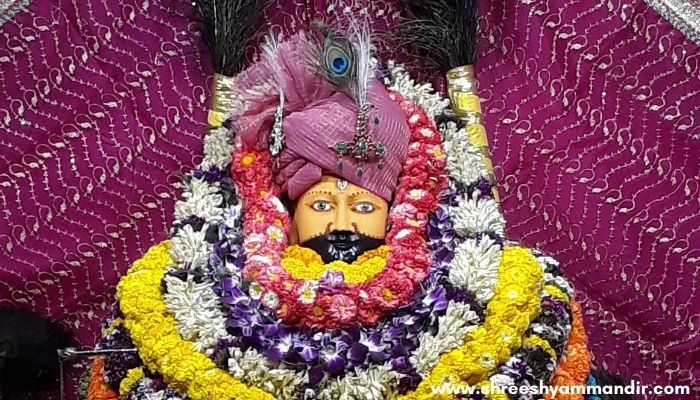
Shree Shyam Mandir, Guwahati
Shree Shyam Mandir in Guwahati's Chatribari district is a community-built temple dedicated to Khatushyamji (Shyam Baba) with multiple shrines to other deities. Established in 20…
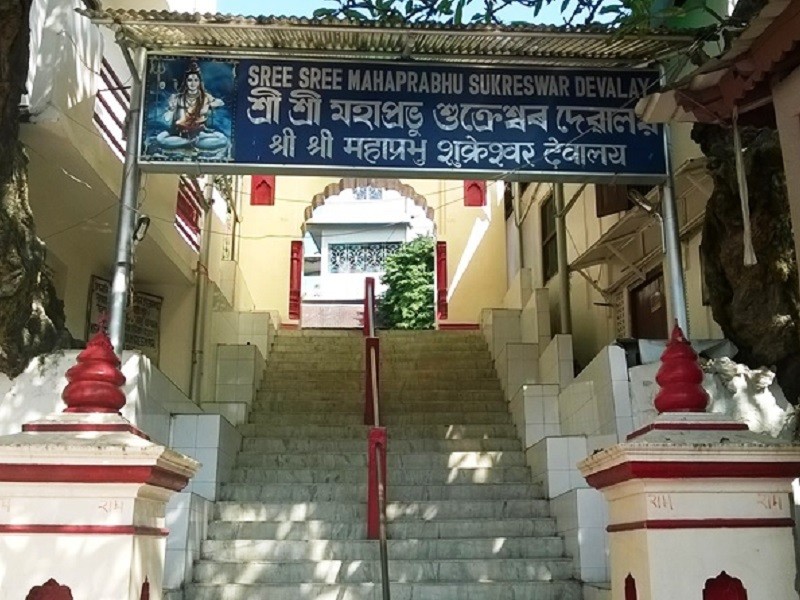
Sukreshwar Mandir
Sukreshwar Mandir is an ancient Shiva temple established in 1744 atop Sukreswar Hill in Guwahati, Assam, renowned for housing one of India's largest Shiva Lingas and serving as…

Navagraha Mandir, Guwahati
Navagraha Mandir is an ancient hilltop temple in Guwahati, Assam, housing sacred lingams representing the nine celestial bodies of Vedic astrology—Surya, Chandra, Mangala, Rahu,…
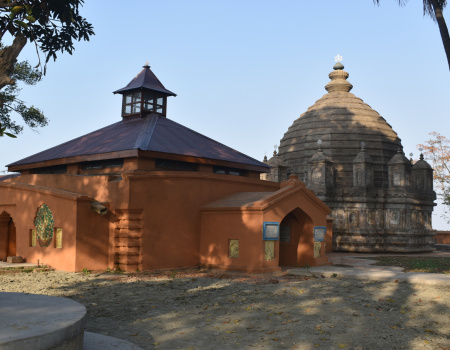
Aswakranta temple
Aswakranta Temple is an ancient Hindu shrine on the banks of the Brahmaputra River in North Guwahati, Assam, built by Ahom King Shiva Singha in 1720 and housing sacred images of…
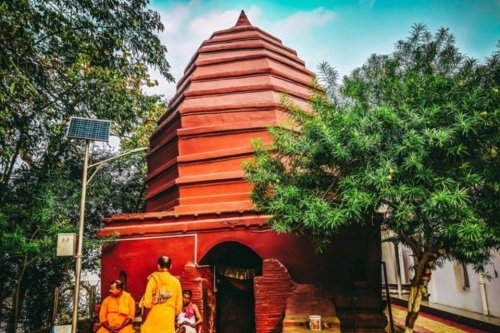
Umananda Mandir
Umananda Mandir is a historic Shiva temple situated on Peacock Island in the Brahmaputra River at Guwahati, Assam, reputedly located on the world's smallest inhabited river island.