


Shivala Teja Singh temple
About Shivala Teja Singh temple
The temple's origins trace to the 11th century, making it a structure of considerable historical depth. Though detailed architectural records are limited, the temple has undergone restoration work that speaks to ongoing commitment to its preservation. This restoration is significant not merely as a matter of heritage conservation, but as an active affirmation of Hindu religious life in Sialkot. The temple continues to function as a living place of worship rather than a historical monument alone, with daily rituals maintained according to Shaivite practice.
Daily Worship and Darshan
The temple opens each day from 08:00 to 17:00, providing a window for devotees to approach the sanctum and offer prayers. Visitors should note that timings may shift on festival days, and it is advisable to contact the temple office beforehand at +923111038505 to confirm hours before travelling. The temple maintains daily rituals typical of Shaivite temples, where devotees approach the sanctum with reverence and participate in the rhythms of worship. Specific details regarding aarti timings and the precise schedule of daily observances are best confirmed directly with the temple office, as these may vary seasonally or according to the lunar calendar.
Festivals Throughout the Year
The temple celebrates several significant festivals that draw devotees and transform the space with special decoration and observance. Guru Purnima, falling on 29 July, honours spiritual teachers and represents one of the most important occasions in the temple's calendar. Holi, the festival of colours, is observed on 4 March, while Diwali, the festival of lights, falls on 8 November. Dhanteras, which marks the beginning of the Diwali season and honours Dhanvantari, is observed on 6 November. The temple is reported to be most beautifully decorated during these festival periods, making them particularly auspicious times for a visit. However, visitors should expect larger crowds during these occasions and may wish to arrive early to secure a comfortable position for darshan.
Visiting with Appropriate Respect
As an active place of worship, the temple should be approached with reverence befitting a sacred space. Modest dress is customary when entering Hindu temples. Shoes are typically removed before entering the sanctum or prayer areas—observe what other visitors do upon arrival to follow local practice. Photography policies may vary; it is respectful to ask permission before photographing the deity or interior spaces. The temple office can provide guidance on any specific questions regarding conduct or access.
Reaching the Temple
Shivala Teja Singh temple is located in Sialkot city at coordinates 32.4909°N, 74.545048°E, accessible by road from Lahore and other major centres in Punjab. Those planning a visit should allow sufficient time for travel, particularly if coming from distant locations. The temple's location in Sialkot, Punjab, Pakistan means that visitors should be aware of any travel advisories or documentation requirements for crossing international borders. Mapping applications can be used with the provided coordinates to plan routes. The temple office at +923111038505 can assist with directions, current timings, or specific inquiries about access and facilities.
How to reach


Temples near Shivala Teja Singh temple
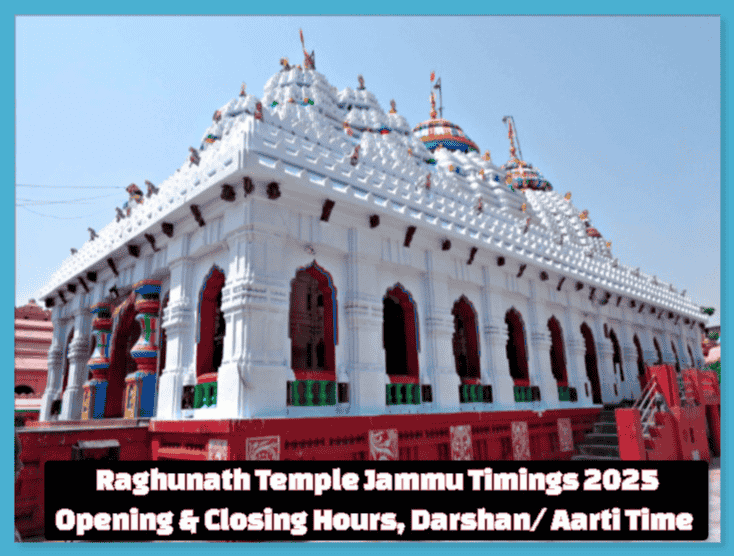
Raghunath Temple
Raghunath Temple in Jammu is North India's largest temple complex, housing 17 shrines dedicated to Lord Rama and other Hindu deities. Built between 1835–1860 by Dogra rulers Mah…
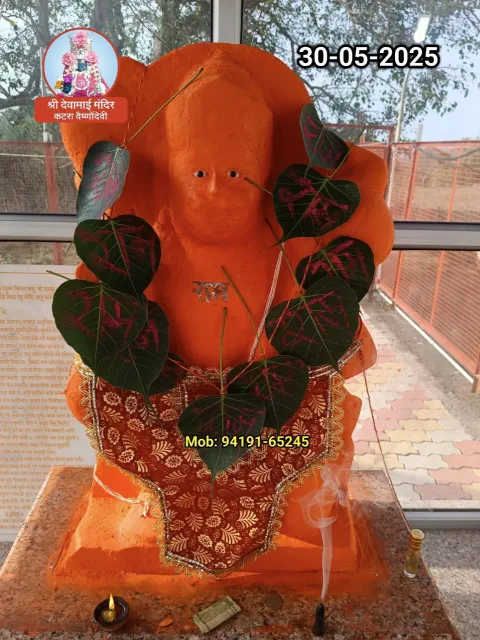
Deva Mai Temple
Deva Mai Temple near Katra is revered as the second sacred darshan in the Vaishno Devi pilgrimage sequence, nestled in the Siwalik Hills and believed to be where the Divine Moth…
Ancient Temple Nand Babour
Shri NandBaba Temple in Nandgaon is dedicated to Nand Maharaj, the father of Lord Krishna, and is believed to be Krishna's childhood home. The temple houses deities of NandBaba,…
Ancient Temples Kala Dera I and II, Thalora
The Kala Dera group comprises two ruined Hindu temples from the 10th to 11th century, situated in Manwal near Thalora in Udhampur district, Jammu and Kashmir. These structures a…
Devi Bhagwati Temple Babour Thalora
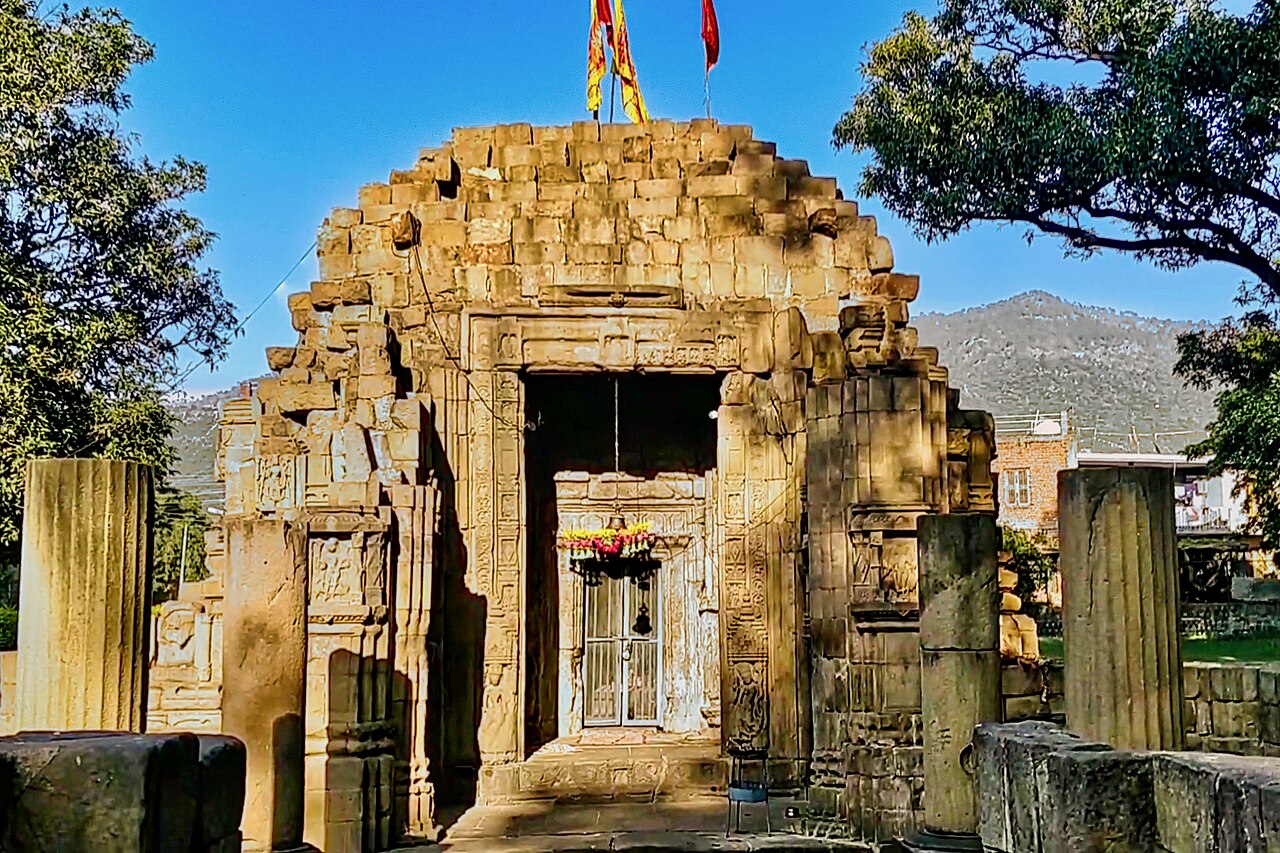
Devi Bhagwati Temple in Babour Thalora's deity and specific details remain unconfirmed in available sources.
Vaishno Devi
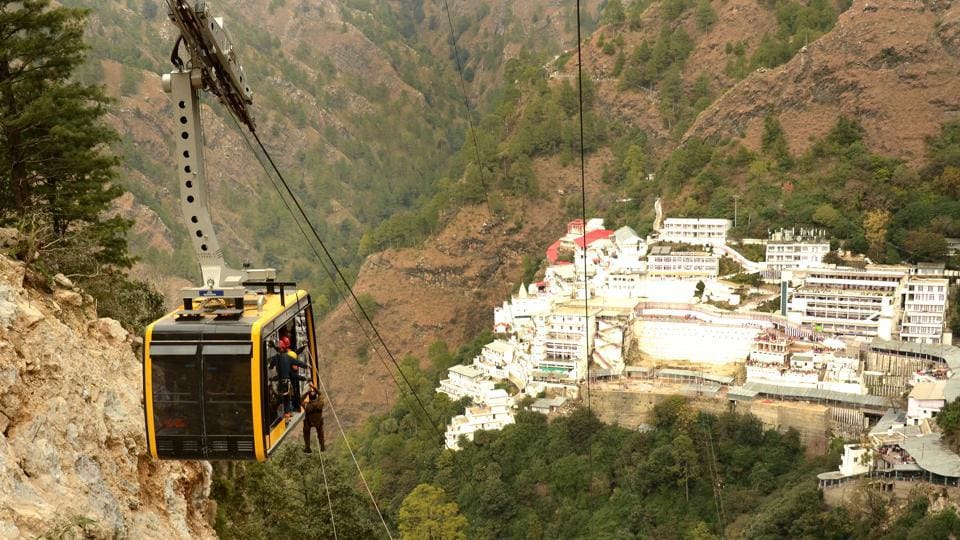
Vaishno Devi shrine in Katra is a sacred cave temple where the goddess is believed to have merged her human form with the astral form of the three supreme energies. The pilgrima…