


Seebi Narasimha Swamy Temple, Seebi
About Seebi Narasimha Swamy Temple, Seebi
The temple's construction in the late 18th century places it within the period of Mysore state administration. Inscriptions relating to the temple's founding were discovered at Vasant Mahal, the palace of the founding family in Tumkur. The structure reflects the architectural traditions of its era, with fine paintings adorning the ceiling and walls. The main sanctum houses the shaligrama idol facing northeast, a deliberate orientation that carries spiritual significance in temple design.
The temple complex is well-maintained and spacious, with dedicated areas for worship and circumambulation. Its location on National Highway 4 has made it accessible to devotees across generations, though the shrine retains the character of a traditional place of worship rather than a heavily commercialised site.
Daily Worship and Darshan
The temple observes regular timings for devotee access. From Sunday to Friday, darshan is available from 8:30 AM to 12:30 PM and again from 3:30 PM to 6:30 PM. On Saturdays, the temple remains open continuously from 8:30 AM to 6:30 PM. Visitors seeking the abhisheka darshan—witnessing the ritual bathing and anointing of the deity—should arrive before 10 AM, as the sanctum gates close once the abhisheka begins and remain sealed until approximately 11:30 AM, when they reopen after the ritual and offering of food to the deity.
Sevas (ritual services) are performed regularly, with Brahmarathotsavam conducted during the Poorva Phalguni nakshatra in the month of Magha. Special observances include Mahabhisheka (grand ritual bathing), Kalyanotsava (marriage blessing ceremony), and Narasimha Jayanti (the deity's birth anniversary). The temple provides annaprasadam (blessed food offering) to devotees on these occasions.
Annual Fair and Festivals
February marks the most significant time for visiting this temple, when a grand annual fair takes place. The temple also conducts a seven-day car festival (Jatra) during Brahmarathotsavam, drawing large numbers of devotees. The Kalyanotsava ceremony holds particular importance for unmarried devotees, as temple tradition holds that the blessing of Goddess Lokamba bestows marriage quickly upon those who perform this ritual.
Visitor Information and Etiquette
Mobile phones are not permitted inside the temple sanctum; locker facilities are available for safekeeping. The temple requests that devotees deposit phones before entering the inner shrine. Monkeys inhabit the temple grounds, so visitors carrying food or snacks should exercise caution. The premises is large and well-maintained, with helpers available to assist visitors with directions and procedures.
Modest dress is appropriate, as is customary at Hindu temples. Visitors should be prepared for the possibility of crowds, particularly on Saturdays and during festival periods. The temple accepts seva registrations until 10 AM, so those wishing to participate in specific rituals should plan accordingly.
How to Reach
Seebi is located 20 kilometres north of Tumkur city on National Highway 4, making it accessible by road from Bangalore and surrounding areas. Regular ordinary buses operate between Tumkur and Sira, passing through or near Seebi. The temple's position on the main highway ensures reasonable connectivity, though visitors travelling by private vehicle will find parking available on the temple grounds.
For further information or to arrange specific sevas, the temple can be contacted at +91-9141247344 or through email at sriseebisamsthanam@gmail.com.
How to reach
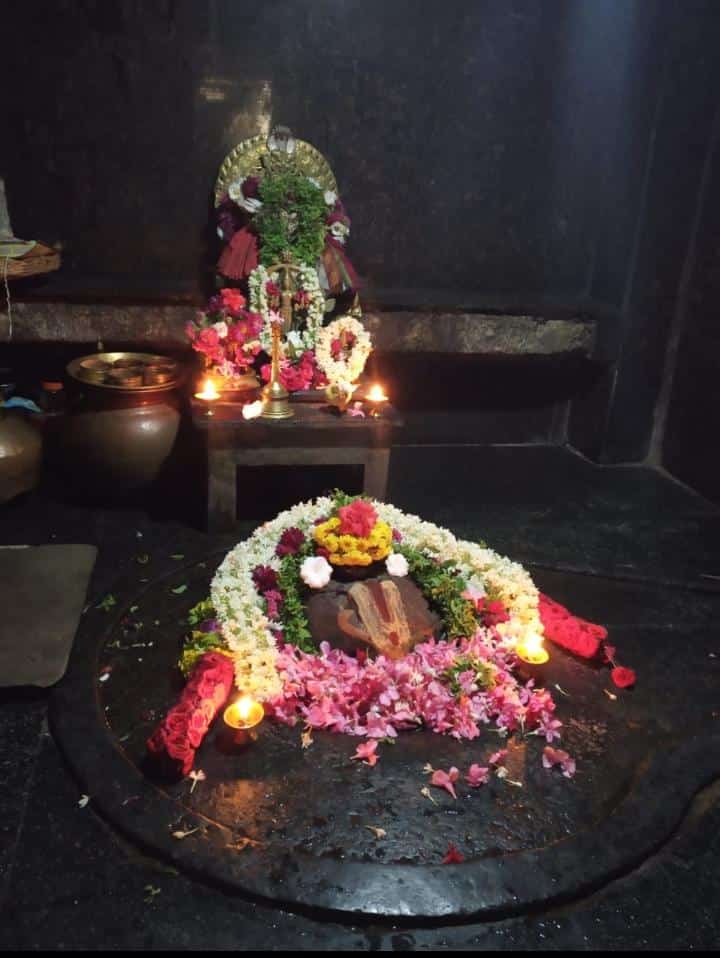
Temples near Seebi Narasimha Swamy Temple, Seebi
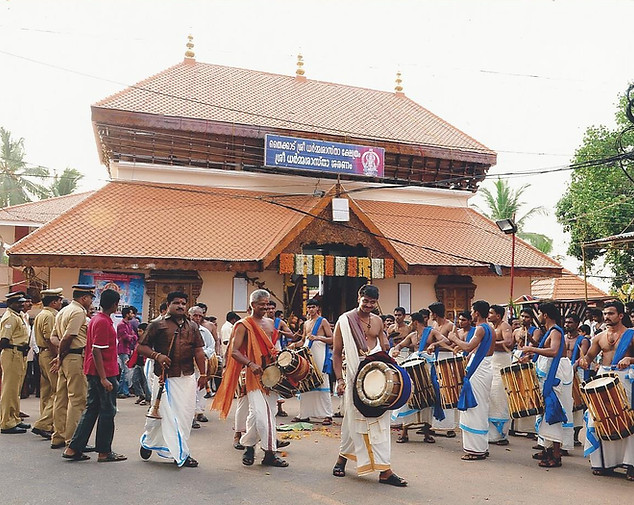
Kote Anjaneya
Kote Anjaneya Temple in Tumkur, Karnataka, is renowned for its towering 75-foot Hanuman statue and an ancient sanctum housing a standing Hanuman idol believed to have been conse…
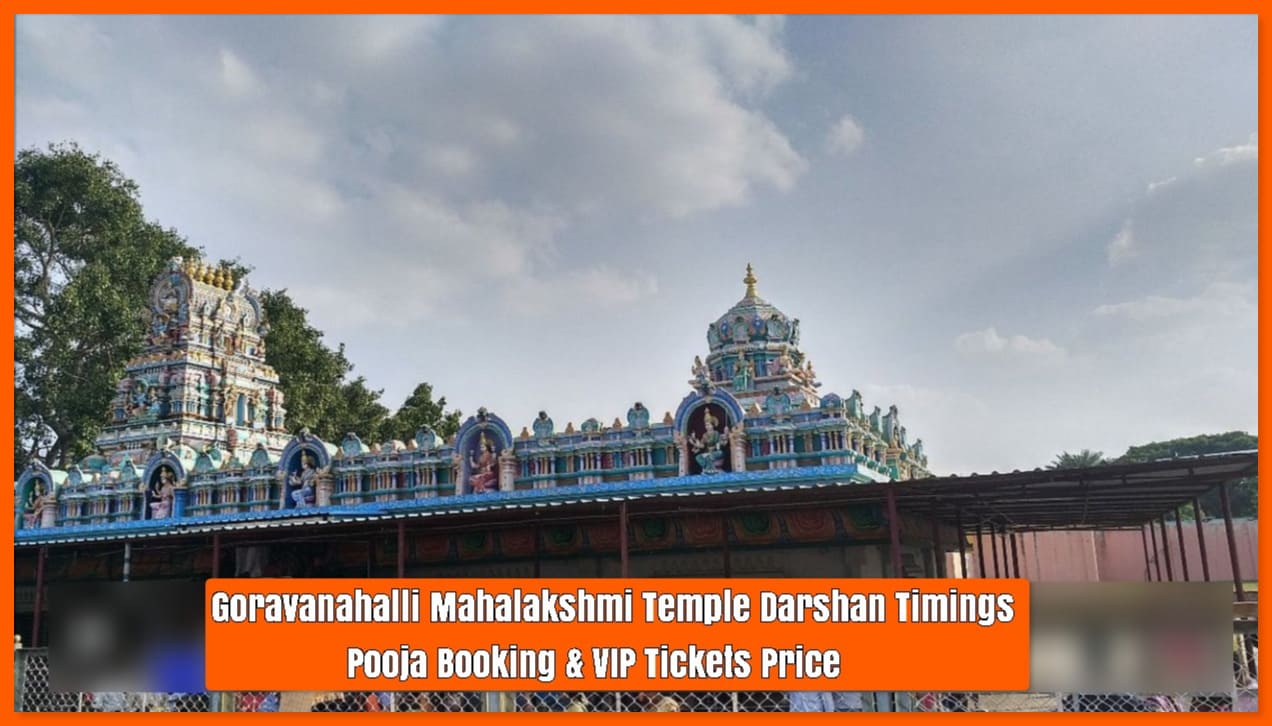
Goravanahalli Mahalakshmi Temple
Goravanahalli Mahalakshmi Temple in Tumkur district, Karnataka, is a Hindu shrine dedicated to Goddess Mahalakshmi, believed to house a self-manifested idol discovered by a cowh…
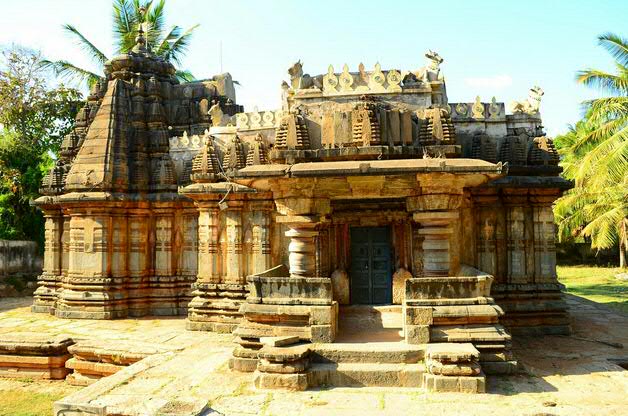
Moole Shankareshvara Temple, Turuvekere
The Moole Shankareshvara Temple in Turuvekere is a 13th-century shrine dedicated to Shiva, built during the Hoysala Empire and recognized as a protected archaeological monument.
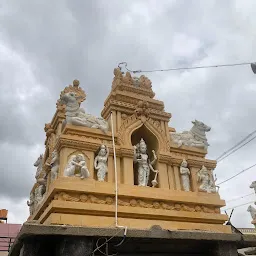
Teru Malleshvara Temple, Hiriyur
The Teru Malleshvara Temple in Hiriyur is a Vijayanagara-era shrine dedicated to Shiva, situated on the Vedavati River's right bank near Chitradurga. It is celebrated annually t…
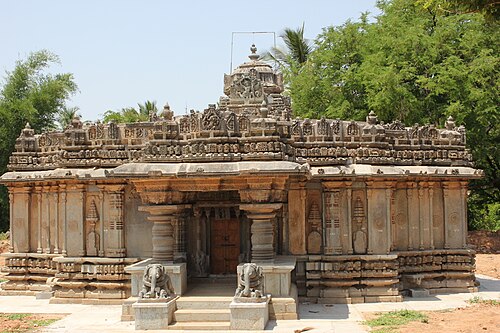
Lakshminarasimha Temple, Vignasante
A 13th-century Hoysala temple dedicated to Lord Vishnu in three forms—Venugopala, Lakshmi Narayana, and Narasimha—built in 1286 CE by military generals under King Narasimha III.…
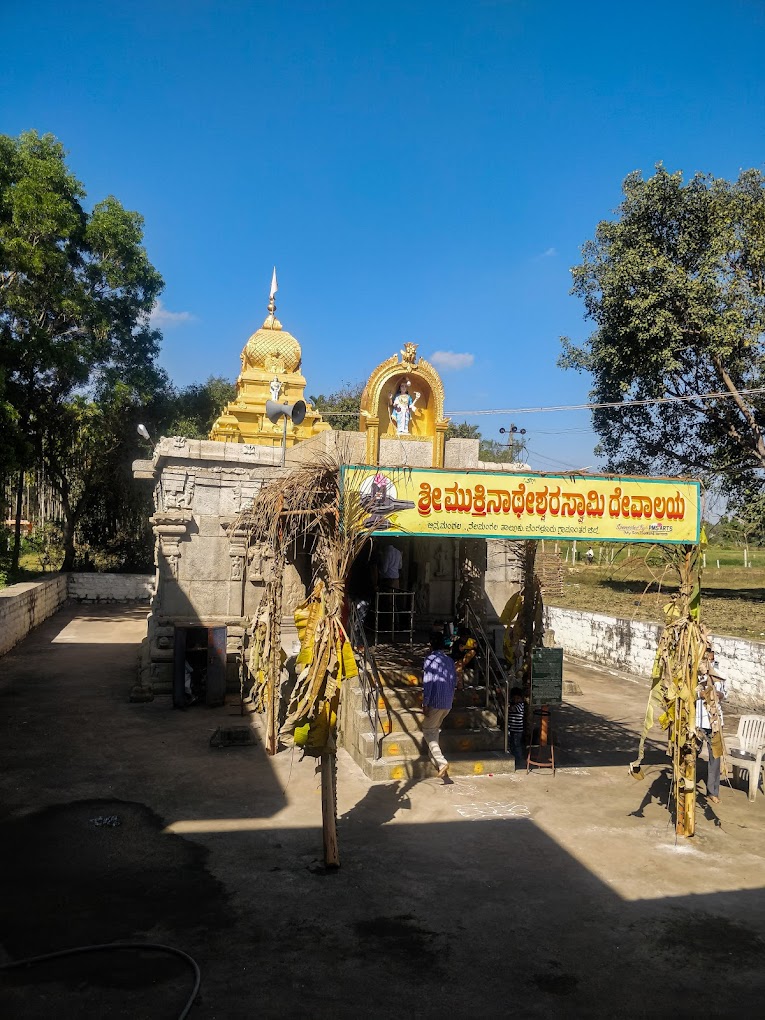
Mukthi Natheshwara Temple
Mukthi Natheshwara Temple in Binnamangala, Nelamangala, Karnataka is an ancient shrine dedicated to Lord Shiva, dating back approximately 1000 years to the Rajaraja Chola period.