Moole Shankareshvara Temple, Turuvekere
About Moole Shankareshvara Temple, Turuvekere
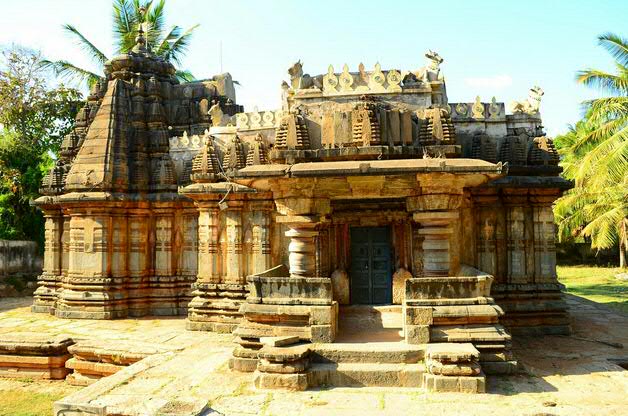
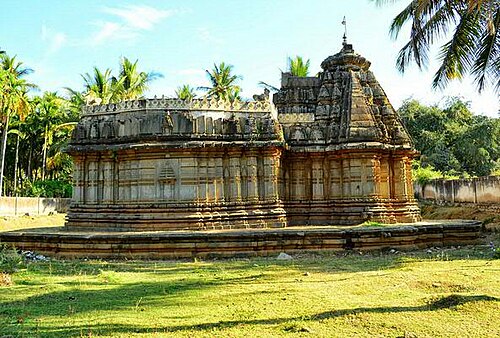
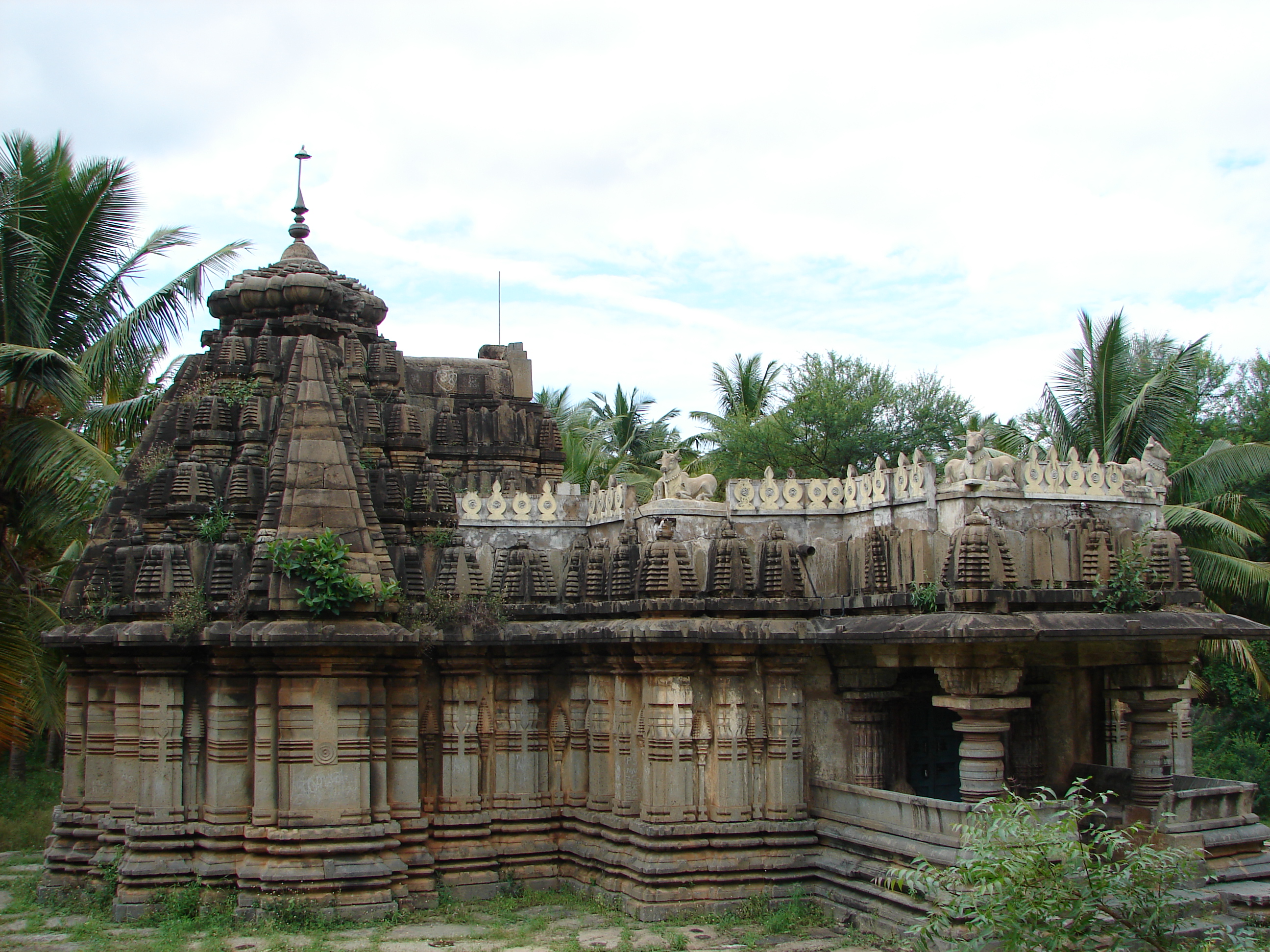
The temple exemplifies the Bhumija Nagara architectural style, a regional variation that shaped temple construction across the Deccan during the Hoysala period. This style is recognizable in the temple's structural composition and decorative elements, though the sources do not detail specific sculptural features or internal layout. Visitors interested in medieval temple architecture will find the structure itself worthy of careful observation, as it represents the craftsmanship and design principles of its era.
The temple's status as a protected monument means that its physical fabric is preserved under official oversight, ensuring that the structure visitors encounter today maintains continuity with its historical form.
Daily Worship and Darshan
The temple opens daily from 7:00 AM to 7:00 PM, providing extended access for both morning and evening worship. The evening hours, particularly around the time of evening prayers and aarti, offer an especially meaningful time to visit. During aarti—the ritual of offering light to the deity—the temple atmosphere becomes particularly charged with devotional activity, and visitors may witness or participate in these ceremonies according to temple customs and their own inclination.
Darshan, the act of viewing the deity, is the primary form of worship for most visitors. Entry to the temple is free, removing any financial barrier to worship. Visitors should dress modestly, covering shoulders and knees, as is customary at Hindu temples. Removing footwear before entering the inner sanctum is standard practice.
Festivals and Sacred Observances
As a Shiva temple, the Moole Shankareshvara Temple observes festivals significant to Shaivite tradition throughout the year. Maha Shivaratri, the great night dedicated to Shiva, draws particular devotional focus. The temple also marks major Hindu festivals including Navratri, Dussehra, and Diwali. Pradosh Vrat, observed twice monthly on the thirteenth lunar day, holds special significance in Shiva worship and may see increased temple activity on these dates.
The exact dates of these observances follow the lunar calendar and vary from year to year. Visitors planning a pilgrimage around a specific festival should confirm dates in advance, as celebrations may draw larger crowds and create different atmospheres than ordinary days.
Visiting Turuvekere
Turuvekere is located approximately 77 miles from Bangalore, the state capital, making it accessible as a day trip or part of a broader temple circuit through the region. The town contains several other temples worth visiting, including the Chennakeshava Temple, Gangadhareshwara Temple, and Beterayaswamy Temple, allowing visitors to experience multiple examples of regional religious architecture and practice in a single visit.
The cooler months from October through March offer the most comfortable visiting conditions. The evening hours provide both practical advantages—cooler temperatures and the opportunity to witness aarti—and spiritual ones, as the temple's evening rituals create a contemplative atmosphere distinct from daytime visits.
Practical Information
The temple's location at coordinates 13.168611, 76.663611 can be entered into mapping applications for navigation. No entry fee is charged. Visitors should plan for approximately one hour to experience the temple unhurriedly, though those with particular interest in the architecture or those wishing to participate more fully in worship may spend longer.
As a protected monument, the temple may have restrictions on photography or other activities; visitors should observe any notices posted on-site and respect the devotional space. The temple's status as an active place of worship means that visitor conduct should reflect appropriate reverence for ongoing religious practice.
How to reach
Temples near Moole Shankareshvara Temple, Turuvekere
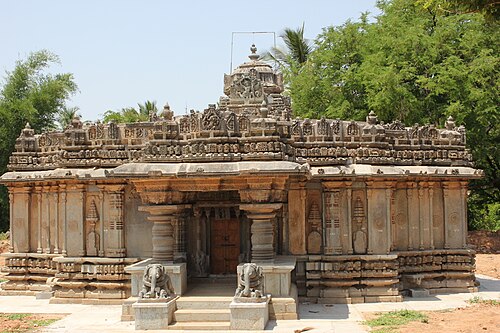
Lakshminarasimha Temple, Vignasante
A 13th-century Hoysala temple dedicated to Lord Vishnu in three forms—Venugopala, Lakshmi Narayana, and Narasimha—built in 1286 CE by military generals under King Narasimha III.…
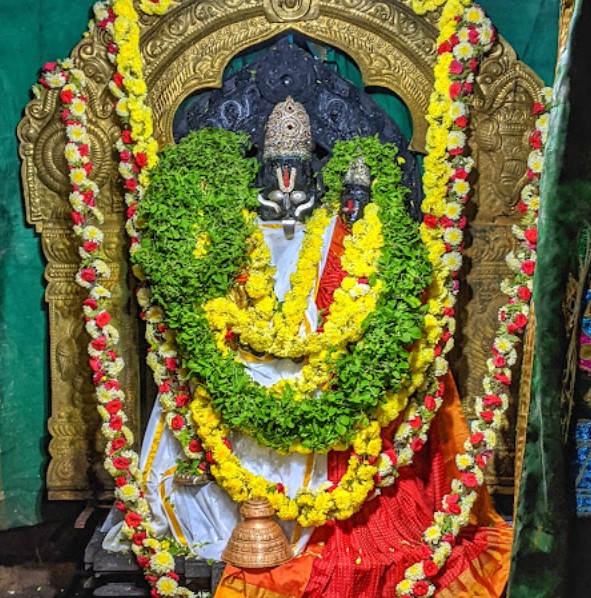
Lakshmi Narasimha Temple, Nuggehalli
A 13th-century Hoysala temple in Nuggehalli, Hassan district, housing three shrines dedicated to Keshava, Lakshmi Narasimha, and Venugopala. Built in 1246 CE, it stands as a Mon…

Chennakeshava Temple, Hullekere
The Chennakeshava Temple in Hullekere is a 12th-century Hoysala architectural masterpiece dedicated to Lord Vishnu, built in 1163 A.D. by a minister of King Narasimha I and prot…
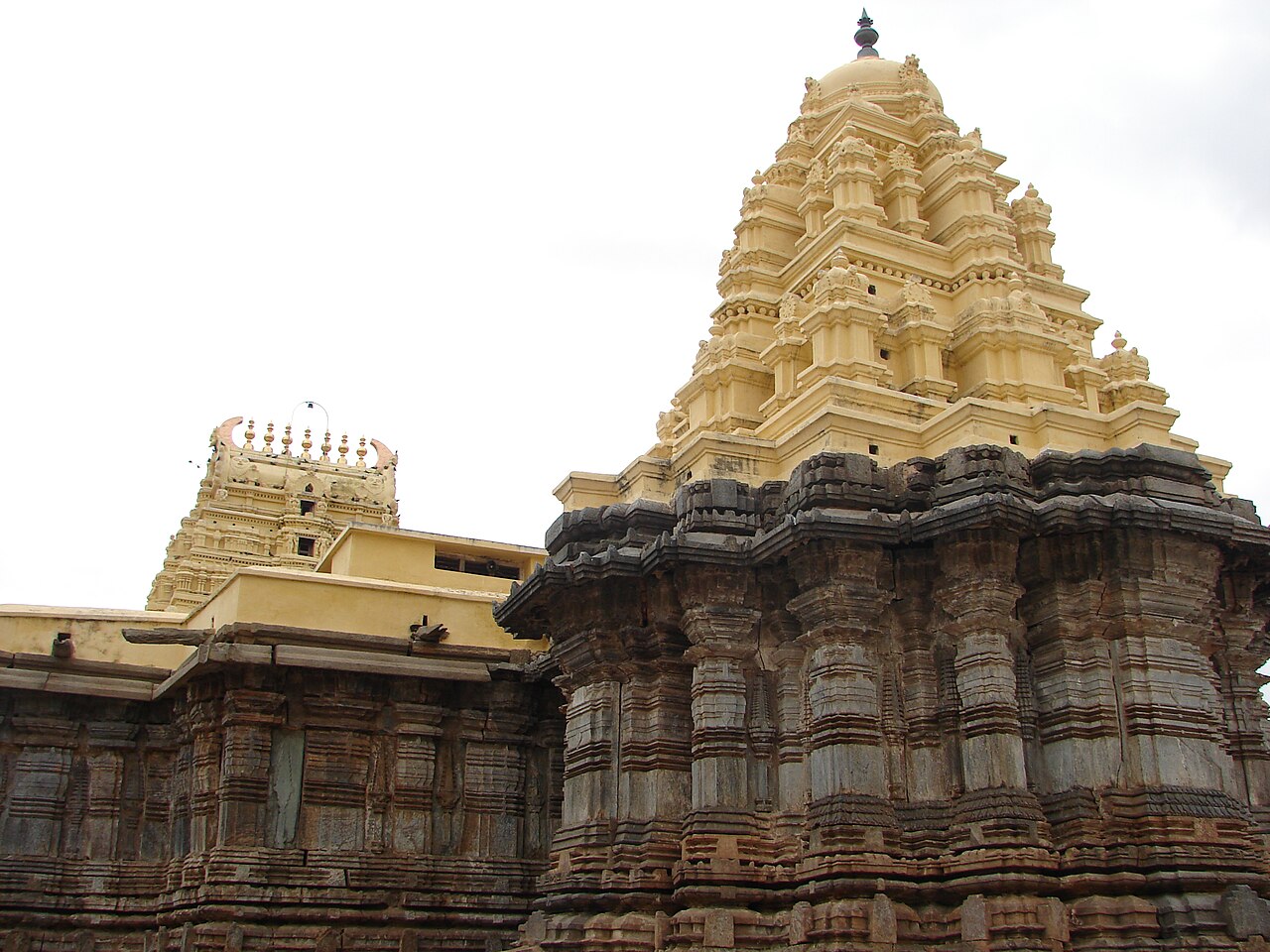
Saumyakeshava Temple, Nagamangala
The Saumyakeshava Temple at Nagamangala is a 12th-century Hoysala-era shrine dedicated to Lord Kesava (Vishnu), built with soapstone and featuring distinctive star-shaped archit…
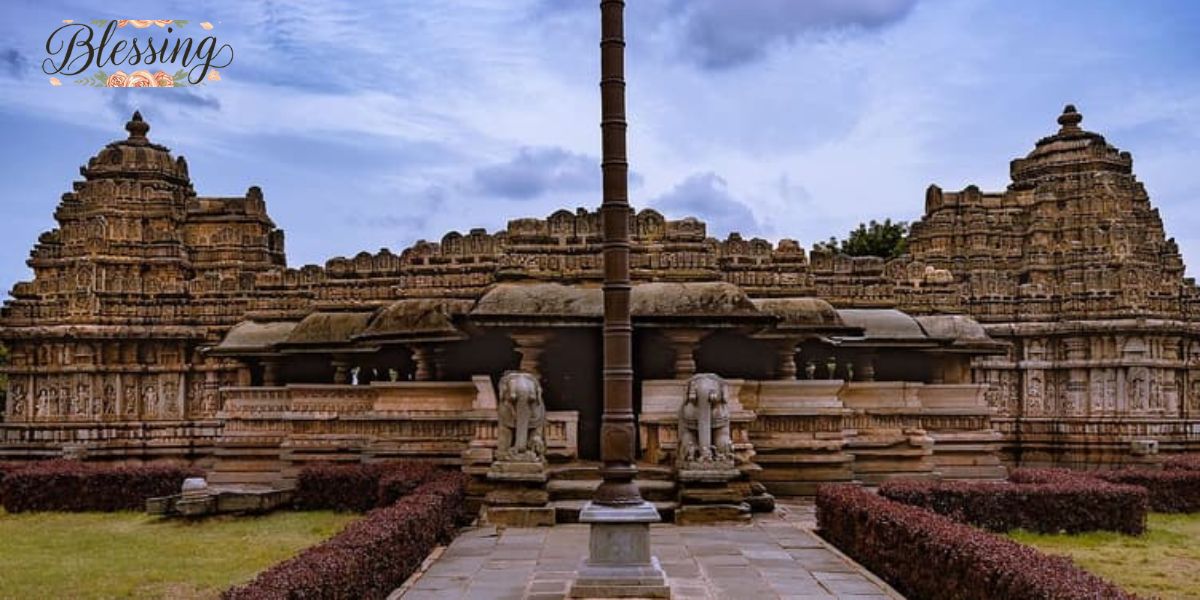
Chennakesava temple, Channarayapatna
Chennakeshava Temple in Belur is a UNESCO World Heritage Site commissioned by King Vishnuvardhana in 1117 CE, showcasing masterful Hoysala architecture completed over 103 years.…

Chennakesava temple, Anekere
Chennakeshava Temple in Belur, Hassan District, Karnataka, is a masterpiece of Hoysala architecture commissioned by King Vishnuvardhana in 1117 CE, renowned for its intricate sc…