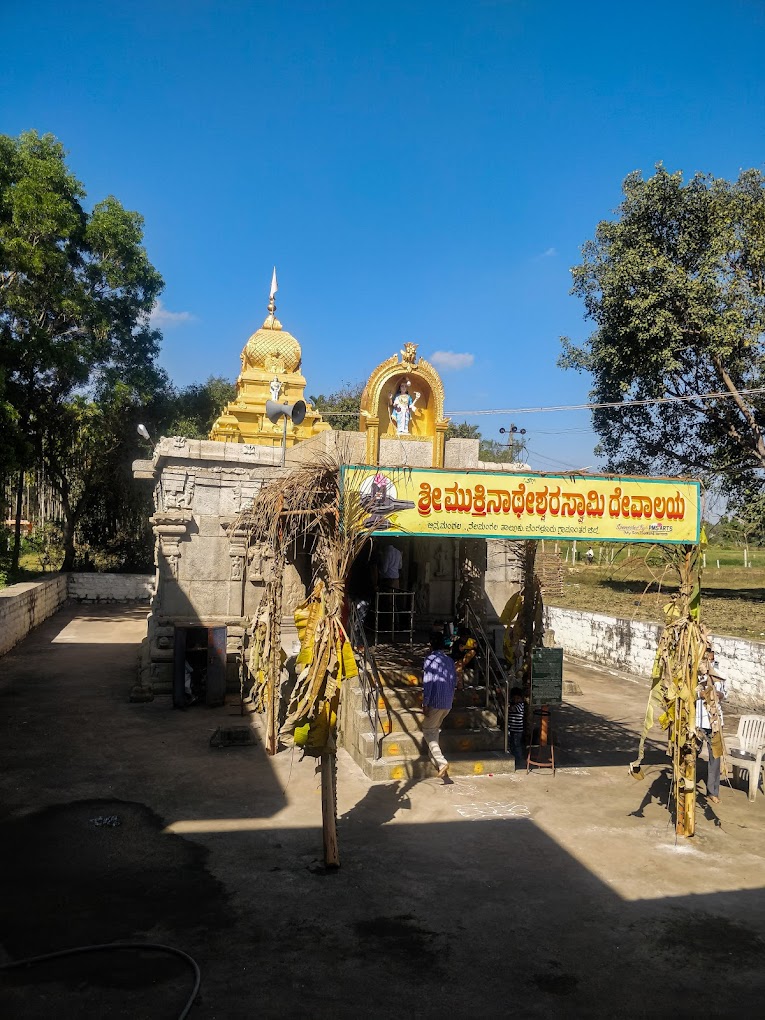
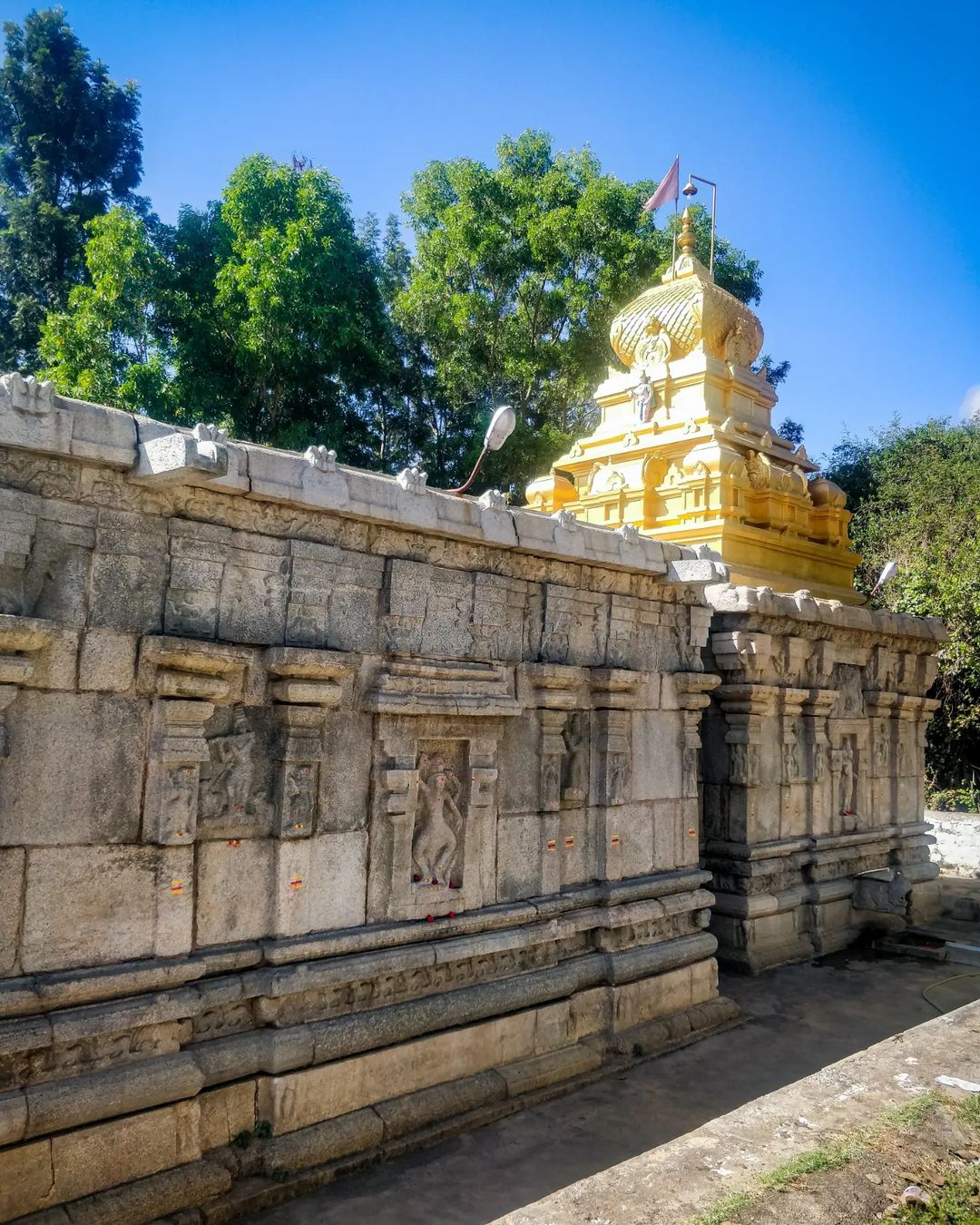
Mukthi Natheshwara Temple
About Mukthi Natheshwara Temple
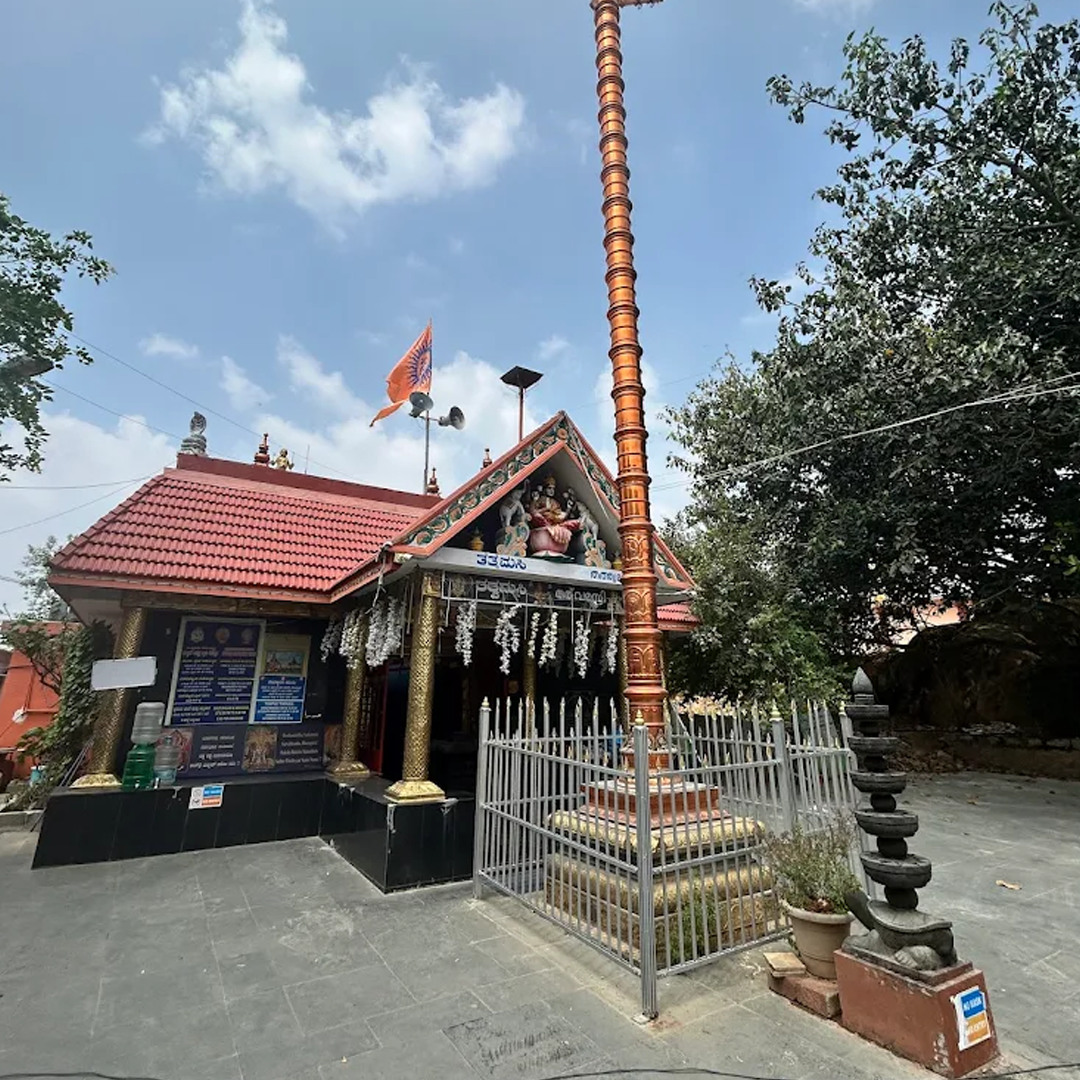
The temple's construction dates to the Rajaraja Chola period, a time of significant cultural and architectural achievement in South India. The Chola dynasty was renowned for its temple-building traditions, and this shrine reflects that heritage through its architectural design. The temple showcases Chola-period construction techniques and aesthetic principles, making it a historical landmark for those interested in understanding the region's architectural evolution.
The temple's age and design contribute to its spiritual atmosphere. Visitors approaching the shrine encounter architecture that has weathered centuries, with the physical structure itself serving as a testament to the continuity of worship at this site across generations.
Visiting Hours and Practical Information
The temple opens for darshan in two sessions. Morning hours run from 7:00 AM to 1:00 PM, while evening hours extend from 5:30 PM to 8:30 PM. These timings allow flexibility for both early risers and those visiting after work or other commitments. Mondays hold particular significance for Shiva devotees, making this day especially auspicious for worship at the temple.
Visitors should plan their visit according to these hours and check ahead if planning to visit on festival days, as special occasions may alter regular timings. The temple's location in an urban area means it is accessible during standard daylight and evening hours, though the specific facilities available to visitors—such as parking, ablution areas, or prasad distribution—are not detailed in available sources.
Worship and Spiritual Practice
As a Shiva temple, Mukthi Natheshwara follows the worship traditions associated with Shaivism. Devotees visit to seek the blessings of the deity, particularly for liberation from suffering and the fulfillment of sincere wishes. The temple's designation as a wish-fulfilling shrine suggests that devotees approach it with specific prayers and intentions, trusting in the deity's grace to address their concerns.
The practice of visiting on Mondays, a day traditionally associated with Shiva worship across Hindu temples, reflects the broader spiritual calendar observed by Shiva devotees. Regular worship and darshan at the temple form part of the devotional practice for those who regard Mukthi Natheshwara as their chosen deity.
Location and Access
The temple is situated at Binnamangala, Jyothi Nagar, Nelamangala Town, Bengaluru, Karnataka, with the postal code 562123. It lies on Nelamangala Main Road, placing it within reach of Bangalore's southeastern areas. The coordinates (13.087222222222, 77.418055555556) can be used with mapping applications to locate the exact site and plan travel routes.
Being within Bangalore's urban sprawl, the temple is accessible by local transportation, though specific details about parking facilities or public transit connections are not documented in available sources. Visitors planning to travel from central Bangalore should allow time for the journey to Nelamangala, as the temple is situated in the town's outskirts rather than in the city center.
What to Know Before Visiting
Visitors to Hindu temples typically observe basic etiquette: removing footwear before entering the sanctum, maintaining respectful behavior, and dressing modestly. While specific dress codes for this temple are not documented, standard practice at Shiva temples suggests avoiding revealing clothing. Photography policies and other specific regulations should be confirmed upon arrival or by contacting the temple directly.
The temple's relative obscurity means it may not have the extensive facilities found at larger, more prominent shrines. Visitors should come prepared with water and any personal necessities, and should not expect extensive amenities. The quiet nature of the temple, however, offers an advantage for those seeking a contemplative worship experience without the crowds typical of major pilgrimage sites.
How to reach
Temples near Mukthi Natheshwara Temple
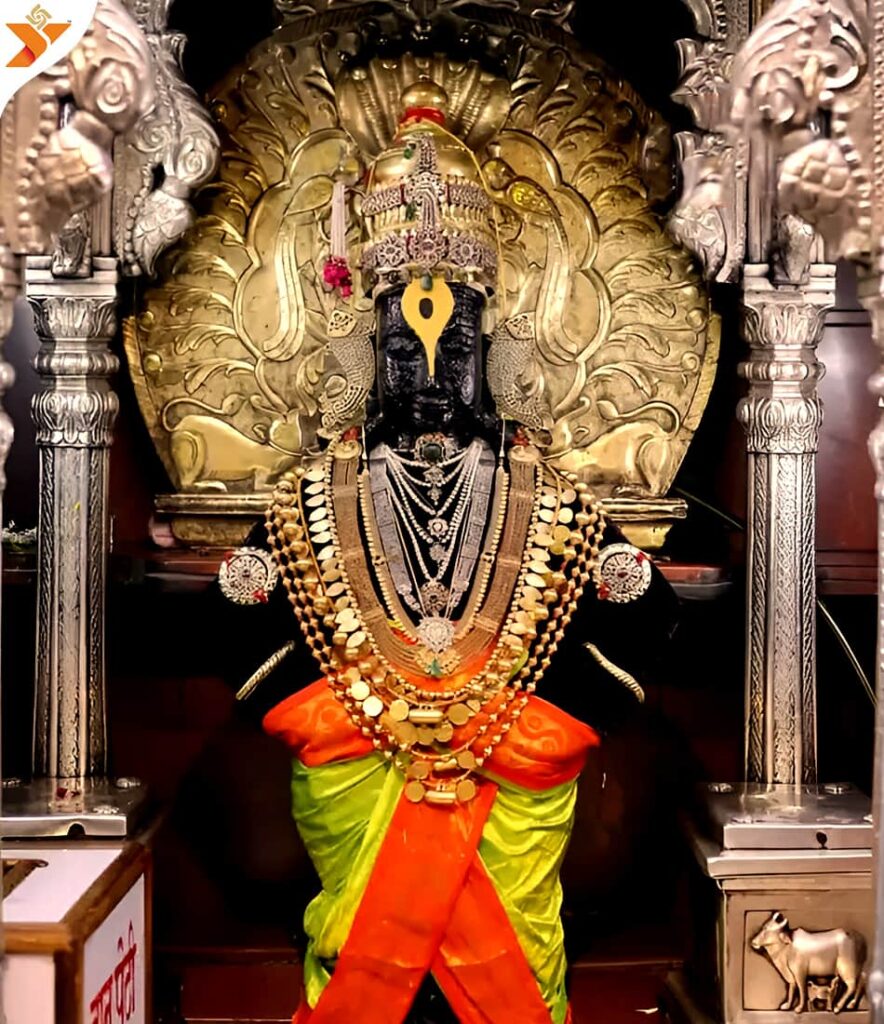
Sharadamba Temple
Sharadamba Temple in Sringeri is the principal seat of the Dakshinamnaya Sri Sharada Peetham, one of four monastic institutions established by Adi Shankaracharya in the 8th cent…

Sri Gayathri Devi Temple
Sri Gayathri Devi Temple in Bengaluru's Yeswanthpur area is dedicated to the goddess Gayathri and features Dravidian architecture with daily Vedic rituals and seasonal festivals.
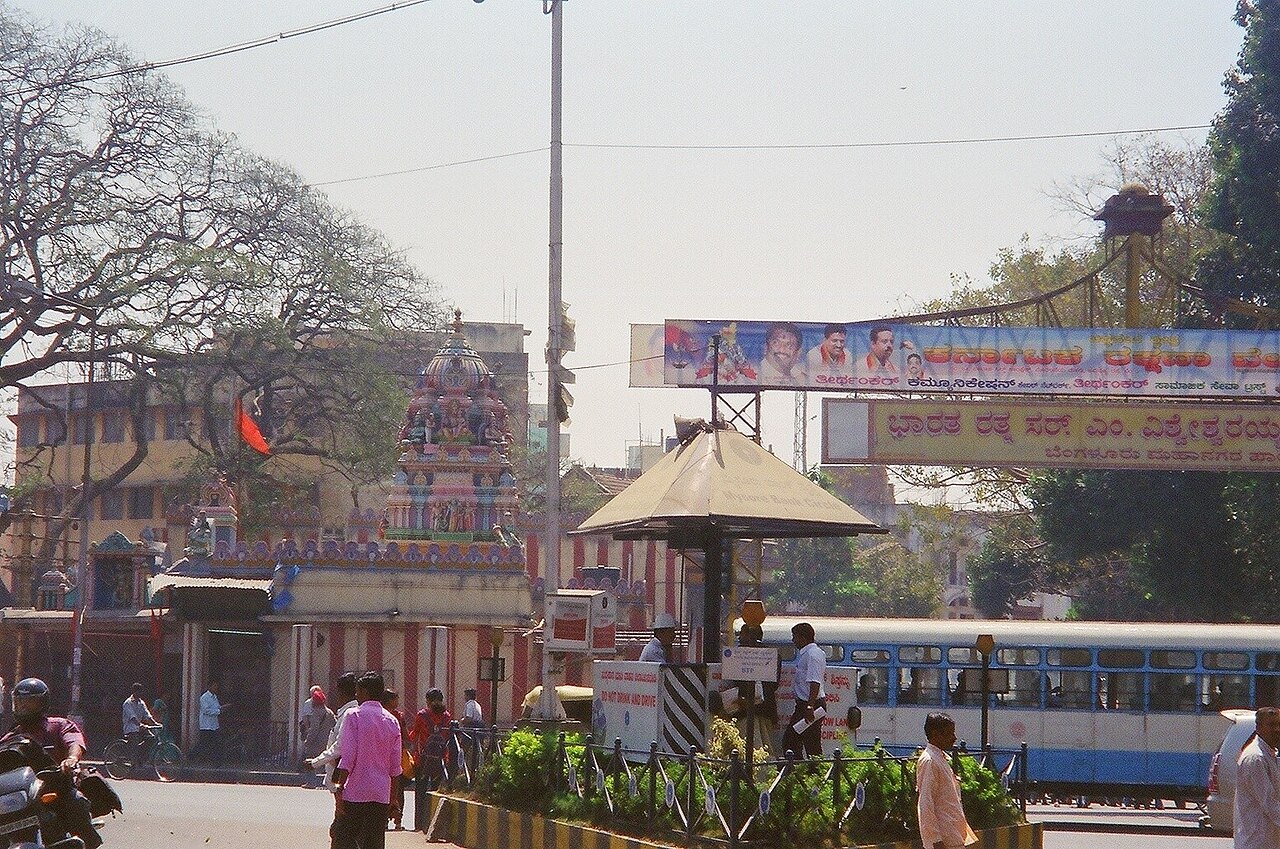
Yelahanka Gate Anjaneya Temple
An ancient Hanuman temple in Bangalore's historic Cubbonpete district, founded by Kempegowda and named after the Yelahanka gate of the former fort.

Sri Gangamma Devi Temple
Sri Gangamma Devi Temple is a shrine dedicated to the goddess Gangamma, located in the Malleshwara neighborhood of Bangalore's north-western area.
Sri Ayyappa
Gottigere Sree Ayyappa Temple in South Bangalore is a revered shrine dedicated to Lord Ayyappa, offering traditional Kerala-style rituals and serving as a spiritual anchor for d…

Kadu Malleshwara Temple
A 17th-century Shaivite shrine in Malleshwaram, Kadu Malleshwara Temple enshrines Lord Shiva as Sri Mallikarjuna Swamy and is believed to have inspired the locality's name.