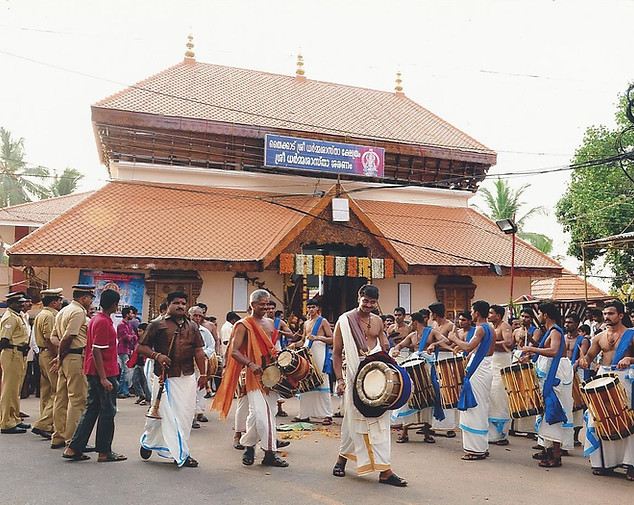
Kote Anjaneya
About Kote Anjaneya
The temple's origins extend over 500 years into the past. According to temple tradition, the Hanuman idol here was consecrated by Sri Vyasaraja, a revered saint and spiritual advisor to the Vijayanagara Empire, who is credited with installing hundreds of Hanuman idols across India. This connection to the Vijayanagara period places Kote Anjaneya within a broader historical movement of temple construction and religious patronage that shaped Karnataka's spiritual landscape.
The temple thus carries significance not only as a place of worship but as a surviving monument to this era of temple building and devotional practice.
Daily Worship and Darshan
The temple opens daily from 07:30 to 20:30, providing a substantial window for darshan—the viewing of the deity. Worship occurs throughout these hours, with devotees approaching the sanctum according to temple protocols and the guidance of temple staff. The extended operating hours accommodate both early morning visitors and those who prefer evening worship.
Visitors should dress modestly and respectfully, following conventions typical of Hindu temples. Shoes should be removed before entering the sanctum, and quiet, reverent behaviour is expected. Photography policies and specific guidelines regarding offerings should be confirmed upon arrival or by contacting the temple directly.
Festivals and Observances
Hanuman Jayanti, the birthday of Hanuman, is celebrated at the temple with heightened ritual activity and collective prayer. The sources indicate that other auspicious occasions are also marked with special ceremonies and festive observance, though specific festival dates and detailed ritual schedules are not detailed in available information. Devotees planning to visit during major festivals should contact the temple directly or consult local Hindu calendars, as these observances follow the lunar calendar and vary from year to year.
Weekends also draw visitors seeking a day trip from Bengaluru, making these periods busy times at the temple.
Visiting Information and Etiquette
The temple is situated near Sira Road in Chickpet, Tumkur, and can be reached by road from Bengaluru. Visitors should plan to arrive during the operating hours of 07:30 to 20:30. The best times to visit are during Hanuman Jayanti and other auspicious occasions, when the temple observes special rituals, or on weekends for those making day trips from the city.
Modest dress is essential—women typically wear salwar kameez, sarees, or similar traditional attire, while men wear simple clothing. Avoid shorts and sleeveless garments. Remove footwear before entering the inner sanctum. Maintain silence and reverent behaviour within the temple. Specific policies regarding photography, offerings, and other practices should be clarified with temple staff upon arrival.
Spiritual Significance
Hanuman is venerated across Hindu tradition as the embodiment of courage, devotion, and unwavering strength. Devotees approach this temple seeking protection from life's challenges, courage to overcome obstacles, and blessings for spiritual growth. The temple's setting—with its ancient roots, multiple shrines, and daily worship—creates an environment conducive to meditation and reflection for those seeking inner calm and divine connection.
How to reach
Temples near Kote Anjaneya

Seebi Narasimha Swamy Temple, Seebi
The Seebi Narasimha Swamy Temple, located 20 km north of Tumkur on National Highway 4 in Karnataka, enshrines Lord Narasimha in the sacred form of a shaligrama believed to have…
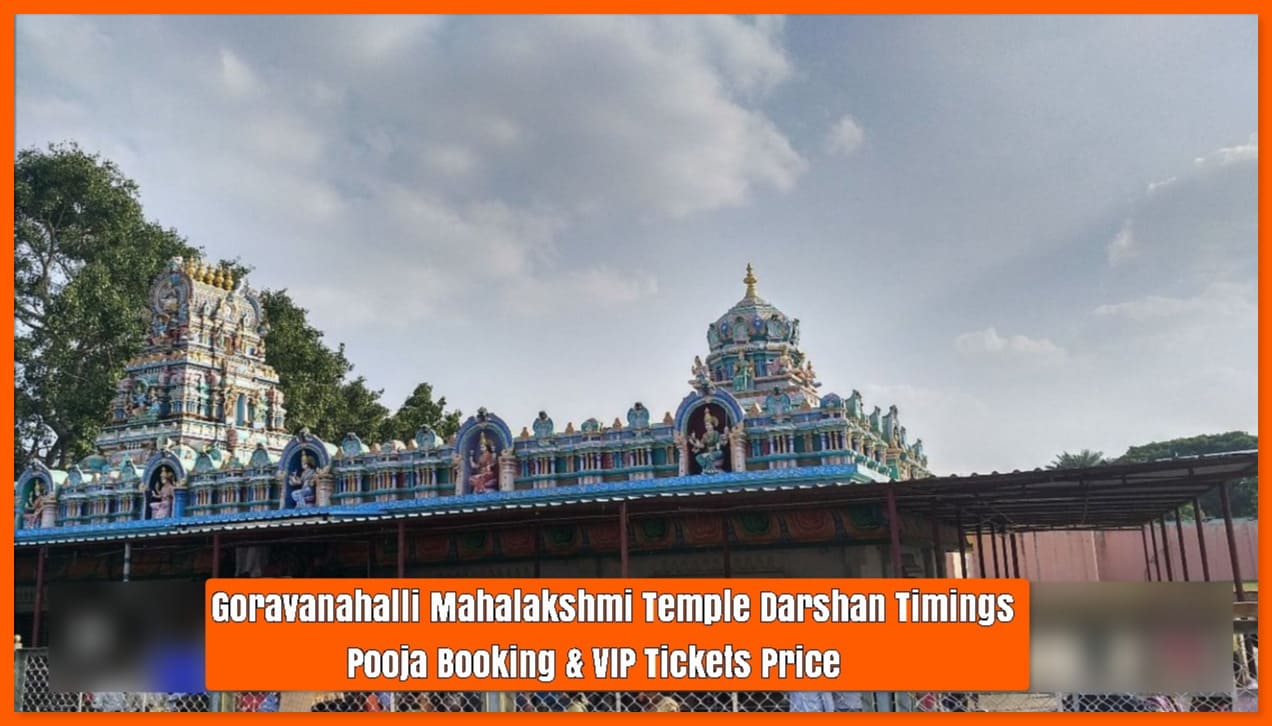
Goravanahalli Mahalakshmi Temple
Goravanahalli Mahalakshmi Temple in Tumkur district, Karnataka, is a Hindu shrine dedicated to Goddess Mahalakshmi, believed to house a self-manifested idol discovered by a cowh…
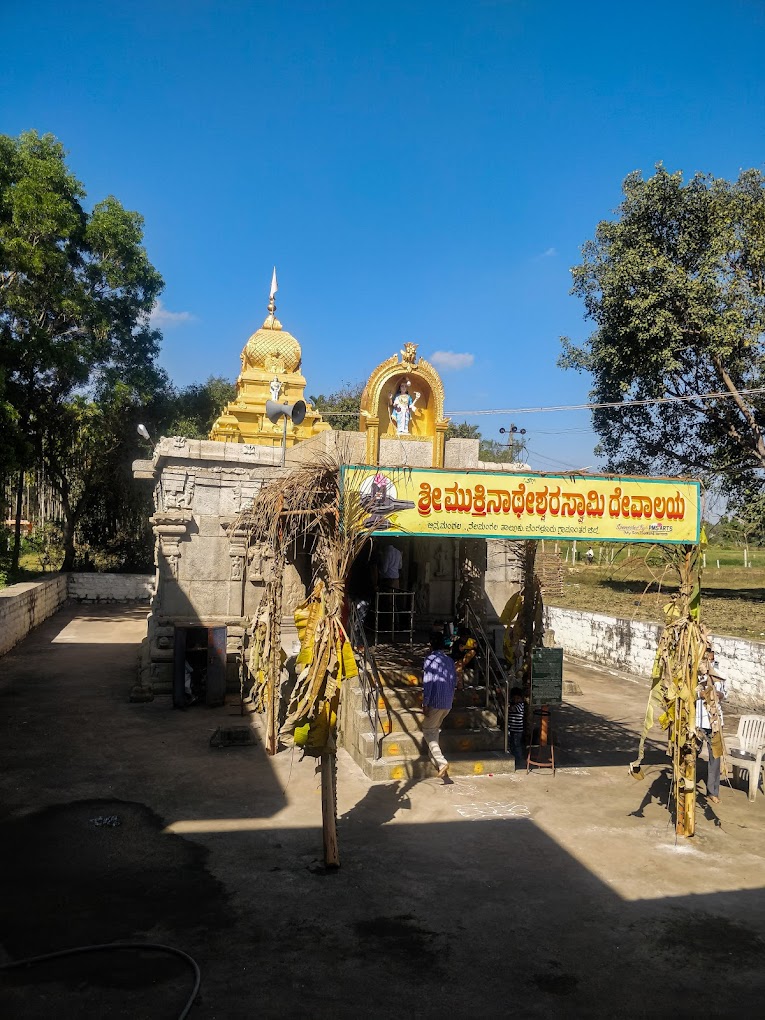
Mukthi Natheshwara Temple
Mukthi Natheshwara Temple in Binnamangala, Nelamangala, Karnataka is an ancient shrine dedicated to Lord Shiva, dating back approximately 1000 years to the Rajaraja Chola period.
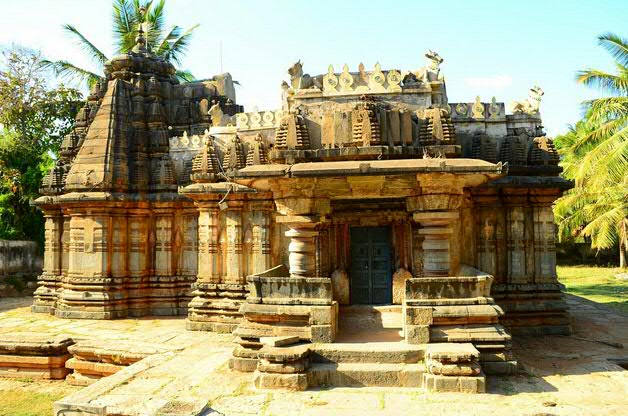
Moole Shankareshvara Temple, Turuvekere
The Moole Shankareshvara Temple in Turuvekere is a 13th-century shrine dedicated to Shiva, built during the Hoysala Empire and recognized as a protected archaeological monument.
Sharadamba Temple
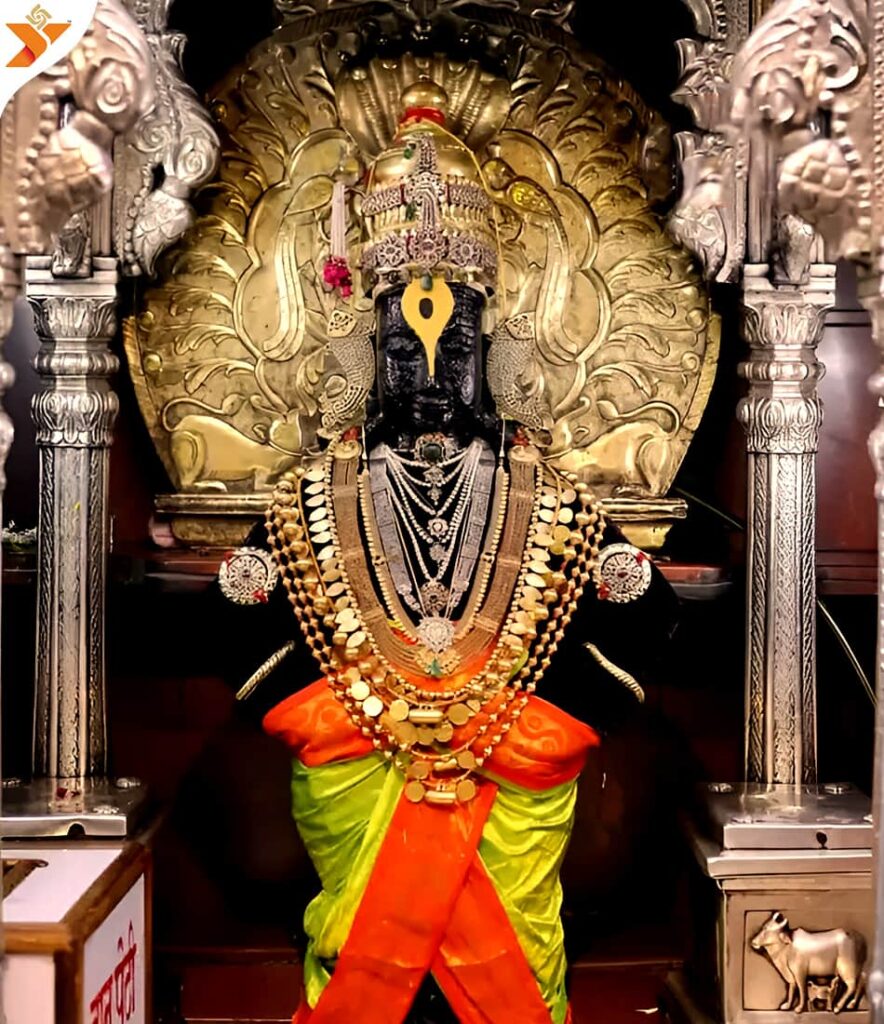
Sharadamba Temple in Sringeri is the principal seat of the Dakshinamnaya Sri Sharada Peetham, one of four monastic institutions established by Adi Shankaracharya in the 8th cent…
Yelahanka Gate Anjaneya Temple
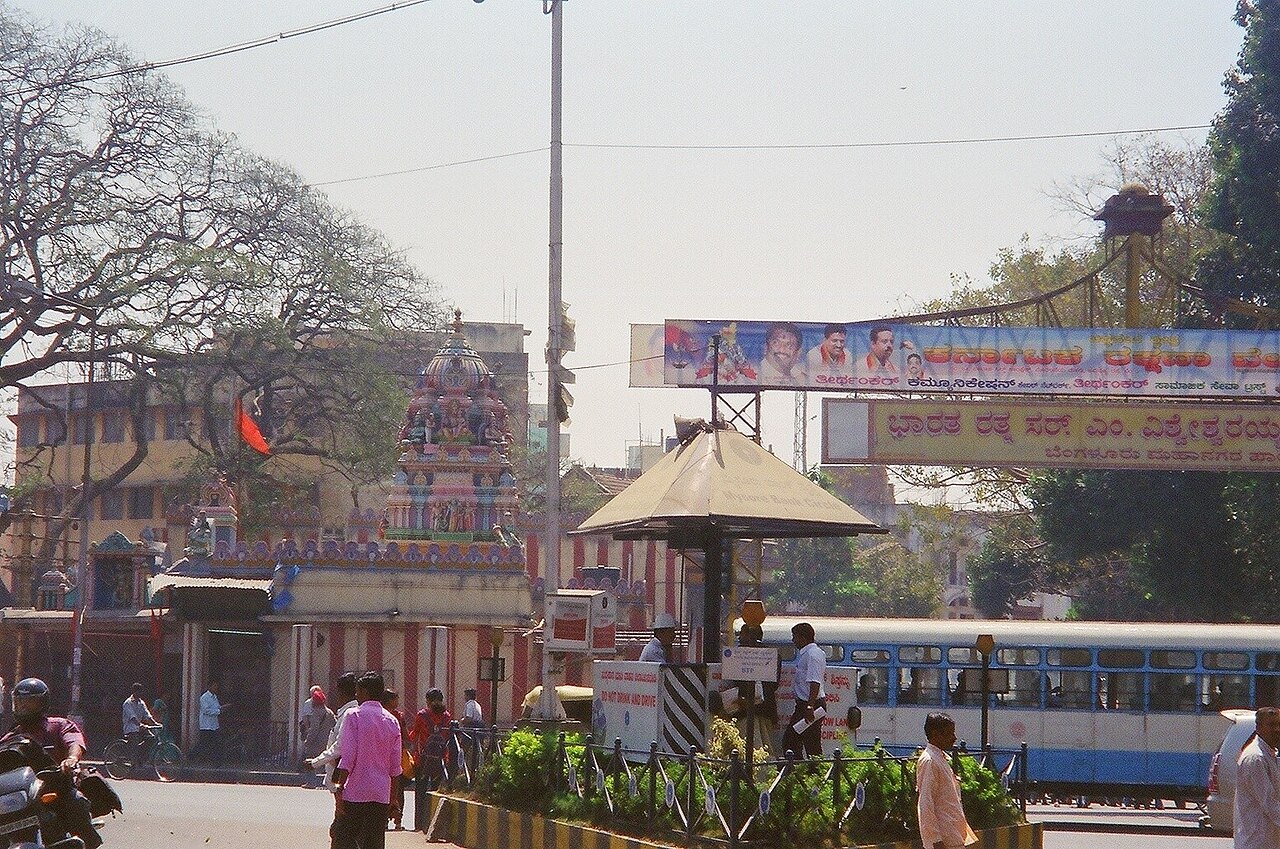
An ancient Hanuman temple in Bangalore's historic Cubbonpete district, founded by Kempegowda and named after the Yelahanka gate of the former fort.