
Ratangarh Mata Temple
About Ratangarh Mata Temple
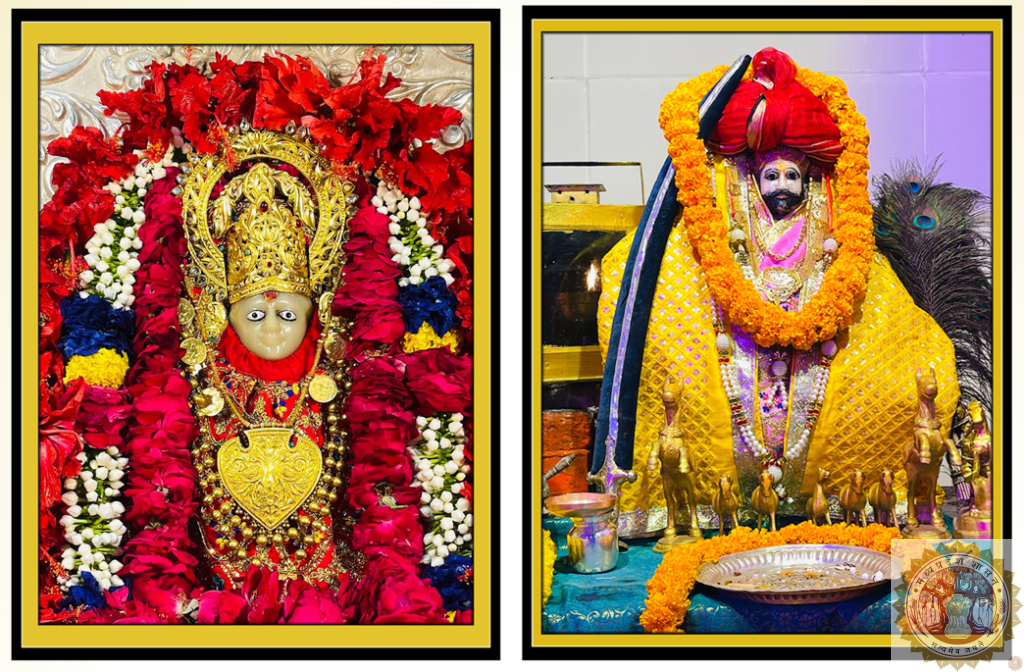
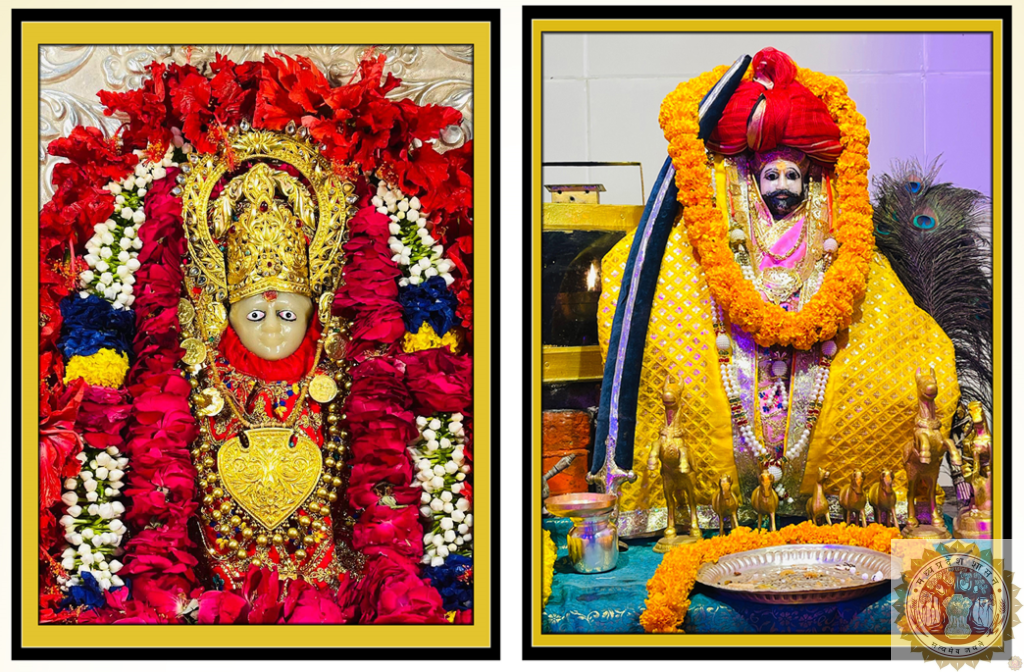
Local tradition associates this temple with a pivotal moment in Indian history. According to accounts preserved at the site, the temple served as a refuge and planning centre during the imprisonment of Maratha emperor Chhatrapati Shivaji Maharaj by Aurangzeb. The narrative describes how Shivaji's guru, Samarth Swami Ramdas, and another spiritual guide came to Ratangarh from Maharashtra and conducted spiritual practice at the temple while orchestrating Shivaji's escape. The account credits the temple with hosting the strategic preparations that led to Shivaji's release along with his son. Following his liberation, Shivaji is said to have visited the temple to offer his respects and to have commissioned restoration work. The first bell offered to the goddess is traditionally attributed to Shivaji himself, establishing a practice that continues to the present day.
The Sacred Bell and Devotional Offerings
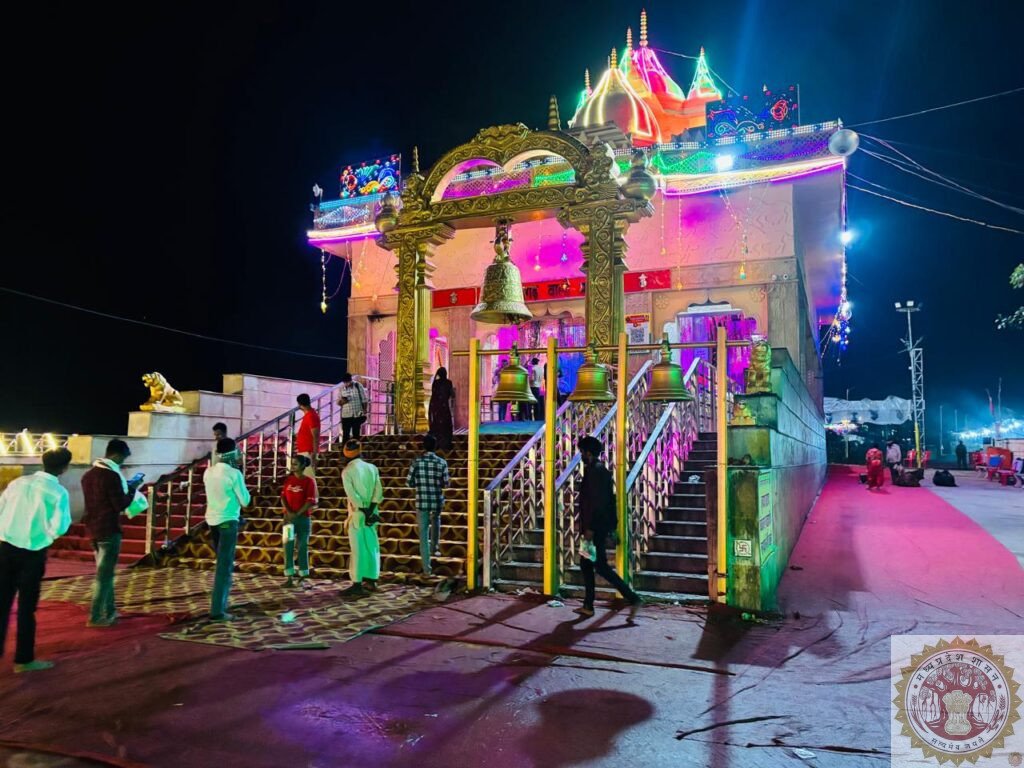
The temple is notable for its collection of bells, a practice rooted in the votive traditions of Hindu worship. What began as individual offerings evolved into a significant feature of the shrine. In 2015, temple administration made a decision to consolidate thousands of smaller bells into a single large bell rather than auctioning them individually. This new bell, cast from nine metals and weighing approximately 1,935 kilograms, was installed in October 2015. The bell's design allows it to be rung easily by visitors of all ages and physical capacity, from children to elderly devotees, despite its considerable weight. The supporting pillars that hold the bell weigh approximately three tonnes. This bell has become a distinctive feature of the temple, representing both the accumulated devotion of countless visitors and a modern expression of the temple's spiritual purpose.
Darshan Times and Daily Worship
The temple maintains two daily darshan periods. Morning darshan runs from 6:00 AM to 12:00 PM, while evening darshan operates from 4:00 PM to 9:00 PM. Both morning and evening aartis (ritual worship ceremonies) are performed, though exact timings may vary with the calendar and festival observances. Visitors should confirm current timings before arrival, as schedules can shift seasonally. The temple's accessibility during these extended hours accommodates both early risers and those visiting in the late afternoon or evening. The regular performance of aartis indicates an active priesthood maintaining daily worship according to Hindu temple traditions.
The Bhai Dooj Fair and Seasonal Pilgrimage
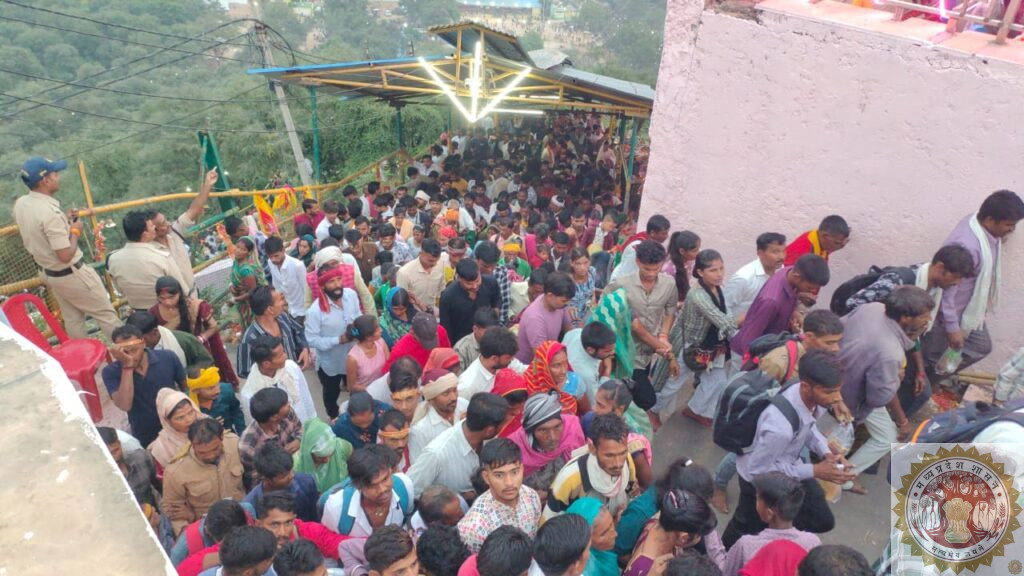
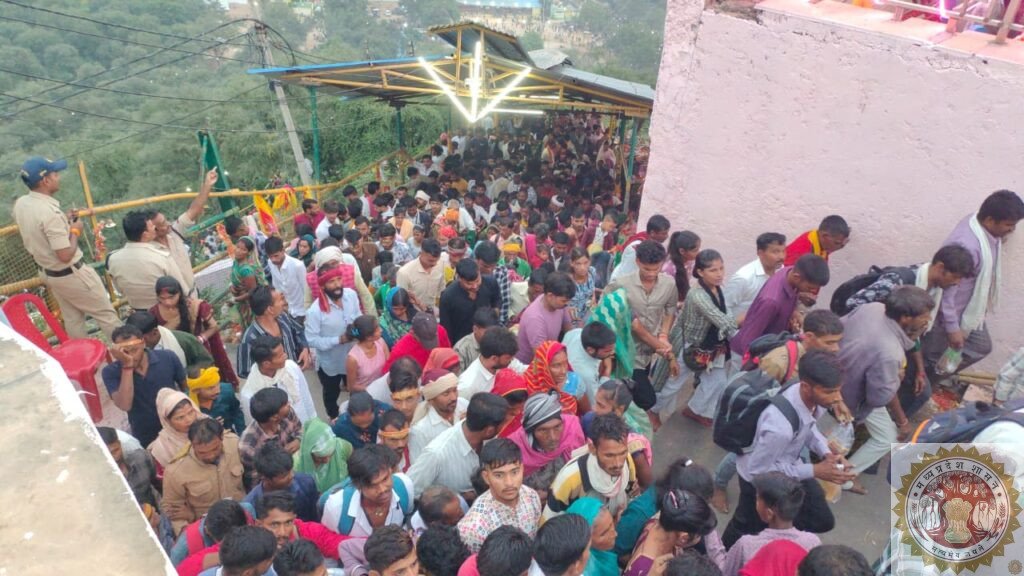
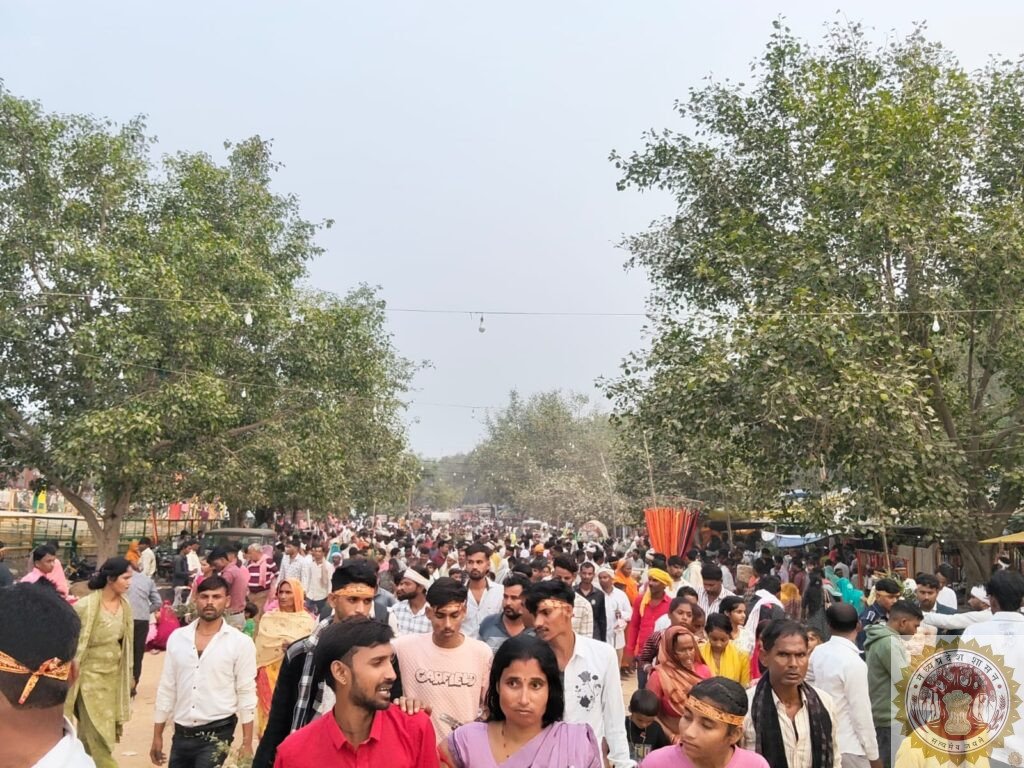
The temple hosts a significant fair during Bhai Dooj, the festival celebrated on the second day after Diwali. This fair draws large numbers of devotees and reflects the temple's importance as a regional pilgrimage site. Local tradition connects the fair to the story of a brother and sister—Kunwar Ganga Ramdev and his sister Mandula—whose devotion to one another was so profound that when the sister took samadhi (conscious departure from life), the brother followed. The fair commemorates this bond and the temple's association with familial devotion and protection. The fair also attracts tribal communities from the surrounding region, making it a gathering that blends devotional practice with local cultural expression.
Visiting the Temple: Practical Information
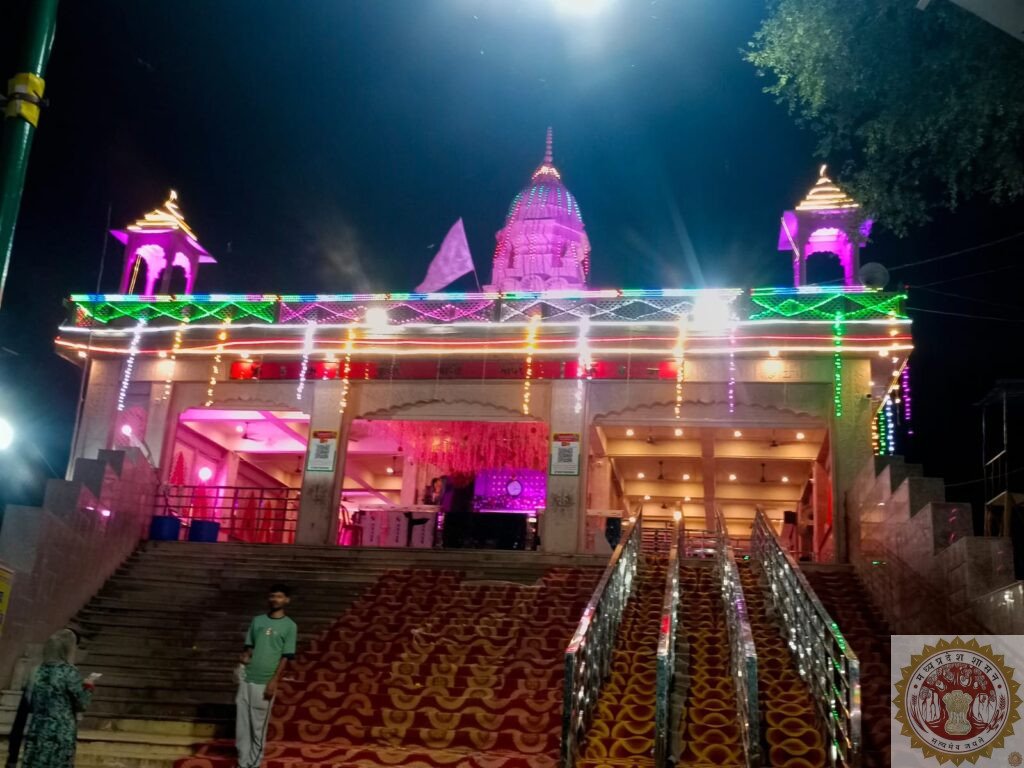
The temple is located in Tahseel-Seondha, Datia District, Madhya Pradesh. The best season for visiting is October through March, when the climate is cooler and more comfortable for travel. Visitors should dress modestly as is customary at Hindu temples, covering shoulders and knees. The temple can be contacted at the numbers provided for enquiries about current timings, special ceremonies, or accommodation arrangements. As with most Hindu temples, shoes are typically removed before entering the inner sanctum, and visitors should approach the deity with respectful demeanor. The forest setting means the approach may involve walking through natural terrain, so appropriate footwear for the journey to the temple is advisable.
How to reach
Temples near Ratangarh Mata Temple
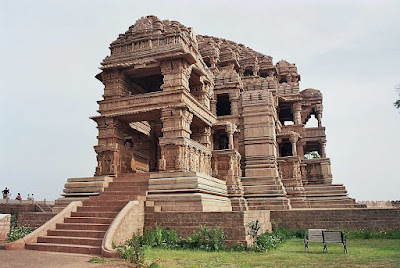
Sasbahu Temple, Gwalior
Twin 11th-century temples within Gwalior Fort dedicated to Aniruddha (Vishnu avatar) and Shiva, built between 1090–1093 by King Mahipala of the Kachchhapaghata dynasty for his w…
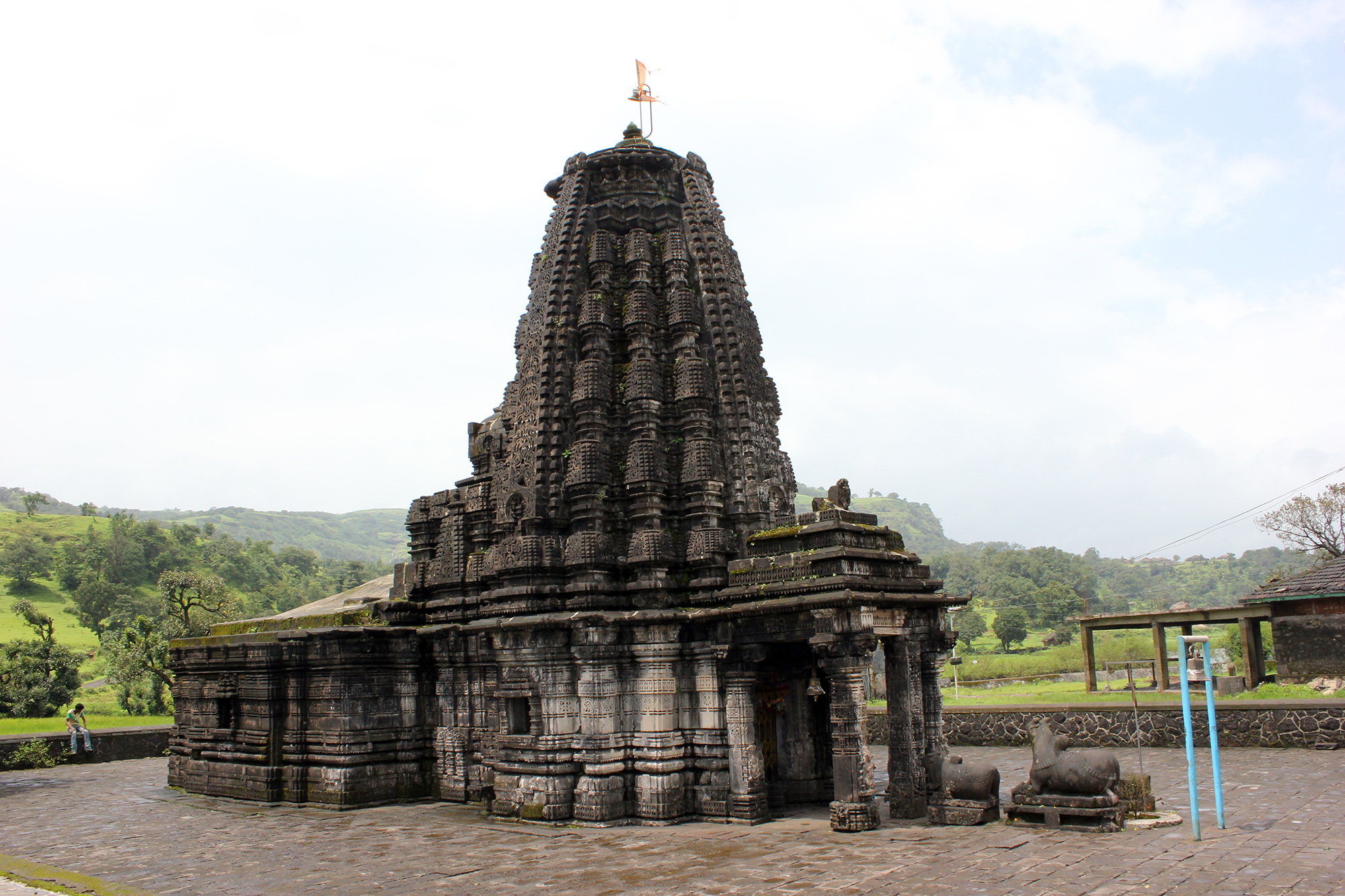
Chaturbhuj Temple
Chaturbhuj Temple in Orchha, Madhya Pradesh, is a 16th-century Hindu shrine dedicated to Rama, an avatar of Vishnu, featuring a distinctive blend of temple, fort, and palatial a…
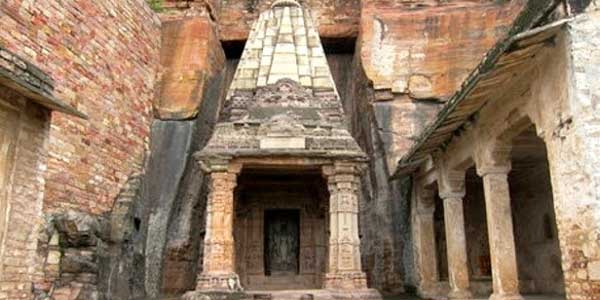
Chaturbhuj Temple, Gwalior
Chaturbhuj Temple, also known as the Temple of Zero, is a ninth-century rock-cut shrine within Gwalior Fort dedicated to Vishnu in his four-armed form. It houses the world's old…

Teli ka Temple
Teli ka Temple, nestled within Gwalior Fort in Madhya Pradesh, is an ancient shrine dedicated to Shiva, Vishnu, and the Matrikas, dating to the early 8th–9th century CE and reco…
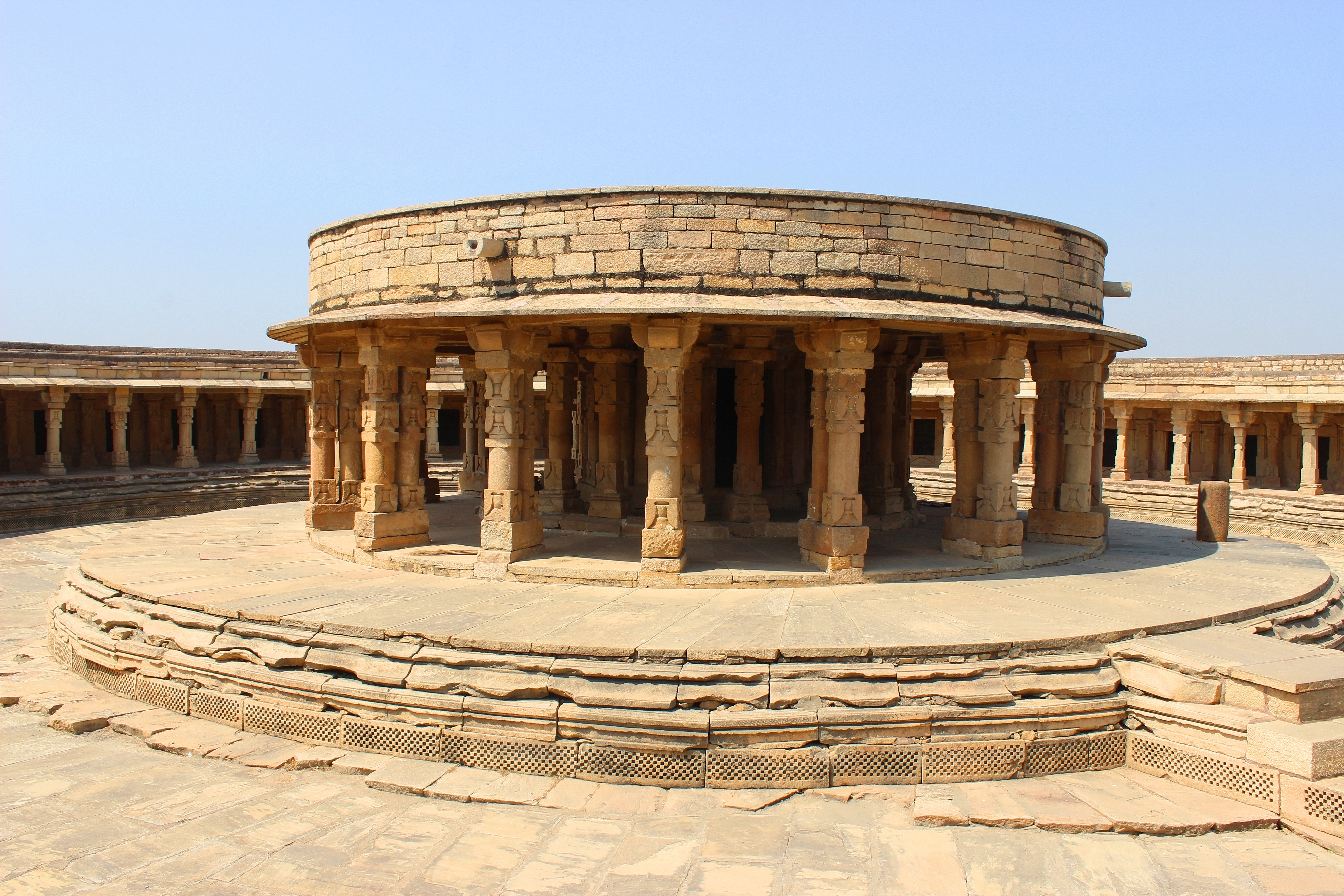
Chausath Yogini Temple, Mitaoli
An 11th-century circular Yogini temple in Morena district, Madhya Pradesh, featuring 65 chambers dedicated to 64 yoginis and the goddess Devi, built during the Kachchhapaghata r…

Garhi Padavali Temple
Garhi Padavali is a 10th-century Shiva temple later fortified in the 18th century, featuring ornate carvings reminiscent of Khajuraho within a medieval fortress structure in Mor…