Rasmancha of Shridhar temple
About Rasmancha of Shridhar temple
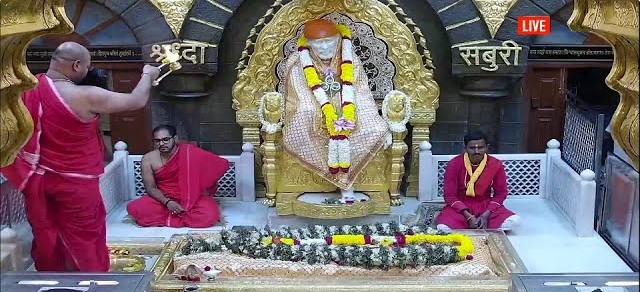
The temple operates from 04:45 in the morning until 22:00 at night, with formal darshan (viewing of the deity) beginning at 06:25. Four principal aartis (ritual worship ceremonies) structure the devotional day: the Kakad Aarti at 05:15, the Madhyan Aarti at noon, the Dhoop Aarti during sunset hours (18:00–19:00), and the Shej Aarti at night (22:00). Each aarti lasts approximately 30 to 40 minutes and concludes with the distribution of prasadam (blessed food).
Beyond the daily aartis, the temple offers several formal sevas (ritual services) available to devotees. Abhishekam, performed each morning from 05:00 to 06:30, involves ritual bathing of the deity and costs Rs. 1,000 per ticket (maximum two people). The Palki seva, held every Thursday at 18:00, allows devotees to participate in carrying the palanquin and costs Rs. 2,000 per ticket (two people permitted). Tickets for the aartis are priced at Rs. 600 per person. Prasadam is distributed following all sevas.
Visiting the Temple: Practical Information
The temple is located in Shirdi, Maharashtra, at coordinates 22.664386111111, 87.651583333333. Online booking for darshan passes is strongly recommended and can be arranged through the official Shree Saibaba Sansthan Trust website for the following five days; offline passes are limited and distributed on a first-come, first-served basis. Devotees should bring valid identification and their booking acknowledgement to the verification counter.
Current guidelines require physical distancing and face masks while visiting. Devotees aged 65 and above, as well as pregnant women, must present proof of full vaccination (both doses completed at least 15 days prior) to access darshan services. The temple does not authorize agents for online bookings; all reservations should be made directly through official channels to avoid fraud.
The Temple Complex and Atmosphere
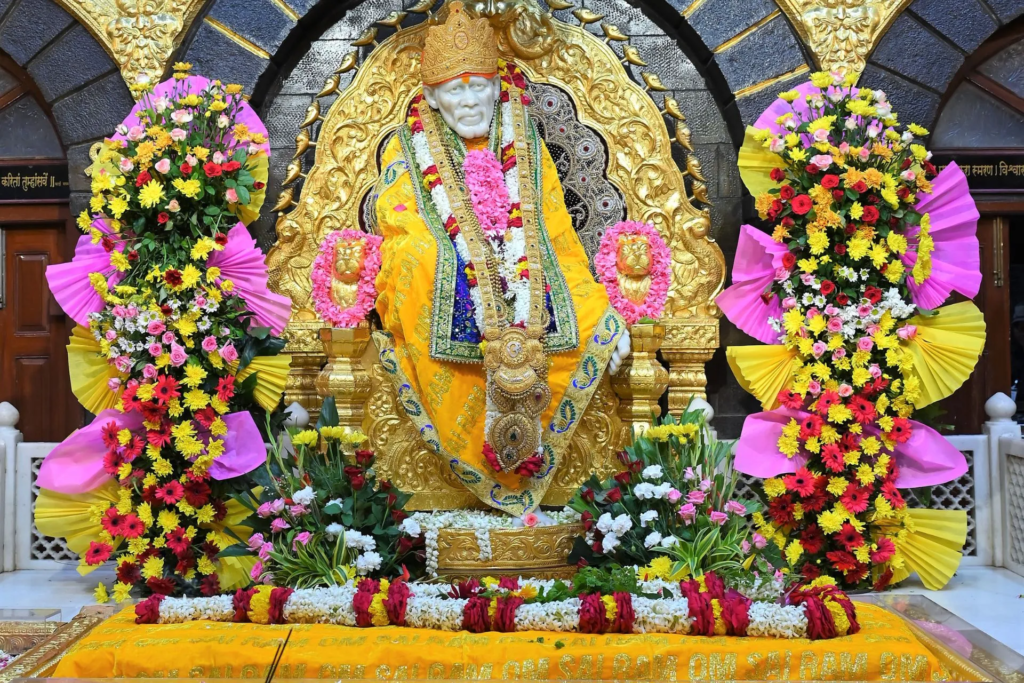
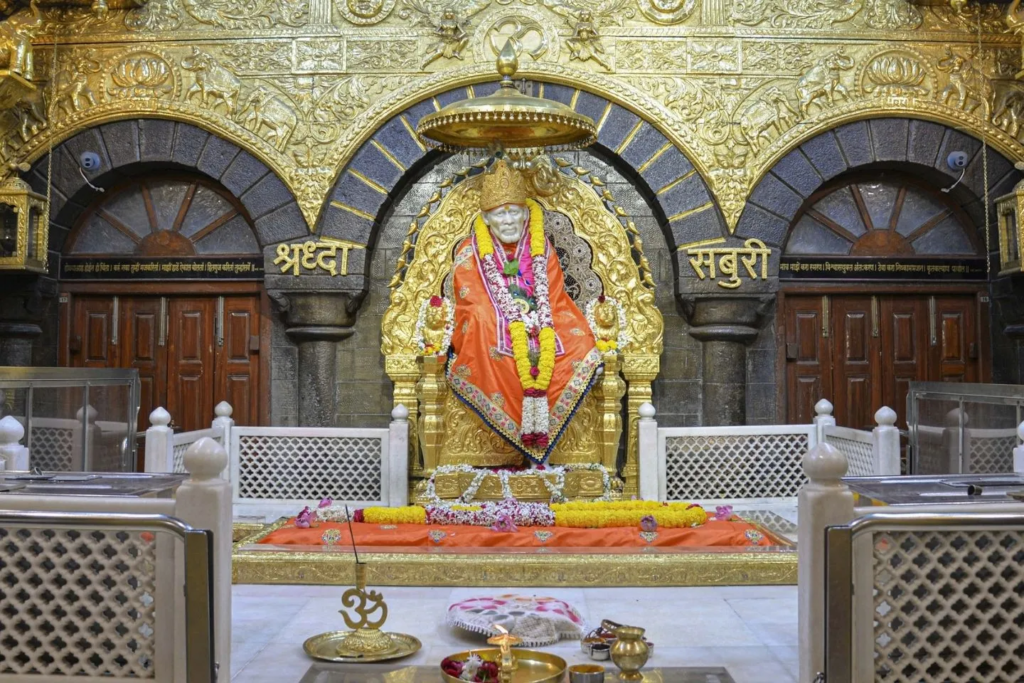
The temple is known for its serene environment and clean surroundings, designed to welcome devotees from all backgrounds and walks of life. The natural beauty of Shirdi, combined with the spiritual energy centered on the samadhi, creates an atmosphere conducive to introspection and peace. The complex's architecture reflects its role as a place of universal devotion, where visitors unite in their reverence for Sai Baba regardless of caste, creed, or religious affiliation.
The temple's accessibility and inclusive design ensure that pilgrims of varying physical abilities can participate in worship. The various structures within the complex—including Dwarkamai and the Chavadi—allow visitors to trace the saint's life and deepen their understanding of his teachings through physical pilgrimage within the sacred grounds.
Sai Baba's Message and Spiritual Significance
Sai Baba's core teachings center on faith in the divine, compassion toward all beings, and service to humanity as pathways to spiritual liberation. His life and legacy transcend sectarian boundaries, attracting devotees from diverse religious traditions who find in his message a universal spirituality. Visitors to the temple often seek blessings for health, prosperity, happiness, and spiritual growth, viewing the samadhi as a place where Baba's protective and healing presence remains accessible.
The chanting of devotional phrases such as "Om Sai Ram" and invocations like "Sri Sachidananda Sadguru Sai Nath Maharaj Ki Jai" form part of the devotional practice at the temple, allowing pilgrims to participate in the collective spiritual energy of the site.
How to reach
Temples near Rasmancha of Shridhar temple
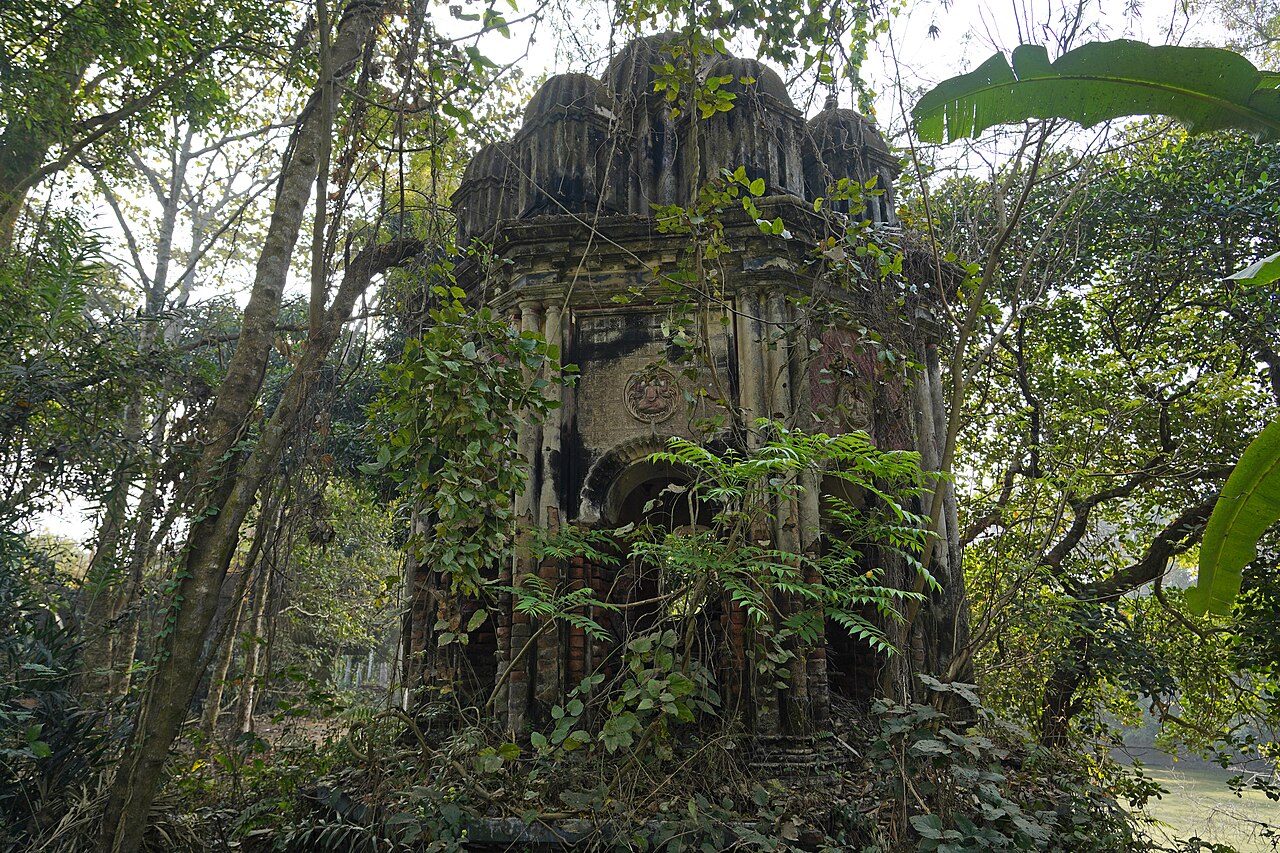
Rasmancha of Gopinath temple of Goswami family
The Rasmancha of Gopinath temple of Goswami family is a wooden and brick performance structure built in 1896 in Daspur I, West Bengal, traditionally used for Krishna Lila theatr…
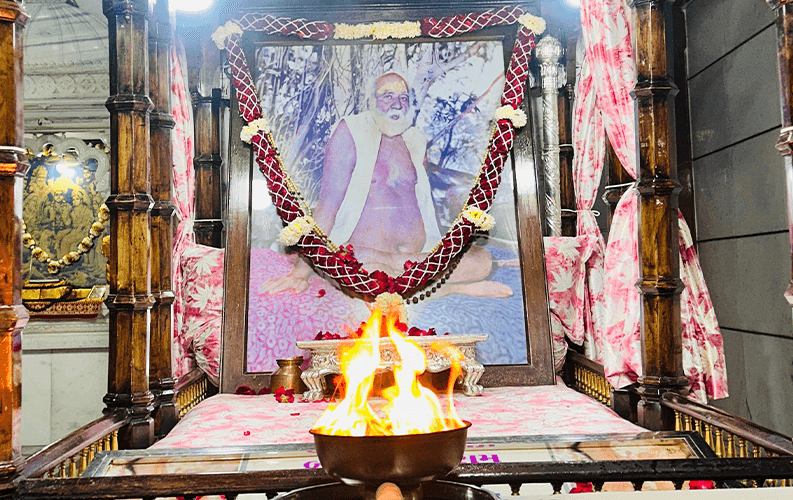
Rasmancha of Sitaram temple of Bera family
A historic rasmancha (performance stage) dedicated to Lord Rama, built by the Bera family in 19th-century Bengal. This traditional structure serves as a venue for Krishna devoti…
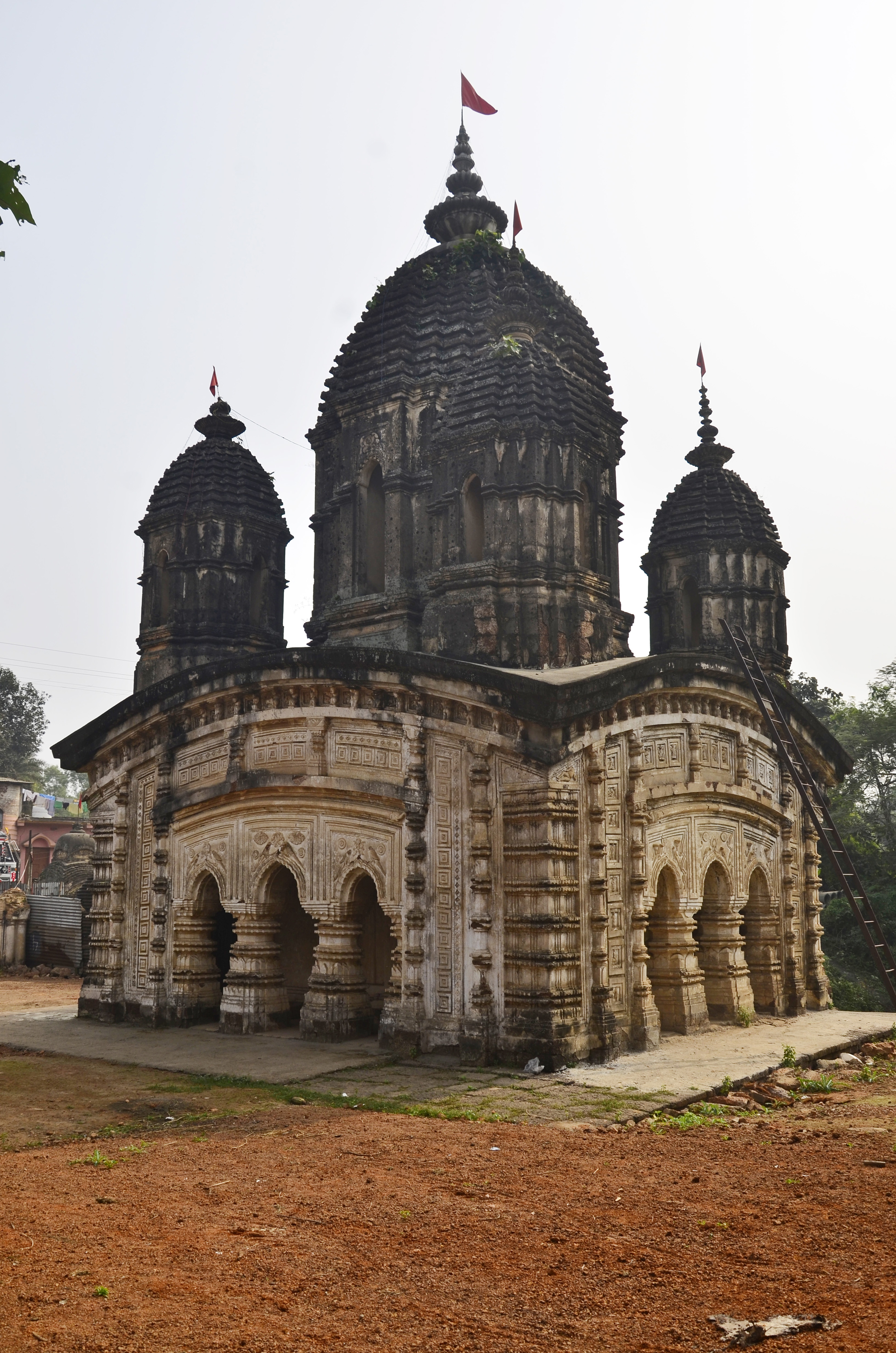
Malleswara Shiva Temple
Malleswara Shiva Temple is an 18th-century pancha-ratna shrine dedicated to Lord Shiva, located in Chandrakona within West Bengal's Paschim Medinipur district.
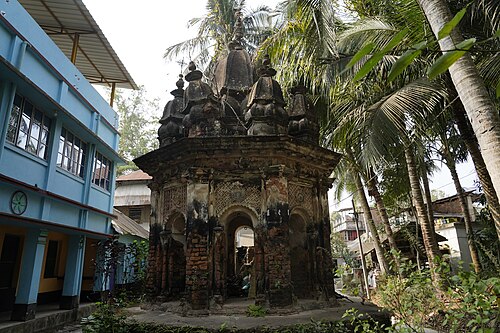
Rasmancha of Shridharjiu temple of Hazra family
The Rasmancha of Shridharjiu temple is a traditional performance stage maintained by the Hazra family in Daspur I block, Ghatal subdivision, West Bengal, believed to have been u…
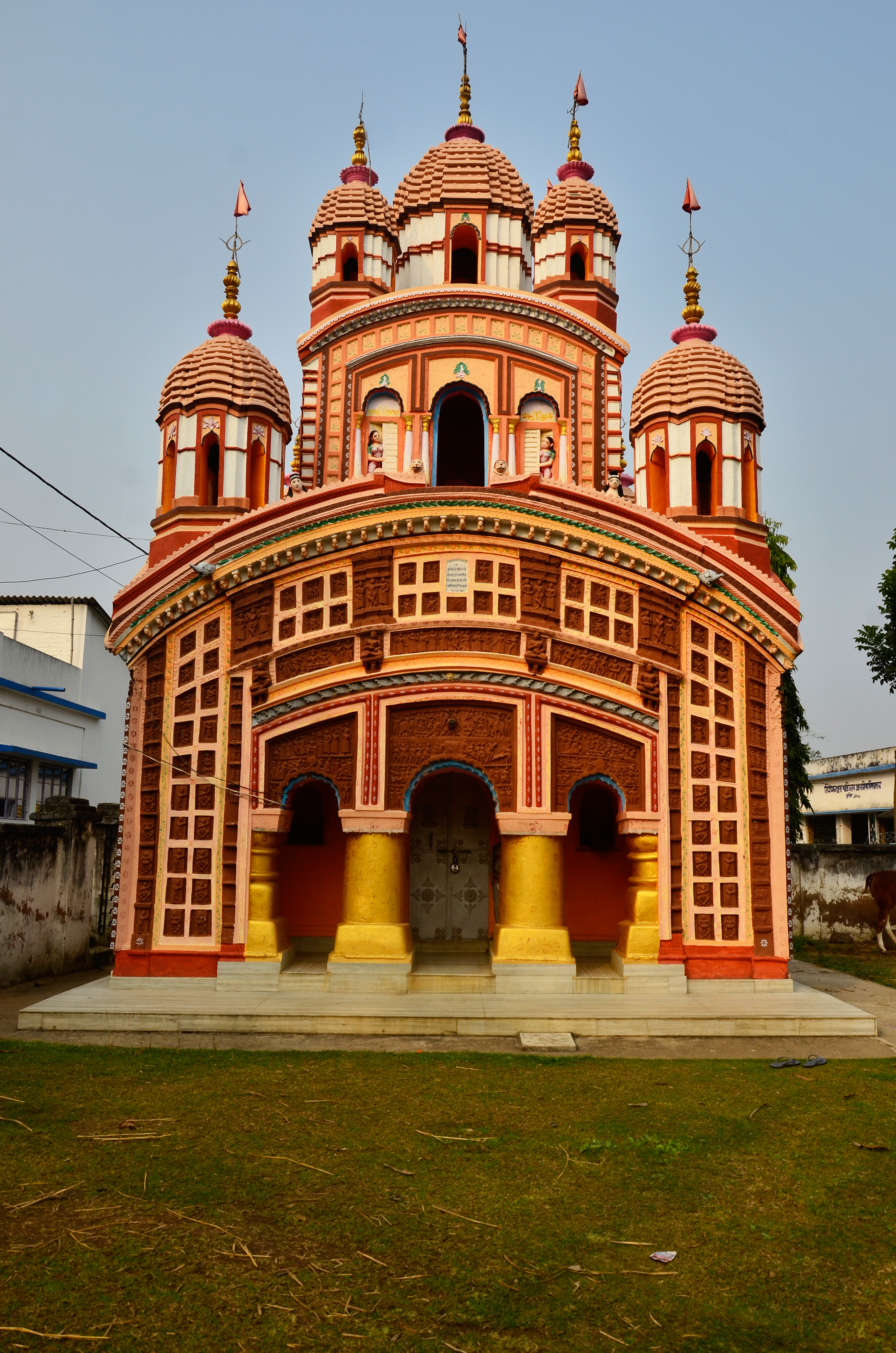
Shantinath Shiva Temple
Shantinath Shiva Temple is a nava-ratna style shrine constructed in 1828 at Mitrasenpur in West Bengal's Paschim Medinipur district, featuring the distinctive nine-tower archite…
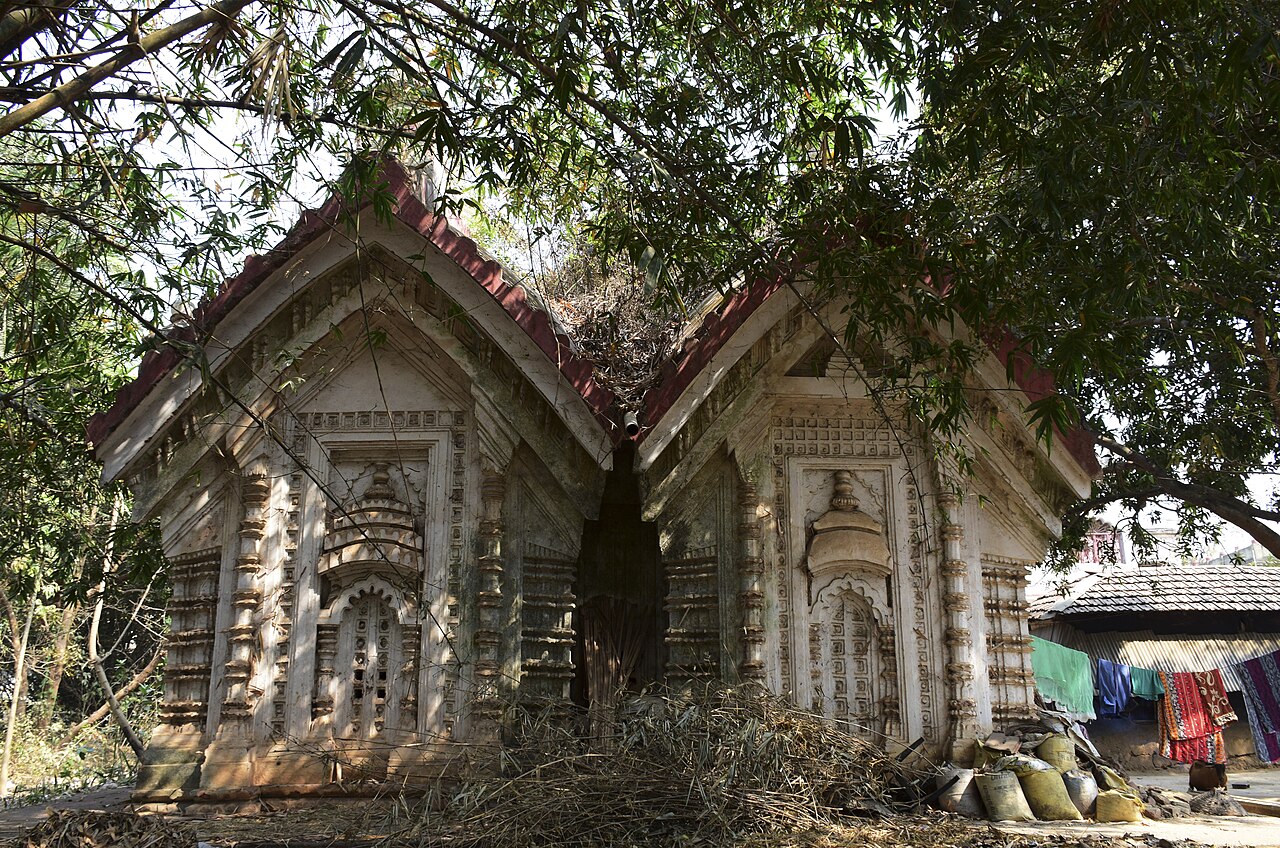
Chandrakona Jorbangla Temple
Chandrakona Jorbangla Temple is a 17th-century stone structure in West Bengal showcasing regional Bengal architectural traditions with intricate carved details.