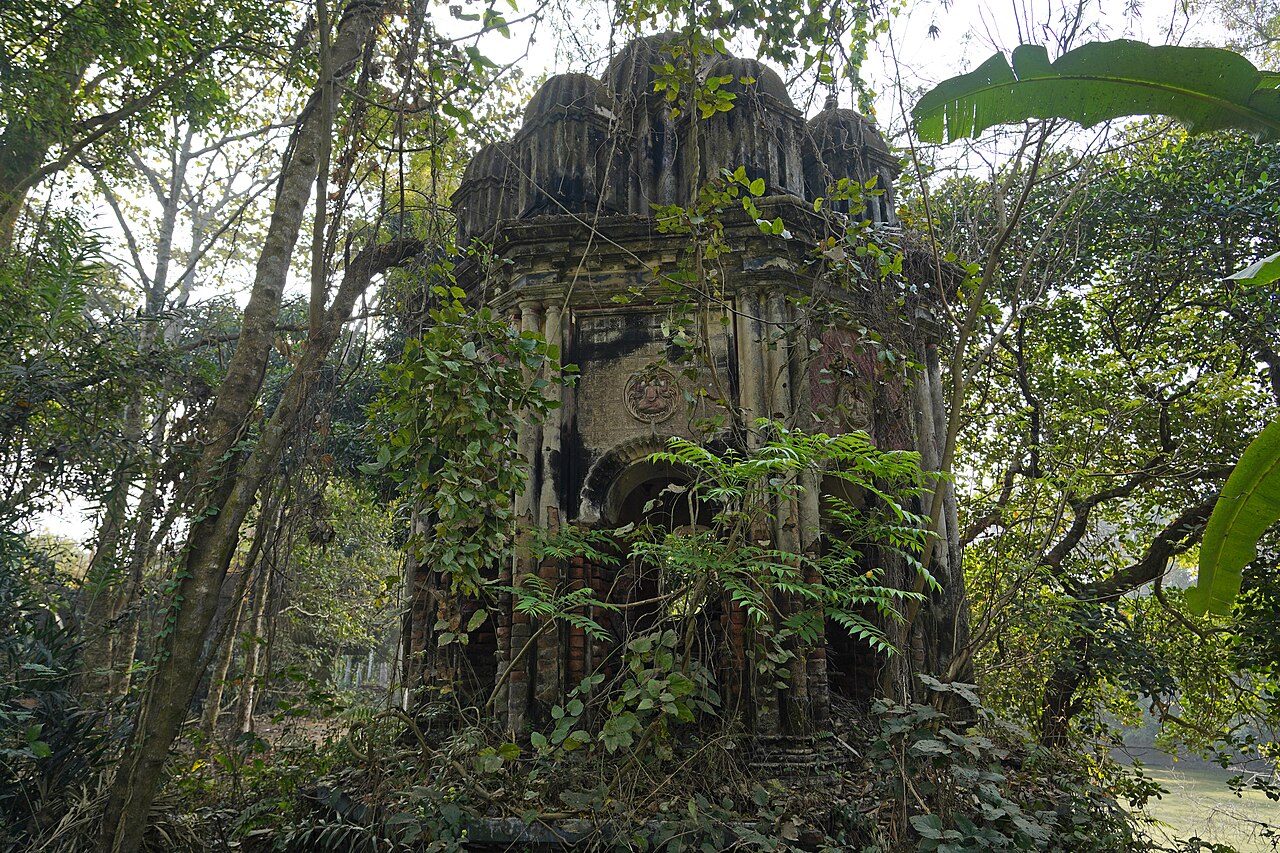
Rasmancha of Gopinath temple of Goswami family
About Rasmancha of Gopinath temple of Goswami family
A rasmancha is a distinctive feature of certain Bengali temples, functioning as both architectural centerpiece and sacred space. Rather than housing a deity in a traditional inner chamber, the rasmancha provides a stage where Krishna Lila—the dramatic enactment of Krishna's life and divine exploits—is performed. This structure embodies a theology in which the deity is encountered through theatrical representation and communal participation rather than through static idol worship alone.
The rasmancha at this temple reflects Bengali vernacular architecture of its period, constructed according to local building traditions and materials. The stage itself becomes sanctified through its use in devotional performance, transforming it into a space where the divine narrative is made present and tangible for worshippers. This approach to temple design prioritizes the experiential and performative dimensions of worship.
Krishna Lila Performances
The primary religious activity at this temple centers on Krishna Lila performances, which recount episodes from Krishna's life through dramatic presentation. These performances serve both as entertainment and as a form of devotional practice, allowing participants and audiences to engage with sacred narratives through embodied action and emotional participation.
The exact schedule and nature of these performances should be confirmed directly with the temple, as such events are typically organized according to seasonal patterns and family traditions rather than fixed annual calendars. Visitors interested in witnessing these performances are advised to contact the temple in advance to learn when such events are scheduled.
Visiting the Temple
The temple is located in Daspur I community development block, Ghatal subdivision, West Bengal, with the postal code 721211. Before planning a visit, it is advisable to contact the temple directly to confirm current darshan timings, as these may vary seasonally or according to special observances. Festival days often operate on different schedules than regular days.
Visitors should dress modestly and respectfully, as is customary at Hindu temples. Shoes are typically removed before entering the sacred space. The specific facilities available at the temple—such as ablution areas, seating, or refreshment provisions—should be confirmed in advance. Given the temple's focus on performance and community gathering, the layout and visitor experience may differ from conventional temple designs.
Reaching the Temple
The temple is situated in Daspur I, within Ghatal subdivision in West Bengal's Paschim Medinipur district. Travelers should use the coordinates 22.559277777778, 87.656102777778 for navigation purposes. The nearest significant town is Ghatal. Those unfamiliar with the area are encouraged to seek local directions or contact the temple beforehand for guidance on access routes and parking arrangements.
The Goswami Family Tradition
The temple is maintained by the Goswami family, a priestly lineage within the Vaishnava tradition. Goswami families have historically served as custodians of temples and repositories of devotional knowledge and practice. The family's stewardship of this temple since its establishment in 1896 suggests continuity in the maintenance of its particular approach to Krishna worship and the performance traditions associated with the rasmancha.
How to reach
Temples near Rasmancha of Gopinath temple of Goswami family
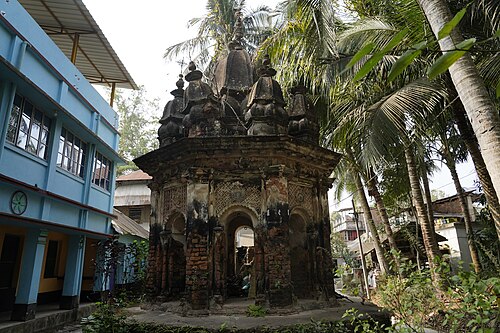
Rasmancha of Shridharjiu temple of Hazra family
The Rasmancha of Shridharjiu temple is a traditional performance stage maintained by the Hazra family in Daspur I block, Ghatal subdivision, West Bengal, believed to have been u…
Rasmancha of Sitaram temple of Bera family
A historic rasmancha (performance stage) dedicated to Lord Rama, built by the Bera family in 19th-century Bengal. This traditional structure serves as a venue for Krishna devoti…
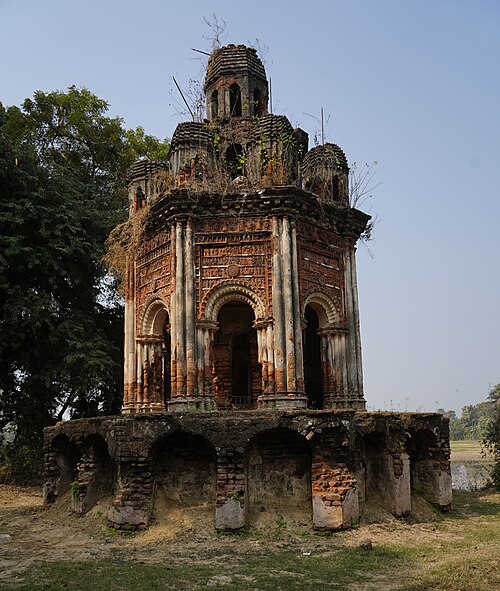
Rasmancha of Radhamadhab temple of Mailty family
An octagonal rasmancha (dance pavilion) dedicated to Radha Madhab, this structure belongs to the Mailty family and stands in Manglai Shyamballavpur within Panskura block.
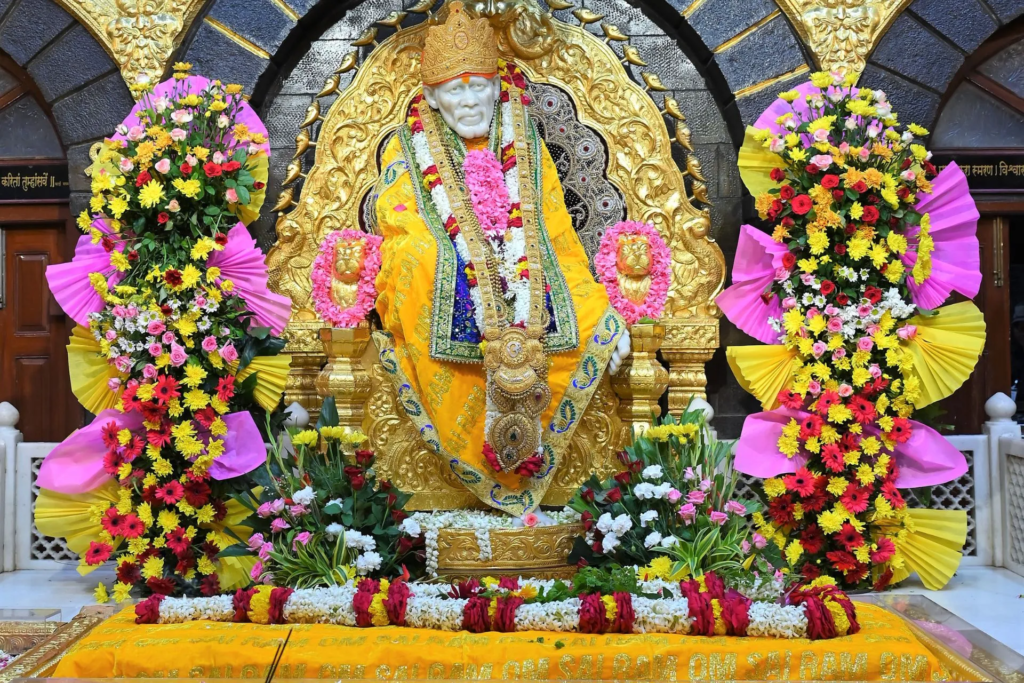
Rasmancha of Shridhar temple
The Shirdi Sai Baba Temple houses the samadhi of Sri Sai Baba, a 19th-century saint revered across religions whose teachings emphasize universal love, compassion, and selfless s…
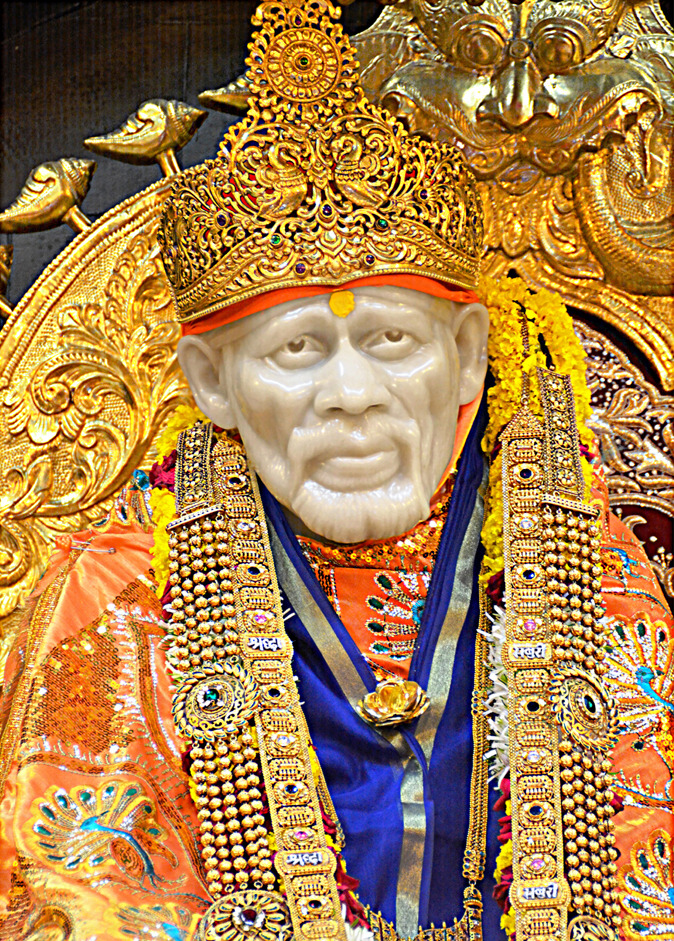
Rasmancha of Shridharjiu temple
The Samadhi Mandir of Shri Sai Baba in Shirdi is a white-marble shrine built in 1922 over the resting place of the revered saint who lived in the village for sixty years. The te…

Bhavatarini Shmashanpith Kali Temple
Bhavatarini Shmashanpith Kali Temple, established in 1855, is a revered shrine dedicated to Bhavatarini Kali on the eastern bank of the Kangsabati River in West Bengal. The temp…