Shantinath Shiva Temple
About Shantinath Shiva Temple
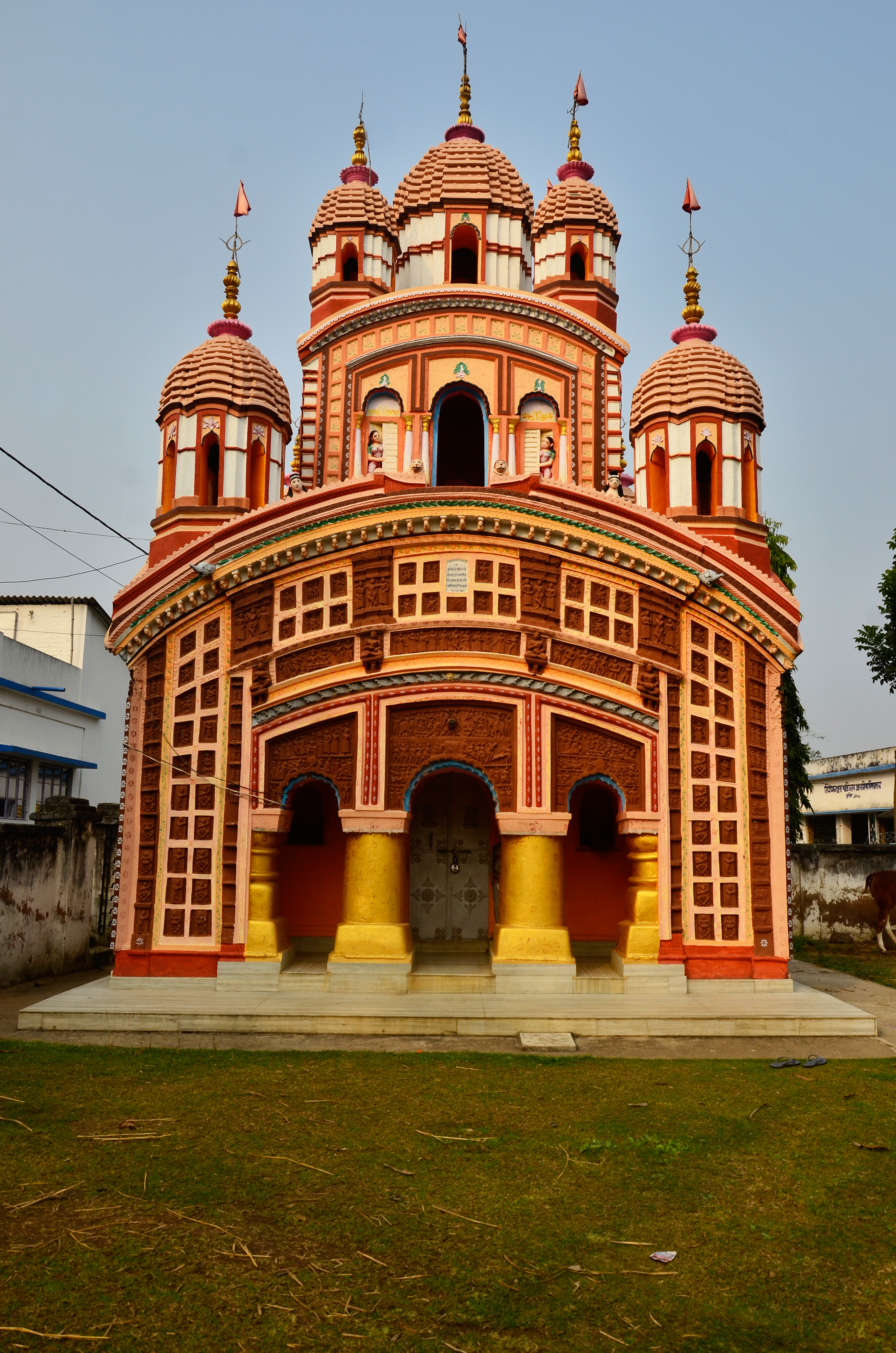
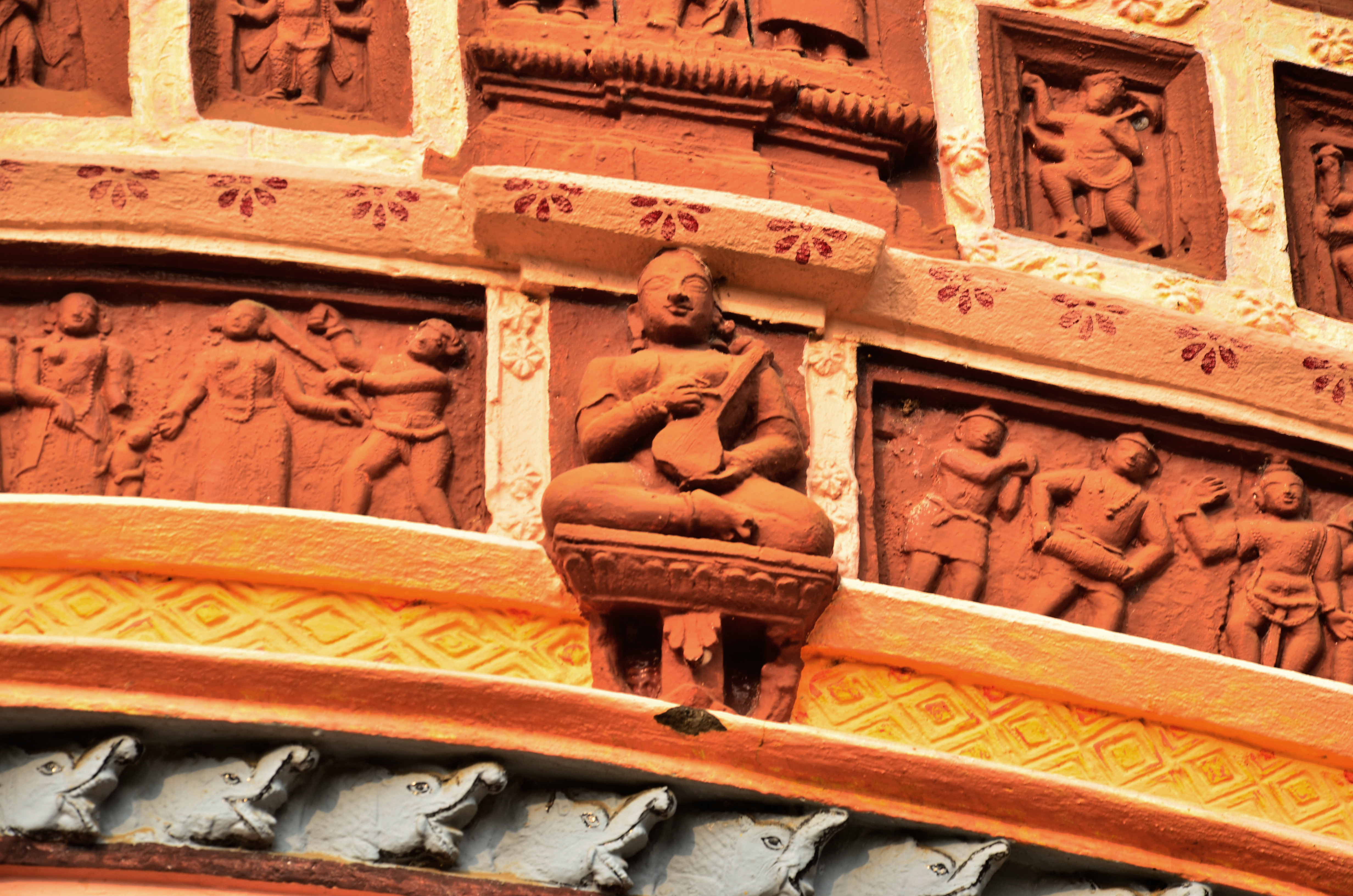
The nava-ratna style employed in this temple's construction represents a mature phase of Hindu temple architecture in Bengal. Built in 1828, the temple reflects the architectural preferences and construction techniques of early nineteenth-century West Bengal. The nine-tower arrangement creates a visually distinctive silhouette, with the central tower rising above the subsidiary towers to draw the eye toward the sanctum sanctorum.
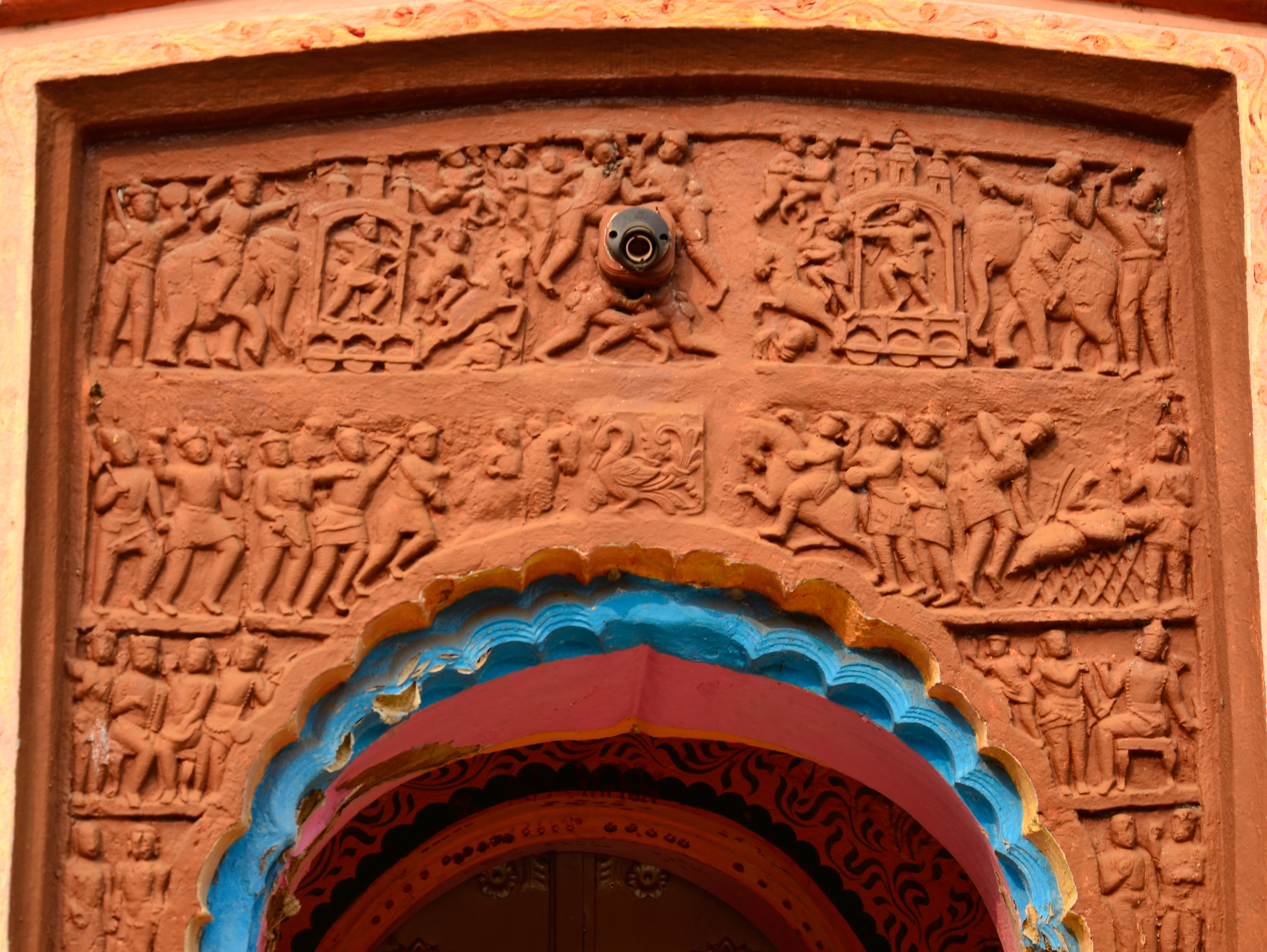
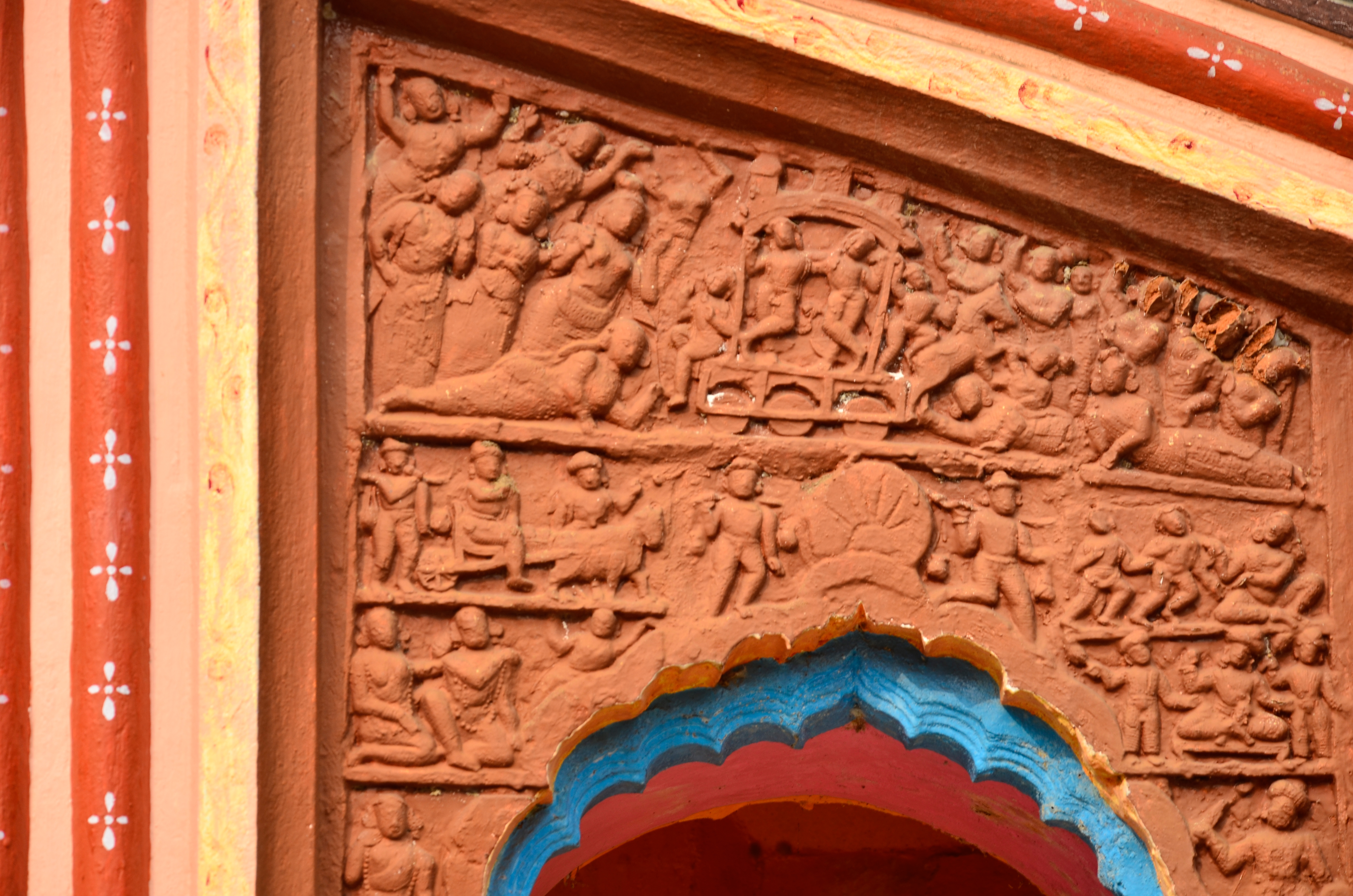
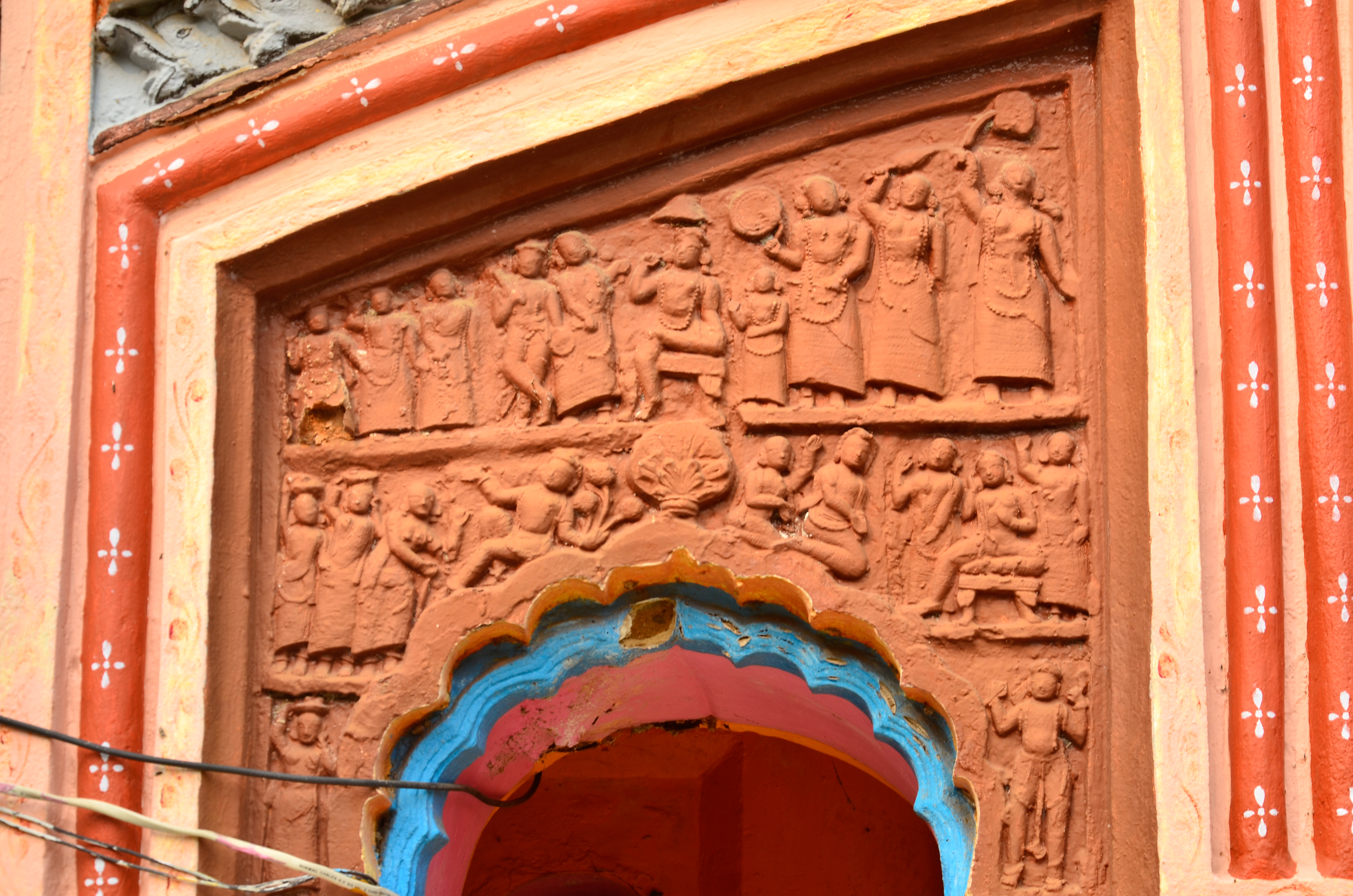
The specific details of the temple's interior layout, sculptural elements, and decorative features are not documented in available sources. Visitors interested in understanding the finer points of the architecture may benefit from observing the temple directly or consulting with local priests who maintain the shrine.
Visiting the Temple
The temple is located at coordinates 22.7382, 87.5189 in Mitrasenpur, Chandrakona. Visitors traveling to the temple should plan their journey to Ghatal subdivision in Paschim Medinipur district, West Bengal. The village setting means that local transportation and accommodation options should be researched in advance.
Shiva temples in the Hindu tradition typically observe daily worship schedules, though specific darshan timings for this particular temple are not available in current sources. Visitors are advised to contact the temple directly or inquire locally about current opening hours and worship times before planning their visit. Standard temple etiquette—removing footwear before entering, maintaining respectful behavior, and following any instructions from temple staff—applies here as at other Hindu shrines.
Worship and Daily Rituals
As a Shiva temple, Shantinath Shiva Temple would typically observe the standard worship practices associated with Shaivite tradition. Priests perform daily rituals to honor the deity, though the specific schedule and nature of these rituals at this particular temple are not documented in available sources. Devotees visiting the temple participate in darshan, the practice of viewing the deity as an act of worship and receiving blessings.
The temple's role within its local community likely extends beyond daily worship to include participation in seasonal observances and life-cycle rituals. However, specific festivals celebrated at this temple or special occasions marked in its calendar are not recorded in accessible sources.
Practical Information for Visitors
The temple's remote village location in West Bengal means that visitors should plan accordingly. Accommodation and dining facilities in Mitrasenpur itself may be limited, and visitors may need to base themselves in larger nearby towns. The coordinates provided (22.7382, 87.5189) can be used with mapping applications to plan travel routes.
Visitors should dress modestly when entering the temple, as is customary at Hindu shrines. Women typically wear salwar kameez, sarees, or other traditional dress; men wear dhotis or simple clothing. Leather items are generally not worn inside temples. It is advisable to carry cash, as remote temples may not have digital payment facilities. Visitors should also be prepared for the climate and terrain of rural West Bengal and plan their visit during weather conditions suitable for travel.
Getting There
Mitrasenpur lies within Chandrakona in Ghatal subdivision of Paschim Medinipur district. The nearest significant towns and transportation hubs should be identified through current travel resources. Visitors traveling from Kolkata or other major cities in West Bengal will need to arrange transportation to reach this rural location. Local inquiry upon arrival in the region will help identify the most practical route to the temple.
How to reach
You may also visit
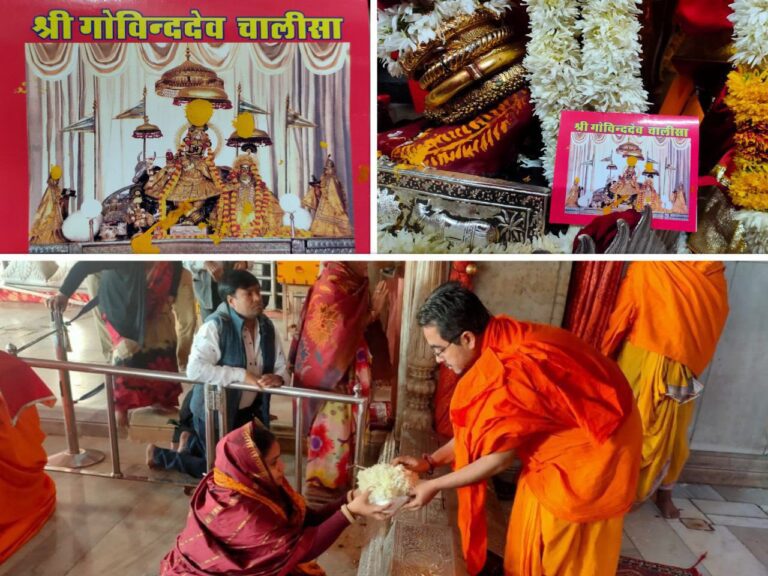
Kalyanji Temple
Kalyanji Temple in Jaipur's Chandpol Bazaar is approximately two centuries old and renowned for displaying the twenty-four avatars of Krishna, visible only twice yearly during Akha Teej and Patottsav festival.
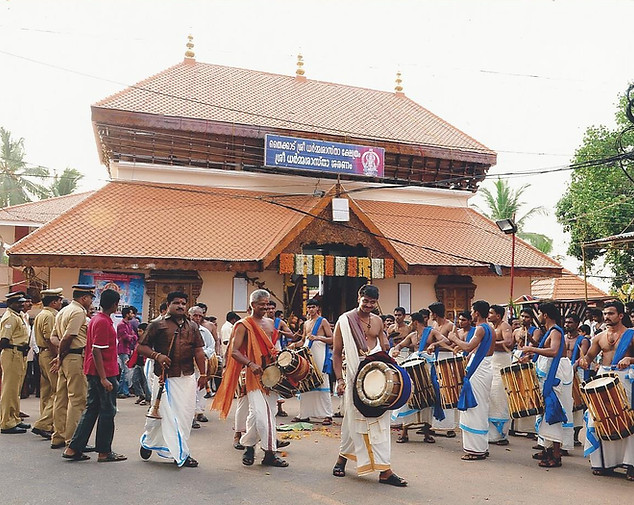
Sastha (Ayyappan) Temple
Sree Dharma Sastha Temple in Thycaud, Thiruvananthapuram, is a centuries-old shrine where the deity manifests as Dhanwanthari, the divine healer, holding the sacred blue lotus.
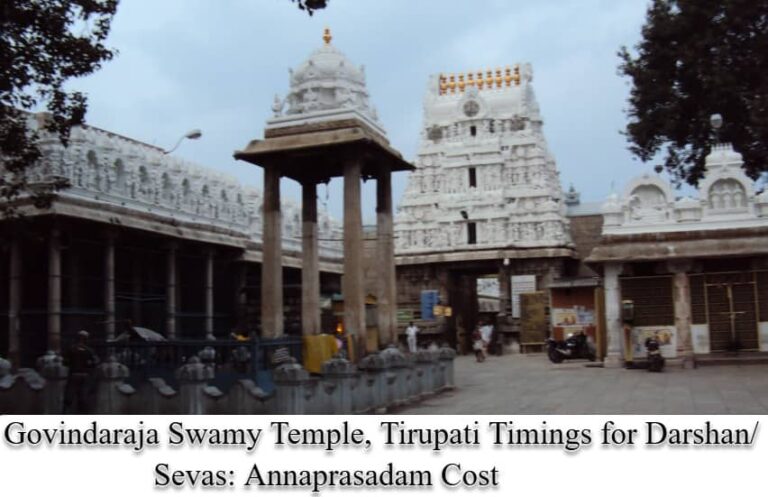
Govindarajaswamy Temple
Sri Govindarajaswamy Temple in Tirupati is an ancient Vaishnavaite shrine consecrated in 1130 AD by Saint Ramanuja, where the presiding deity rests in eternal Yoga Nidra on the serpent Adisesha.