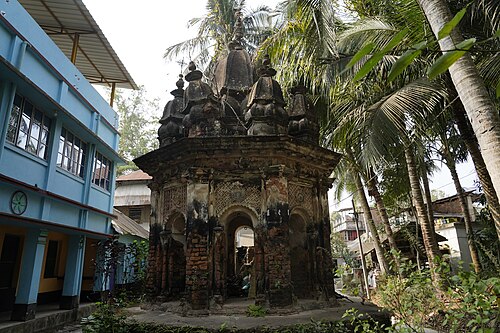
Rasmancha of Shridharjiu temple of Hazra family
About Rasmancha of Shridharjiu temple of Hazra family
The Rasmancha concept traditionally combines an open performance platform with adjoining covered structures. This temple reflects rural Bengali craftsmanship and local building materials, with modest folk architectural features including a simple roof structure and staged arrangement. The absence of written records limits detailed architectural analysis, yet the local construction style and communal function make it noteworthy from a structural perspective.
The open courtyard design would have accommodated gatherings for ritual performance and collective worship. The platform arrangement suggests a space designed for visibility and participation by the assembled community, distinguishing it from enclosed shrine architecture more common in other temple traditions.
Worship and Spiritual Significance
According to local understanding, Shridharjiu functions as both a family protector and village deity. The Hazra family traditionally fulfills the role of custodian priests, overseeing worship practices and festivals according to local custom and ritual protocol. The Rasmancha structure itself likely served as the focal point for community ceremonies, dance, and devotion.
Devotees report that the space carries a quiet, devotion-centered atmosphere. Local accounts suggest that meditation and chanting here reduce mental distraction and bring a sense of inner peace, which residents attribute to the deity's grace and the site's traditional spiritual power. However, these experiential qualities should be understood within the framework of local belief and tradition rather than as independently verified phenomena. The temple's significance lies primarily in its role as a gathering place for collective spiritual practice and its connection to Krishna Lila performance traditions that have animated rural Bengali religious life.
Festivals and Observances
The temple's annual festivals center on Krishna Lila performances, drawing on the Rasmancha's traditional function as a performance venue. Specific festival dates and detailed observance schedules are not documented in available sources. Visitors interested in attending celebrations should inquire locally with the Hazra family or village elders, who maintain knowledge of the annual ritual calendar and can provide current information about timing and participation.
Visiting the Temple
Practical details about darshan timings, entry procedures, and visitor facilities are not recorded in available sources. Before visiting, contact local residents or the Hazra family directly to learn current access arrangements, appropriate times for darshan, and any customs regarding dress or conduct. The temple's location in a rural community setting means that visitor amenities may be limited; plan accordingly and show respect for this as an active family shrine and village sacred space rather than a formally developed pilgrimage site.
How to Reach
The temple is located in Daspur I community development block, Ghatal subdivision, West Bengal, at coordinates 22.534808°N, 87.711363°E. Ghatal is accessible by road from larger towns in the region. Local inquiry in Daspur or nearby villages will help orient visitors to the precise location and current road conditions. Public transport options and the availability of accommodation should be confirmed with local sources before travel.
How to reach
Temples near Rasmancha of Shridharjiu temple of Hazra family
Rasmancha of Sitaram temple of Bera family
A historic rasmancha (performance stage) dedicated to Lord Rama, built by the Bera family in 19th-century Bengal. This traditional structure serves as a venue for Krishna devoti…
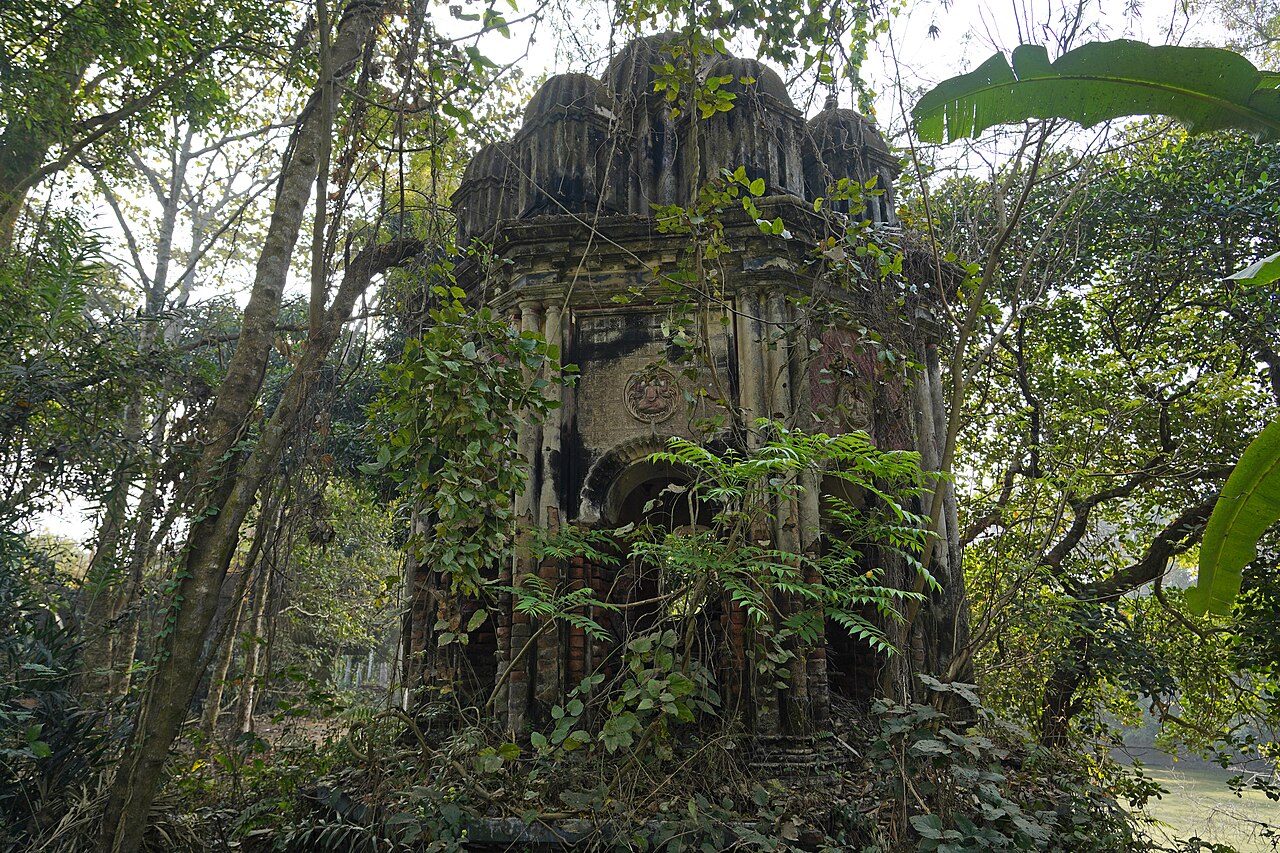
Rasmancha of Gopinath temple of Goswami family
The Rasmancha of Gopinath temple of Goswami family is a wooden and brick performance structure built in 1896 in Daspur I, West Bengal, traditionally used for Krishna Lila theatr…
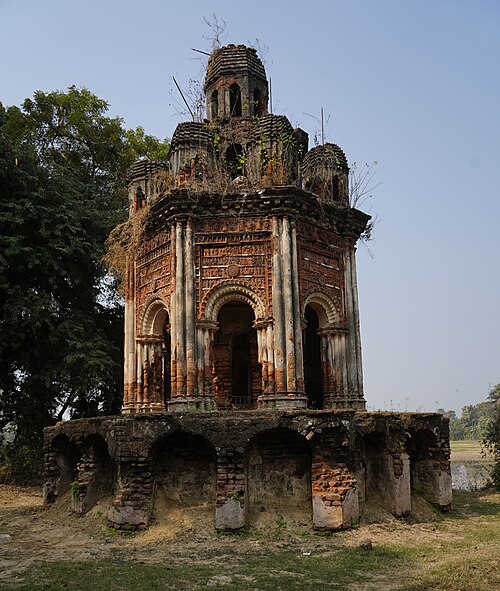
Rasmancha of Radhamadhab temple of Mailty family
An octagonal rasmancha (dance pavilion) dedicated to Radha Madhab, this structure belongs to the Mailty family and stands in Manglai Shyamballavpur within Panskura block.
Rasmancha of Shridharjiu temple
The Samadhi Mandir of Shri Sai Baba in Shirdi is a white-marble shrine built in 1922 over the resting place of the revered saint who lived in the village for sixty years. The te…

Bhavatarini Shmashanpith Kali Temple
Bhavatarini Shmashanpith Kali Temple, established in 1855, is a revered shrine dedicated to Bhavatarini Kali on the eastern bank of the Kangsabati River in West Bengal. The temp…
Rasmancha of Shridhar temple
The Shirdi Sai Baba Temple houses the samadhi of Sri Sai Baba, a 19th-century saint revered across religions whose teachings emphasize universal love, compassion, and selfless s…