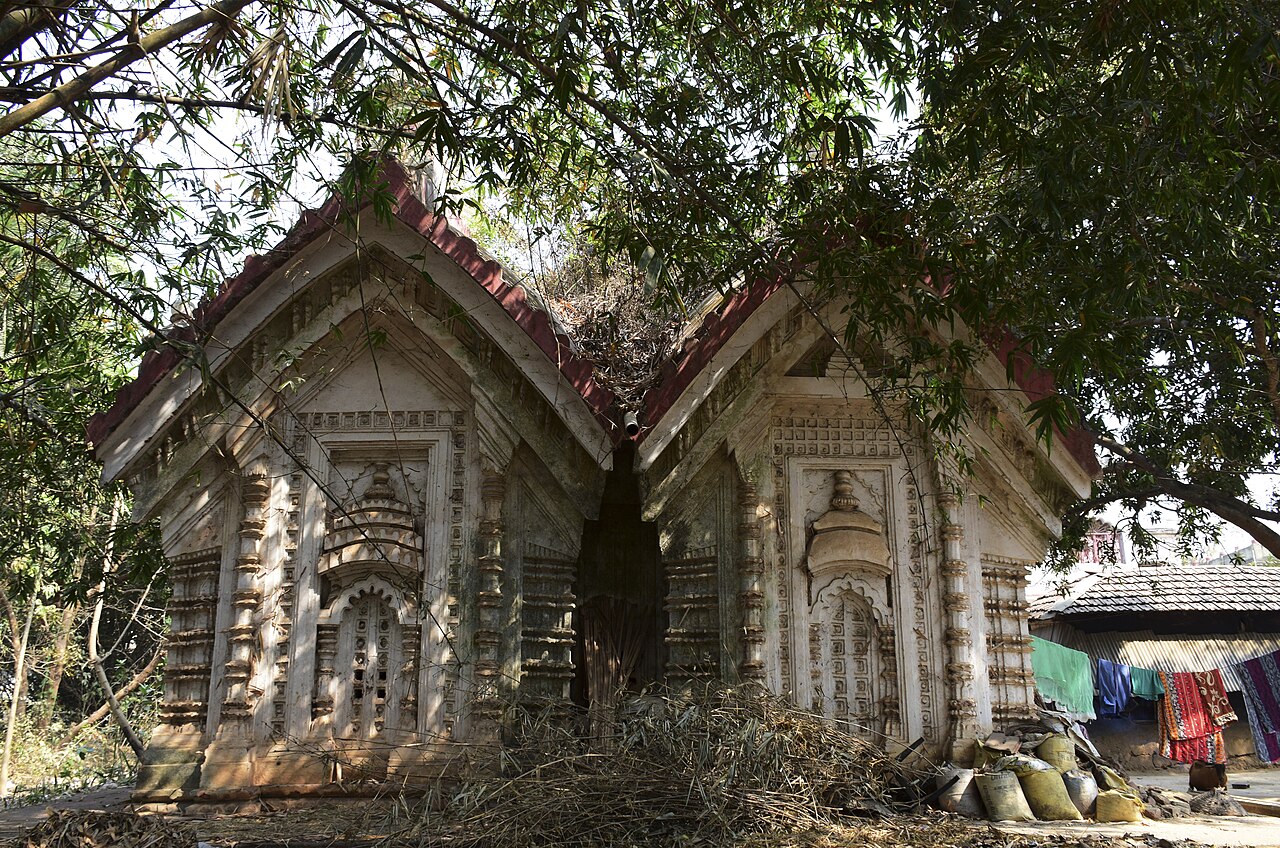

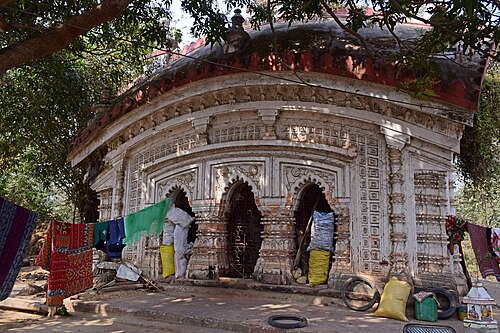
Chandrakona Jorbangla Temple
About Chandrakona Jorbangla Temple
The temple is open daily from 6:00 AM to 6:00 PM. Early morning hours offer the quietest conditions on the grounds and the best natural light for viewing the architectural details and carved stonework. A visit typically requires 45 minutes to an hour to explore the exterior and examine the structure thoroughly.
The most pleasant season for visiting is October through February, when weather conditions in West Bengal are cooler and more comfortable for outdoor exploration. During these months, the climate supports extended time spent examining the temple's features without the heat and humidity of other seasons.
Conduct and Etiquette
Visitors should dress modestly, covering shoulders and knees as a mark of respect. Shoes must be removed before entering the temple structure itself. These practices are standard conventions at Hindu temples across India and help maintain the sacred character of the space.
Photography is generally permitted in exterior areas and on the grounds. However, restrictions typically apply within the inner sanctum, and visitors should observe any posted guidelines or request permission from temple staff before photographing in specific areas. There is no entry fee to visit the temple.
Practical Information for Visitors
The temple is freely accessible to visitors. No formal facilities such as shops, restaurants, or accommodation are mentioned in available sources; visitors should plan accordingly and bring water or other necessities if needed. The rural setting means that services available in nearby towns may be limited at the temple site itself.
Kolkata, the nearest major city, lies 135 kilometres away and is accessible by road. From Kolkata, the temple can be reached as a day trip or as part of a short excursion to the Chandrakona area. Those planning to visit should check local road conditions and travel times in advance.
A Monument to Regional Heritage
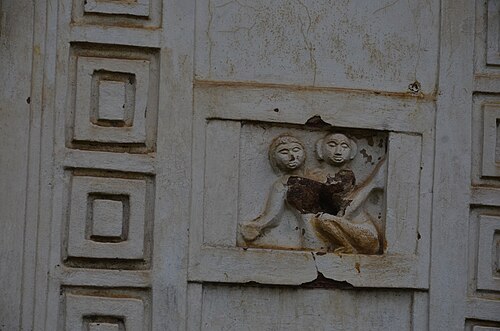
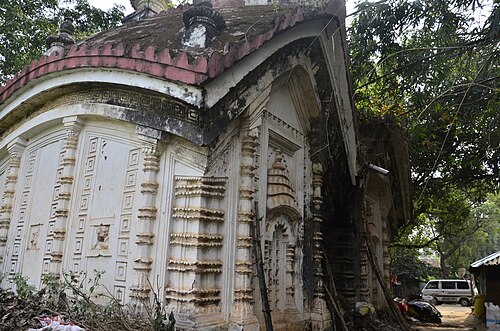
Chandrakona Jorbangla Temple represents a surviving example of 17th-century stone construction and Bengal's regional architectural traditions. For visitors with an interest in heritage structures, regional building practices, and the history of temple architecture in eastern India, the temple offers direct encounter with these themes through its physical form and carved details. The temple remains an active place of worship for local devotees while also serving as a historical monument accessible to those seeking to understand the built heritage of the region.
How to reach
You may also visit
Kalyanji Temple
Kalyanji Temple in Jaipur's Chandpol Bazaar is approximately two centuries old and renowned for displaying the twenty-four avatars of Krishna, visible only twice yearly during Akha Teej and Patottsav festival.
Sastha (Ayyappan) Temple
Sree Dharma Sastha Temple in Thycaud, Thiruvananthapuram, is a centuries-old shrine where the deity manifests as Dhanwanthari, the divine healer, holding the sacred blue lotus.
Govindarajaswamy Temple
Sri Govindarajaswamy Temple in Tirupati is an ancient Vaishnavaite shrine consecrated in 1130 AD by Saint Ramanuja, where the presiding deity rests in eternal Yoga Nidra on the serpent Adisesha.