Rasmancha of Sitaram temple of Bera family
About Rasmancha of Sitaram temple of Bera family
The structure exemplifies the distinctive rasmancha style of Bengal, combining arched entrances with a pyramidal roof—elements characteristic of the region's traditional building methods. The temple was constructed using brick and lime mortar, materials well-suited to Bengal's climate and readily available to 19th-century builders. Some elements of traditional terracotta work, reflecting Bengal's folk artistic traditions, remain visible within the structure.
The multi-arched layout creates an open, congregational space suited to its original purpose: hosting the recitation of Krishna's stories, devotional singing, and the enactment of his pastimes. This architectural approach differs markedly from the enclosed sanctum design of many other Hindu temples, reflecting instead the communal and performative dimensions of Krishna worship in Bengal.
Worship and Daily Observance
The temple opens both morning and evening for darshan. Visitors typically spend around thirty minutes at the site. The worship here centers on Krishna devotion, with particular emphasis on the occasions when the community gathers to sing devotional songs and recount episodes from Krishna's life. While daily rituals are not extensively documented in available sources, the temple remains an active place of worship maintained by the Bera family.
Modest dress is appropriate when visiting. Shoes should be removed before entering the temple space, following standard Hindu temple practice. The atmosphere tends toward quietness outside festival periods, making it a relatively peaceful place for contemplation.
Ras Purnima: The Principal Festival
The most significant observance at this temple occurs during Ras Purnima, celebrated in the month of Kartik (October–November according to the lunar calendar). This full moon night commemorates Krishna's divine dance with the gopis, or cowherd women, in the groves of Vrindavan—one of the most beloved narratives in Krishna devotion. The rasmancha, by its very design and name, exists primarily to host celebrations of this festival.
During Ras Purnima, the temple becomes a centre of special worship and festive activity. Bhajans (devotional songs), kirtans (chanted recitations), and recountings of Krishna's pastimes form the core of the observance. The specific rituals and scale of celebration during this period reflect the temple's foundational purpose as a space for communal Krishna worship.
Best Times to Visit
The optimal season for visiting extends from October through March, when the weather in West Bengal is cooler and more comfortable for travel. This period also encompasses Ras Purnima, when the temple's religious life reaches its fullest expression and visitors can witness the festival celebrations for which the rasmancha was built.
Outside the festival season, the temple remains open to visitors, though the atmosphere will be quieter. Those seeking to experience the temple's primary function—as a gathering place for Krishna worship—should plan their visit around Ras Purnima if possible.
Location and Access
The temple is situated in Daspur-I community development block within Ghatal subdivision. The coordinates are 22.567958333333° N, 87.743897222222° E. Visitors should plan their journey using these coordinates with mapping applications. The site is accessible during both morning and evening hours. There is no entry fee to visit the temple.
Practical arrangements such as accommodation, food, or parking facilities are not documented in available sources. Visitors are advised to make inquiries locally or contact the Bera family, who manage the temple, for information about nearby amenities and the best routes of approach from major towns in the region.
How to reach
Temples near Rasmancha of Sitaram temple of Bera family
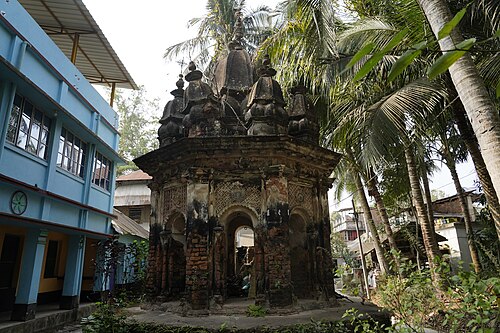
Rasmancha of Shridharjiu temple of Hazra family
The Rasmancha of Shridharjiu temple is a traditional performance stage maintained by the Hazra family in Daspur I block, Ghatal subdivision, West Bengal, believed to have been u…
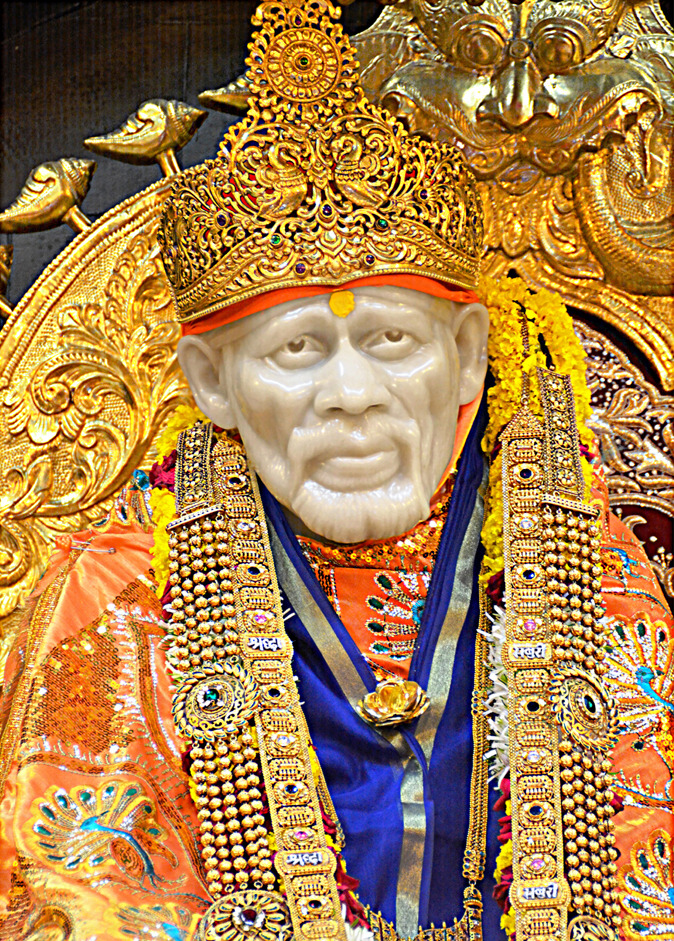
Rasmancha of Shridharjiu temple
The Samadhi Mandir of Shri Sai Baba in Shirdi is a white-marble shrine built in 1922 over the resting place of the revered saint who lived in the village for sixty years. The te…
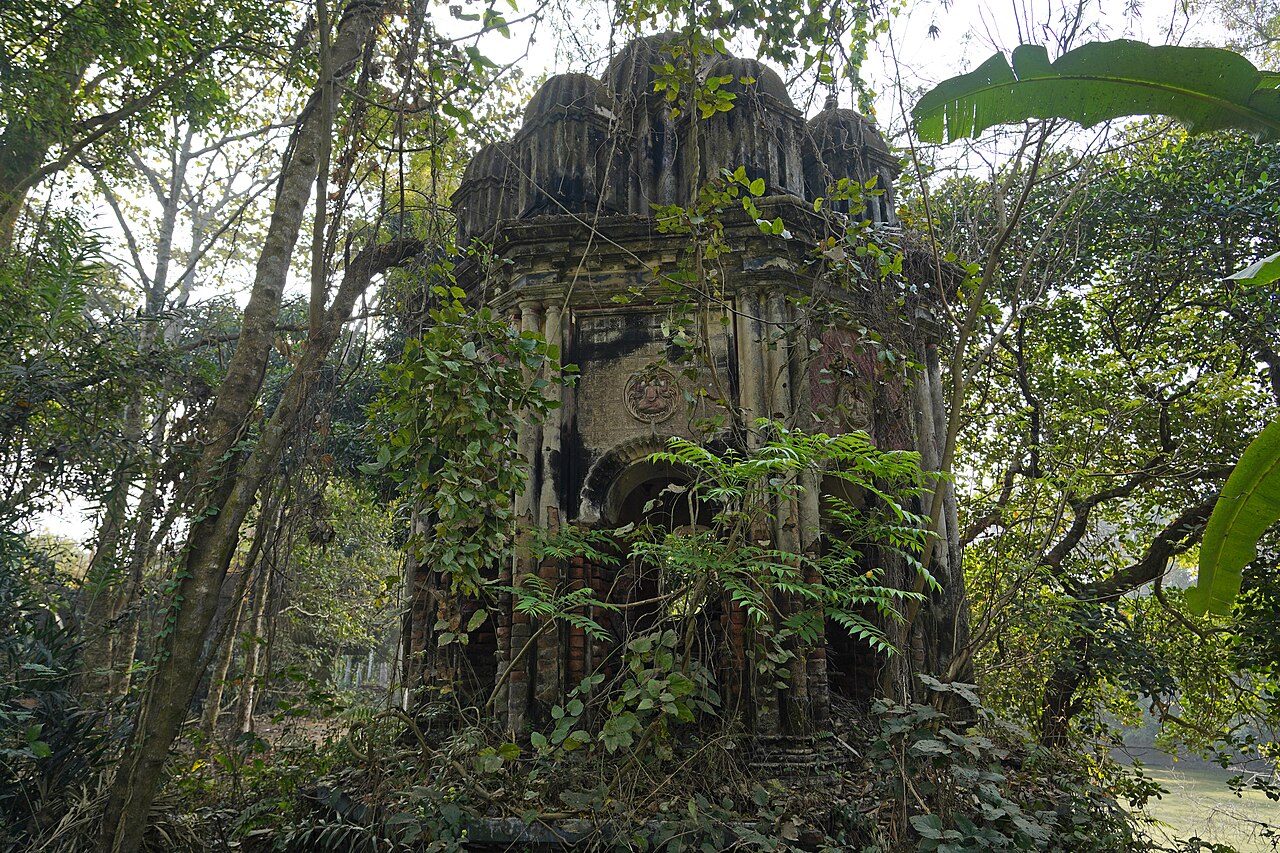
Rasmancha of Gopinath temple of Goswami family
The Rasmancha of Gopinath temple of Goswami family is a wooden and brick performance structure built in 1896 in Daspur I, West Bengal, traditionally used for Krishna Lila theatr…
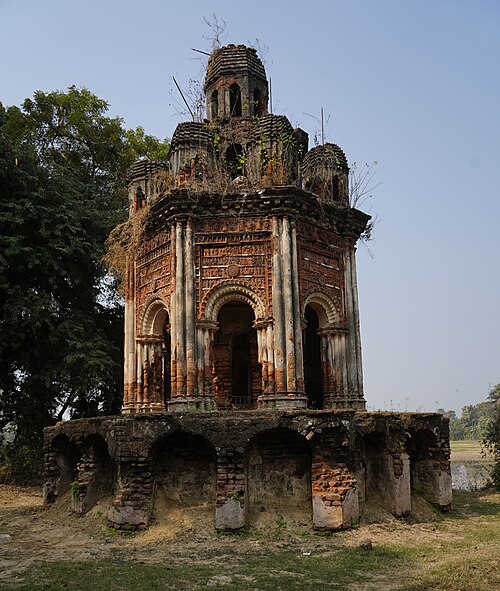
Rasmancha of Radhamadhab temple of Mailty family
An octagonal rasmancha (dance pavilion) dedicated to Radha Madhab, this structure belongs to the Mailty family and stands in Manglai Shyamballavpur within Panskura block.
Rasmancha of Shridhar temple
The Shirdi Sai Baba Temple houses the samadhi of Sri Sai Baba, a 19th-century saint revered across religions whose teachings emphasize universal love, compassion, and selfless s…

Ghanteshwar Temple
Ghanteshwar Hanuman Temple in Mumbai's Khar West is renowned for its collection of approximately 100,000 brass bells offered by devotees whose wishes have been fulfilled.