Malleswara Shiva Temple
About Malleswara Shiva Temple
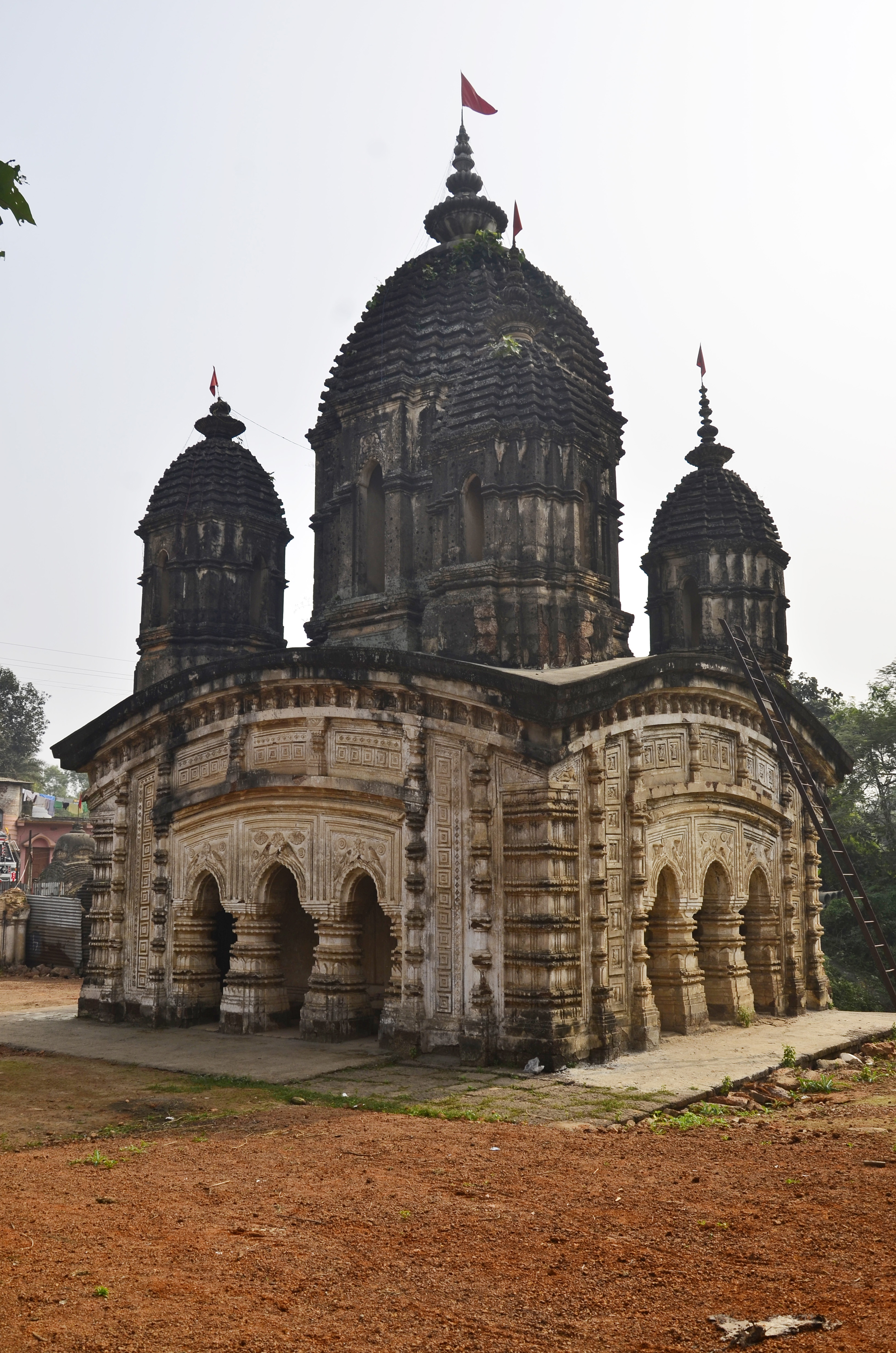
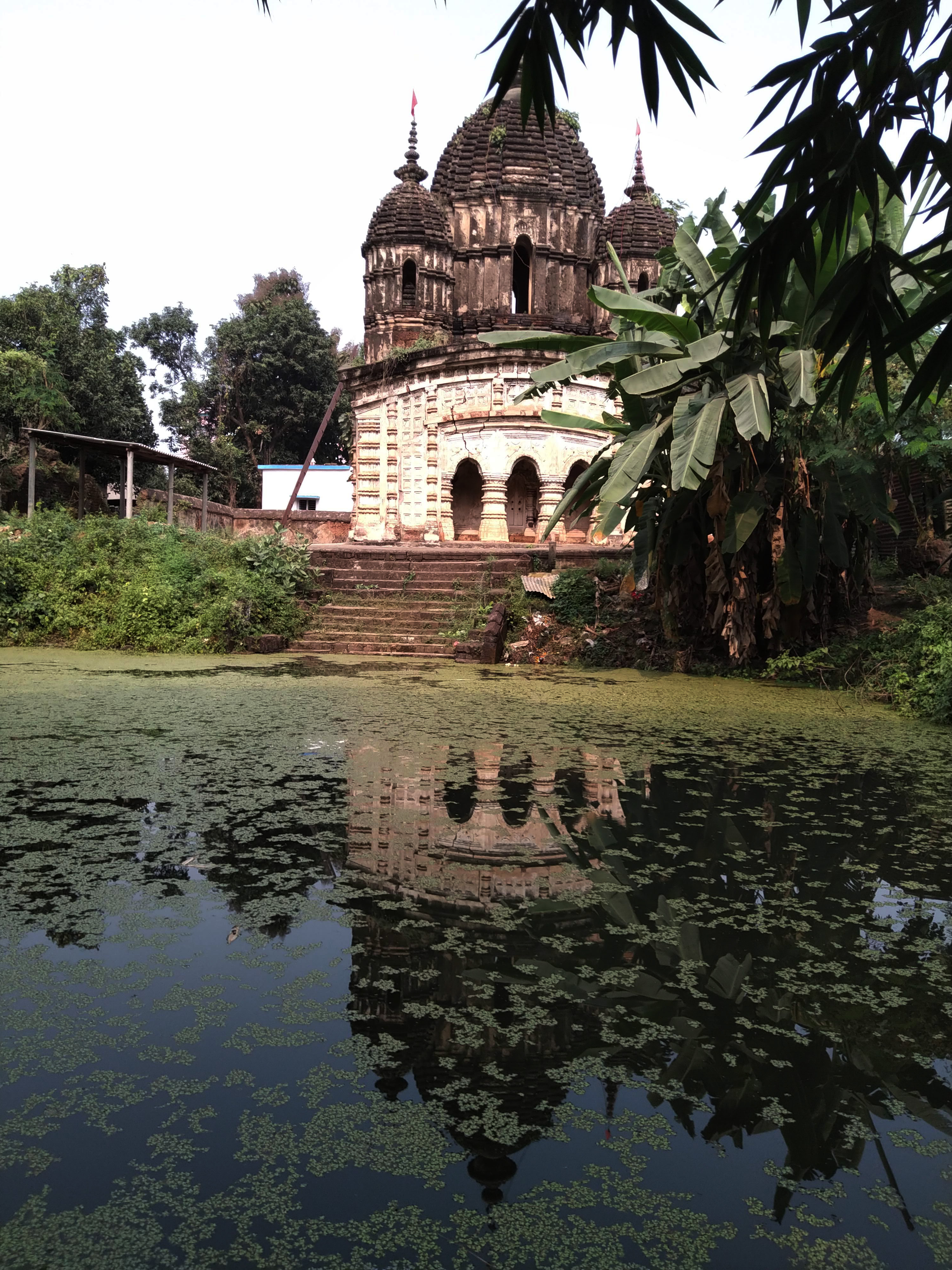
The temple follows the pancha-ratna architectural style, a classical design pattern in Hindu temple construction. Pancha-ratna temples are characterized by their distinctive five-tower arrangement, with a central tower (the main sanctum) flanked by four smaller towers at the corners. This architectural form represents a refined approach to temple design that developed across medieval India.
The 18th-century construction places this temple within a period of significant temple building activity in Bengal. The specific architectural details and materials used reflect the regional building traditions of West Bengal during this era, though the pancha-ratna form itself draws on broader Indian temple conventions.
Worship and Rituals
As a Shiva temple, Malleswara follows the liturgical practices associated with Shaivite worship. Temples dedicated to Shiva typically maintain daily rituals centered on the sanctum, where devotees seek darshan—a direct viewing of the deity. The specific timing and nature of these rituals would be best confirmed by contacting the temple directly, as practices can vary between individual temples.
Devotees visiting Shiva temples traditionally offer prayers, flowers, and other offerings as part of their worship. The temple likely maintains regular hours for public darshan, though exact timings should be verified before planning a visit.
Visiting the Temple
Chandrakona is located in Paschim Medinipur district in West Bengal's western region. The town is accessible by road from nearby towns and cities in the district. Visitors should plan their journey in advance and confirm current access routes and transportation options with local resources.
When visiting, dress modestly as a sign of respect at the sacred site. Remove footwear before entering the inner sanctum, as is customary in Hindu temples. Photography policies vary by temple; it is courteous to ask permission before photographing the deity or inner areas. Visitors should move quietly and respectfully through the temple spaces, particularly during active worship times.
Practical Information
Before visiting, confirm the temple's current opening hours and any specific days when public access may be restricted. Contact information for the temple administration would help clarify details about facilities, accessibility, and any particular customs observed at this specific site. The temple's exact address in Chandrakona can be used to locate it via mapping services.
Visitors should be prepared for the climate of West Bengal and plan accordingly. Carrying water and wearing comfortable footwear for the approach to the temple is advisable. If you have specific mobility needs or questions about facilities, reaching out to the temple in advance is recommended.
Festivals and Observances
Hindu temples typically observe major festivals in the Shaivite calendar, though the specific festivals celebrated at Malleswara Shiva Temple would need confirmation from the temple itself. Maha Shivaratri, the great night dedicated to Shiva, is widely observed across Shiva temples throughout India, often drawing increased numbers of devotees. Local festivals particular to Chandrakona or this specific temple may also be observed.
For accurate information about festival dates and special observances, contact the temple administration directly, as festival calendars follow the lunar calendar and vary from year to year.
How to reach
Temples near Malleswara Shiva Temple
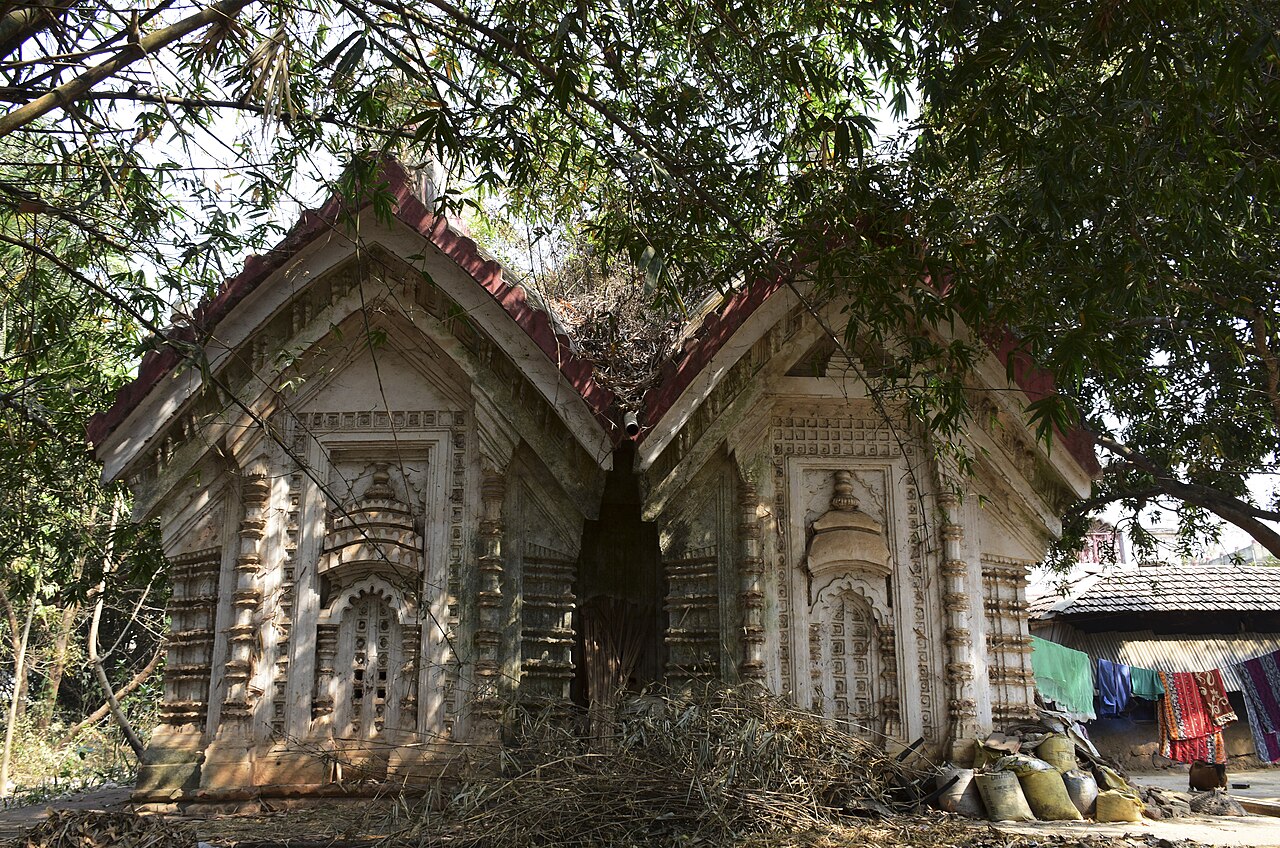
Chandrakona Jorbangla Temple
Chandrakona Jorbangla Temple is a 17th-century stone structure in West Bengal showcasing regional Bengal architectural traditions with intricate carved details.

Parvatinatha Temple
The Parvatinatha Temple is a distinctive seventeen-pinnacled structure erected during the 19th century in Chandrakona village, West Bengal, representing a notable example of reg…
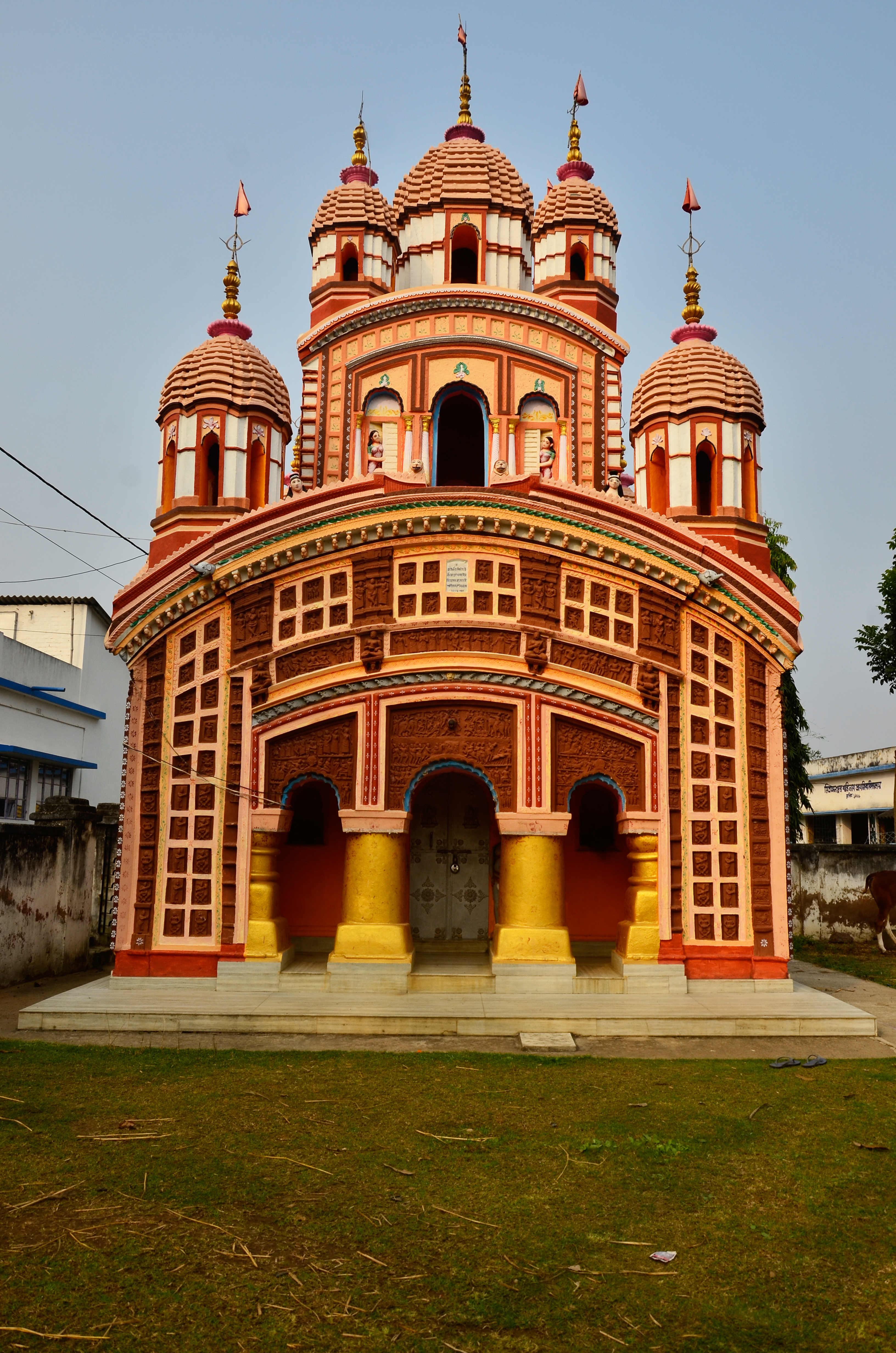
Shantinath Shiva Temple
Shantinath Shiva Temple is a nava-ratna style shrine constructed in 1828 at Mitrasenpur in West Bengal's Paschim Medinipur district, featuring the distinctive nine-tower archite…
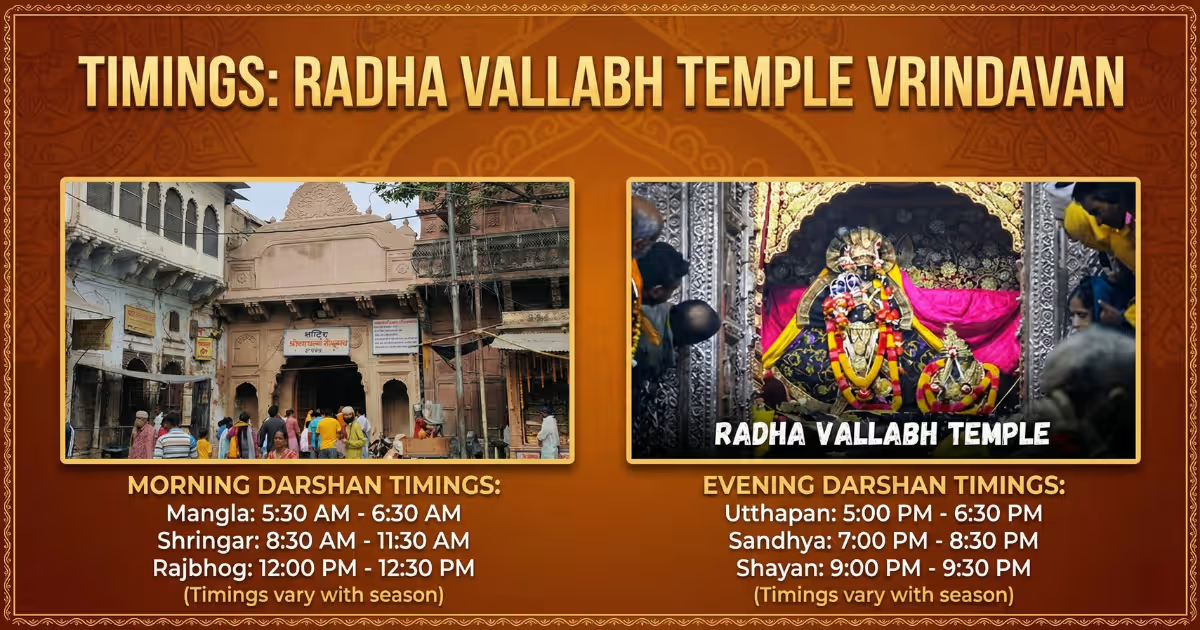
Rasmancha of Radhaballabh temple
Radha Vallabh Temple in Vrindavan is the seat of the Radha-Vallabh sampradaya, uniquely worshipping Krishna as Radha's beloved with her crown placed on the throne rather than a…
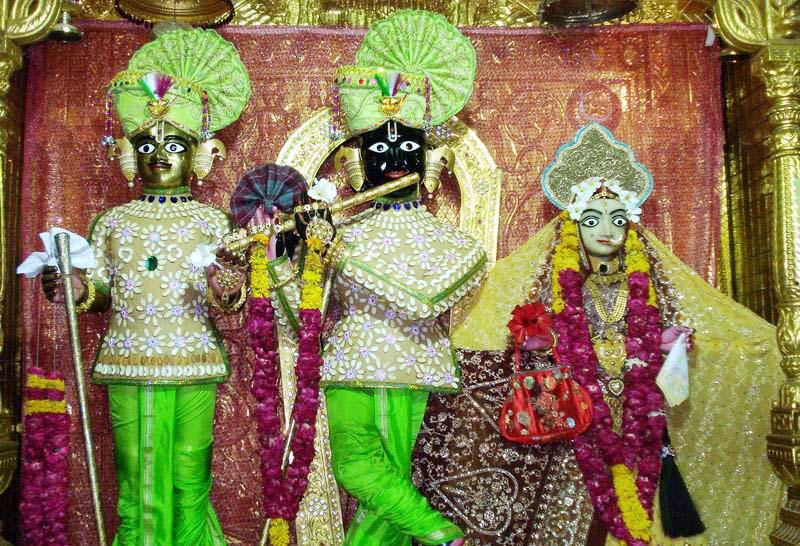
Rasmancha of Radhagobinda temple
The Rasmancha of Radha Gokulananda temple, established in the 16th century at Keshi Ghat in Vrindavan, is a Gaudiya Vaishnava shrine dedicated to Radha and Krishna with daily wo…
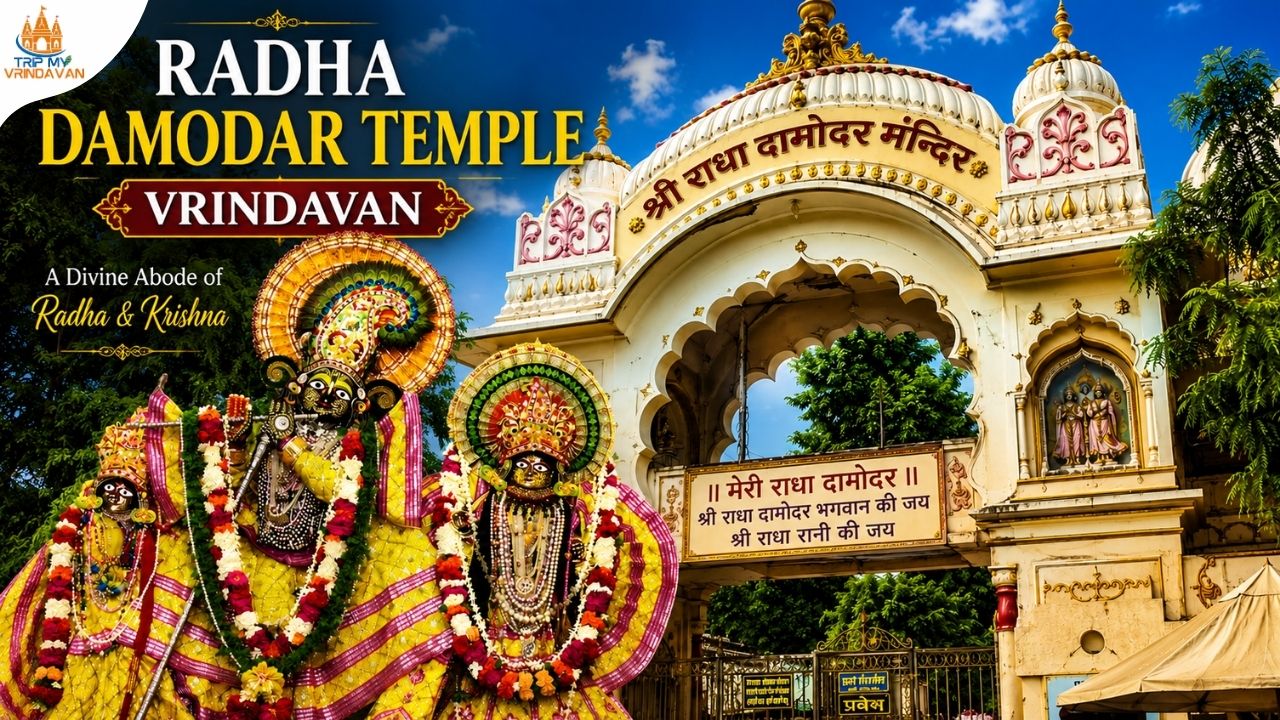
Rasmancha of Damodar
Radha Damodar Temple in Seva Kunj, Vrindavan, is a small but spiritually significant shrine dedicated to Radha Damodar (Krishna), deeply associated with the six Goswamis of Vrin…