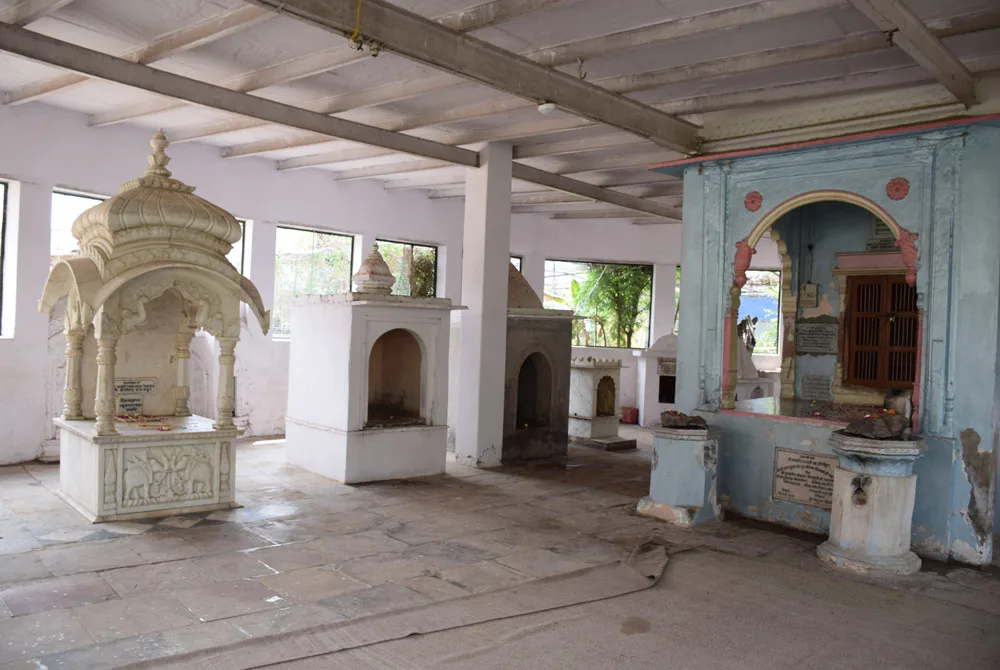
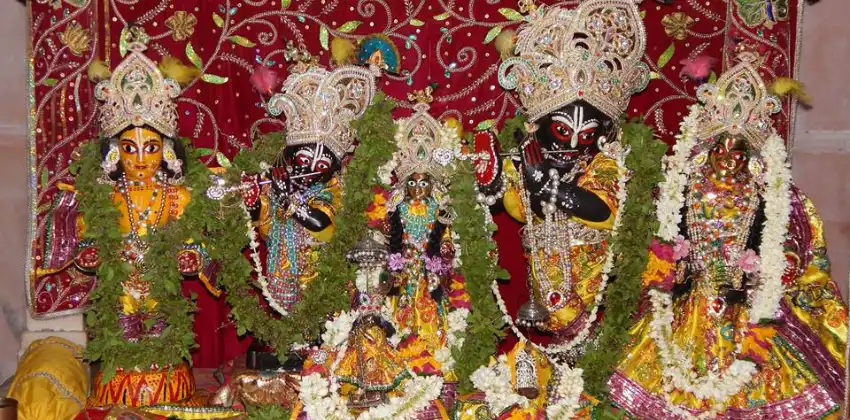
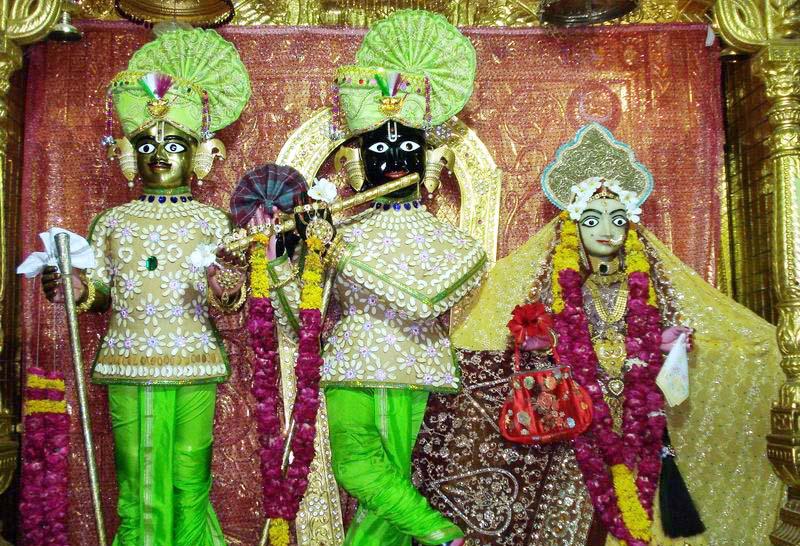
Rasmancha of Radha Gokulananda temple
About Rasmancha of Radha Gokulananda temple
The temple maintains two distinct worship sessions each day. The morning session opens at 05:00 and continues until 12:30, beginning with the Mangala Aarti—the dawn ritual that inaugurates the deity's day. During summer months this aarti commences at 05:00; in winter it shifts to 06:00 to accommodate seasonal daylight changes. The afternoon and evening session runs from 16:00 to 21:00, concluding with the Sandhya Aarti at 19:00, which marks the transition to evening worship.
The Sandhya Aarti at 19:00 is noted as a particularly significant time for witnessing the temple's rituals and for personal devotion. Most visitors spend between twenty and forty-five minutes at the temple for darshan and worship, a duration that reflects both the intimate scale of the space and the focused practice of viewing and honoring the deities. Seasonal variations mean that exact timings may shift slightly; confirming the current schedule with the temple office before traveling is advisable, particularly during festival periods when the regular schedule may not apply.
Festivals and Observances
Throughout the year the temple observes several significant festivals marked by special pujas and enhanced decoration. Sharad Navaratri, the nine-night festival honoring the Goddess, draws increased numbers of devotees and creates a period of heightened spiritual atmosphere. Karwa Chauth, observed in October, holds particular significance at this temple. Ugadi or Gudi Padwa, celebrated in March and marking the Hindu New Year in certain regions, is also observed with special rituals. During these festival periods the temple's spiritual intensity is notably pronounced, and special ceremonies are performed beyond the regular daily schedule. Visitors planning to attend festivals should confirm specific dates and any variations to the standard timings with the temple office.
Visiting Practicalities and Etiquette
Entry to the temple is free. The location at Keshi Ghat provides access both by road and on foot, and the temple can be located using the coordinates 21.8542°N, 87.4652°E in mapping applications. Nearby facilities include footwear stands and cloak rooms for storing belongings during darshan. For those planning extended stays in Vrindavan, dharamshalas and hotels operate in the vicinity at various price points.
Visitors should dress modestly, as is customary at Hindu temples. Women typically wear salwar kameez, sarees, or other conservative clothing; men wear simple kurtas or shirts with trousers. Removing footwear before entering the sanctum is standard practice. Photography policies may vary; it is respectful to ask permission before photographing the deities or other devotees. Vrindavan's climate varies seasonally, with mornings often cool while afternoons grow warm, so carrying water and wearing comfortable footwear for walking to and from the ghat is practical.
How to Reach the Temple
The Rasmancha of Radha Gokulananda temple is situated at Keshi Ghat, Vrindavan, Uttar Pradesh 281121, India. Directions are available through Google Maps using the temple's address or coordinates. The ghat location places the temple within Vrindavan's sacred geography, accessible to those undertaking parikrama routes through the town. For specific queries about festival schedules, special pujas, or changes to regular timings, the temple office can be contacted at +91-9368619100.
How to reach

Temples near Rasmancha of Radha Gokulananda temple
Raghunatha Temple, Alangiri
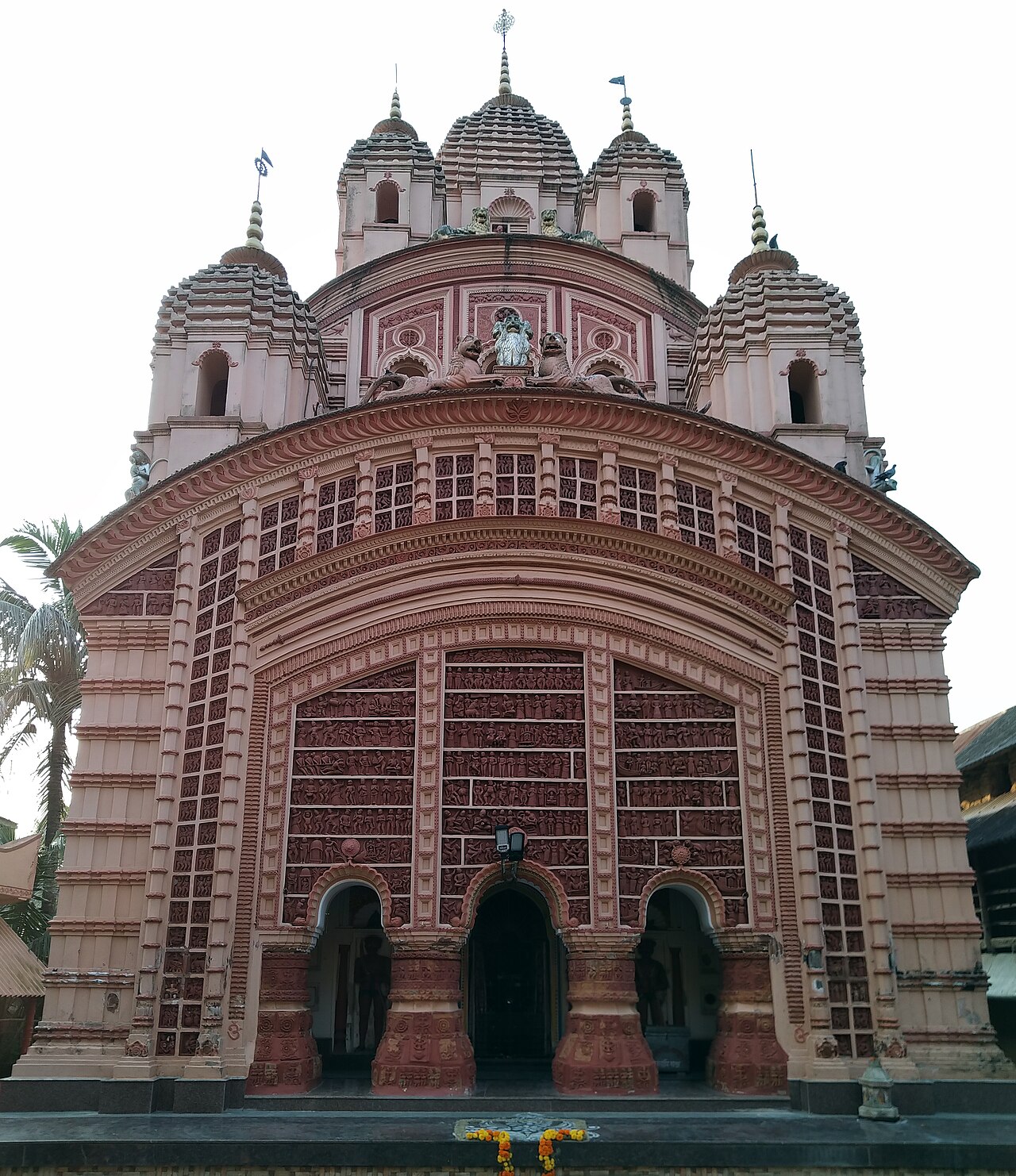
Raghunatha Temple in Alangiri is a magnificent Naba-ratna structure established in 1810 by the Das family, dedicated to Rama and standing nearly 40 feet high within a walled fam…
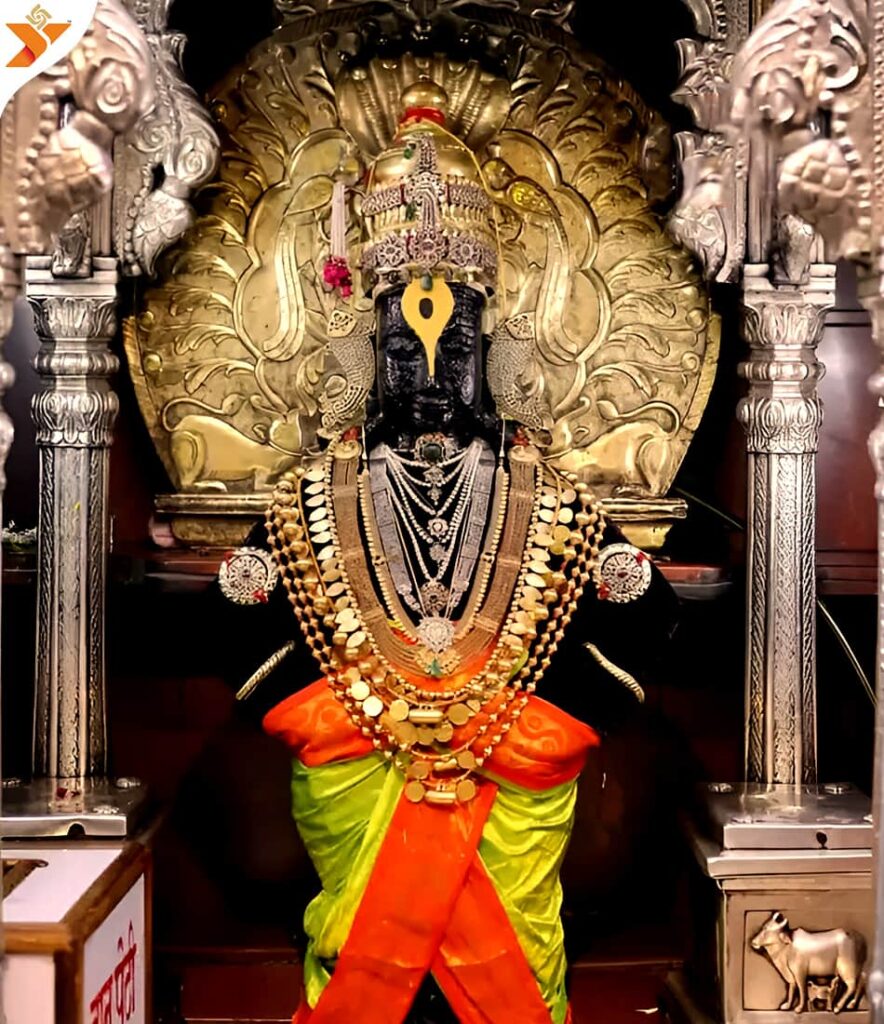
Rasmancha of Raghunath temple
Rasmancha of Raghunath temple in Jammu is a major shrine dedicated to Lord Rama, established in 1835, featuring distinctive gold interiors and a Shaligram gallery for Vishnu wor…
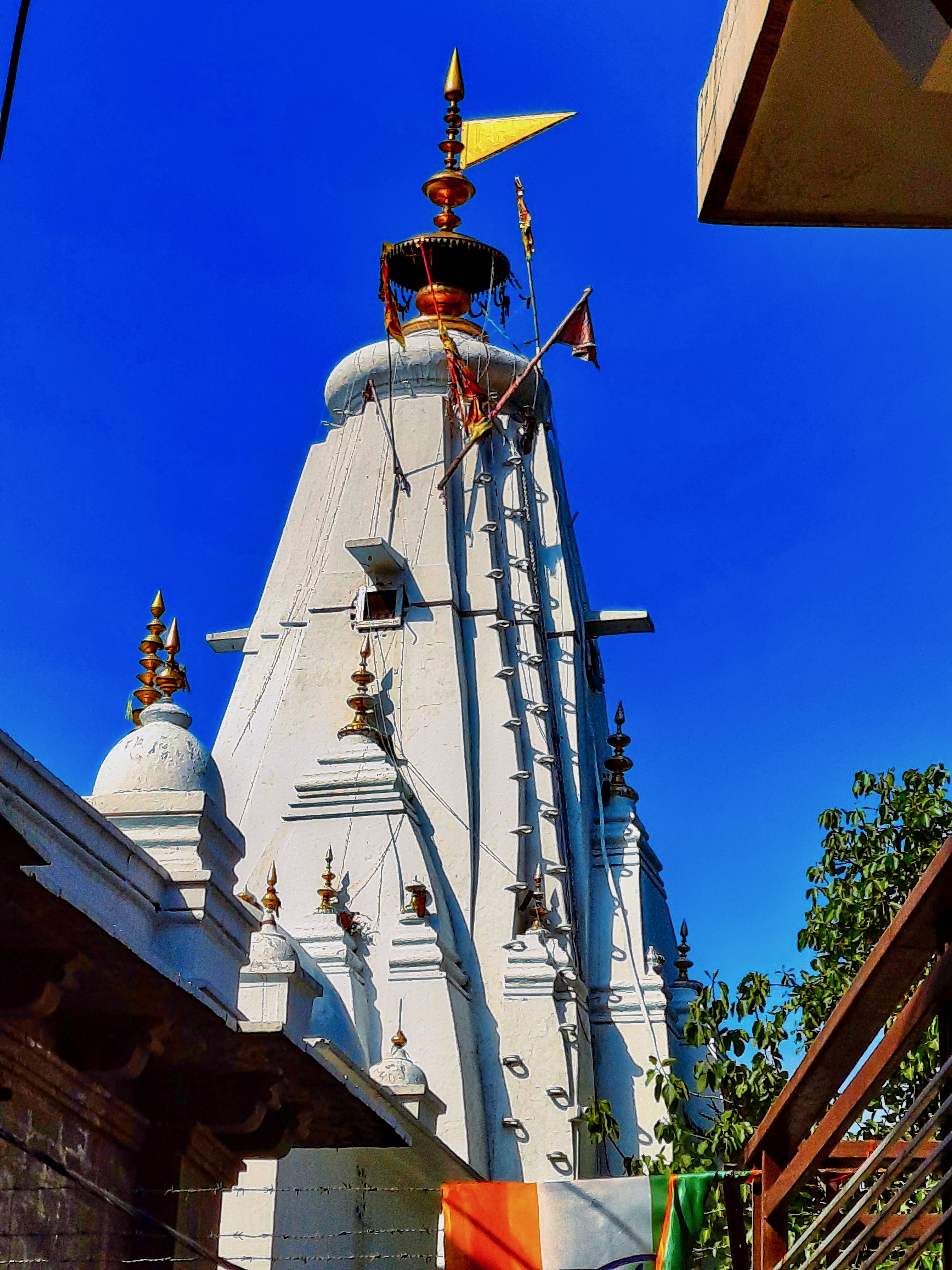
Rasmancha of Hatnagar Shiva temple
Rasmancha of Hatnagar Shiva temple is a village shrine in eastern India dedicated to Lord Shiva, offering round-the-clock darshan with an evening aarti ritual.

Bhusandeswar Temple
Baba Bhusandeswar Temple in Bhogarai, Balasore houses one of Asia's largest Shiva Lingams, standing approximately 12 feet tall with a 14-foot circumference, making it a major pi…
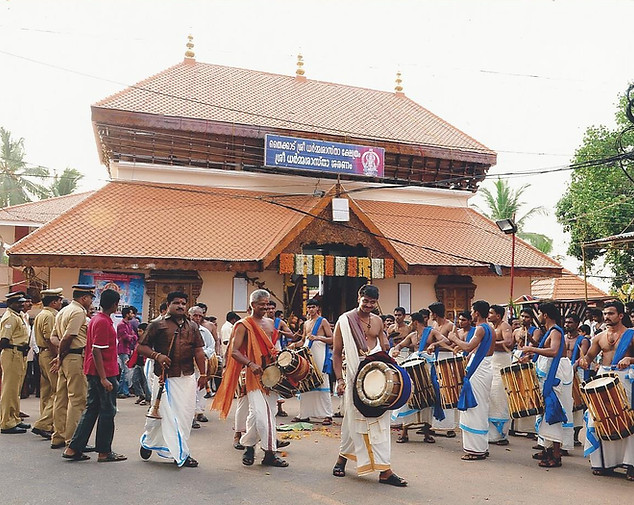
Maa Manasa Temple, Jakpur
Maa Manasa Temple in Jakpur, West Bengal is a distinctive open-air Hindu shrine dedicated to the goddess Manasa, notable for its lack of a protective roof structure.

Bhavatarini Shmashanpith Kali Temple
Bhavatarini Shmashanpith Kali Temple, established in 1855, is a revered shrine dedicated to Bhavatarini Kali on the eastern bank of the Kangsabati River in West Bengal. The temp…