
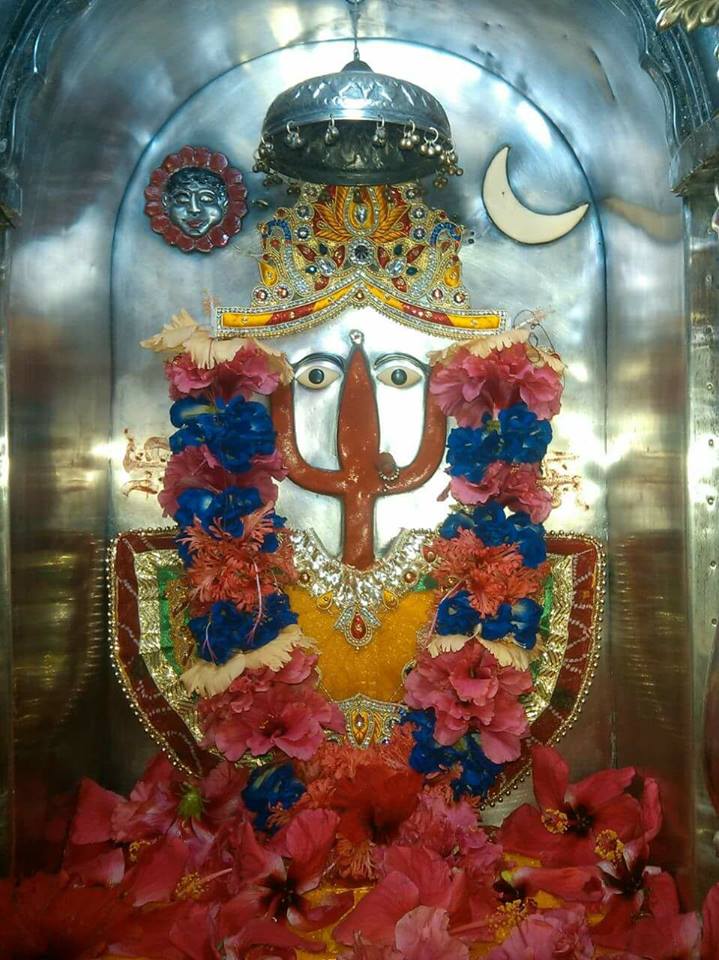
Bhavatarini Shmashanpith Kali Temple
About Bhavatarini Shmashanpith Kali Temple
The temple was established in 1855, placing it within the period of significant temple construction and renewal across Bengal. Little additional historical detail is recorded in available sources, but the temple's longevity and continued observance suggest it has maintained its role as a centre of worship for nearly two centuries. Its location in Panskura block, Purba Medinipur district, has kept it rooted in the local devotional life of the region.
Daily Worship and Darshan
The temple maintains a structured rhythm of worship marked by four principal aartis—ritual offerings of light and devotion—throughout the day. The Mangal Aarti, the earliest ceremony, begins at 4:00 AM. This is followed by the Bhog Offering at 12:30 PM, when blessed food is distributed to devotees. The Sandhya Aarti at 6:30 PM coincides with evening twilight, a traditionally significant time for worship. The final ritual, Shital Bhog and Shayan, occurs at 8:00 PM.
General darshan is available from 6:00 AM to 8:30 PM during winter months. Summer hours (April to September) adjust to the heat: morning darshan runs from 5:30 AM to 11:30 AM, and evening darshan from 3:30 PM to 9:00 PM. Visitors are welcome to attend the aartis, which form the core of the temple's devotional practice. Early morning visits are recommended to experience the temple in a quieter state and to avoid crowds, particularly on weekends and festival days.
Festivals and Lunar Observances
The temple observes two significant festivals tied to lunar cycles. Phalaharini Kali Puja takes place during the new moon night of Jyeshtha, typically in May or June, honouring the Goddess as a liberator from karmic bondage. Shyama Puja is celebrated on new moon nights, when the complex is illuminated with thousands of lamps, creating an atmosphere of profound devotion. Visitors planning to attend these observances should confirm exact dates in advance, as the lunar calendar determines their timing each year.
Visiting the Temple: Practical Information
Entry to the temple is free. Visitors should dress modestly and respectfully—women typically wear salwar kameez, sarees, or equivalent modest clothing, while men wear simple kurtas or shirts with trousers. Shoes must be removed before entering the inner sanctum. Photography policies vary within different sections of the complex; visitors should observe posted notices and respect the preferences of priests and other devotees.
Prasad (blessed food offering) is distributed after worship and should be accepted with the right hand or both hands as a mark of respect. Visitors should confirm current timings before travelling, as schedules may vary on festival days or during special observances.
How to Reach Balidangri
The temple is located in Panskura block, Purba Medinipur district, at coordinates 22.3941674, 87.7156462. The Kangsabati River's eastern bank provides a natural landmark for those approaching the site. Local transport options connect the temple to surrounding areas, though visitors should plan their journey in advance and allow time for travel from nearby towns. The temple's riverside position makes it a recognisable landmark for those approaching by water or from the surrounding region.
How to reach
Temples near Bhavatarini Shmashanpith Kali Temple
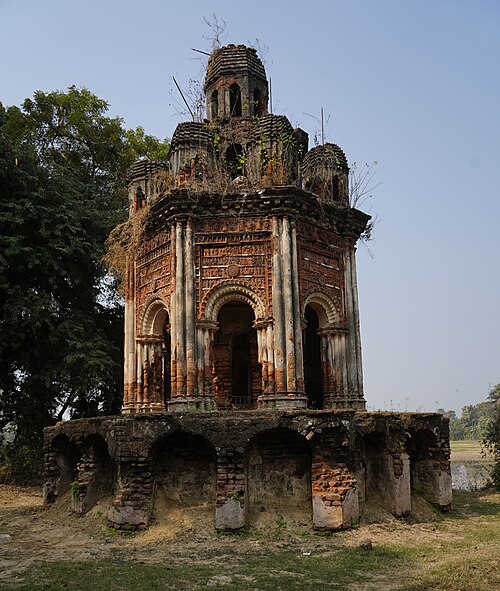
Rasmancha of Radhamadhab temple of Mailty family
An octagonal rasmancha (dance pavilion) dedicated to Radha Madhab, this structure belongs to the Mailty family and stands in Manglai Shyamballavpur within Panskura block.
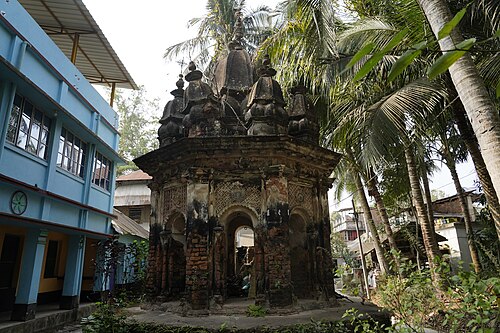
Rasmancha of Shridharjiu temple of Hazra family
The Rasmancha of Shridharjiu temple is a traditional performance stage maintained by the Hazra family in Daspur I block, Ghatal subdivision, West Bengal, believed to have been u…
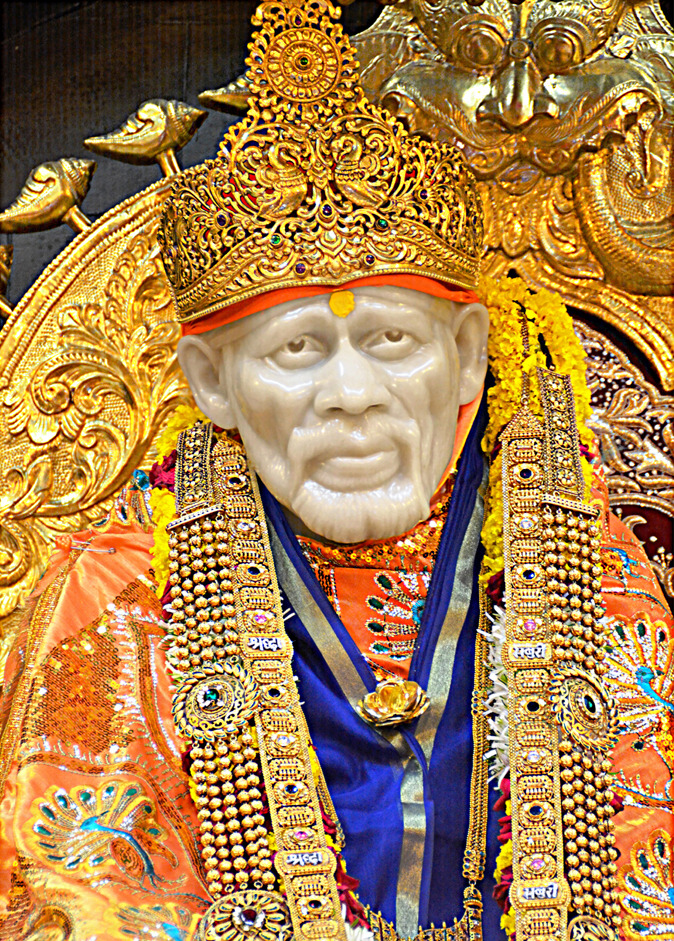
Rasmancha of Shridharjiu temple
The Samadhi Mandir of Shri Sai Baba in Shirdi is a white-marble shrine built in 1922 over the resting place of the revered saint who lived in the village for sixty years. The te…
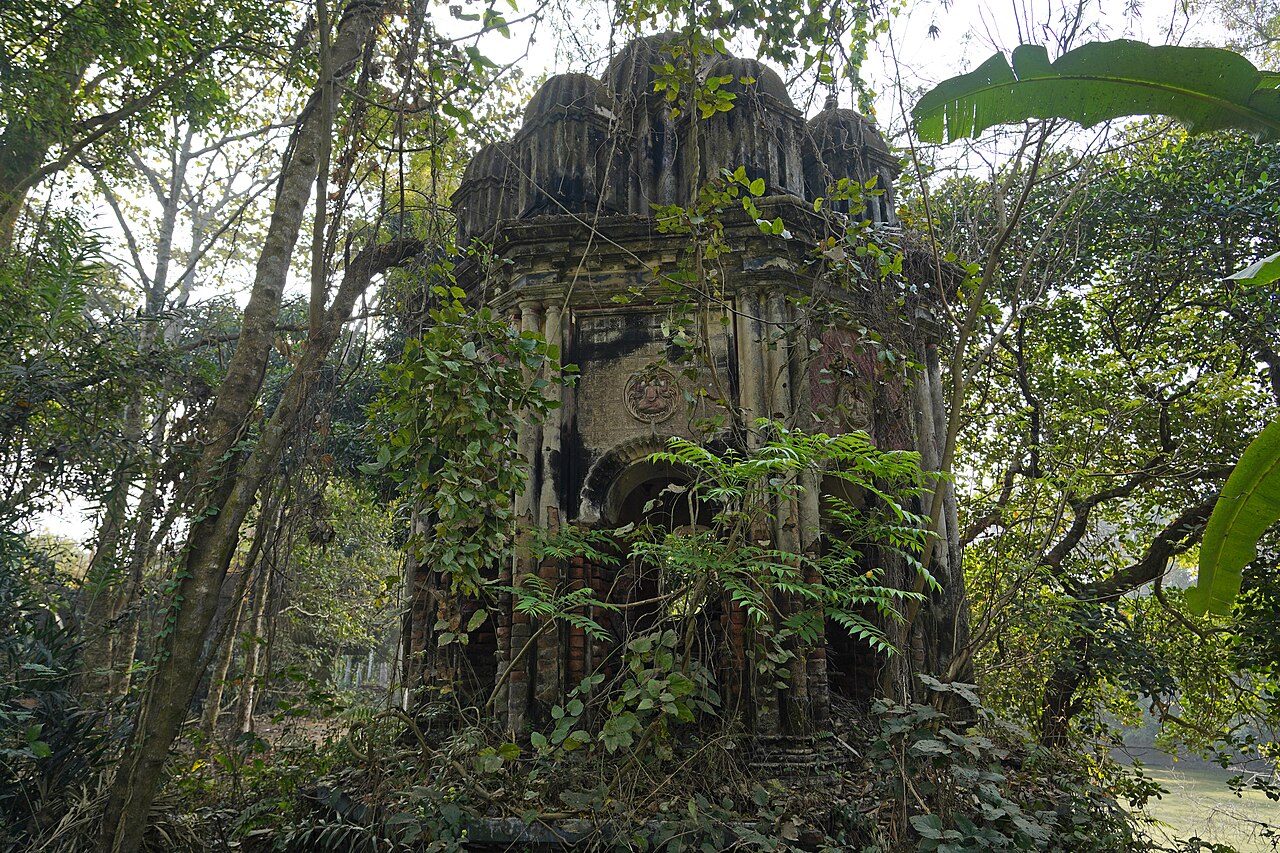
Rasmancha of Gopinath temple of Goswami family
The Rasmancha of Gopinath temple of Goswami family is a wooden and brick performance structure built in 1896 in Daspur I, West Bengal, traditionally used for Krishna Lila theatr…
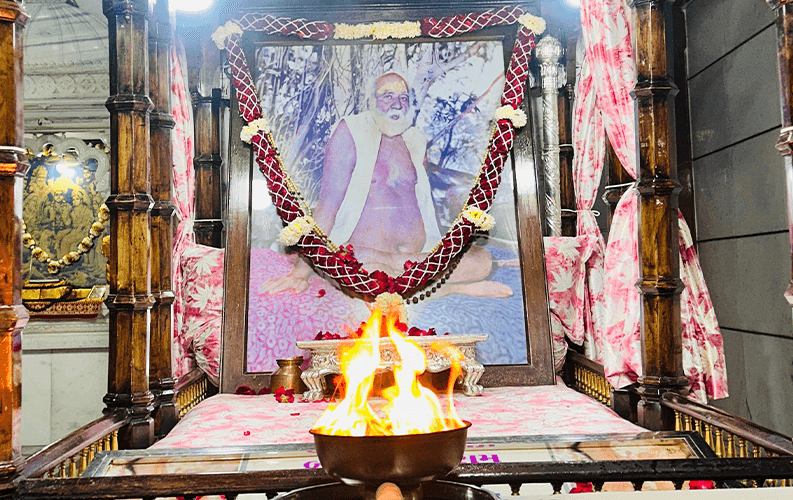
Rasmancha of Sitaram temple of Bera family
A historic rasmancha (performance stage) dedicated to Lord Rama, built by the Bera family in 19th-century Bengal. This traditional structure serves as a venue for Krishna devoti…
Madangopal Jiu Temple
Madangopal Jiu Temple is a Hindu shrine in Mellak village, Howrah district, West Bengal, established in 1651 and open continuously for worship.