


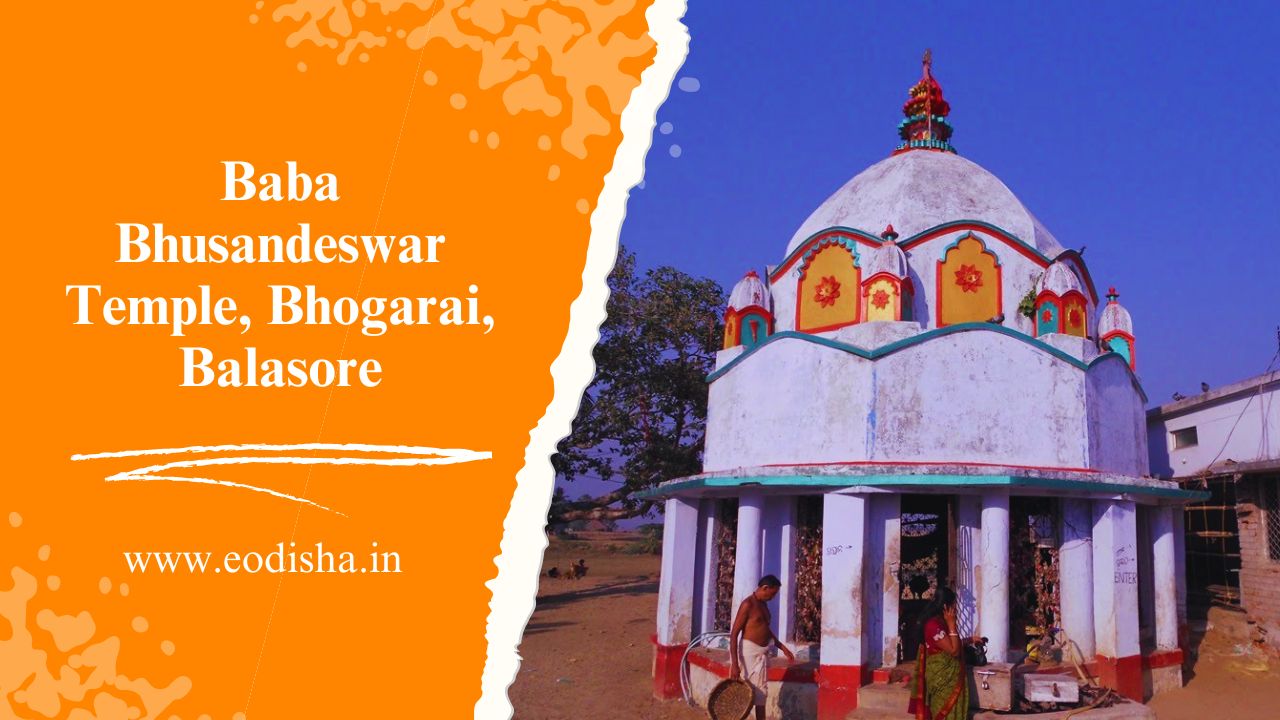
Bhusandeswar Temple
About Bhusandeswar Temple
The temple is situated in Kumbhirgadi village within Bhograi Block, in Balasore district in the state of Odisha. The coordinates for the temple are 21.62423889, 87.45323333, which can assist visitors using GPS navigation or mapping applications to locate the site. Balasore district lies in the northern part of Odisha, and the temple's position in a village setting means visitors should plan their journey accordingly, allowing time for travel from larger towns or cities in the region.
Visitors arriving by road should note the village location and may wish to inquire locally for specific directions once in the Bhograi Block area, as rural temple sites are not always prominently marked on standard maps.
Worship and Darshan
As a Shiva temple, Baba Bhusandeswar follows the devotional practices common to Shaivite shrines. Devotees typically approach the Shiva Linga with reverence, offering prayers and performing circumambulation around the sacred symbol. The primary focus of worship is direct darshan—viewing and receiving the blessings of the deity in its manifest form.
Visitors should approach the temple with appropriate respect and religious mindfulness. Standard temple etiquette in Hindu shrines includes removing footwear before entering the inner sanctum, maintaining a respectful demeanor, and following any instructions provided by temple staff or priests. Those unfamiliar with temple customs are encouraged to observe the behavior of other devotees and seek guidance from temple authorities if uncertain about proper conduct.
Visiting Considerations
Specific information regarding temple timings, entry fees, facilities for pilgrims, and accommodation options is not available from the sources provided. Visitors planning a trip should contact the temple directly or seek current information from local sources in Balasore district before traveling, as such details may vary seasonally or change over time.
Modest dress is customary when visiting Hindu temples; visitors should wear clothing that covers shoulders and knees as a sign of respect. Women may wish to carry a dupatta or scarf for additional coverage if desired. The village setting means that amenities such as food, lodging, and transportation may be limited, and visitors should plan accordingly.
The Sacred Significance of Shiva Linga Worship
The Shiva Linga represents one of the most ancient and central forms of worship in Hinduism, particularly within Shaivite traditions. Rather than depicting Shiva in human form, the Linga is an abstract, cylindrical symbol that devotees understand as embodying the infinite and formless nature of Shiva. This form of worship has been practiced for millennia and remains central to temple practice across India.
The monumental scale of the Shiva Linga at Baba Bhusandeswar makes it a distinctive pilgrimage destination, as the sheer size of the sacred symbol creates a powerful visual and spiritual focal point for worship and meditation.
Practical Information for Pilgrims
Before visiting, pilgrims should verify current temple hours, any seasonal closures, and whether special permissions are required for photography or ritual participation. The village location in Balasore district means that visitors may need to arrange their own transportation, as public transit to rural temple sites can be limited. Those traveling from outside the region should allow adequate time for the journey and consider staying in nearby towns such as Balasore city, which likely offers better accommodation and dining options than the village itself.
It is advisable to carry water, sun protection, and any personal medications, as village temples typically have minimal commercial facilities. Respectful behavior toward the temple, its priests, and other devotees is essential, and visitors should be mindful that this is an active place of worship rather than a tourist attraction.
How to reach


Temples near Bhusandeswar Temple
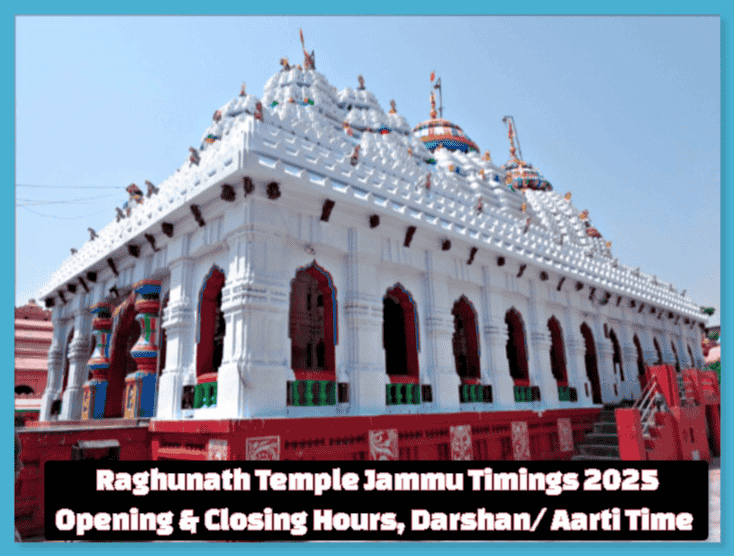
Rasmancha of Raghunath temple
Rasmancha of Raghunath temple in Jammu is a major shrine dedicated to Lord Rama, established in 1835, featuring distinctive gold interiors and a Shaligram gallery for Vishnu wor…
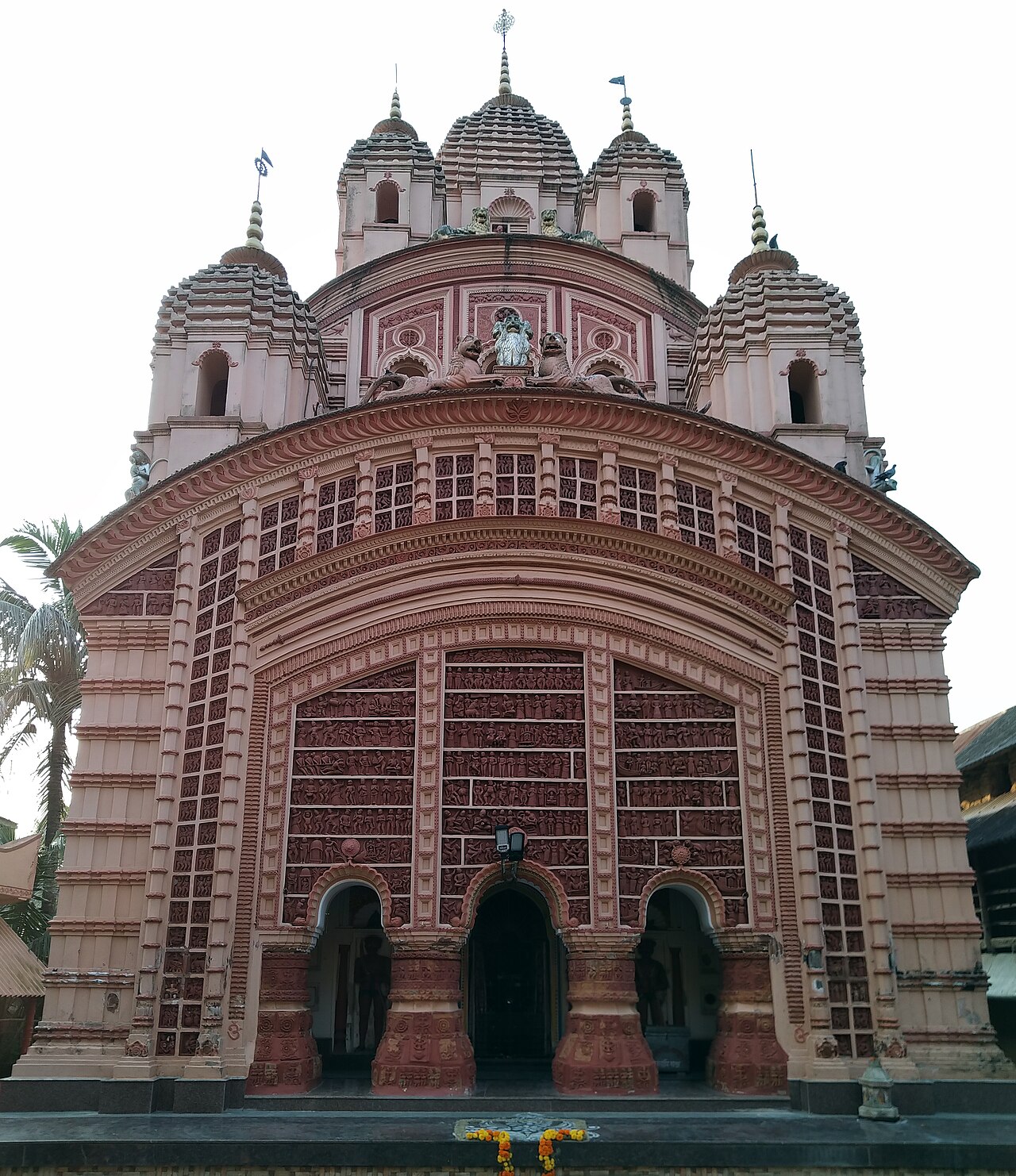
Raghunatha Temple, Alangiri
Raghunatha Temple in Alangiri is a magnificent Naba-ratna structure established in 1810 by the Das family, dedicated to Rama and standing nearly 40 feet high within a walled fam…
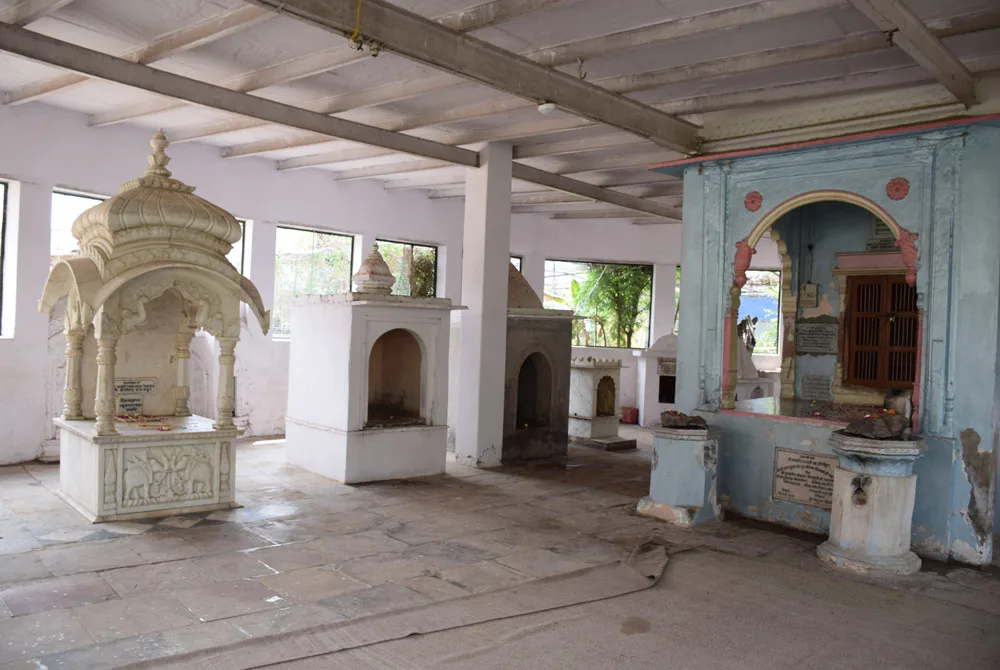
Rasmancha of Radha Gokulananda temple
The Rasmancha of Radha Gokulananda Temple at Keshi Ghat in Vrindavan is one of the seven Goswami temples, established in the 16th century by Vishwanath Chakravarti Thakur on the…
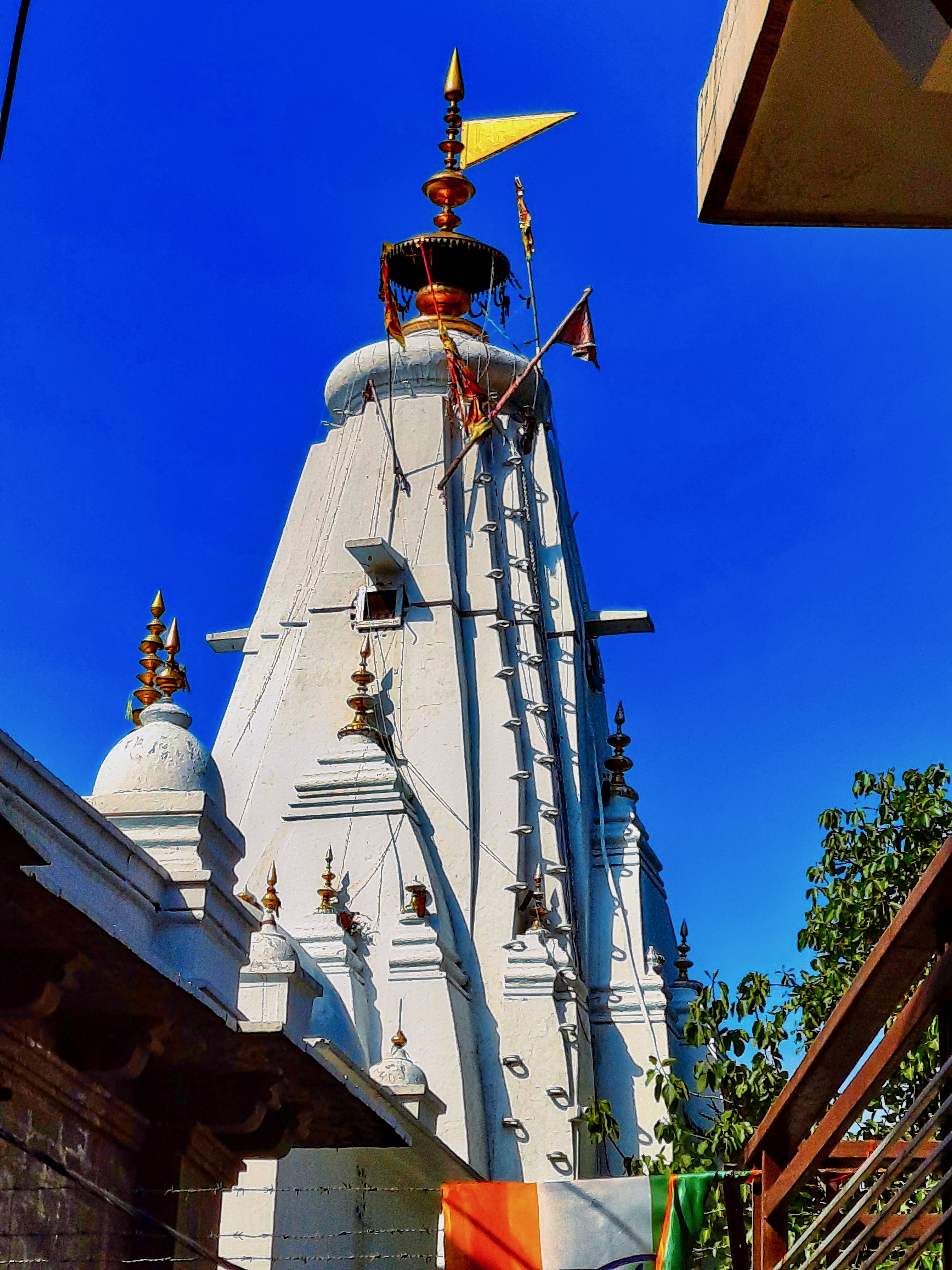
Rasmancha of Hatnagar Shiva temple
Rasmancha of Hatnagar Shiva temple is a village shrine in eastern India dedicated to Lord Shiva, offering round-the-clock darshan with an evening aarti ritual.

Baneswara Temple, Balasore
Baneswara Temple is one of Balasore's oldest Hindu temples, maintained by a dedicated group of priests known as Pujaka.
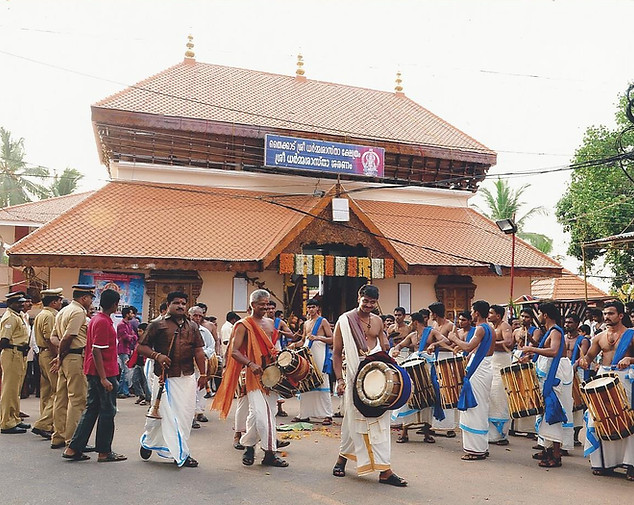
Maa Manasa Temple, Jakpur
Maa Manasa Temple in Jakpur, West Bengal is a distinctive open-air Hindu shrine dedicated to the goddess Manasa, notable for its lack of a protective roof structure.