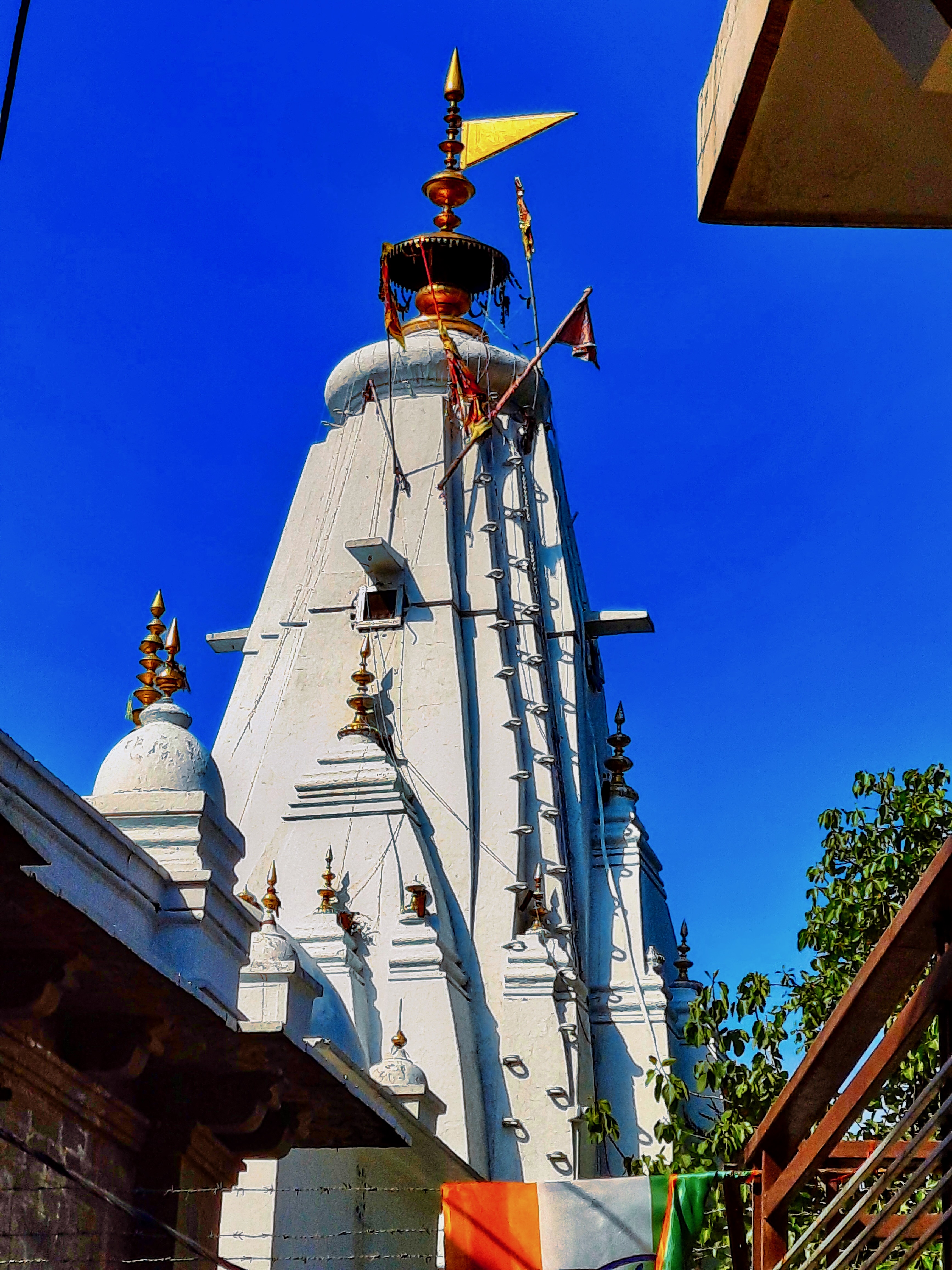
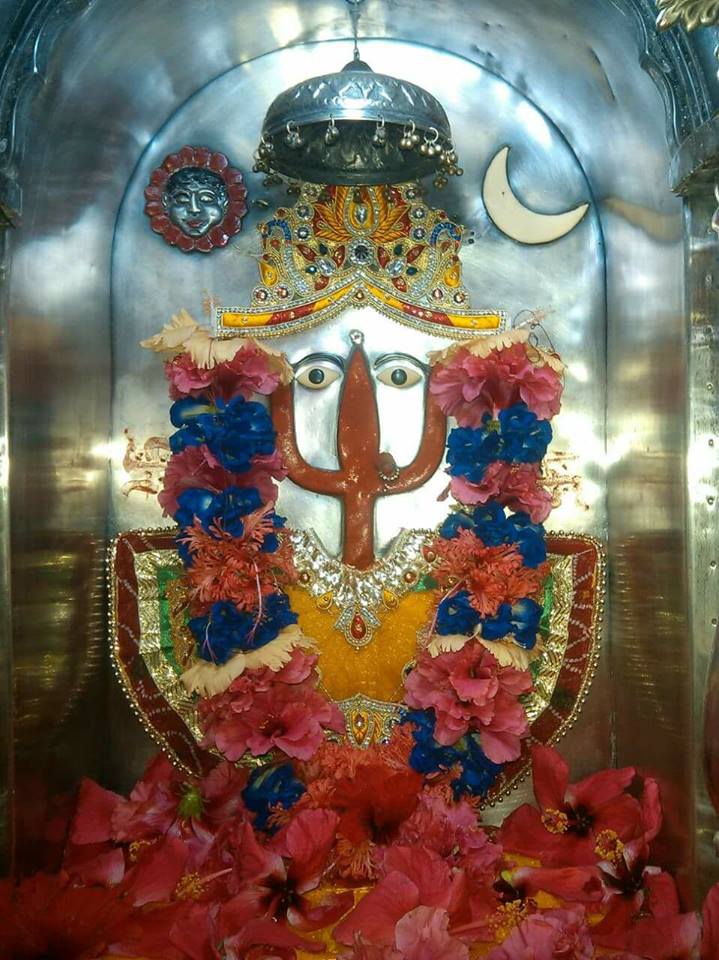
Rasmancha of Hatnagar Shiva temple
About Rasmancha of Hatnagar Shiva temple
The temple maintains continuous darshan throughout the day and night, with doors open from midnight to midnight. This round-the-clock accessibility allows devotees to visit according to their own schedules, whether early morning, afternoon, or late evening. The primary structured ritual moment occurs at 19:00 each evening, when the Sandhya Aarti takes place. This sunset ritual represents the temple's most significant daily observance and offers visitors the opportunity to participate in communal worship alongside other devotees. The evening aarti is the recommended time for those seeking a focused spiritual experience at the shrine.
Festivals and Seasonal Celebrations
The temple observes four major Hindu festivals throughout the year, each marked by elaborate decoration and increased devotional activity. Makar Sankranti in January celebrates the sun's entry into Capricorn and is observed as a harvest festival. Ganesh Chaturthi arrives in September with a ten-day festival honouring Ganesha. Holi, the festival of colours, takes place in March. Chhath Puja, observed in November, completes the annual cycle of major celebrations. During these festival periods, the shrine is decorated more elaborately than on ordinary days, and worshippers gather in significantly greater numbers. Visitors planning to attend during a festival should confirm exact timings with the temple in advance, as schedules may vary from the standard daily routine.
Visiting Etiquette and Practical Considerations
As a Shiva temple, visitors should observe standard practices of Hindu temple worship. Devotees typically remove footwear before entering the sanctum and approach the deity with respect and reverence. Modest dress is customary; loose-fitting clothing that covers shoulders and knees is appropriate for temple visits. Photography policies are not specified in available information, so it is wise to ask permission before photographing the sanctum or rituals. The sources do not detail facilities such as ablution areas, prasad distribution, or donation methods, so visitors should arrive with realistic expectations about amenities. Those visiting during festival periods should be prepared for crowded conditions and potentially altered schedules compared to ordinary days.
Planning Your Visit
Before travelling to Hatnagar, confirm current darshan and aarti timings with the temple directly, particularly if visiting during or near a festival period. The continuous opening hours mean that visits can be arranged flexibly, though the evening aarti at 19:00 represents the temple's primary ritual moment and the best time for experiencing communal worship. Allow adequate time for the journey to this village location, and plan accordingly for local conditions and available services in the area. The sources do not specify public transport options or accommodation nearby, so advance planning regarding travel arrangements is advisable. Those visiting during Makar Sankranti, Ganesh Chaturthi, Holi, or Chhath Puja should expect the shrine to be more crowded and more elaborately decorated than on ordinary days.
How to Reach Hatnagar
Rasmancha of Hatnagar Shiva temple is located at 21.9025°N, 87.5383°E in Hatnagar village, eastern India. Visitors should use these coordinates with GPS navigation or mapping applications to reach the shrine. The village address provides the primary reference point for locating the temple. The sources do not specify details about road access, nearest railway stations, or other transport connections, so consulting local travel resources or contacting the temple directly for directions is recommended.
How to reach
Temples near Rasmancha of Hatnagar Shiva temple
Rasmancha of Radha Gokulananda temple
The Rasmancha of Radha Gokulananda Temple at Keshi Ghat in Vrindavan is one of the seven Goswami temples, established in the 16th century by Vishwanath Chakravarti Thakur on the…
Raghunatha Temple, Alangiri
Raghunatha Temple in Alangiri is a magnificent Naba-ratna structure established in 1810 by the Das family, dedicated to Rama and standing nearly 40 feet high within a walled fam…
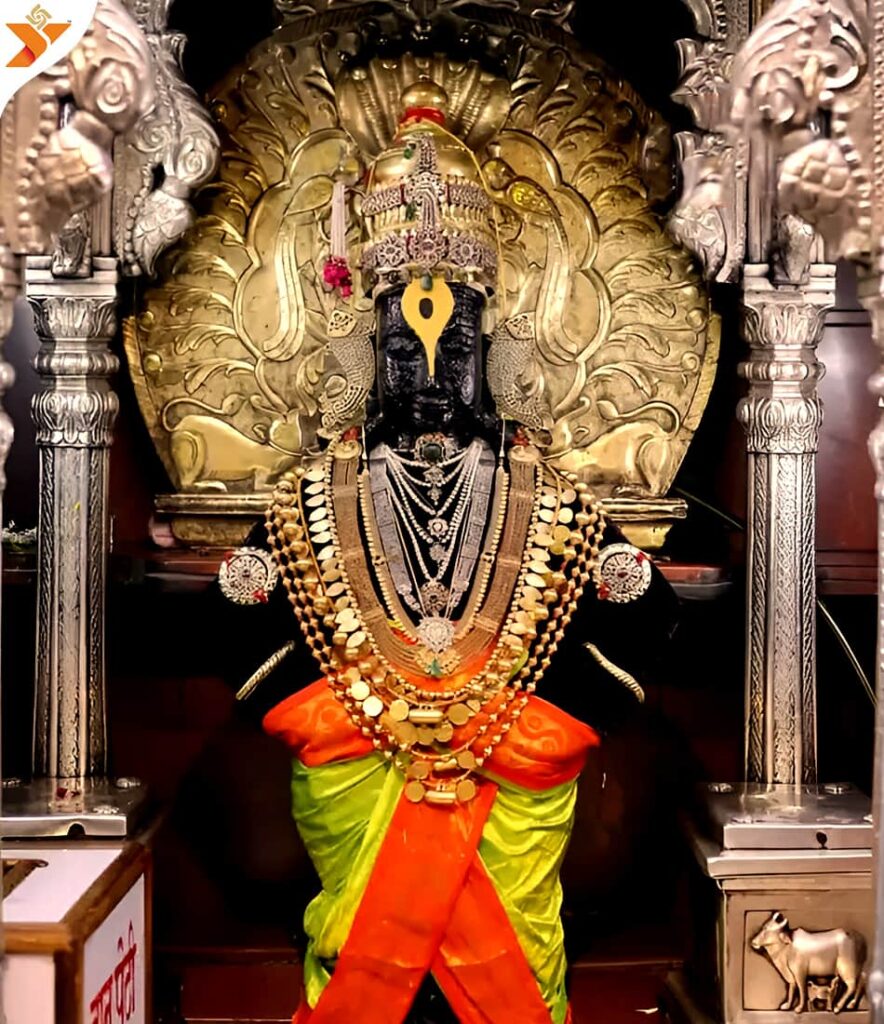
Rasmancha of Raghunath temple
Rasmancha of Raghunath temple in Jammu is a major shrine dedicated to Lord Rama, established in 1835, featuring distinctive gold interiors and a Shaligram gallery for Vishnu wor…

Bhusandeswar Temple
Baba Bhusandeswar Temple in Bhogarai, Balasore houses one of Asia's largest Shiva Lingams, standing approximately 12 feet tall with a 14-foot circumference, making it a major pi…
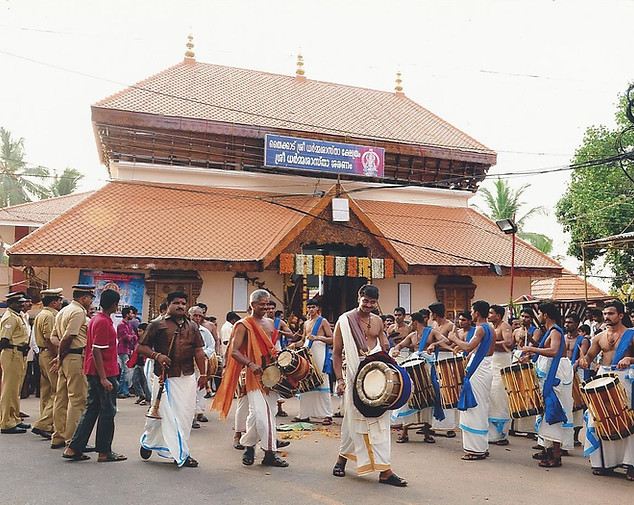
Maa Manasa Temple, Jakpur
Maa Manasa Temple in Jakpur, West Bengal is a distinctive open-air Hindu shrine dedicated to the goddess Manasa, notable for its lack of a protective roof structure.
Begunbari Kali Temple
Begunbari Kali Temple is a Hindu shrine in Purba Medinipur, West Bengal, dedicated to Sashan Kali, an incarnation of Goddess Kali, situated on the western bank of the Kangsabati…