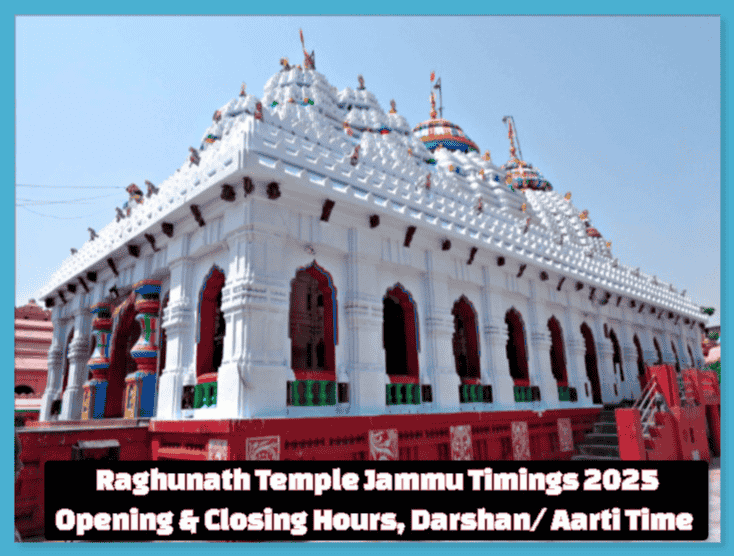
Rasmancha of Raghunath temple
About Rasmancha of Raghunath temple
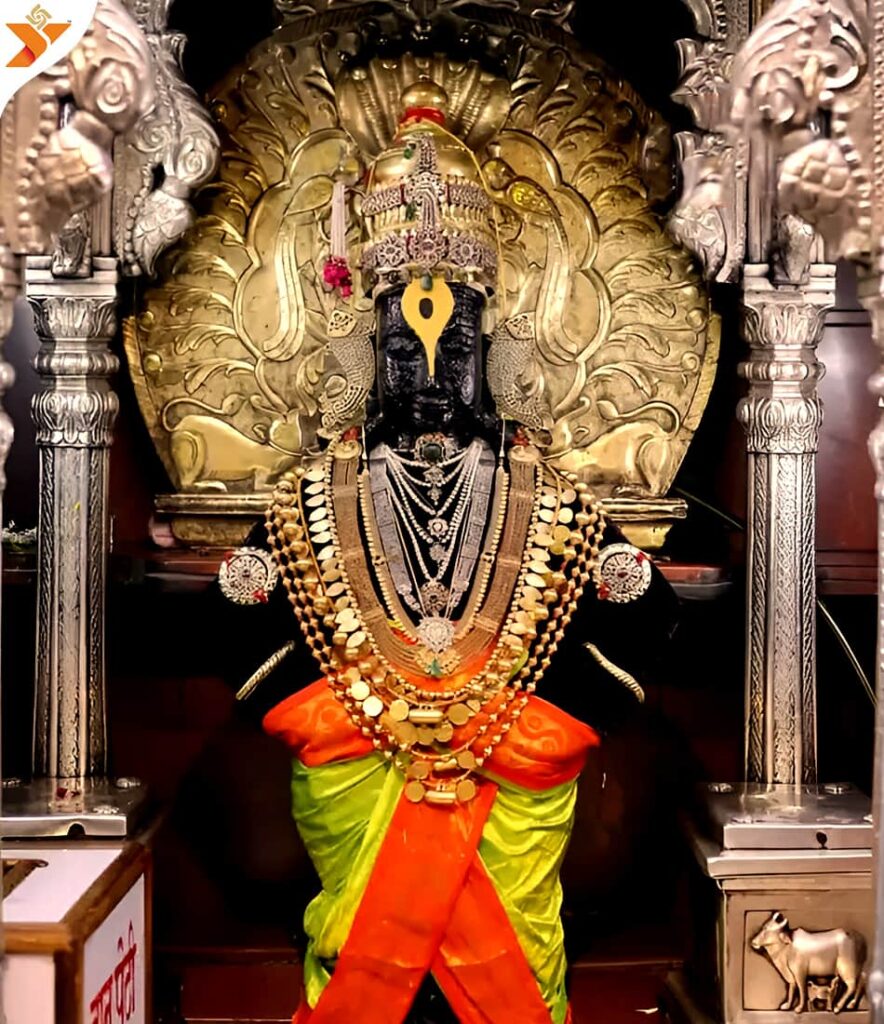
The temple's most distinctive feature is its gold interiors, which reflect considerable investment in the sanctuary's visual and spiritual presentation. Beyond the main sanctum, the complex includes interconnected shrines that allow devotees to move through multiple sacred spaces, each serving particular aspects of worship. A notable feature is the Shaligram gallery—a dedicated space for viewing Shaligrams, the sacred stones traditionally associated with Vishnu worship. The temple also maintains a collection of Sanskrit manuscripts, including texts in the Sarada script, which visitors with scholarly interest may inquire about upon arrival, though access depends on temple protocols and should not be assumed.
A visit of at least 90 minutes allows adequate time to experience the main sanctum, view the Shaligram gallery, and observe the architectural details throughout the complex.
Daily Worship and Rituals
The temple opens for darshan from 06:00 to 20:00 daily, accommodating both early morning and evening visitors. Two principal aartis structure the day's worship: the Mangala Aarti at 07:00 in the morning and the Sandhya Aarti at 18:00 in the evening. These rituals, in which the deity is honoured through light, sound, and offerings, form the core of daily devotional practice. Visitors are welcome to participate in or observe these ceremonies, which represent the temple's regular rhythm of worship.
Festivals and Observances
The temple observes major festivals throughout the Hindu calendar year. Ram Navami, which commemorates the birth of Lord Rama, holds particular significance at this temple dedicated to the deity and is observed as a major festival. Diwali, the Festival of Lights, is celebrated with Lakshmi puja, while Dhanteras—marking the beginning of the Diwali season—receives special attention with worship focused on Dhanvantari and Lakshmi. The temple also observes Guru Purnima, honouring spiritual teachers; Akshaya Tritiya, considered auspicious for new beginnings; and Karwa Chauth. The complex is reported to be most elaborately decorated during these festival periods. Visitors planning to attend festivals should confirm exact timings with the temple in advance, as schedules vary on observance days.
Visiting Information and Practicalities
The temple is located at coordinates 21.846216666667°N, 87.469216666667°E, approximately 3 kilometres from Jammu Tawi railway station. The journey from the railway station takes roughly 10 minutes by auto-rickshaw. For inquiries regarding darshan times, festivals, or other details, the temple office can be reached at +91 92203 52244.
The best periods for visiting are October through March, when the climate is temperate and conditions favour comfortable exploration of the complex. Visitors should dress modestly, as is customary in Hindu temples—covered shoulders and knees are appropriate. Timings may vary on festival days, so confirmation with the temple before travel is advisable, particularly if planning a visit around major observances.
How to Reach
The temple is situated in Jammu, Jammu & Kashmir. Those arriving by rail should exit at Jammu Tawi railway station and arrange transport by auto-rickshaw for the short journey to the temple. The coordinates 21.8462°N, 87.4692°E can be used with mapping applications for navigation. Contact the temple office directly for specific directions or travel assistance if needed.
How to reach
Temples near Rasmancha of Raghunath temple
Raghunatha Temple, Alangiri
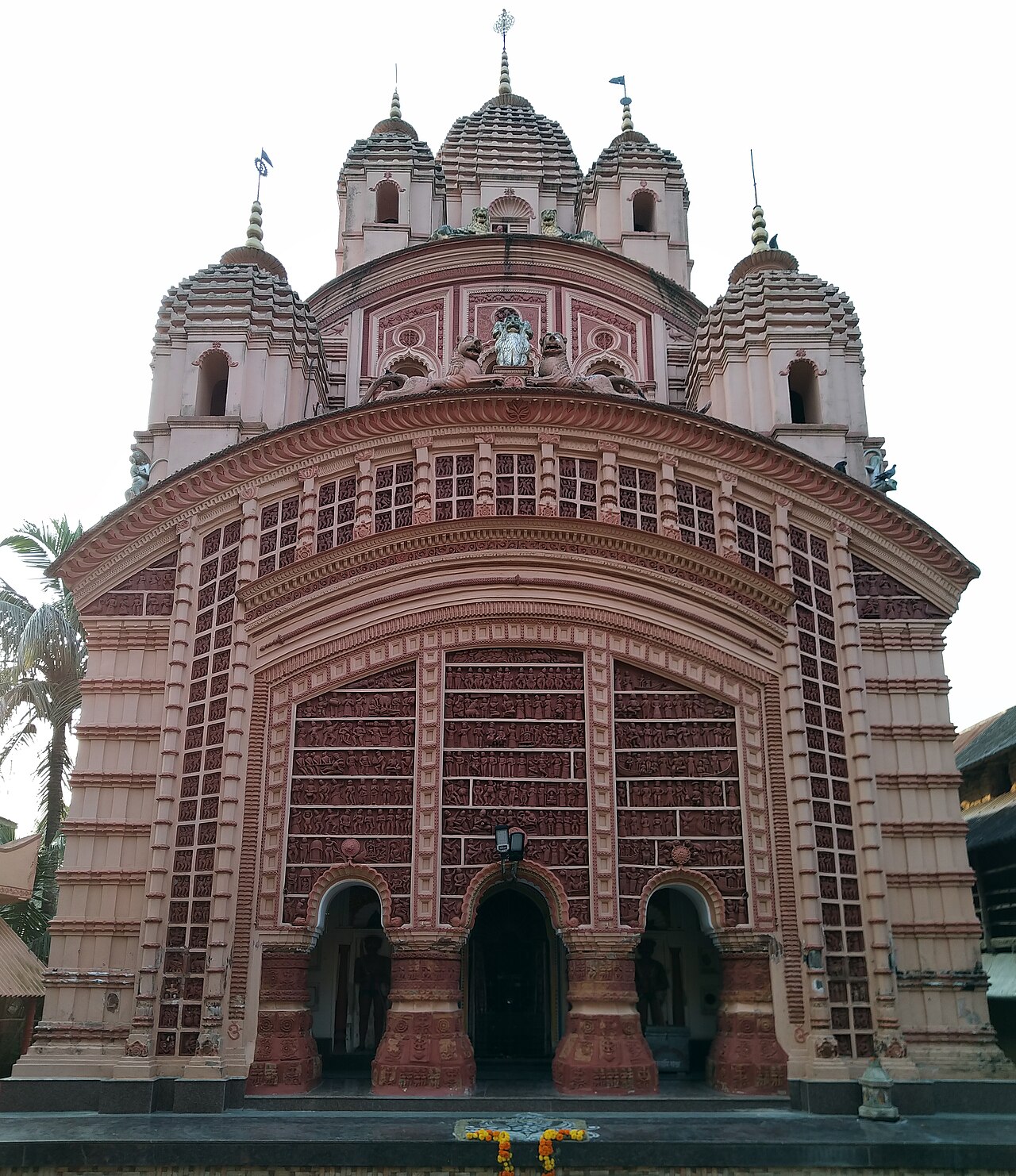
Raghunatha Temple in Alangiri is a magnificent Naba-ratna structure established in 1810 by the Das family, dedicated to Rama and standing nearly 40 feet high within a walled fam…
Rasmancha of Radha Gokulananda temple
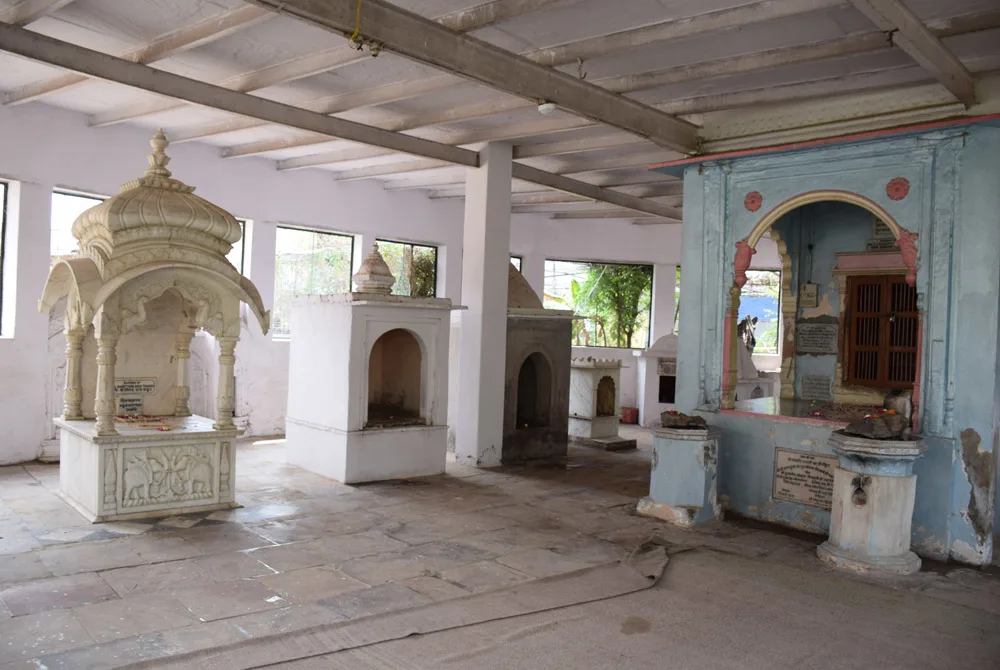
The Rasmancha of Radha Gokulananda Temple at Keshi Ghat in Vrindavan is one of the seven Goswami temples, established in the 16th century by Vishwanath Chakravarti Thakur on the…
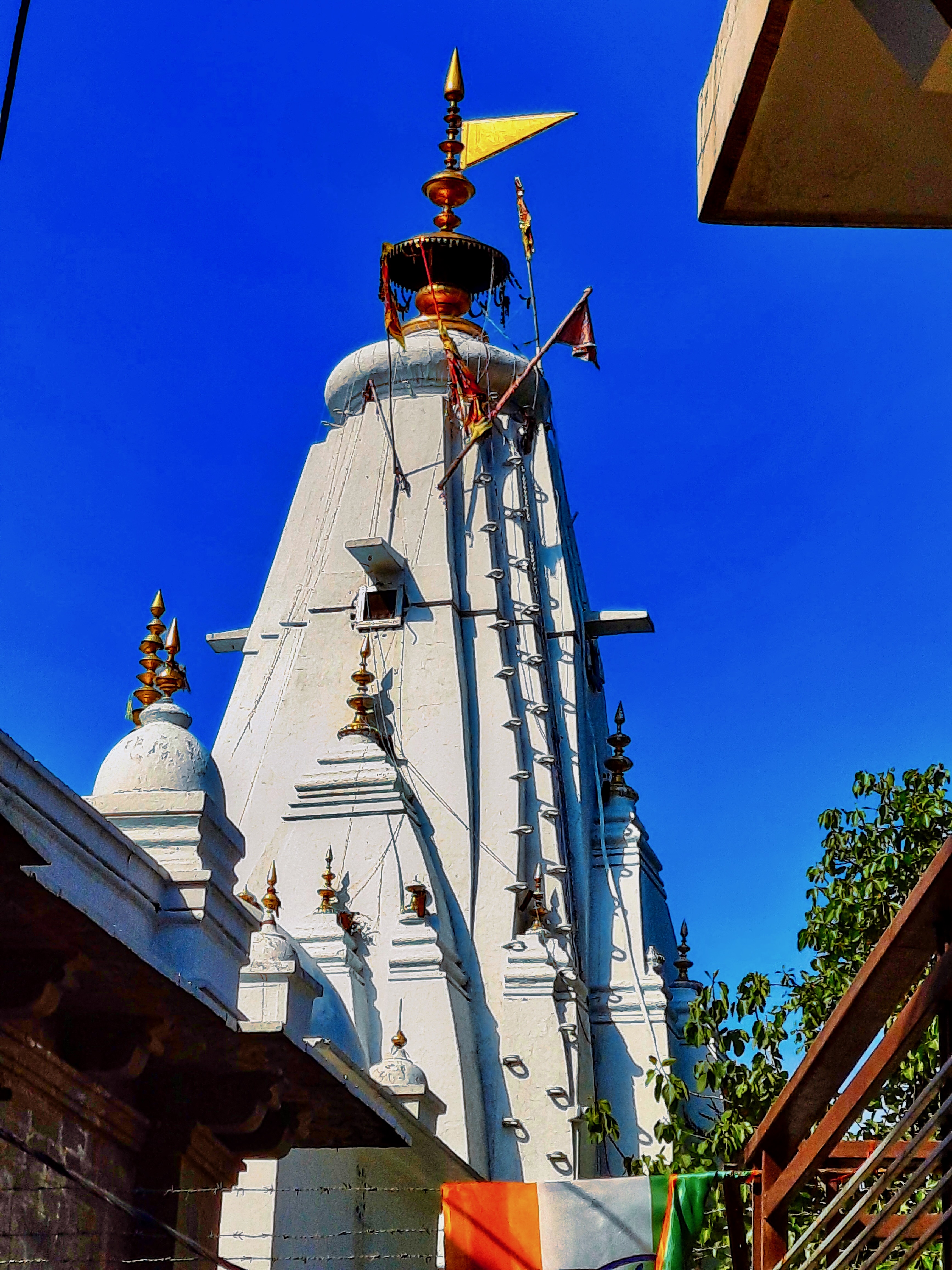
Rasmancha of Hatnagar Shiva temple
Rasmancha of Hatnagar Shiva temple is a village shrine in eastern India dedicated to Lord Shiva, offering round-the-clock darshan with an evening aarti ritual.

Bhusandeswar Temple
Baba Bhusandeswar Temple in Bhogarai, Balasore houses one of Asia's largest Shiva Lingams, standing approximately 12 feet tall with a 14-foot circumference, making it a major pi…
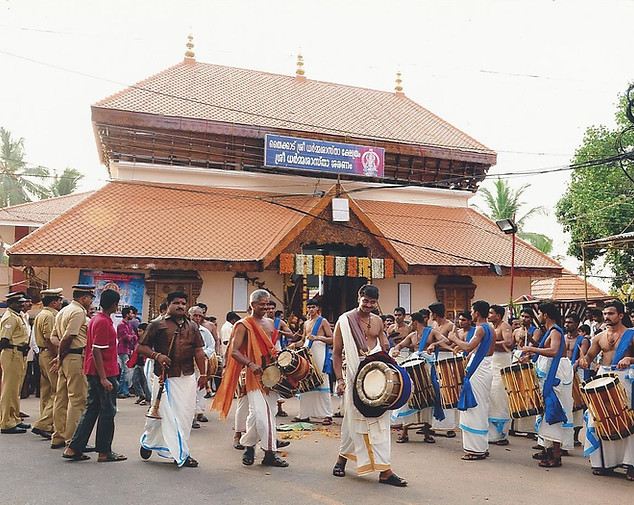
Maa Manasa Temple, Jakpur
Maa Manasa Temple in Jakpur, West Bengal is a distinctive open-air Hindu shrine dedicated to the goddess Manasa, notable for its lack of a protective roof structure.
Begunbari Kali Temple
Begunbari Kali Temple is a Hindu shrine in Purba Medinipur, West Bengal, dedicated to Sashan Kali, an incarnation of Goddess Kali, situated on the western bank of the Kangsabati…