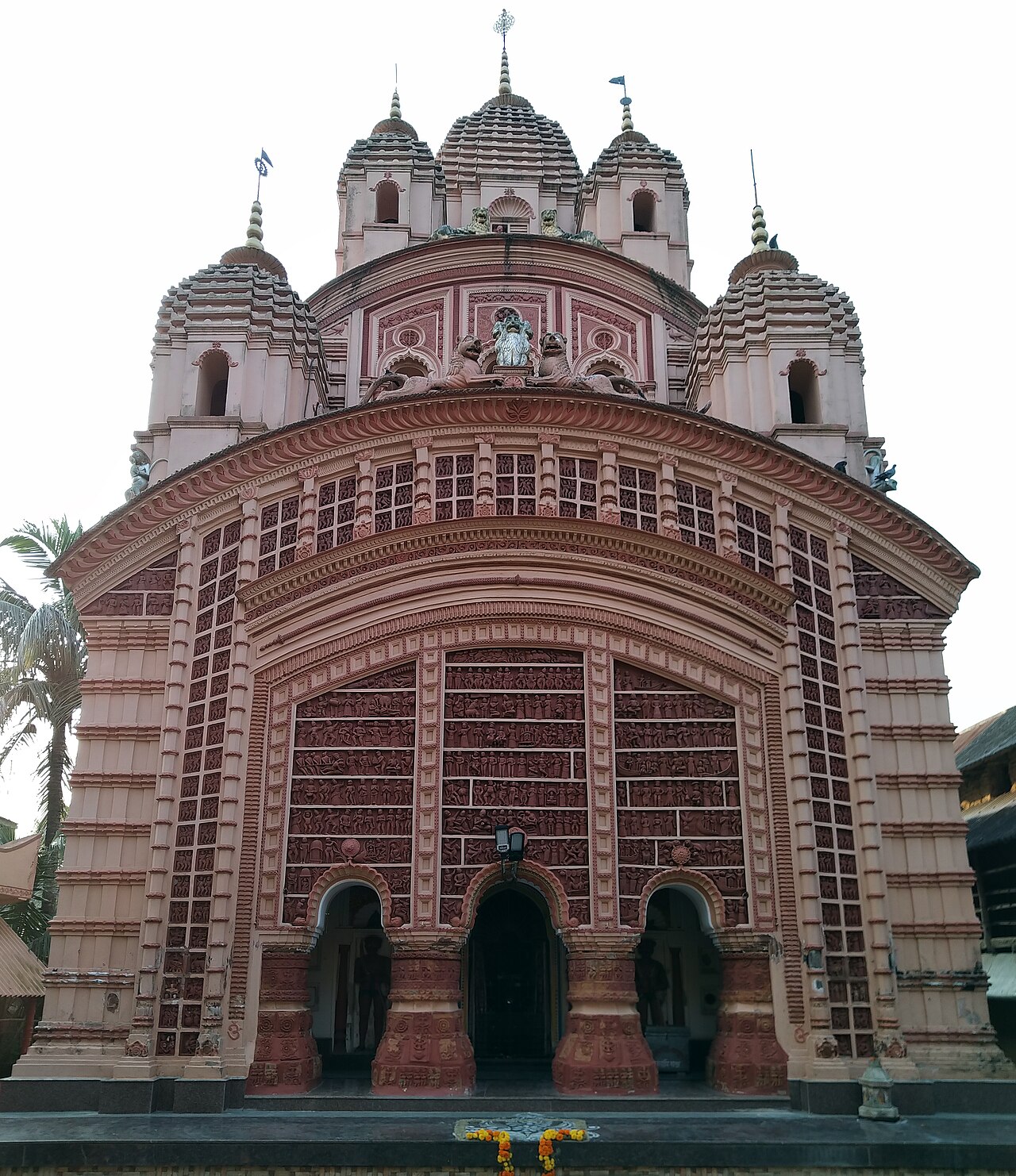
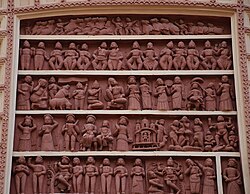
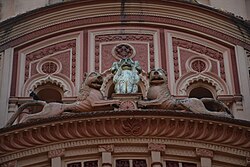
Raghunatha Temple, Alangiri
About Raghunatha Temple, Alangiri
Alangiri is accessible from the town of Egra in Purba Medinipur district. The temple's location within a family courtyard means that visiting hours and access may be subject to the family's arrangements; visitors should inquire locally about appropriate times to visit. As with most Hindu temples, modest dress is respectful—covering shoulders and knees is customary. Shoes are typically removed before entering the inner sanctum. Photography policies vary; it is courteous to ask permission before photographing the deity or interior spaces. The walled courtyard setting means the temple is not a large public pilgrimage site, so visitors should approach with awareness that this remains a family shrine and place of private devotion.
The Naba-Ratna Tradition
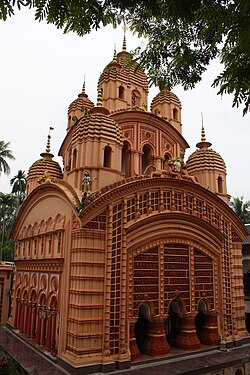
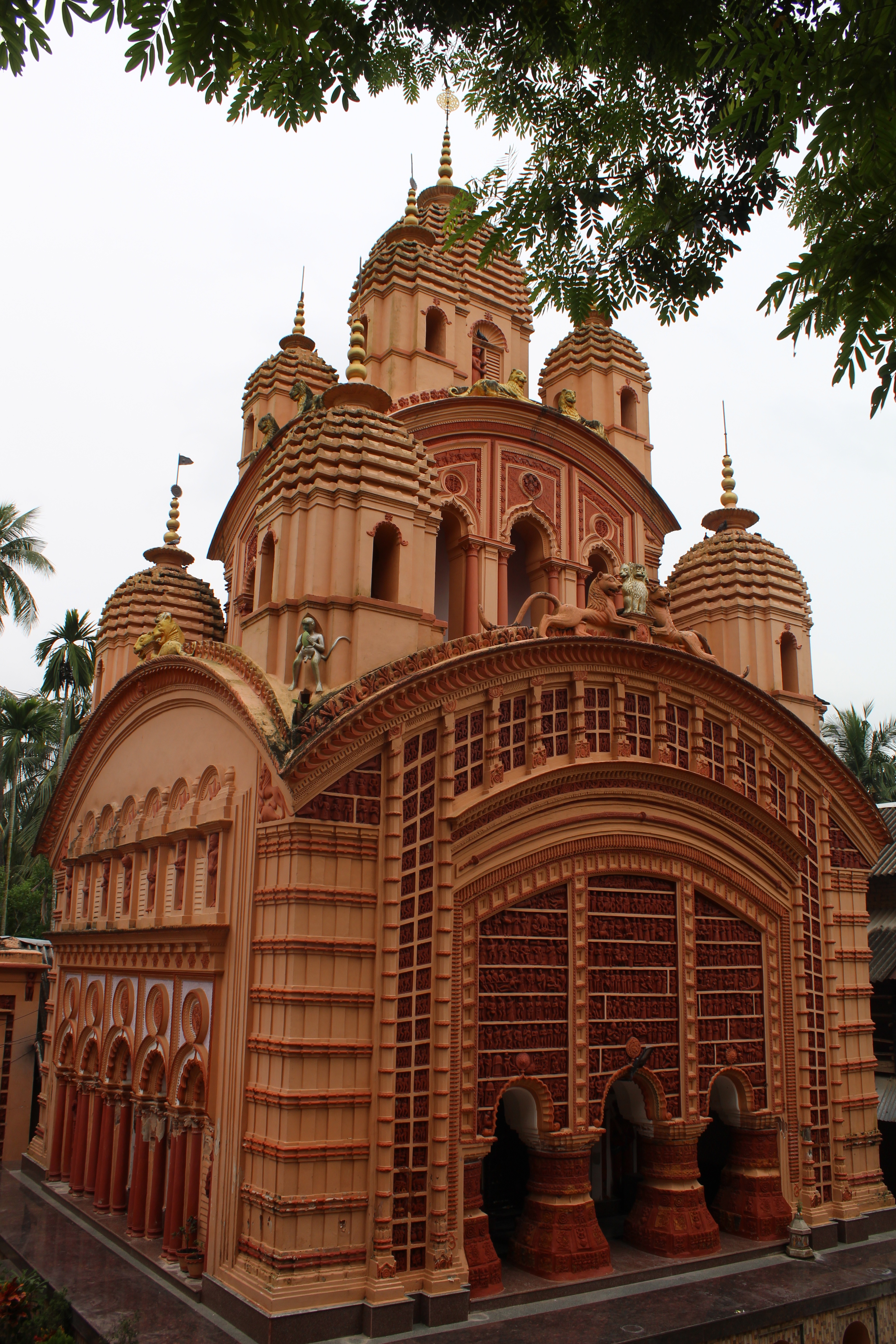
The Naba-ratna architectural style emerged in Bengal as a distinctive response to Hindu temple design, with the nine towers symbolising cosmic and spiritual principles. Temples built in this style typically feature a central sanctum tower surrounded by eight smaller towers, creating a visually striking silhouette. This design became particularly popular among Bengali Hindu families during the eighteenth and nineteenth centuries as a way to construct substantial, architecturally impressive temples. The style represents a synthesis of regional building traditions and devotional aspirations, and Raghunatha Temple exemplifies this approach to sacred architecture.
Raghunath and Rama Worship
Raghunath is a name for Rama, the seventh avatar of Vishnu in Hindu tradition, and worship of Rama centres on his life as depicted in the Ramayana epic. Devotion to Rama emphasises dharma (righteous duty), bhakti (devotional love), and the divine embodied in human form. Temples dedicated to Raghunath typically focus on Rama's virtues as an ideal ruler and devoted son, and on his relationship with his consort Sita. The choice of this deity by the Das family reflects the prevalence of Rama worship among Bengali Hindus, a tradition with deep roots in the region's religious life.
The Temple in Its Landscape
The temple's establishment in 1810 places it within a period of significant social and cultural change in Bengal, following the consolidation of British colonial rule. The construction of substantial family temples during this era often represented both continuity with Hindu traditions and adaptation to new circumstances. The temple's location in a rural village setting, within a family compound rather than as a standalone public shrine, reflects patterns of temple patronage and worship common in nineteenth-century Bengal. The structure has endured for over two centuries, serving as a focal point for the Das family's devotions and a landmark in the Alangiri landscape.
How to reach
You may also visit
Kalyanji Temple
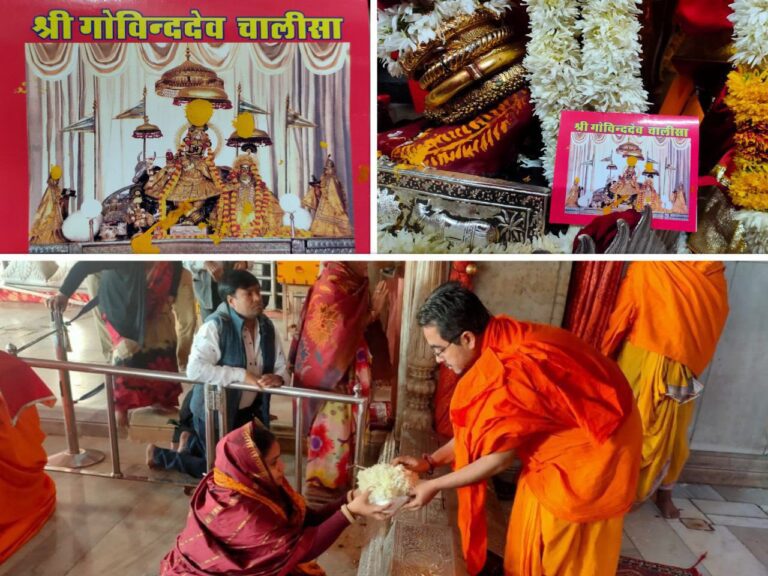
Kalyanji Temple in Jaipur's Chandpol Bazaar is approximately two centuries old and renowned for displaying the twenty-four avatars of Krishna, visible only twice yearly during Akha Teej and Patottsav festival.
Sastha (Ayyappan) Temple
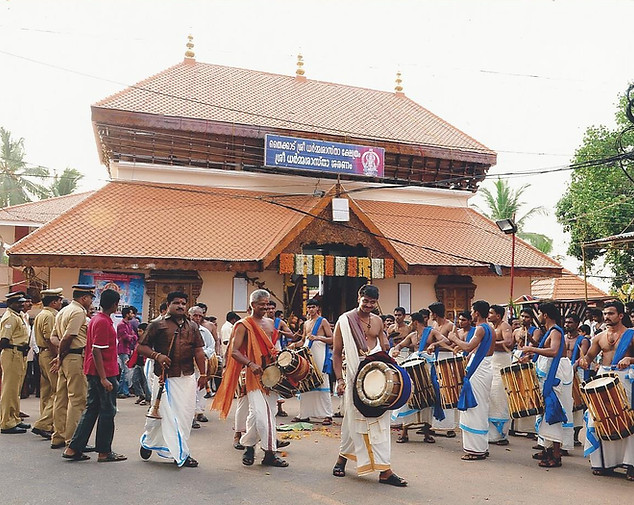
Sree Dharma Sastha Temple in Thycaud, Thiruvananthapuram, is a centuries-old shrine where the deity manifests as Dhanwanthari, the divine healer, holding the sacred blue lotus.
Govindarajaswamy Temple
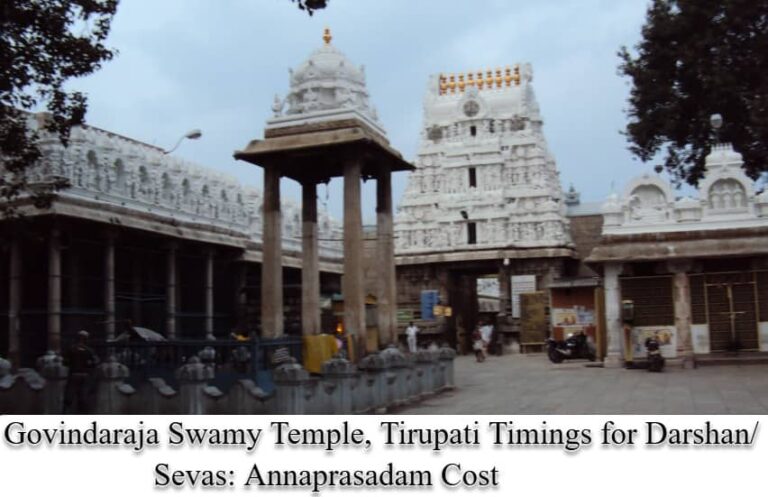
Sri Govindarajaswamy Temple in Tirupati is an ancient Vaishnavaite shrine consecrated in 1130 AD by Saint Ramanuja, where the presiding deity rests in eternal Yoga Nidra on the serpent Adisesha.