Begunbari Kali Temple
About Begunbari Kali Temple
The temple was established in the late 18th century, placing it among the region's older Hindu shrines. Its location near Khirai railway station in the Panskura block has made it accessible to pilgrims and visitors over generations. The temple holds significance within the Bagdi community and the broader religious landscape of Purba Medinipur, reflecting the deep roots of Kali worship in Bengal's spiritual traditions.
Visiting the Temple
The temple is located at coordinates 22.3628642, 87.696268 in Begunbari, Purba Medinipur, West Bengal. Visitors approaching by rail can use Khirai railway station as a reference point. The riverside setting provides a natural approach to the shrine.
Specific information about darshan timings, entry fees, and current facilities is not available in verified sources. Visitors are advised to contact the temple directly or arrive during daylight hours to ensure access. As with most Hindu temples, modest dress is customary—covering shoulders and knees shows respect to the sacred space. Shoes are typically removed before entering the inner sanctum. Photography policies should be confirmed on arrival, as these vary by temple.
Festivals and Observances
The temple observes major festivals in the Hindu calendar, particularly those associated with Goddess Kali and Devi worship. Durga Ashtami and Dussehra (Vijayadashami) are significant occasions, as these festivals celebrate the victory of the divine feminine over darkness and evil. Diwali, Chhath Puja, Makar Sankranti, and Vasant Panchami are also observed. These festivals typically draw increased numbers of devotees and may feature special pujas and rituals. The exact dates of observances follow the lunar calendar and shift annually; devotees should check the temple's schedule or consult a Hindu panchang (calendar) before planning a visit around festival times.
The Kangsabati River Setting
The temple's location on the Kangsabati River's western bank is significant in Hindu practice. Rivers hold sacred status in Hindu tradition, and temples situated on riverbanks often serve as pilgrimage destinations where devotees perform ritual bathing and offerings. The river setting creates a natural spiritual atmosphere and has likely contributed to the temple's enduring importance as a place of worship and community gathering.
Practical Information for Visitors
Contact details and verified opening hours are not currently documented. Visitors should plan to arrive during standard daylight hours and may wish to inquire locally about the best times for darshan. The temple does not appear to have extensive modern facilities listed, so visitors should come prepared with water and any personal necessities. The location near Khirai railway station makes it accessible by train; local transport from the station can be arranged through auto-rickshaws or other regional transport options.
Those planning a visit during major festivals should arrive early, as these occasions draw larger crowds. Devotees typically bring offerings of flowers, incense, or sweets, though it is best to confirm what is accepted at the temple. A respectful demeanor and willingness to follow the temple's customs will enhance both your experience and that of other worshippers.
How to reach
Temples near Begunbari Kali Temple

Bhavatarini Shmashanpith Kali Temple
Bhavatarini Shmashanpith Kali Temple, established in 1855, is a revered shrine dedicated to Bhavatarini Kali on the eastern bank of the Kangsabati River in West Bengal. The temp…
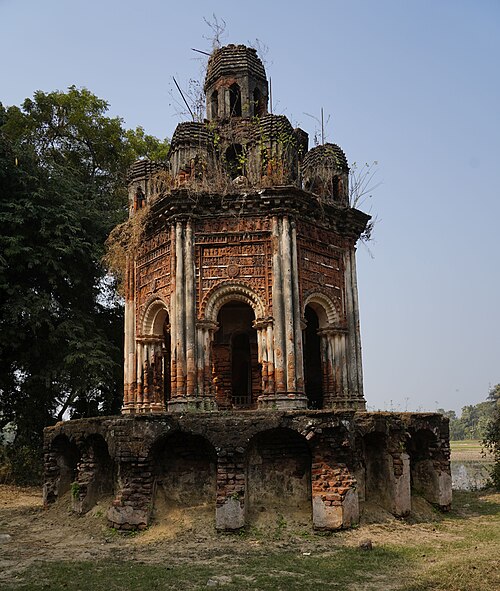
Rasmancha of Radhamadhab temple of Mailty family
An octagonal rasmancha (dance pavilion) dedicated to Radha Madhab, this structure belongs to the Mailty family and stands in Manglai Shyamballavpur within Panskura block.
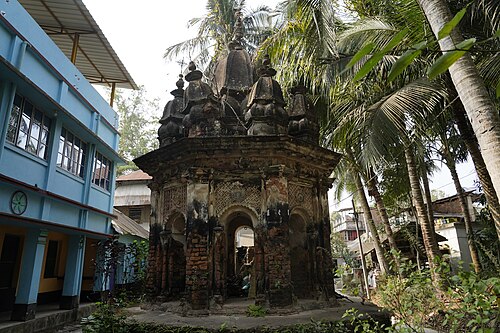
Rasmancha of Shridharjiu temple of Hazra family
The Rasmancha of Shridharjiu temple is a traditional performance stage maintained by the Hazra family in Daspur I block, Ghatal subdivision, West Bengal, believed to have been u…
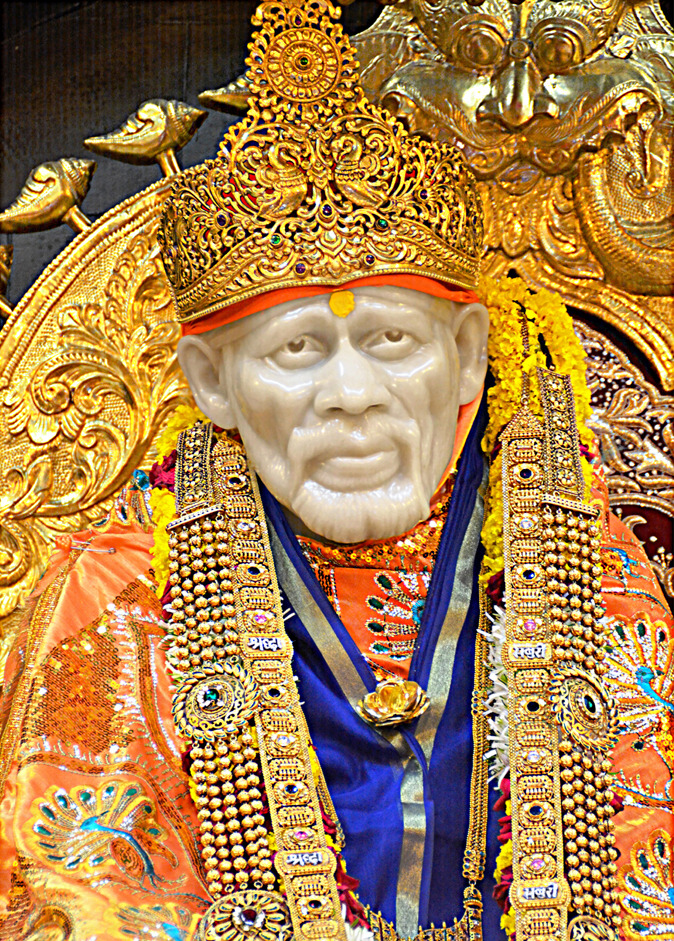
Rasmancha of Shridharjiu temple
The Samadhi Mandir of Shri Sai Baba in Shirdi is a white-marble shrine built in 1922 over the resting place of the revered saint who lived in the village for sixty years. The te…
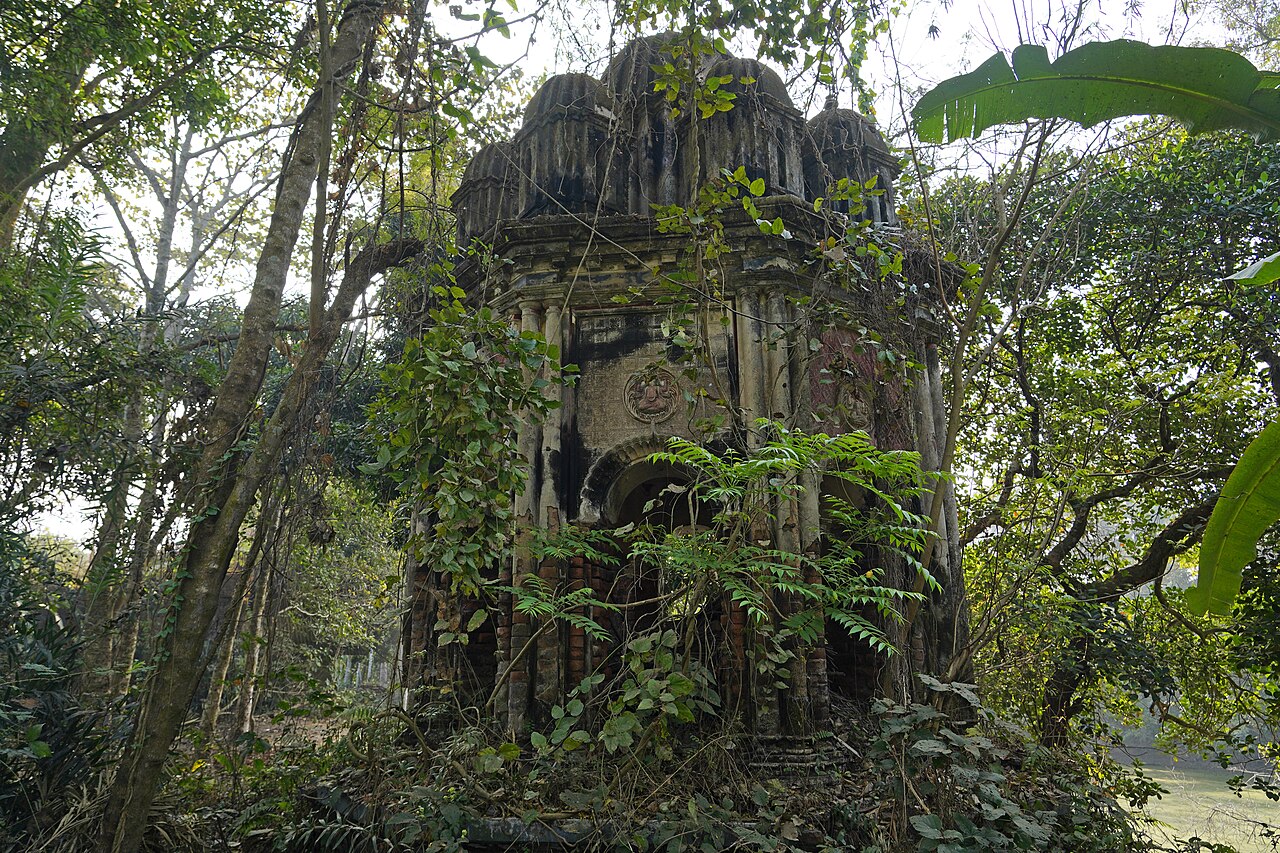
Rasmancha of Gopinath temple of Goswami family
The Rasmancha of Gopinath temple of Goswami family is a wooden and brick performance structure built in 1896 in Daspur I, West Bengal, traditionally used for Krishna Lila theatr…
Rasmancha of Sitaram temple of Bera family
A historic rasmancha (performance stage) dedicated to Lord Rama, built by the Bera family in 19th-century Bengal. This traditional structure serves as a venue for Krishna devoti…