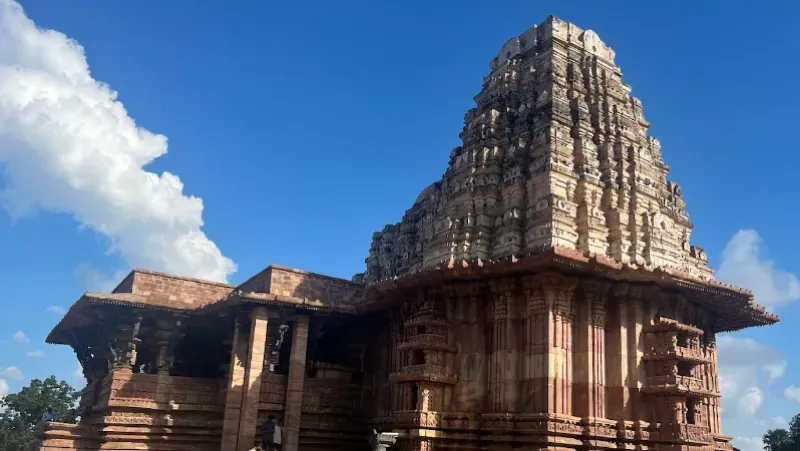
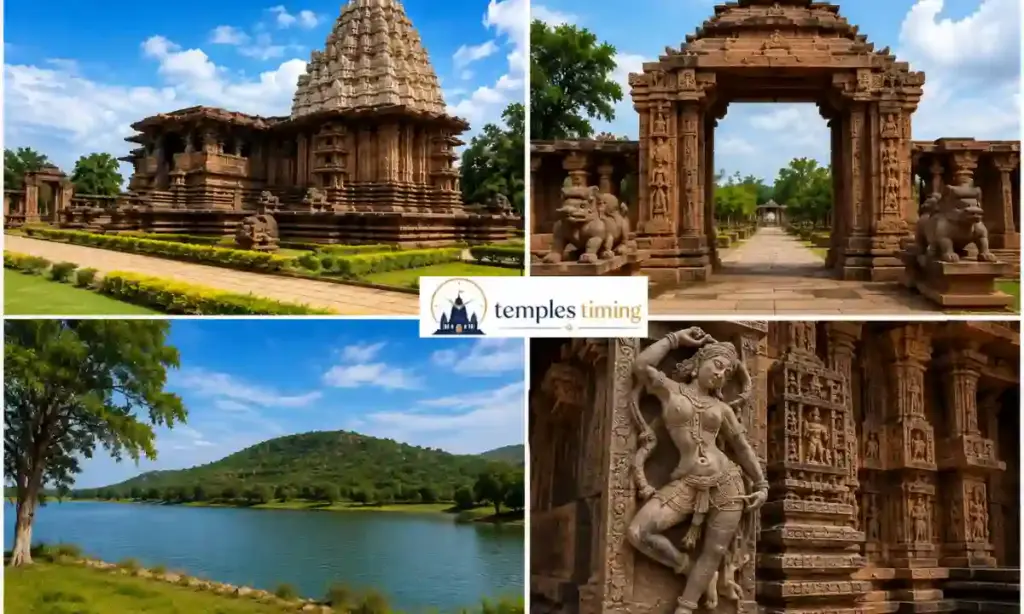
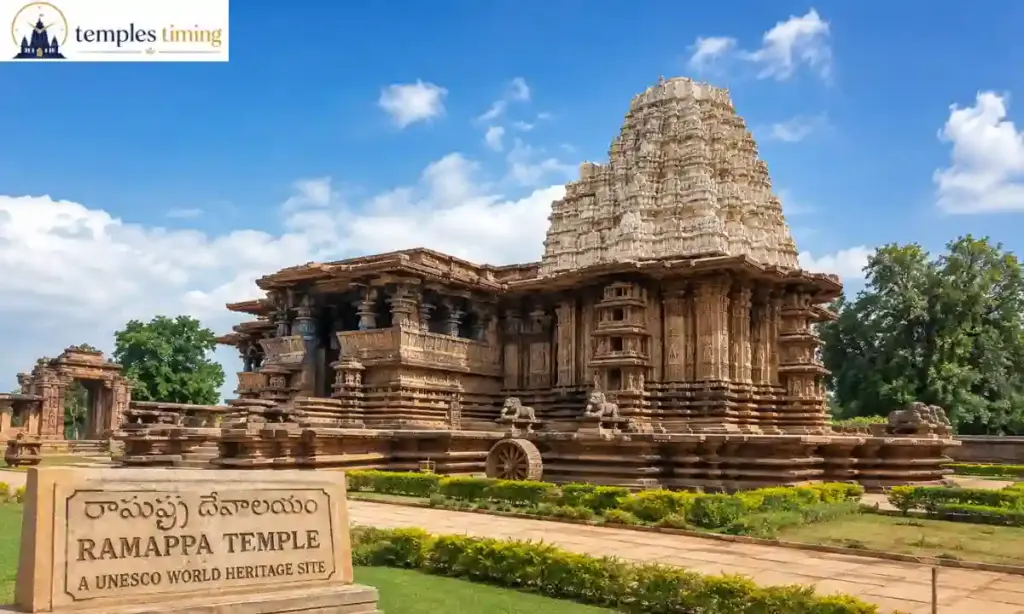
Ramappa Temple
About Ramappa Temple
The temple exemplifies Kakatiya architectural style, distinguished by its technical innovations and sculptural refinement. The structure is noted for its use of floating bricks—stones that possess unusual buoyancy properties—and its earthquake-resistant construction methods. These engineering features suggest sophisticated understanding of materials and structural principles during the medieval period. The artistic stone sculptures adorning the temple demonstrate the skill of craftsmen working under Kakatiya patronage.
The architectural achievement of Ramappa Temple impressed even distant observers. Historical accounts suggest that Marco Polo, during his travels through the Kakatiya empire, reportedly described the temple as "the brightest star in the galaxy of temples," though the precise context and reliability of this attribution remain matters of historical discussion.
Daily Worship and Darshan
The temple opens daily at 6:00 AM and closes at 6:00 PM. Despite its status as a protected heritage monument, active worship continues within the shrine. The morning ritual begins with the Morning Puja at 6:30 AM, followed by the Abhishekam (ritual bathing of the deity) at 7:00 AM. General darshan—viewing of the deity—is available throughout the day, with the Evening Aarti performed around 5:30 PM.
Visitors planning their visit should note that the best times for darshan are 6:30 AM to 9:00 AM in the morning and 4:30 PM to 6:00 PM in the evening. These periods typically offer a more focused devotional atmosphere. During major festivals such as Maha Shivaratri, the temple organizes additional rituals and special prayers, though specific dates for these observances should be confirmed locally before travel.
Visiting Information and Practicalities
The temple is located 15 kilometers from Mulugu town, 66 kilometers from Warangal, and 209 kilometers from Hyderabad. The coordinates are 18.259444, 79.9425. The site is accessible by road, and visitors should plan their journey accordingly based on their starting point. The temple remains open throughout the week with no designated closure days.
Visitors to Shiva temples in India typically observe modest dress conventions, covering shoulders and knees as a mark of respect. Footwear is generally removed before entering the inner sanctum. Photography policies may vary; it is advisable to inquire at the entrance regarding any restrictions. The forested setting near Ramappa Lake creates a natural environment, so visitors should be prepared for outdoor conditions and bring water, particularly during warmer months.
The Kakatiya Legacy
The Ramappa Temple complex stands as one of the finest surviving examples of Kakatiya-era religious architecture. The Kakatiya dynasty, which ruled the Deccan region during the 12th and 13th centuries, patronized temple construction as both an expression of devotion and a demonstration of political power. The involvement of high-ranking officials like Recherla Rudra Reddy in commissioning temples reflects the integration of religious and administrative authority during this period.
The extended construction timeline—spanning more than two decades—suggests a project of considerable ambition and resources. The presence of three temples within the complex indicates that the site served multiple devotional functions and possibly accommodated different communities of worshippers.
Reaching the Temple
From Hyderabad, the journey to Ramappa Temple covers approximately 209 kilometers. The route passes through Warangal, which lies 66 kilometers from the temple. From Mulugu town, the final 15-kilometer stretch leads to Palampet village. Road access is the primary means of reaching the site. Visitors should check local travel conditions and plan their journey with adequate time, particularly if traveling from Hyderabad or other distant cities. The temple's location in a rural, forested area means that services and facilities may be limited in the immediate vicinity, so visitors should make necessary arrangements in advance.
How to reach
Temples near Ramappa Temple
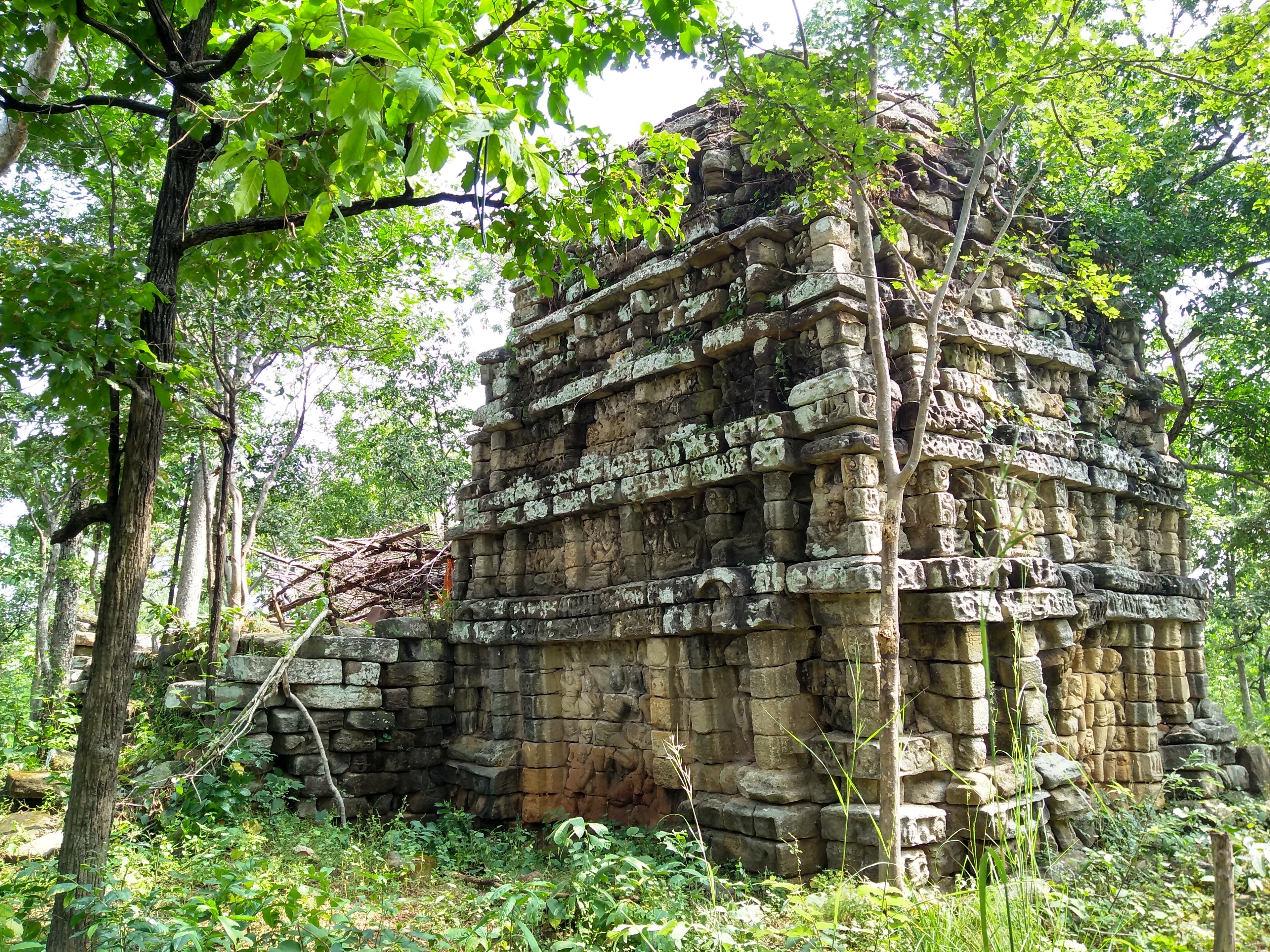
Devunigutta Temple
The Devunigutta Temple, a 6th-century Shiva shrine built by the Vakatakas, sits on a remote forested plateau near Kothur village in Telangana's Mulugu District, approximately 60…
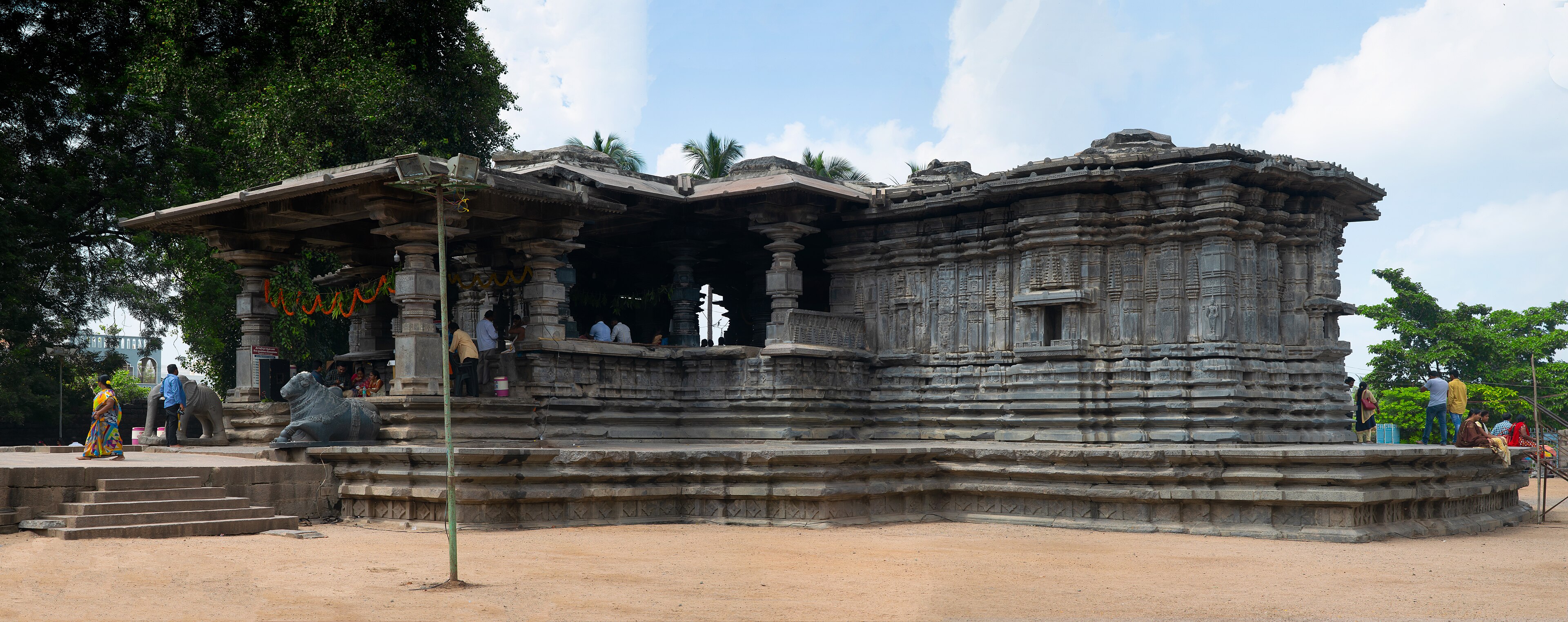
Thousand Pillar Temple
The Thousand Pillar Temple, also known as Rudreswara Swamy Temple, is a 12th-century Kakatiya-era shrine in Hanamkonda, Telangana, dedicated to Shiva, Vishnu, and Surya, renowne…

Bhadrakali Temple
Bhadrakali Temple, established in 1817, sits atop a verdant hill east of Pokhara, Nepal, dedicated to Goddess Kali in her fierce form as Bhadrakali or Durga.
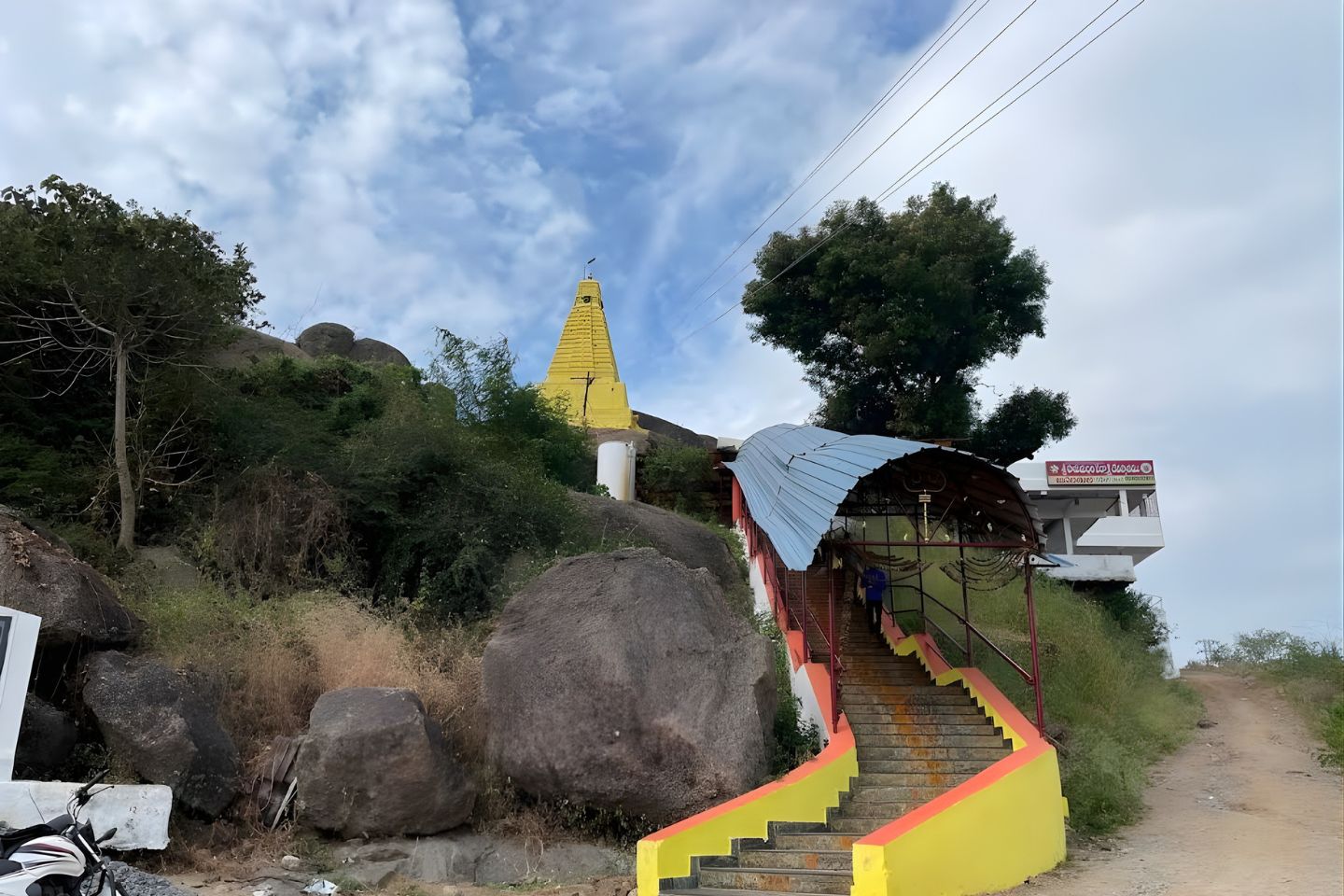
Padmakshi Temple
Padmakshi Temple in Hanamkonda, Telangana is one of the oldest temples in the region, dedicated to the goddess Padmakshi (a form of Lakshmi) and notable for its Jain-influenced…
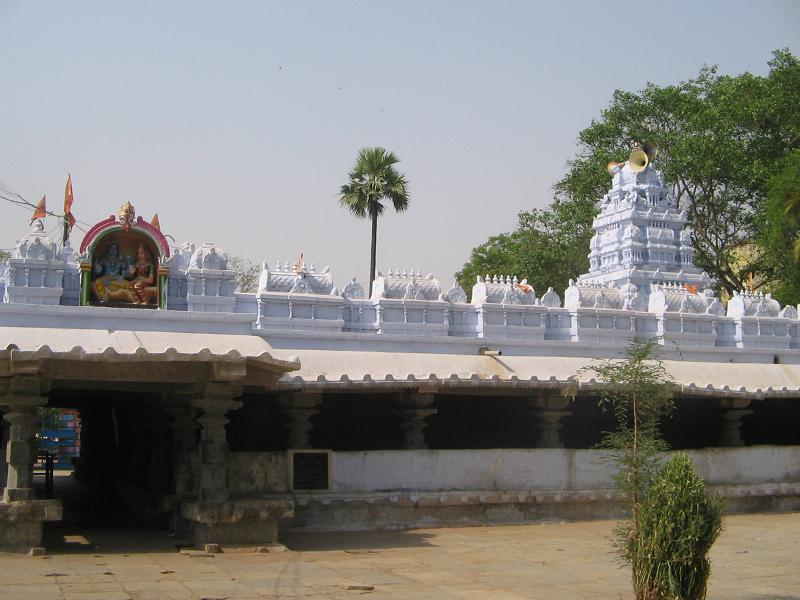
Mallikarjuna Temple, Inavolu
Sri Mallikarjuna Swamy Temple in Inavolu, Warangal, is an 11th-century Shiva temple commissioned by Kakatiya minister Sri Ayanna, renowned for its 108-pillar chariot structure a…

Kaleshwara Mukteswara Swamy Temple
Sri Kaleshwara Mukteswara Swamy Temple at the Godavari-Pranahita confluence features two Shiva lingams uniquely positioned on a single pedestal, earning it the epithet 'Dakshina…