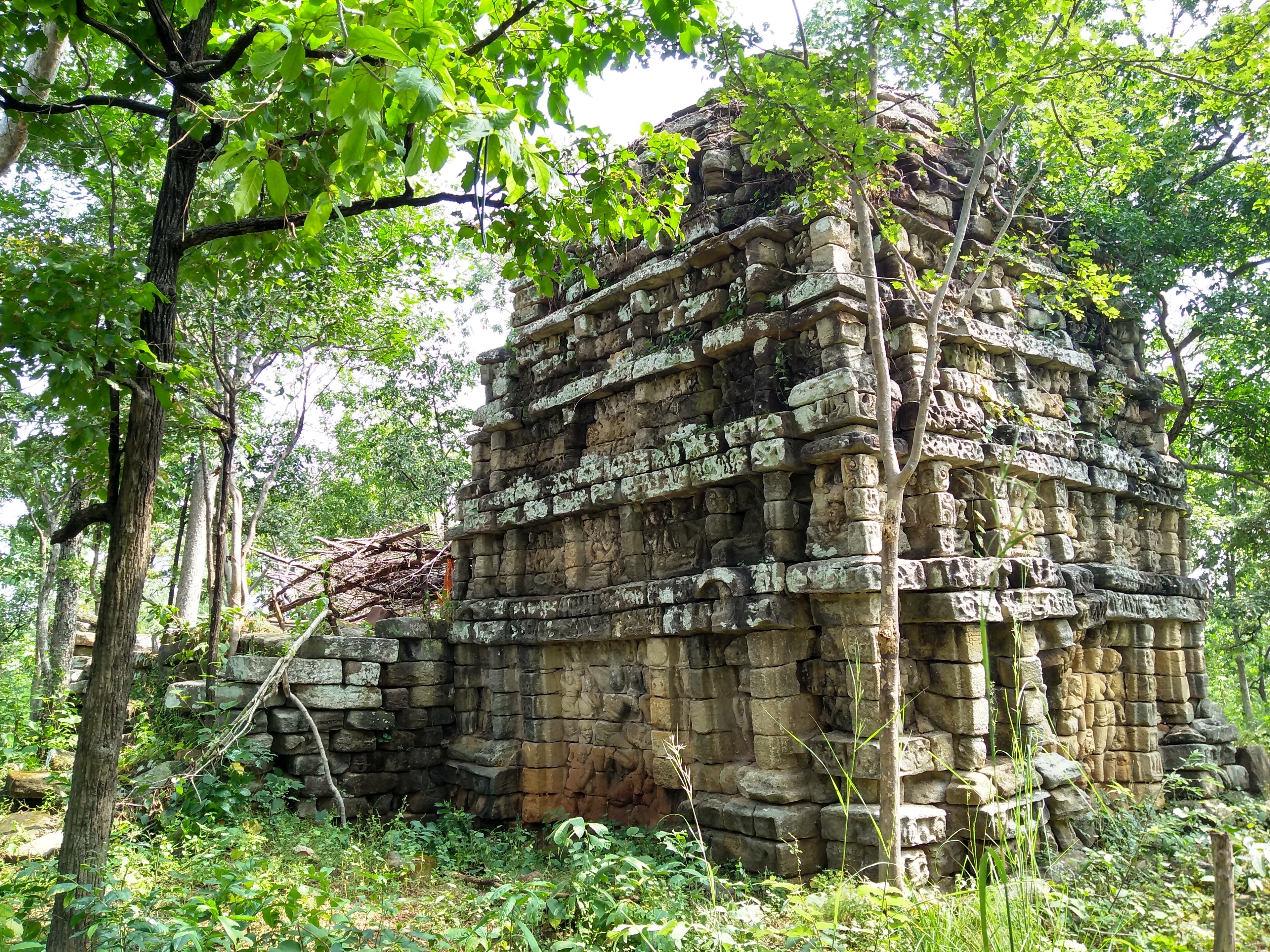
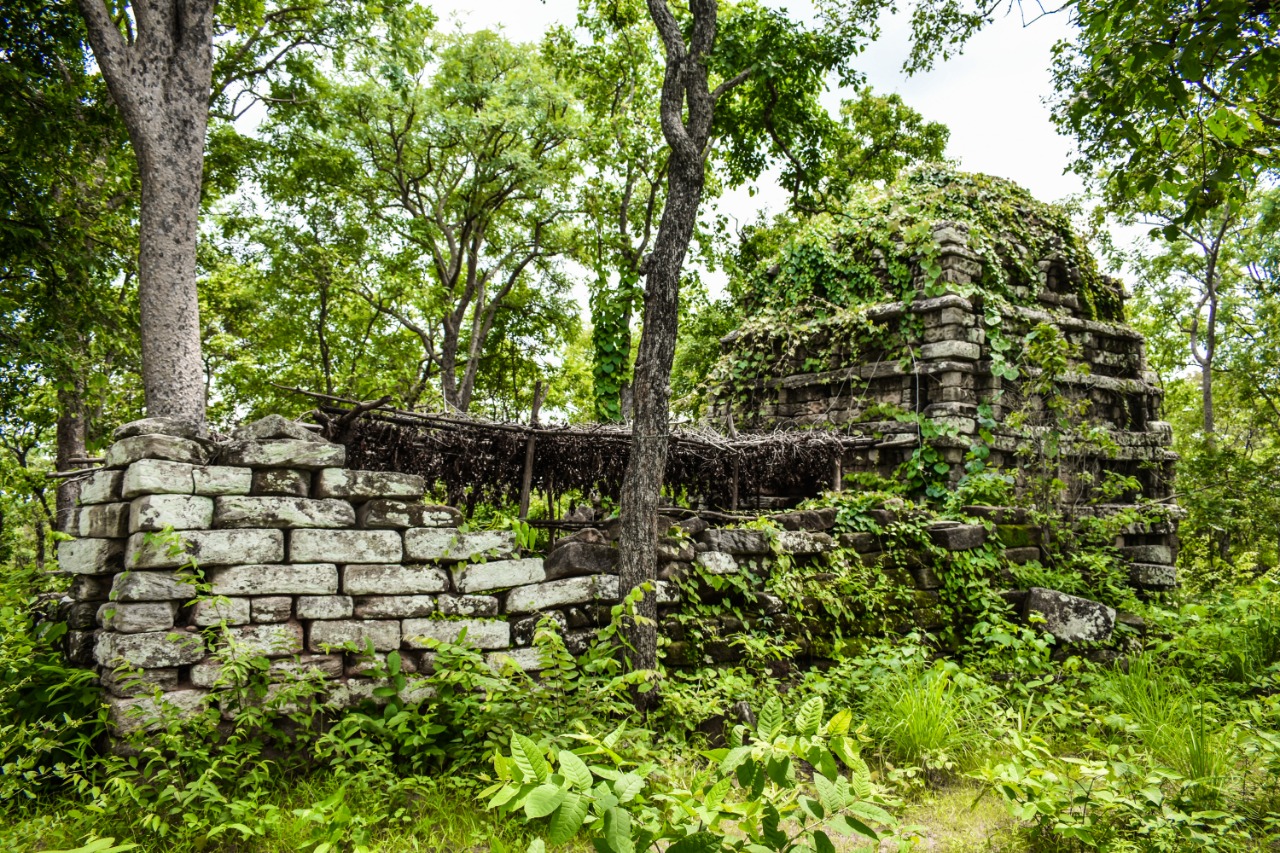
Devunigutta Temple
About Devunigutta Temple
The temple's construction in the 6th century CE places it within the Vakataka dynasty's sphere of influence, a period significant for temple-building across the Deccan. The Vakatakas were known patrons of Hindu religious architecture, and Devunigutta represents one expression of their architectural and devotional legacy in what is now Telangana.
The temple's long obscurity and subsequent rediscovery reflect the challenges faced by many heritage structures in remote regions. Its documentation by the Archaeological Survey of India in 2012 marked an important step in formal recognition, though the shrine had likely remained in use by local communities throughout its history.
Visiting the Temple: Practical Information
The temple is most comfortably visited during the winter months (October through January) and during major festival seasons, when weather conditions are favourable for travel to this remote location. The monsoon season should be avoided, as forest roads become difficult to navigate during heavy rains.
Visitors should confirm specific timings for darshan and daily rituals before travelling, as schedules may vary and the remote setting means fewer regular services than urban temples. Public transport options to Kothur village are limited, so planning your route in advance is essential. The temple's coordinates (18.1152°N, 80.0370°E) can be entered into mapping applications to plan routes from Warangal or other nearby towns. Allow extra time for travel and be prepared for the isolated setting.
As with Hindu temples generally, modest dress is appropriate—covering shoulders and knees is customary. Visitors should carry water and supplies, as facilities near the temple are minimal.
Festivals and Observances
The temple observes major festivals in the Hindu calendar. Sharad Navaratri, celebrated in October, is a nine-night festival honouring the Goddess and draws devotees to the shrine. Makar Sankranti, observed in January, marks the sun's entry into Capricorn and is celebrated as a harvest festival. Raksha Bandhan, the festival celebrating the bond between siblings, is marked in August.
During these festival periods, the temple is typically more actively maintained and decorated, offering visitors the opportunity to experience the shrine alongside a gathered community of worshippers. These seasons represent the best times to visit if you wish to encounter the temple in active celebration.
The Isolated Sanctuary
The temple's setting within a forested plateau contributes to its character as a place of retreat and contemplation. This isolation, while requiring effort to reach, also means the shrine retains a quality distinct from more frequented pilgrimage centres. Visitors should approach the journey with realistic expectations: this is not a destination with developed tourist infrastructure, but rather a heritage site requiring commitment to visit.
The limited facilities nearby mean that visitors should be self-sufficient in terms of provisions and should respect the remote environment. The temple's survival and continued use by local devotees reflects the enduring significance of this Shiva sanctuary despite its remoteness.
How to reach
Temples near Devunigutta Temple
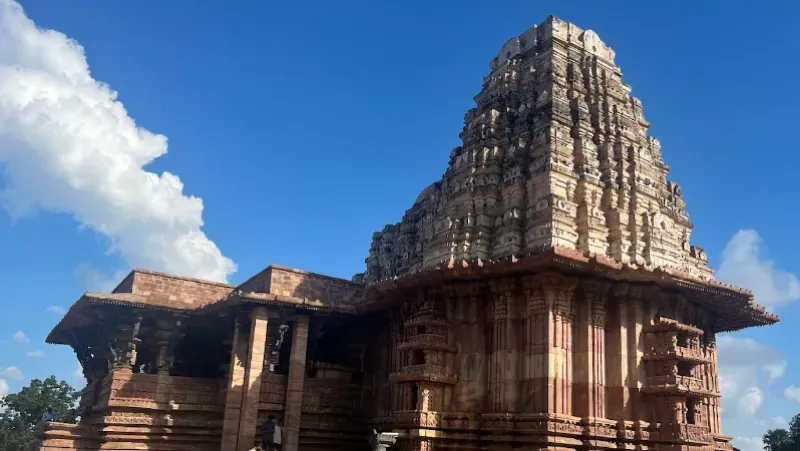
Ramappa Temple
Ramappa Temple, also known as Rudreshwara Temple, is a 13th-century Kakatiya-style shrine dedicated to Lord Shiva, located in Palampet village near Mulugu, Telangana. Recognized…

Bhadrakali Temple
Bhadrakali Temple, established in 1817, sits atop a verdant hill east of Pokhara, Nepal, dedicated to Goddess Kali in her fierce form as Bhadrakali or Durga.
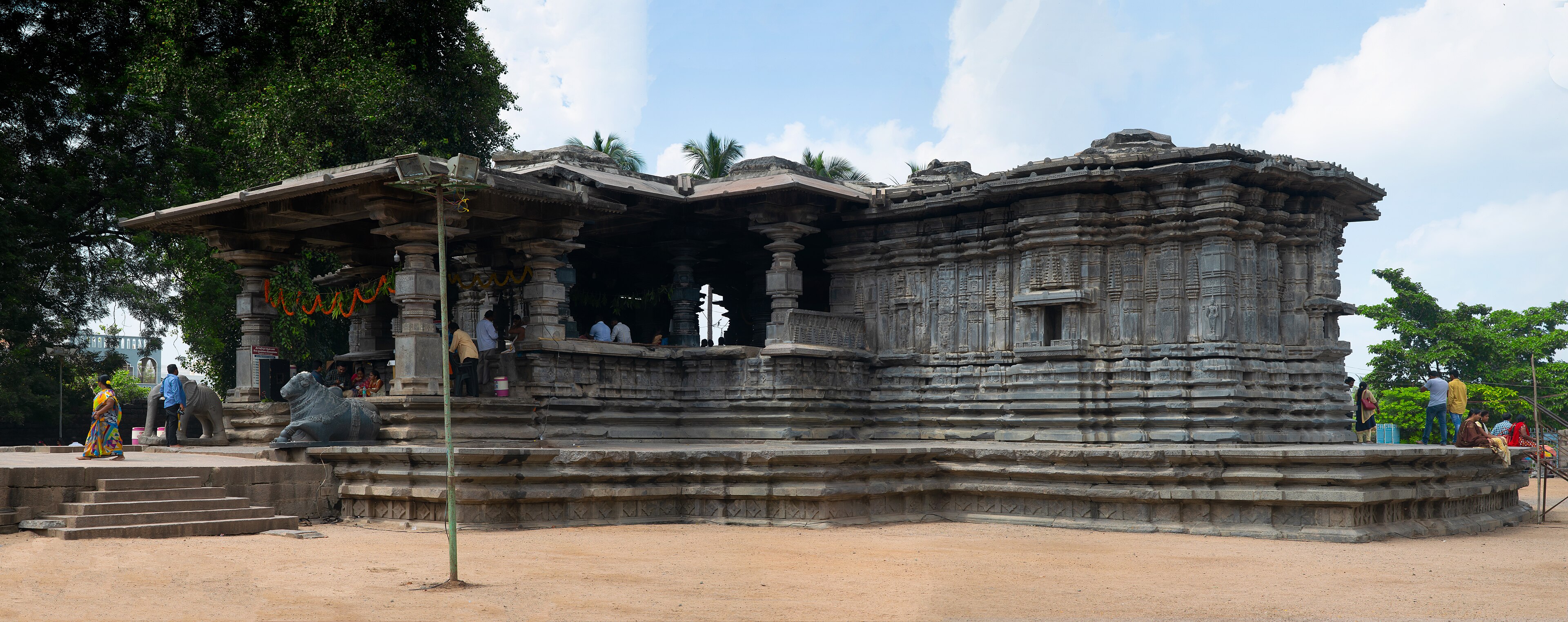
Thousand Pillar Temple
The Thousand Pillar Temple, also known as Rudreswara Swamy Temple, is a 12th-century Kakatiya-era shrine in Hanamkonda, Telangana, dedicated to Shiva, Vishnu, and Surya, renowne…
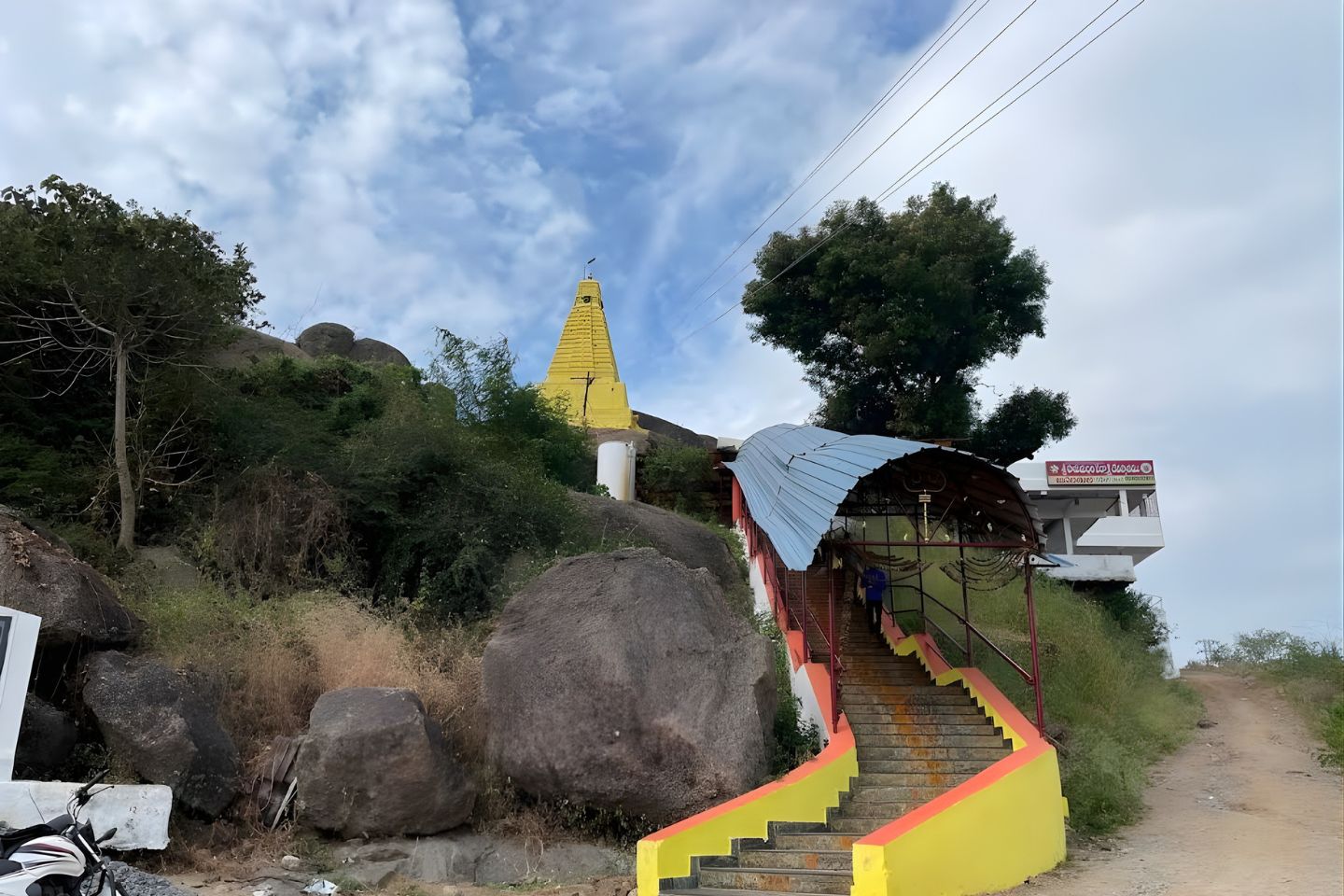
Padmakshi Temple
Padmakshi Temple in Hanamkonda, Telangana is one of the oldest temples in the region, dedicated to the goddess Padmakshi (a form of Lakshmi) and notable for its Jain-influenced…
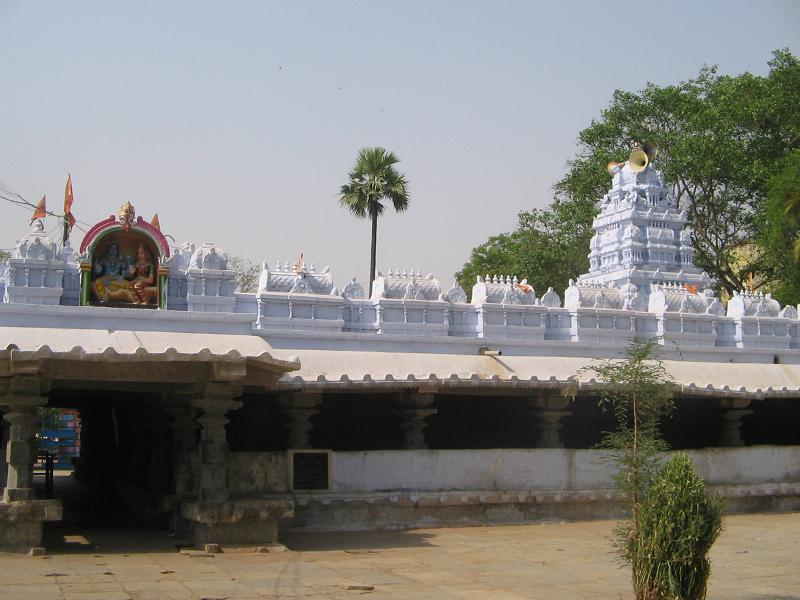
Mallikarjuna Temple, Inavolu
Sri Mallikarjuna Swamy Temple in Inavolu, Warangal, is an 11th-century Shiva temple commissioned by Kakatiya minister Sri Ayanna, renowned for its 108-pillar chariot structure a…

Kaleshwara Mukteswara Swamy Temple
Sri Kaleshwara Mukteswara Swamy Temple at the Godavari-Pranahita confluence features two Shiva lingams uniquely positioned on a single pedestal, earning it the epithet 'Dakshina…