


Bhadrakali Temple
About Bhadrakali Temple
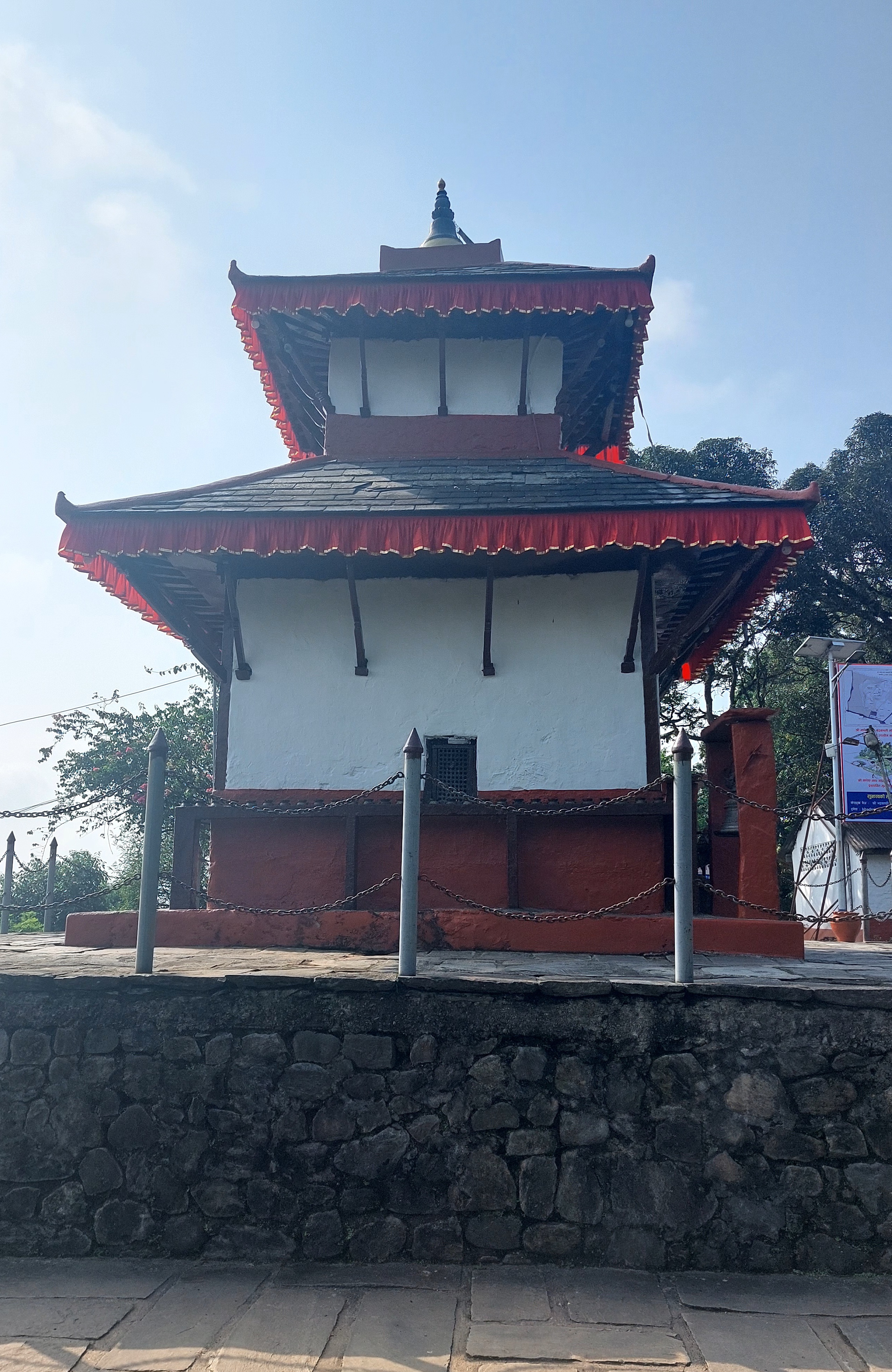
The temple's founding in 1817 marks its place within Nepal's religious landscape during the early nineteenth century. Little else is documented about its early years or the circumstances of its establishment. What remains clear is that the site has endured for over two centuries as a place of worship for devotees seeking the blessings of the goddess. The temple's longevity and continued significance to local communities reflect the steady faith of those who have visited across generations.
Reaching the Temple
Two routes lead to the temple atop the hill. The eastern approach requires climbing 292 steps, while the southern route is shorter at 265 steps. Visitors should choose based on their physical capacity and starting point. The hilltop location means the final ascent involves some exertion, though neither path is exceptionally demanding. The surrounding greenery makes the climb itself a pleasant experience rather than a purely utilitarian one.
Visiting the Temple
Temples dedicated to Goddess Kali typically welcome visitors throughout daylight hours, though specific opening times for this temple are not documented in available sources. Visitors should dress modestly, covering shoulders and knees, as is customary at Hindu temples. Footwear is generally removed before entering the inner sanctum. Those unfamiliar with temple etiquette should observe other worshippers and follow their lead. The peaceful environment noted in descriptions suggests a contemplative atmosphere suitable for prayer and reflection.
Devotees often bring offerings of flowers, incense, or coconut, though it is wise to check locally what is currently accepted. Photography policies vary by temple; visitors should ask permission before photographing the deity or inner shrine. The temple's location on a hilltop means visitors should bring water, particularly during warmer months, and wear comfortable walking shoes for the climb.
The Sacred Site
The temple's hilltop setting provides both spiritual and practical advantages. The elevation and surrounding vegetation create a sense of separation from the bustle of Pokhara below, fostering the meditative atmosphere that draws pilgrims. The views from the temple grounds likely extend across the valley, though specific vistas are not detailed in available sources. This natural setting has been preserved as part of the temple's character, distinguishing it from urban shrines.
Planning Your Visit
The best time to visit depends on personal preference and weather. Nepal's climate brings monsoon rains from June through September, which may affect the climb and the temple grounds. The cooler months from October through February typically offer more comfortable conditions for the ascent. Early morning visits generally mean fewer crowds and a quieter experience of the sacred space.
Visitors should allow time not only for darshan—viewing the deity—but also for the climb itself and a period of quiet reflection. The combination of physical exertion and spiritual practice makes this a full experience rather than a quick stop. Those with mobility concerns should consider the step count carefully and perhaps visit on a day when they are well-rested.
How to reach

Temples near Bhadrakali Temple
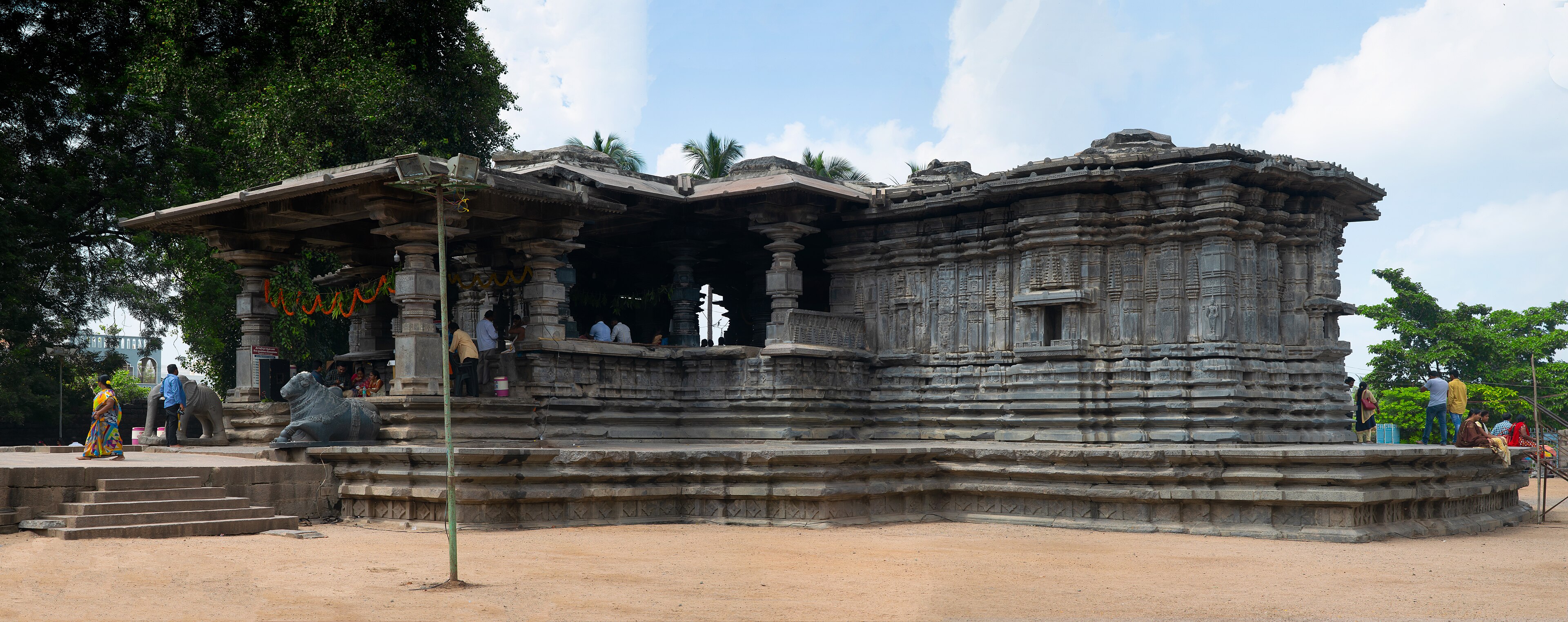
Thousand Pillar Temple
The Thousand Pillar Temple, also known as Rudreswara Swamy Temple, is a 12th-century Kakatiya-era shrine in Hanamkonda, Telangana, dedicated to Shiva, Vishnu, and Surya, renowne…
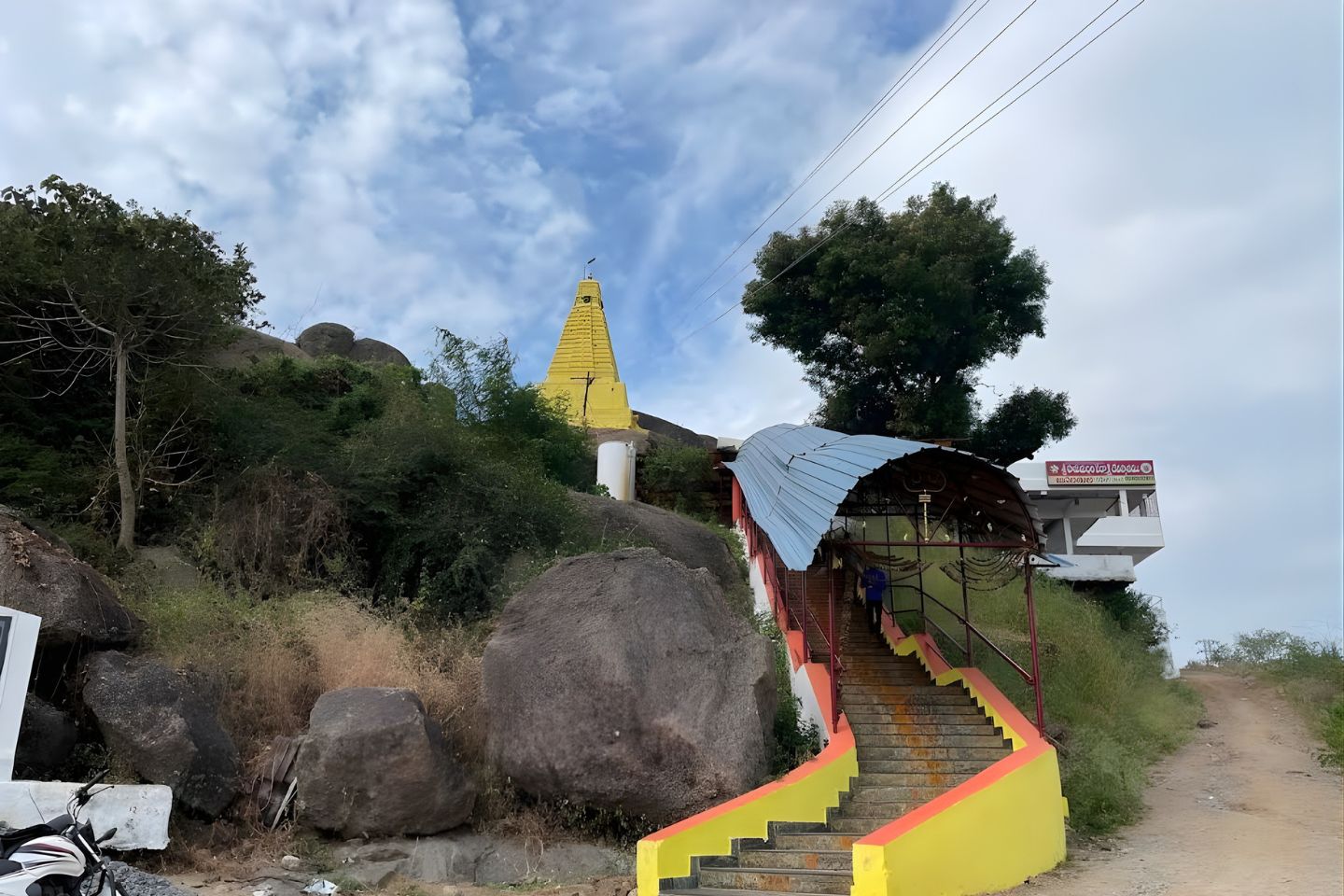
Padmakshi Temple
Padmakshi Temple in Hanamkonda, Telangana is one of the oldest temples in the region, dedicated to the goddess Padmakshi (a form of Lakshmi) and notable for its Jain-influenced…
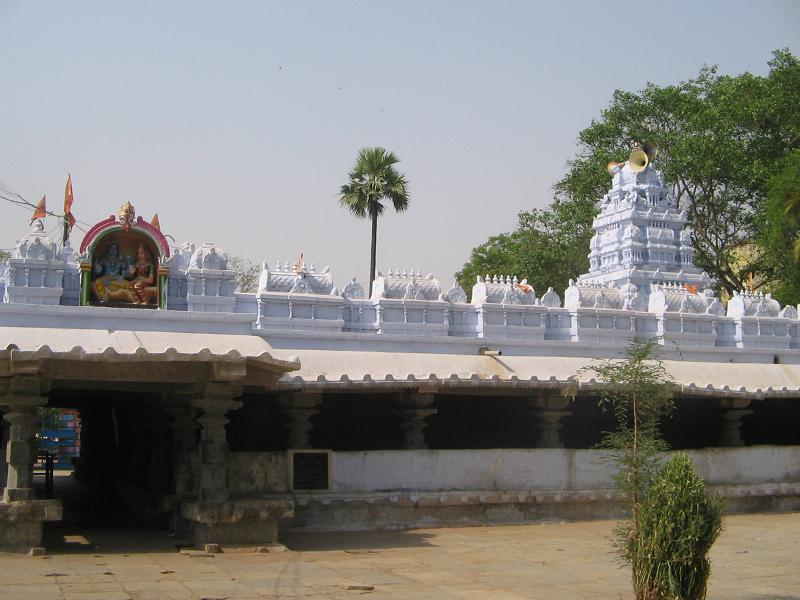
Mallikarjuna Temple, Inavolu
Sri Mallikarjuna Swamy Temple in Inavolu, Warangal, is an 11th-century Shiva temple commissioned by Kakatiya minister Sri Ayanna, renowned for its 108-pillar chariot structure a…
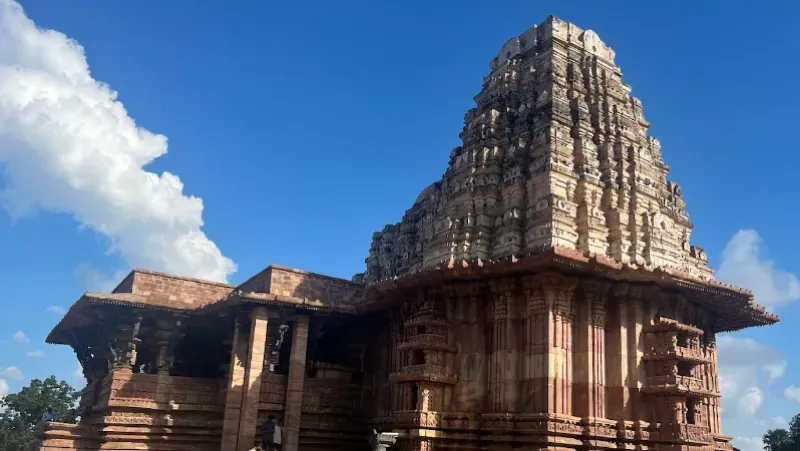
Ramappa Temple
Ramappa Temple, also known as Rudreshwara Temple, is a 13th-century Kakatiya-style shrine dedicated to Lord Shiva, located in Palampet village near Mulugu, Telangana. Recognized…
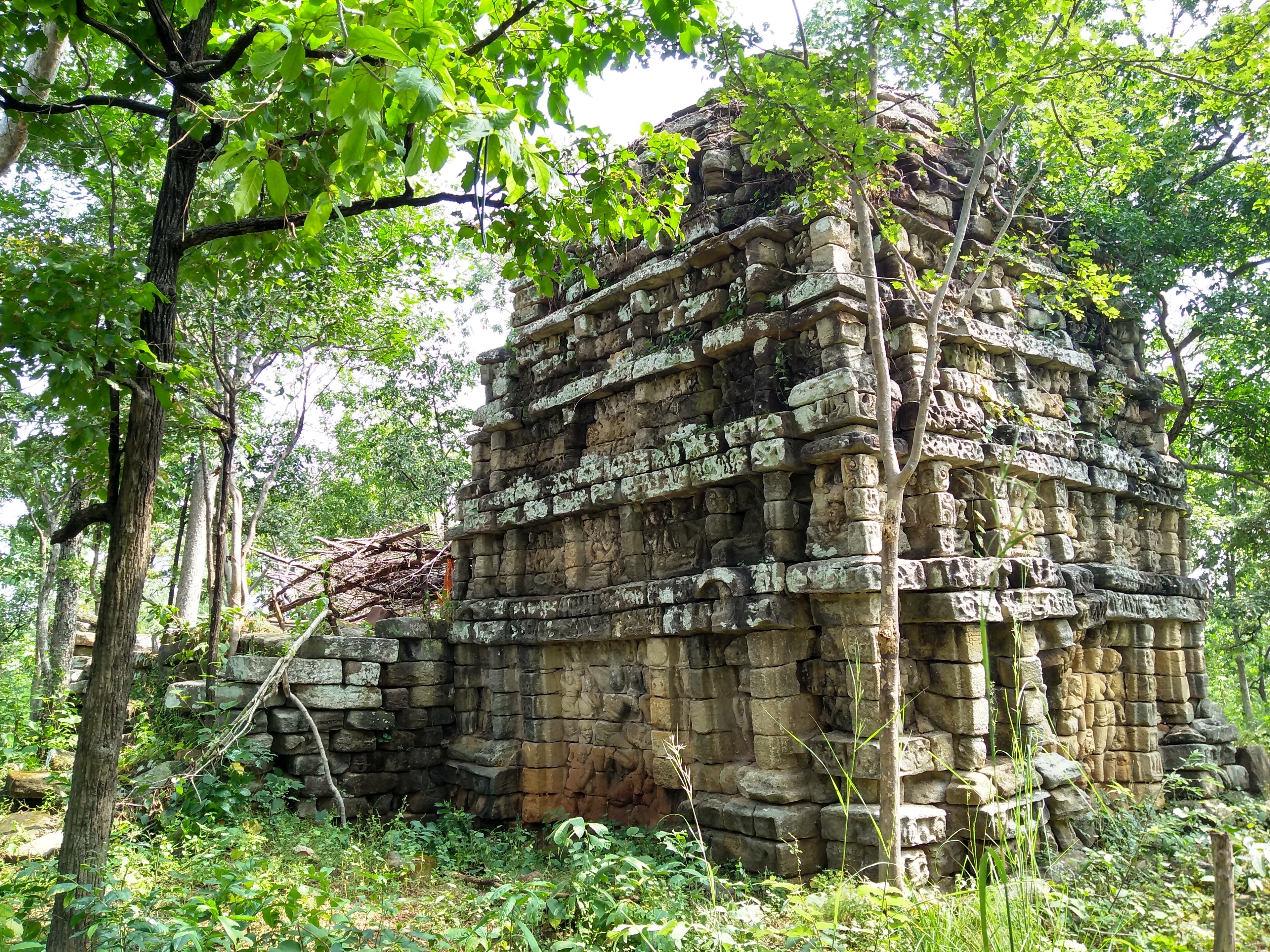
Devunigutta Temple
The Devunigutta Temple, a 6th-century Shiva shrine built by the Vakatakas, sits on a remote forested plateau near Kothur village in Telangana's Mulugu District, approximately 60…
Komrelly Mallanna Temple
Komuravelli Mallanna Temple is a hilltop shrine in Telangana dedicated to Mallanna, a folk manifestation of Shiva also known as Khandoba, drawing devotees particularly during fe…