

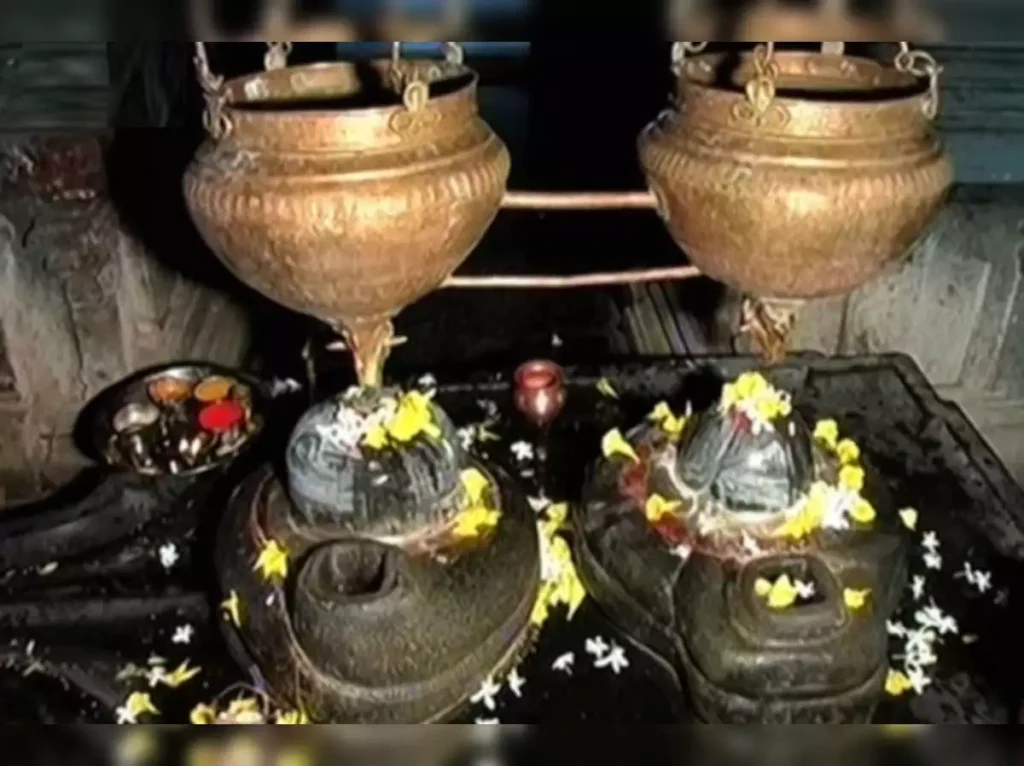
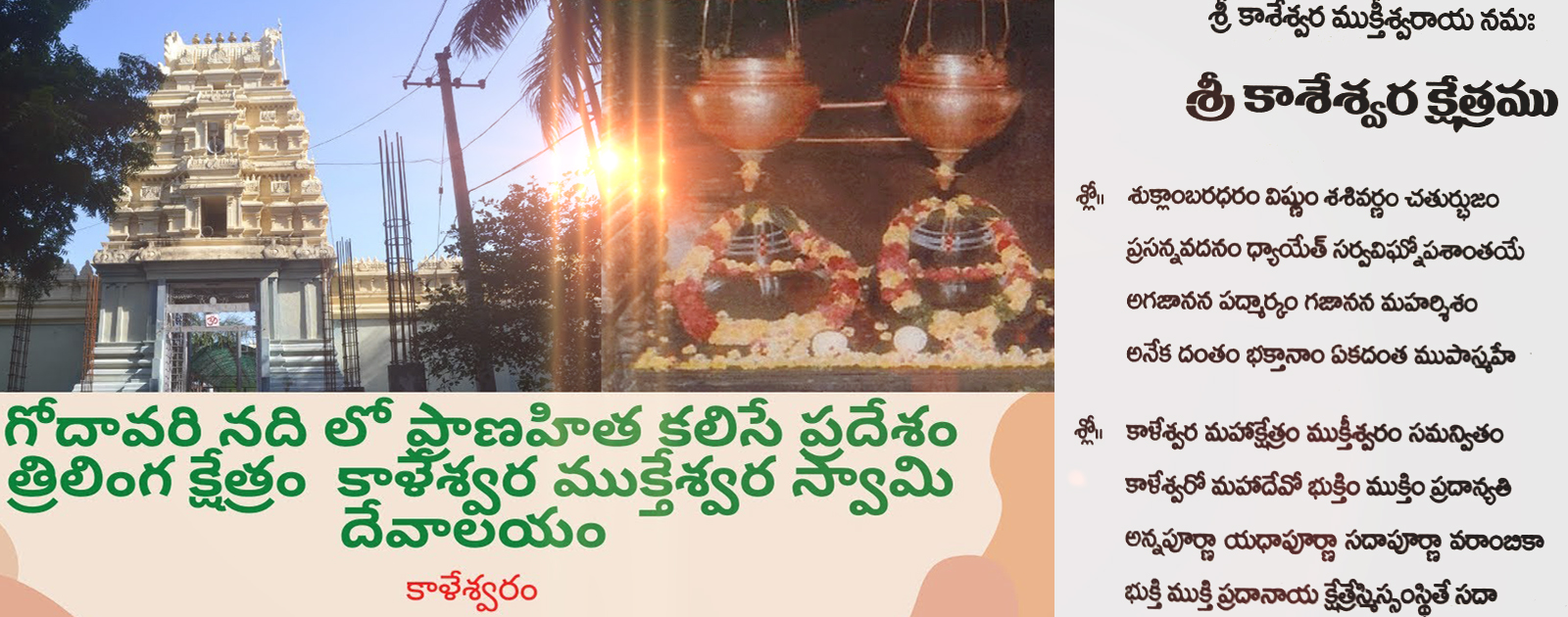
Kaleshwara Mukteswara Swamy Temple
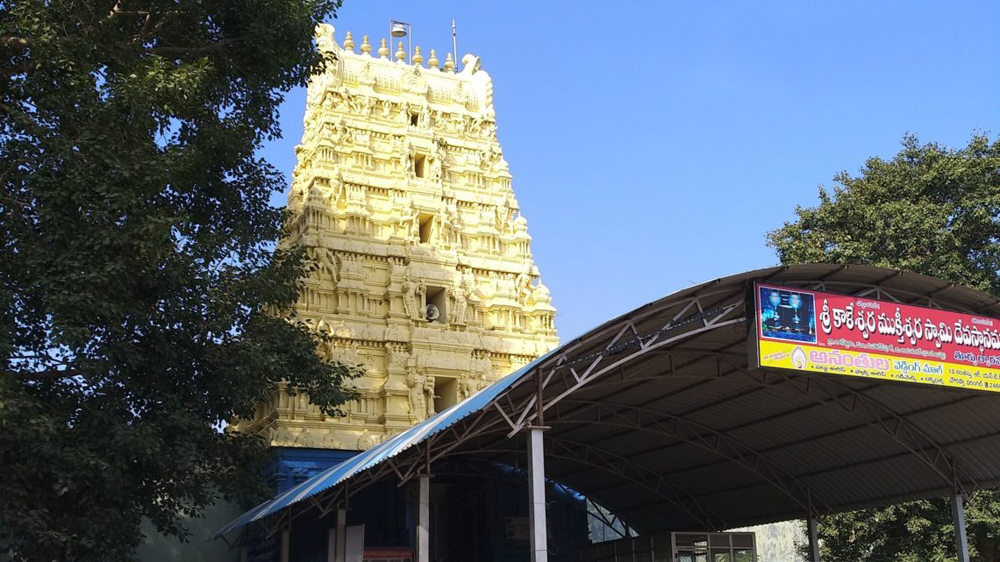
About Kaleshwara Mukteswara Swamy Temple
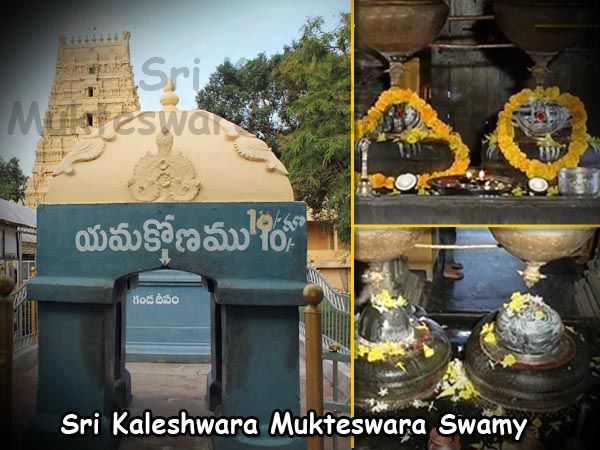
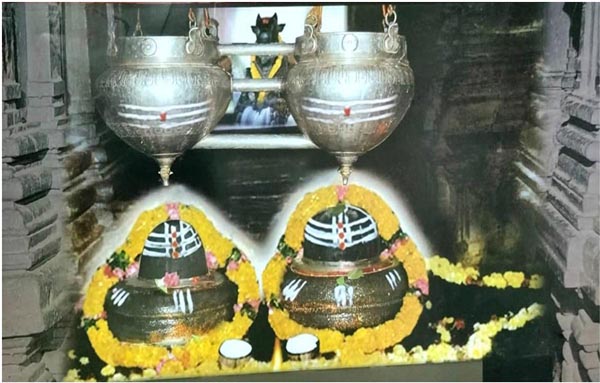
The sanctum contains four entrances facing the cardinal directions, a common feature in Hindu temple design. The two lingams rest on a single platform, with the Kaleshwara lingam worshipped first, followed by the Mukteswara lingam. A distinctive feature of the Mukteswara lingam is the presence of two apertures near its upper portion; according to local tradition, water poured during ritual ablutions enters these openings but does not emerge from the lingam itself. Instead, devotees believe this water travels underground for approximately one kilometre before joining the Godavari river.
Within the temple grounds stands a triangular structure known as the Yamakona, positioned in the courtyard. Local belief holds that those who pass through this structure while bending forward without their head touching the top will be protected from the afflictions associated with Yama, the deity of death. The temple also features a stone flagstaff with a Nandi (bull) figure that, according to local observation, appears to face south during the winter solstice period and north during the summer solstice.
Daily Worship and Darshan
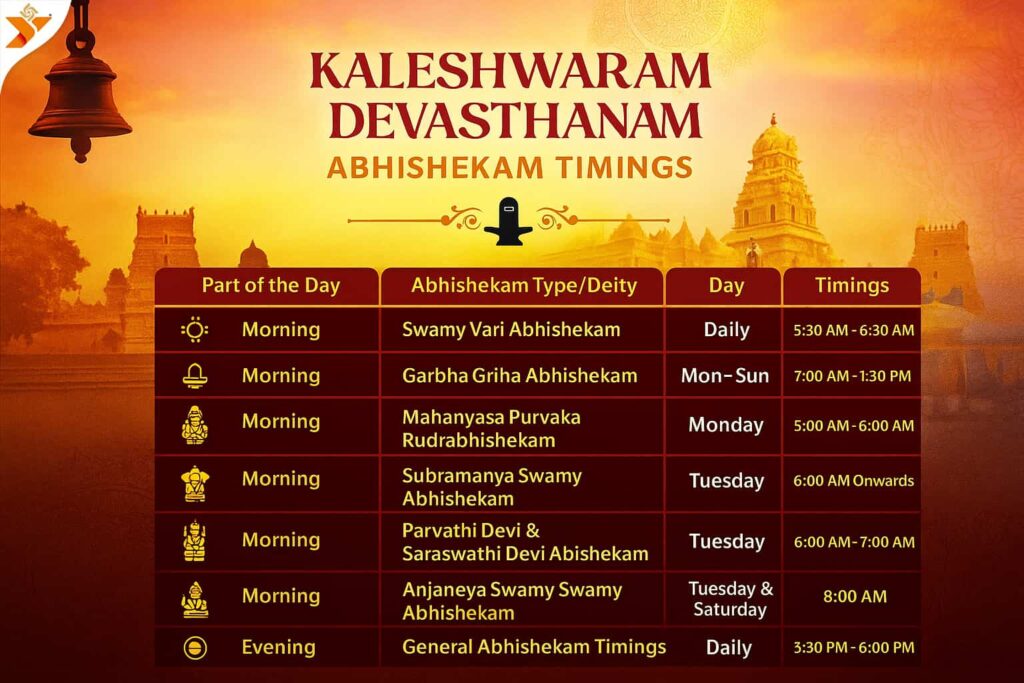
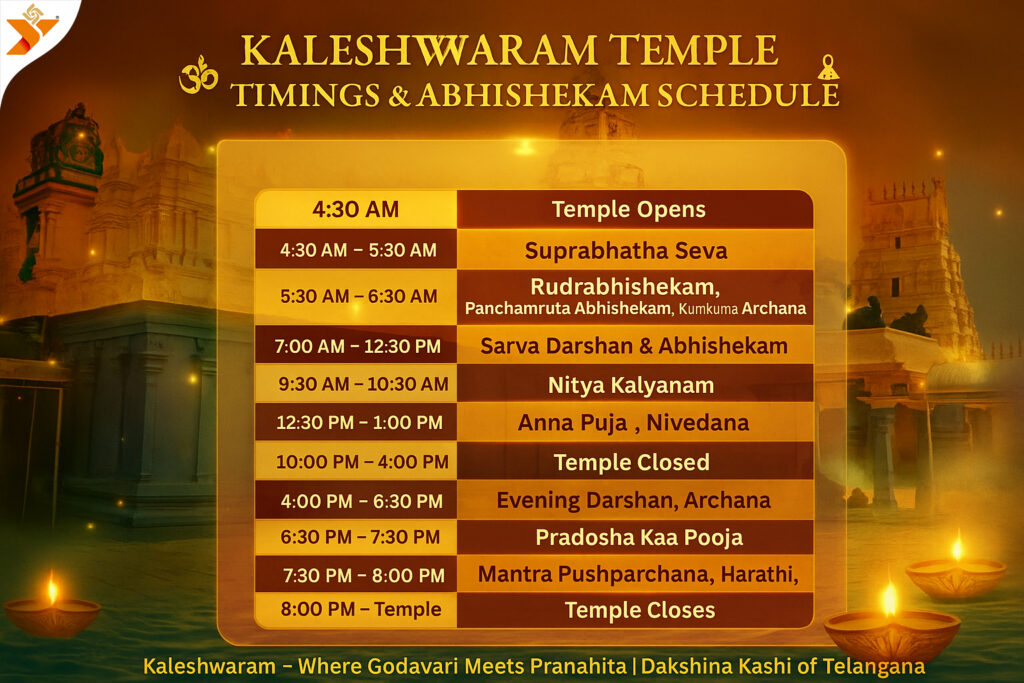
The temple maintains regular worship schedules throughout the day. Morning darshan and pujas occur from 4:30 a.m. to 1:00 p.m., while evening darshan and pujas take place from 4:00 p.m. to 8:00 p.m. Both morning and evening aartis (ritual offerings of light) are performed. The early morning hours are traditionally preferred by pilgrims seeking to participate in primary worship rituals. Visitors planning to attend specific pujas or arrange ritual services should contact the temple directly using the provided contact numbers.
Festivals and Pilgrimage Seasons
The temple observes several significant occasions in the Hindu calendar. Maha Shivaratri, the night dedicated to Shiva, draws considerable numbers of devotees. The Godavari Pushkaralu, a major bathing festival associated with the Godavari river, also brings pilgrims to the site. Navaratri, the nine-day festival honouring the divine feminine, is similarly observed. Visitors planning to experience the temple during these festivals should anticipate larger crowds and arrange accommodation in advance.
The optimal season for visiting is October through March, when weather conditions are more favourable for pilgrimage.
Practical Information for Visitors
The temple provides rooms and satrams (pilgrim hostels) for visitors, with online booking facilities available through the temple's official channels. Accommodation tariffs and availability should be confirmed directly with the temple administration. Contact numbers for the temple's puja services and room reservations are available through official sources.
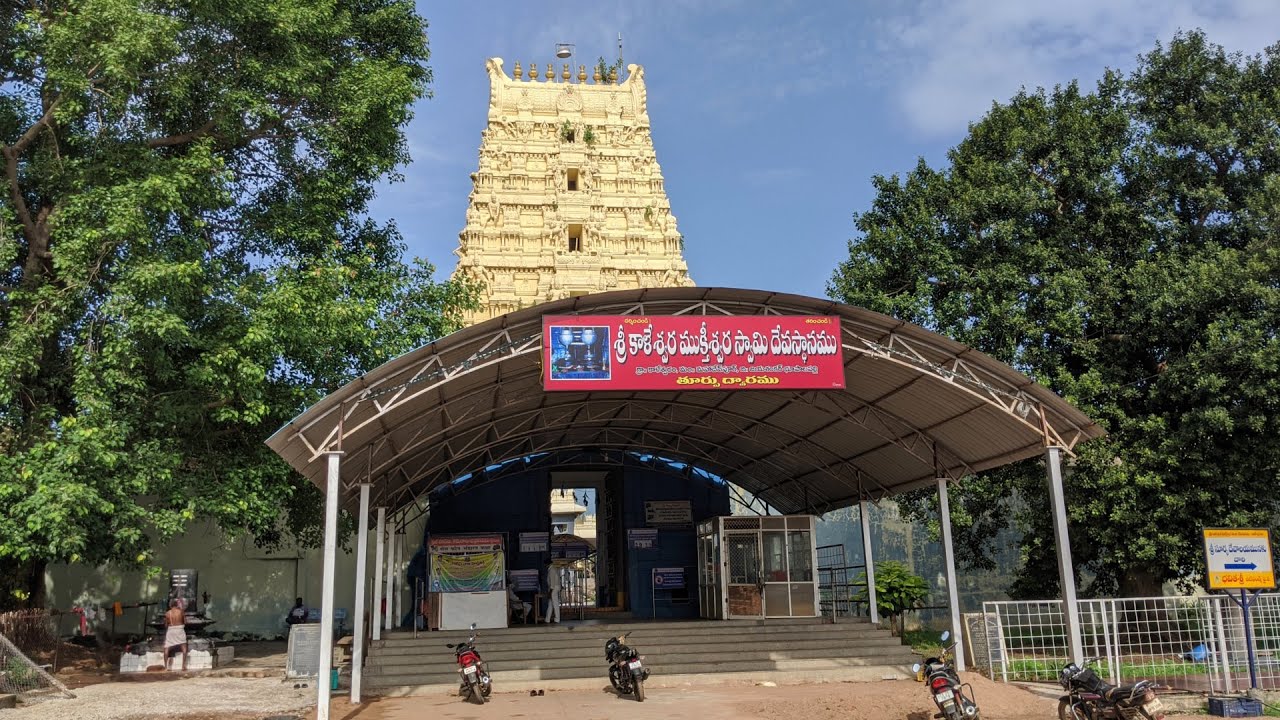
Visitors should plan their visit according to the published darshan schedules. As this is an active place of worship, standard temple etiquette applies: removing footwear before entering the sanctum, maintaining respectful behaviour during rituals, and following any instructions provided by temple staff. The temple is located at coordinates 18.811821, 79.904026 for those using navigation aids.
How to reach
You may also visit
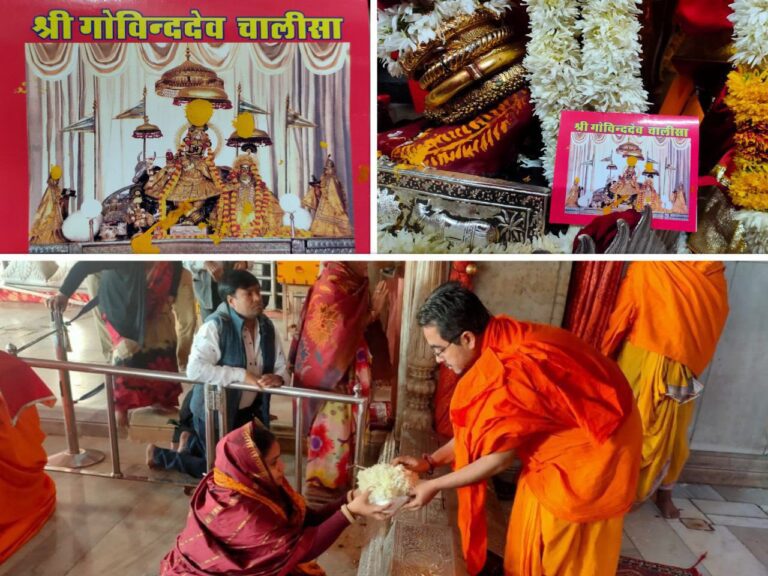
Kalyanji Temple
Kalyanji Temple in Jaipur's Chandpol Bazaar is approximately two centuries old and renowned for displaying the twenty-four avatars of Krishna, visible only twice yearly during Akha Teej and Patottsav festival.
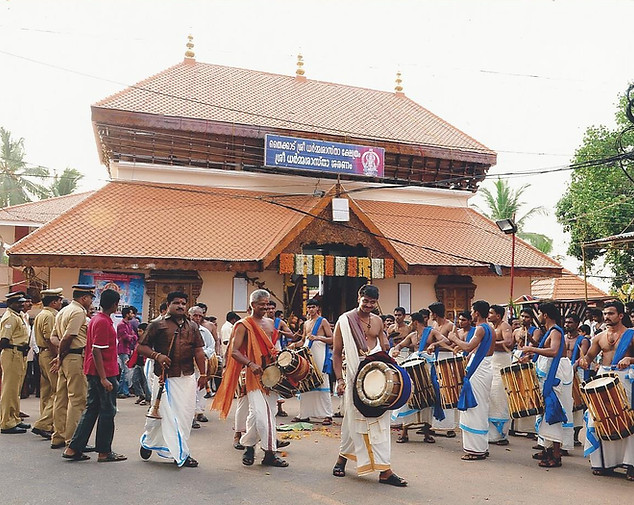
Sastha (Ayyappan) Temple
Sree Dharma Sastha Temple in Thycaud, Thiruvananthapuram, is a centuries-old shrine where the deity manifests as Dhanwanthari, the divine healer, holding the sacred blue lotus.
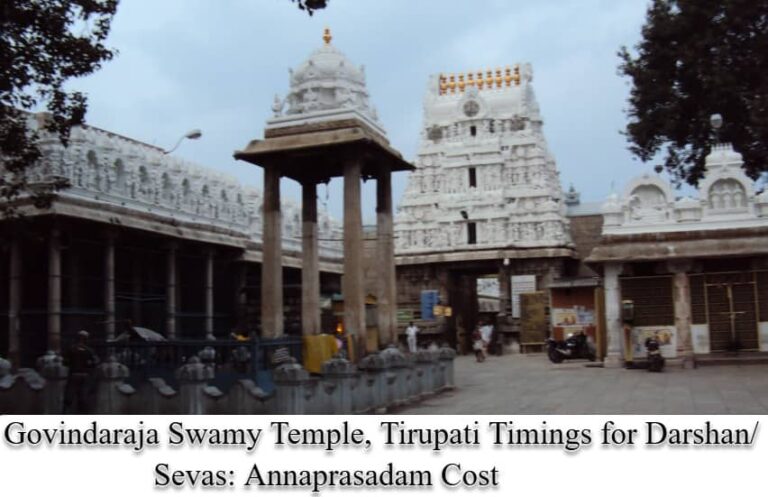
Govindarajaswamy Temple
Sri Govindarajaswamy Temple in Tirupati is an ancient Vaishnavaite shrine consecrated in 1130 AD by Saint Ramanuja, where the presiding deity rests in eternal Yoga Nidra on the serpent Adisesha.