Padmakshi Temple
About Padmakshi Temple
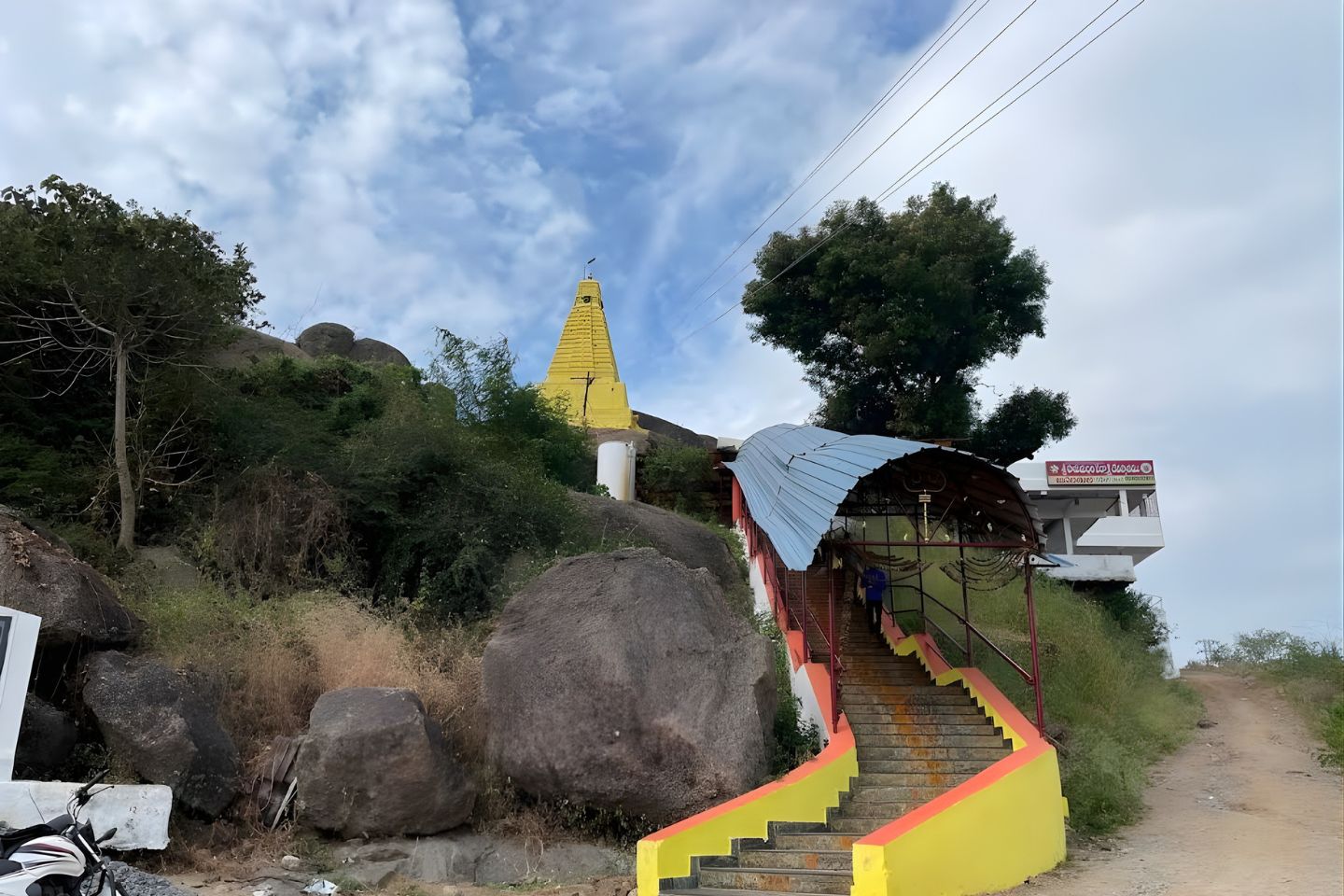
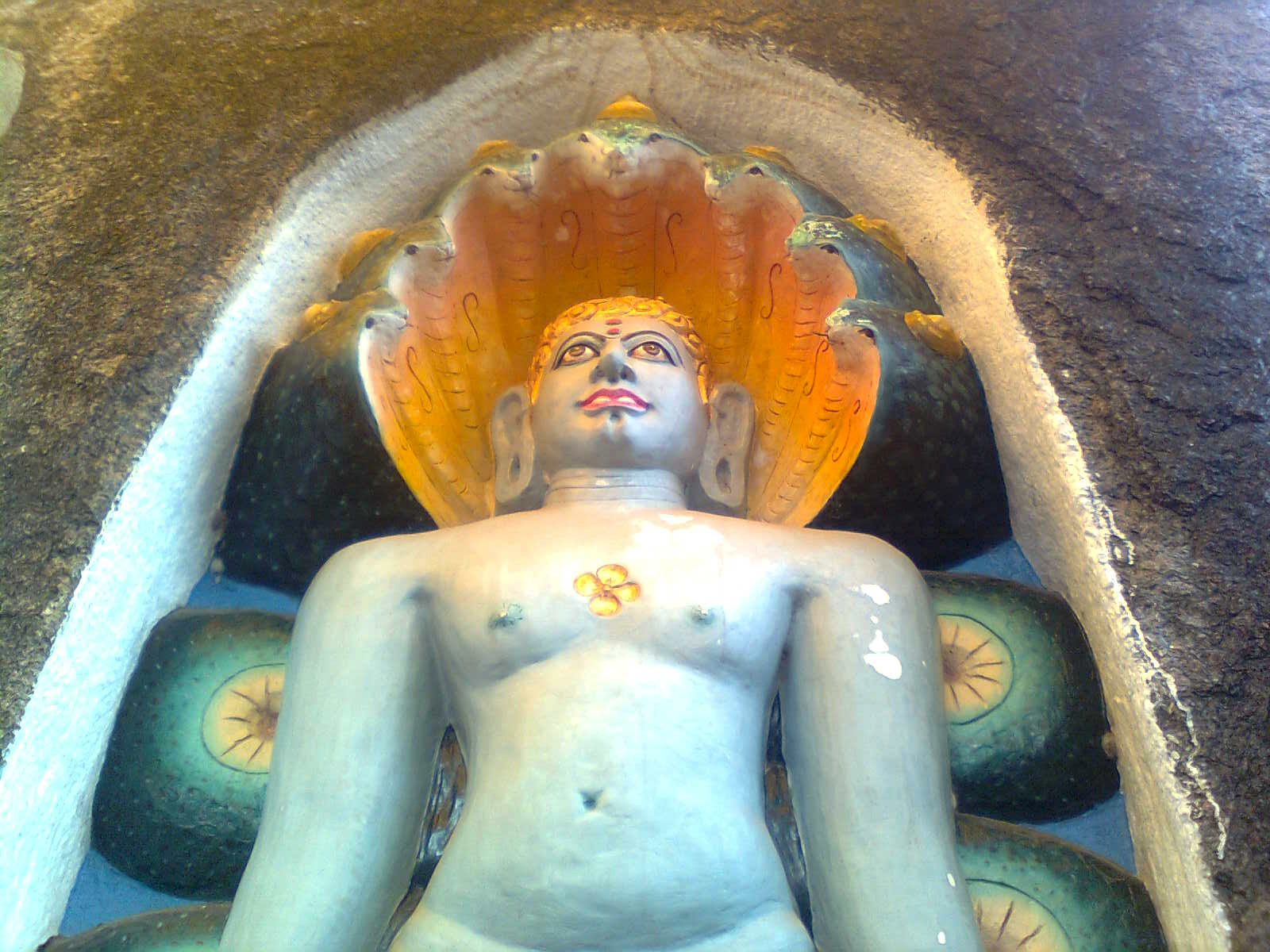
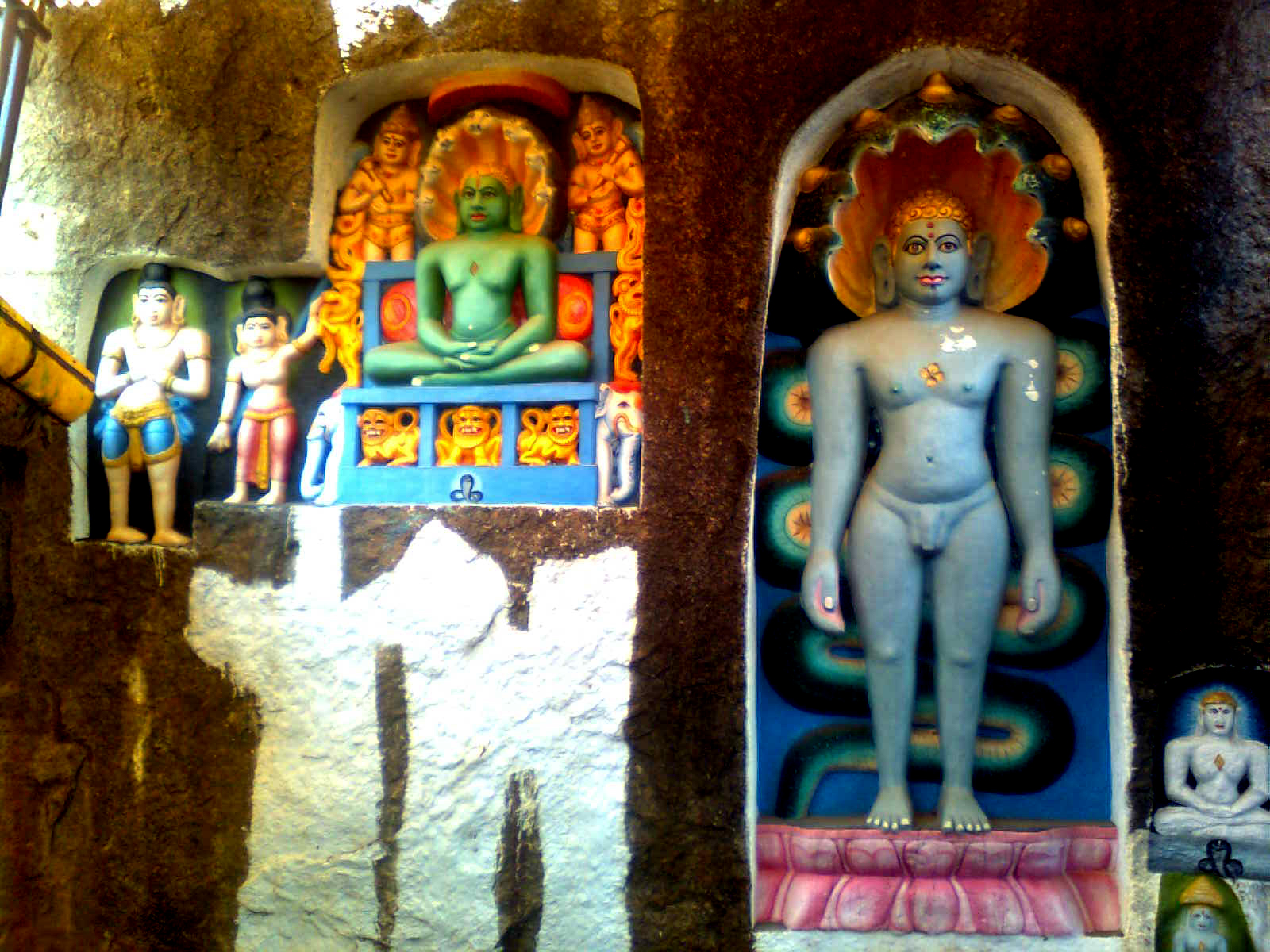
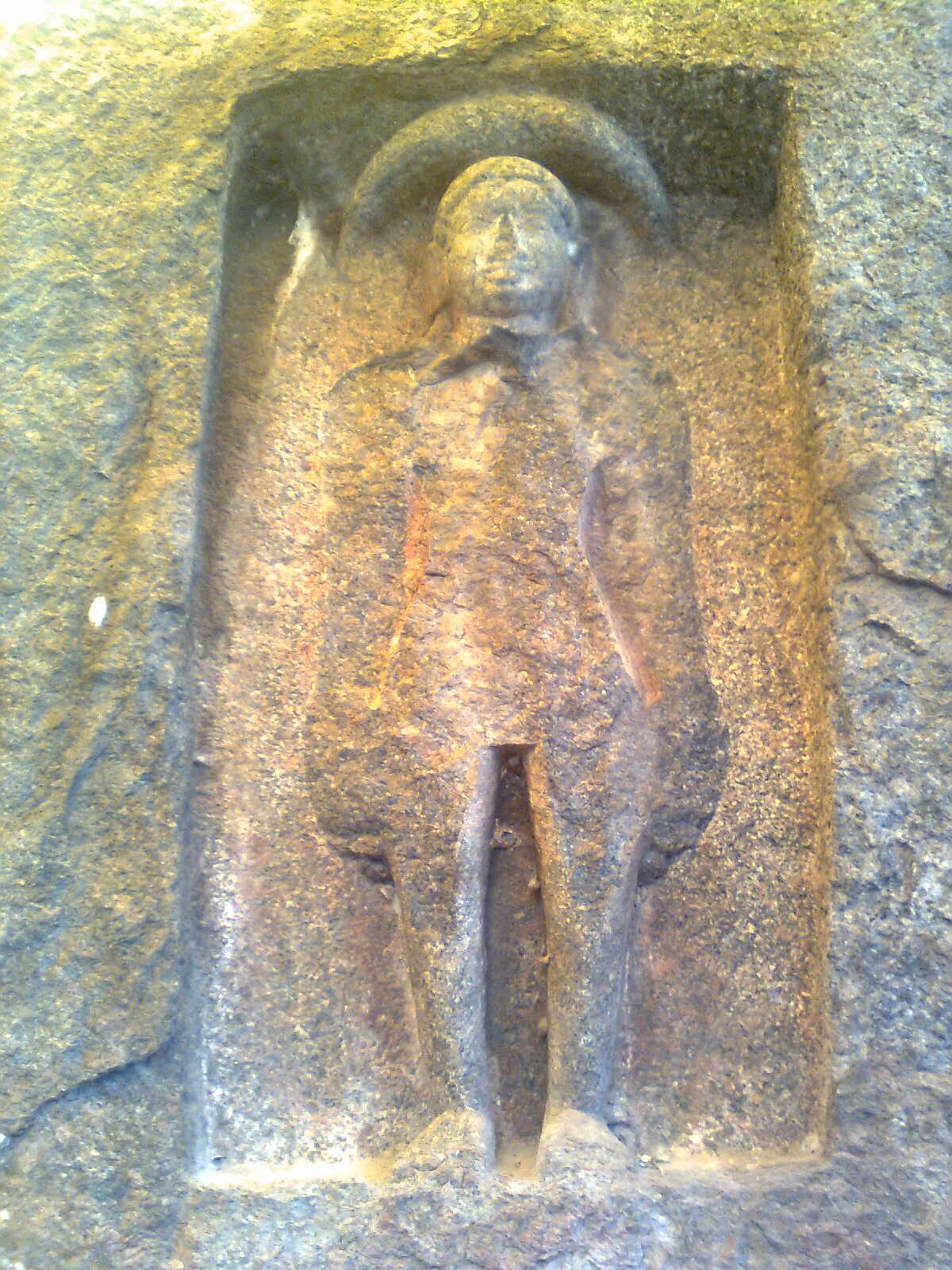
The temple's architectural features bear the mark of Kakatiya-era construction, a period known for distinctive temple design in the Deccan. Among its notable elements is the Annakonda pillar, a structure that reflects Jain artistic influence. Such pillars typically served ceremonial or commemorative purposes in medieval South Indian temples. The presence of these architectural details suggests the temple's importance as a site of worship and community gathering across centuries.
The age of Padmakshi Temple places it within a significant historical context for the region. As one of Hanamkonda's oldest temples, it has likely witnessed the religious and social transformations of Warangal across different periods. Visitors interested in medieval Deccan architecture and the intersection of Hindu-Jain religious practice will find the temple's physical structure itself a subject of study.
Daily Darshan and Worship
The temple maintains two daily darshan periods for devotees. Morning darshan runs from 6:00 AM to 12:00 PM, while evening darshan operates from 4:00 PM to 9:00 PM. These timings allow both early risers and those visiting after daily work to pay their respects. Both morning and evening aartis (ritual worship ceremonies) are performed, though exact times may vary seasonally or during festivals.
Visitors should confirm current darshan and aarti timings before arrival, as temple schedules can shift with festivals and seasonal observances. The temple's dual darshan periods reflect common practice in South Indian goddess temples, where morning worship often coincides with dawn and evening worship with sunset, times considered spiritually significant in Hindu tradition.
Best Time to Visit
The optimal season for visiting Padmakshi Temple extends from October through March. During these months, Telangana's climate is cooler and more comfortable for temple visits, with lower humidity and moderate temperatures. The monsoon season and summer heat of other months can make outdoor worship and travel less pleasant. If your visit coincides with major Hindu festivals or goddess-related observances, you may encounter larger crowds and special rituals, which some devotees prefer while others seek quieter darshan experiences.
Practical Information for Visitors
Padmakshi Temple is located in Hanamkonda, Warangal, in Telangana state. The temple's coordinates are 17.9979519, 79.5669959, which can be entered into mapping applications for navigation. When planning your visit, allow time for both darshan and circumambulation of the temple if you wish to observe full worship protocol.
Visitors to Hindu goddess temples typically observe modest dress—covering shoulders and knees is standard practice. Footwear is removed before entering the inner sanctum. Photography policies vary by temple; it is respectful to ask permission before photographing the deity or rituals. Many temples request that visitors maintain silence during aartis and avoid interrupting active worship. If you wish to make offerings or arrange special pujas, inquire at the temple office about procedures and any associated costs.
Getting There
Hanamkonda is accessible by road from Warangal city. Those traveling by public transport can use local buses or auto-rickshaws from Warangal. If driving, the coordinates provided can guide you to the temple's location. For those seeking assistance with darshan arrangements, accommodation, or transport coordination, local temple inquiry services can provide support through phone or email contact.
How to reach
Temples near Padmakshi Temple
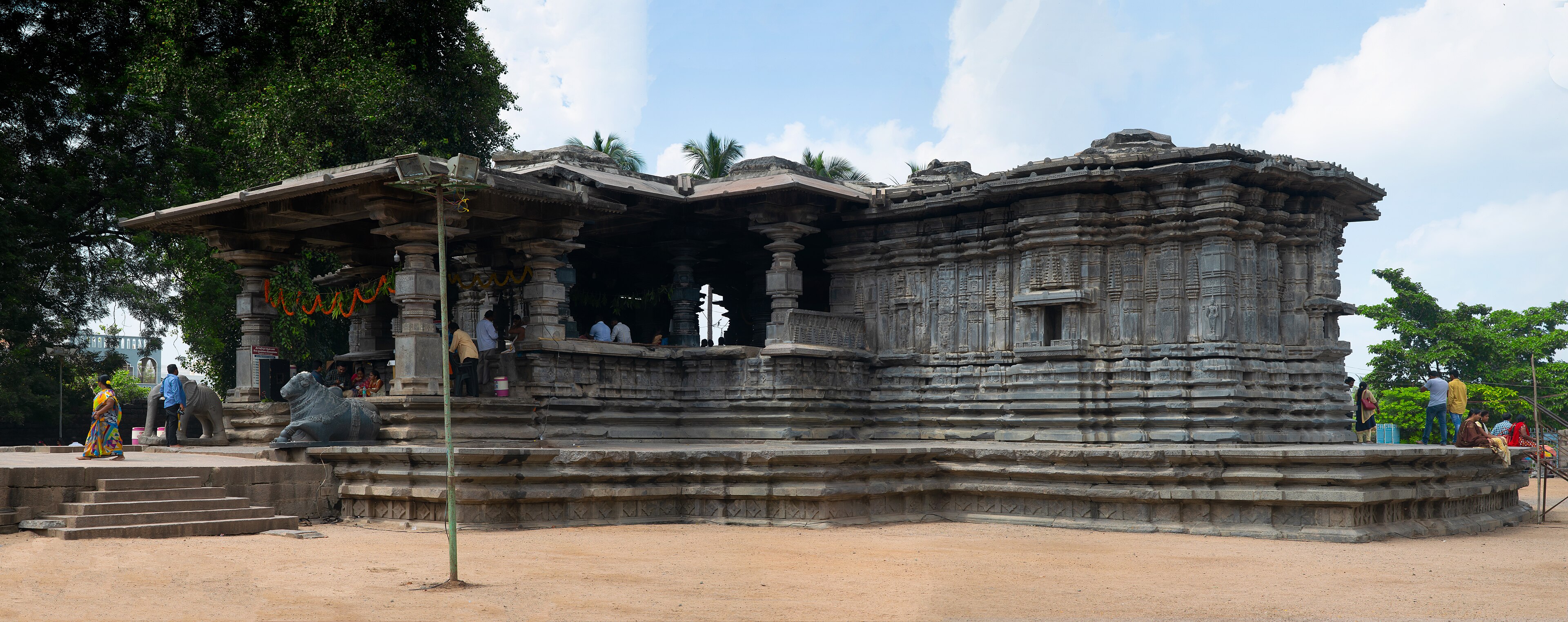
Thousand Pillar Temple
The Thousand Pillar Temple, also known as Rudreswara Swamy Temple, is a 12th-century Kakatiya-era shrine in Hanamkonda, Telangana, dedicated to Shiva, Vishnu, and Surya, renowne…

Bhadrakali Temple
Bhadrakali Temple, established in 1817, sits atop a verdant hill east of Pokhara, Nepal, dedicated to Goddess Kali in her fierce form as Bhadrakali or Durga.
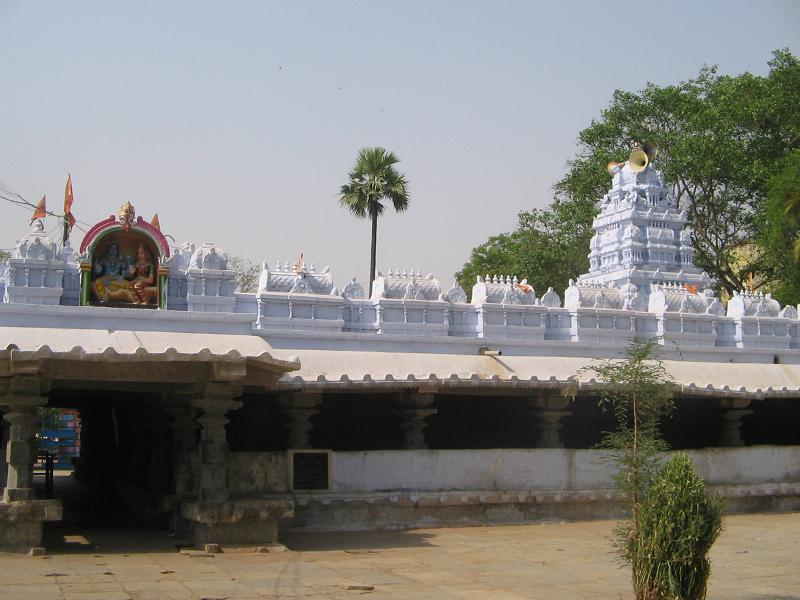
Mallikarjuna Temple, Inavolu
Sri Mallikarjuna Swamy Temple in Inavolu, Warangal, is an 11th-century Shiva temple commissioned by Kakatiya minister Sri Ayanna, renowned for its 108-pillar chariot structure a…
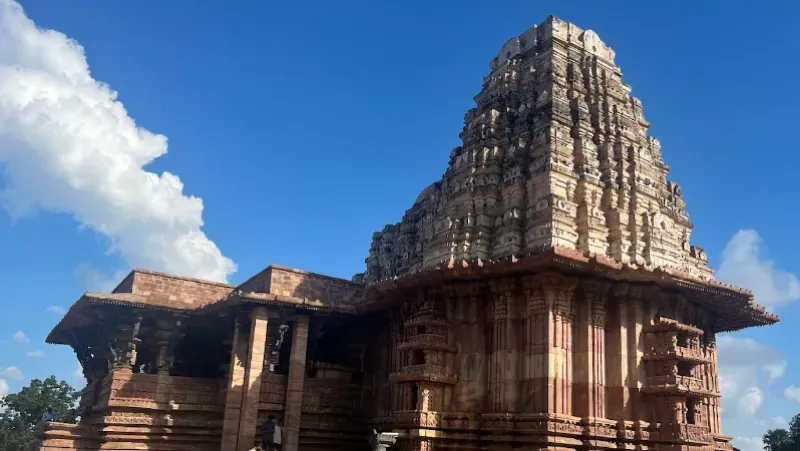
Ramappa Temple
Ramappa Temple, also known as Rudreshwara Temple, is a 13th-century Kakatiya-style shrine dedicated to Lord Shiva, located in Palampet village near Mulugu, Telangana. Recognized…
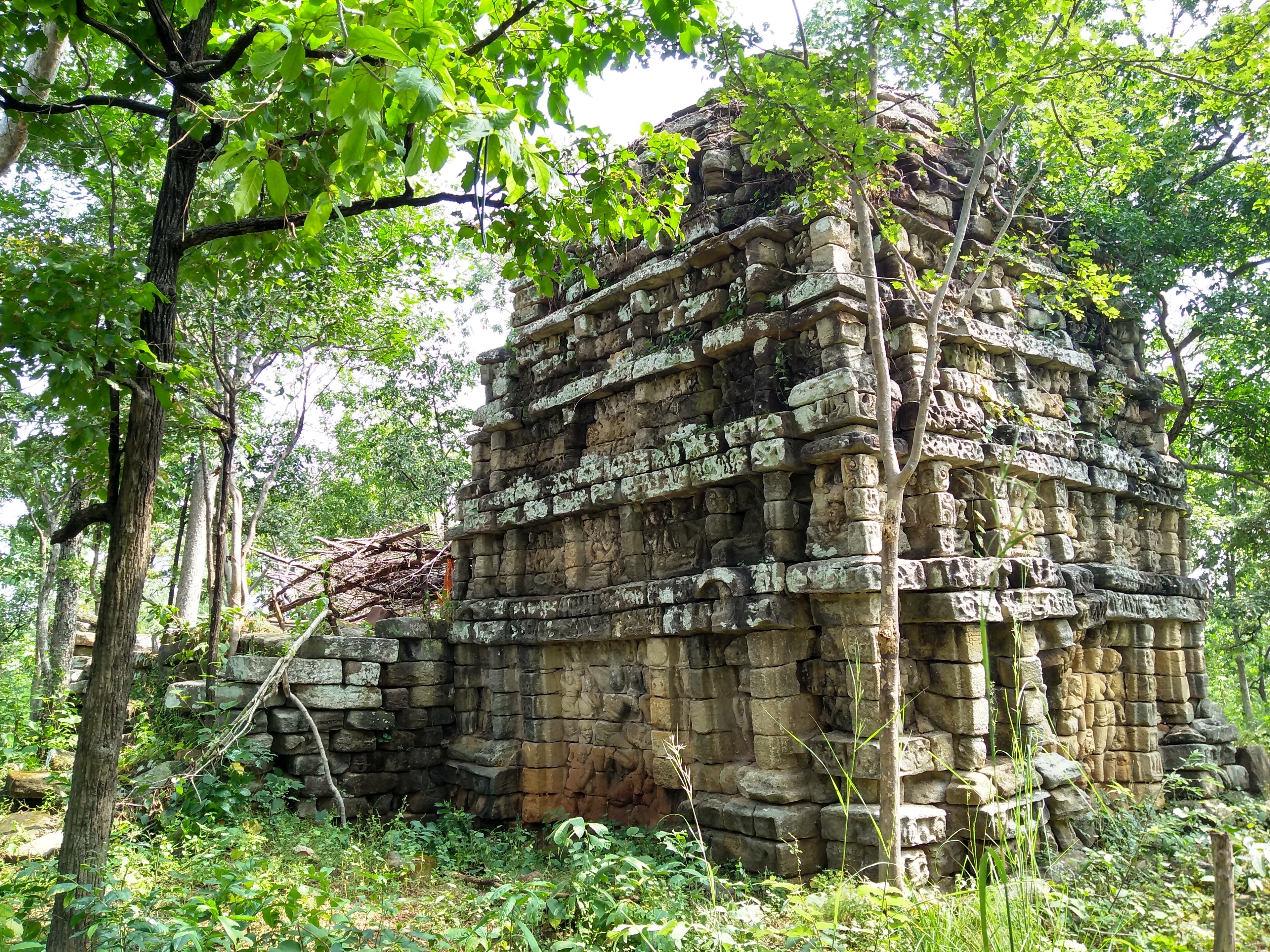
Devunigutta Temple
The Devunigutta Temple, a 6th-century Shiva shrine built by the Vakatakas, sits on a remote forested plateau near Kothur village in Telangana's Mulugu District, approximately 60…
Komrelly Mallanna Temple
Komuravelli Mallanna Temple is a hilltop shrine in Telangana dedicated to Mallanna, a folk manifestation of Shiva also known as Khandoba, drawing devotees particularly during fe…