Nagsankar Mandir
About Nagsankar Mandir
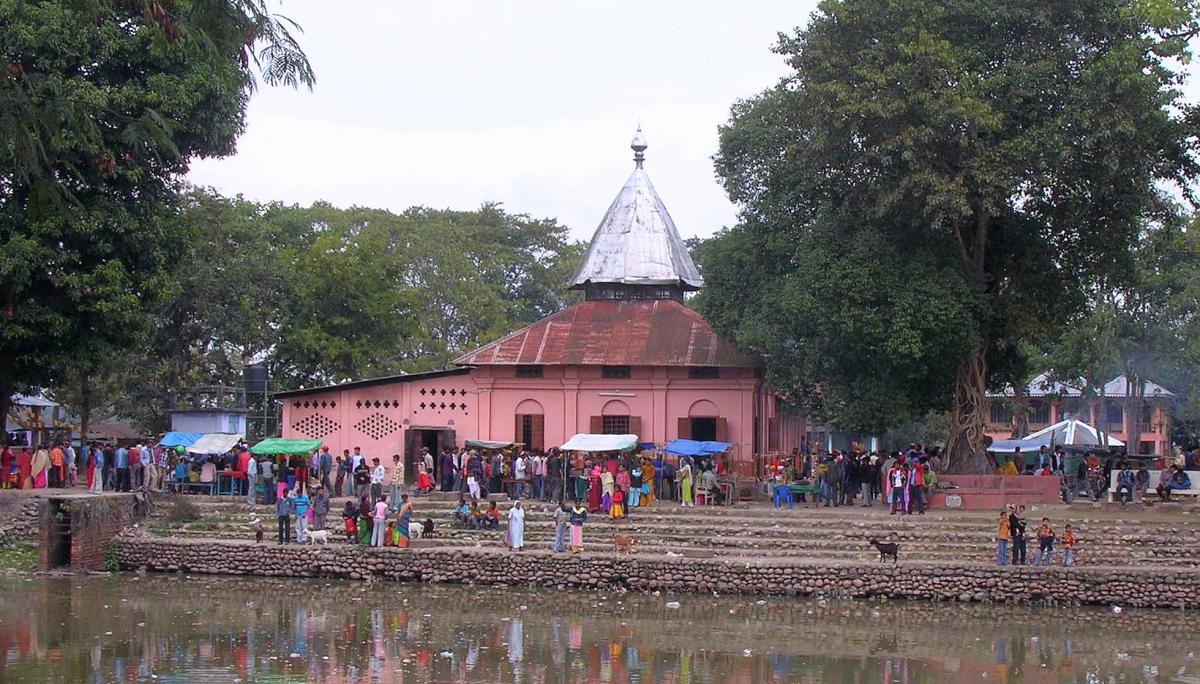
A distinctive feature of Nagsankar Mandir is its large sacred pond, which functions as a sanctuary for several animal species. The waters are home to a rare variety of soft-shell turtles, while the broader temple grounds support populations of peacocks, pythons, and deer. This ecological dimension adds a layer of significance to the site, as the temple complex serves simultaneously as a place of worship and a refuge for wildlife.
Visitors should be mindful of these creatures during their visit. The presence of these animals is integral to the temple's character and should be respected accordingly. The sanctuary aspect of the pond reflects a broader Hindu understanding of sacred spaces as encompassing the natural world.
Daily Worship and Darshan
The temple remains open throughout the day for devotees seeking darshan. The primary formal ritual observed here is the Sandhya (Evening) Aarti, conducted daily from 19:00 to 19:30. This evening ceremony draws worshippers and marks the day's main structured act of collective worship at the shrine.
Beyond the evening aarti, the temple welcomes visitors at all hours for personal darshan. Those seeking a quieter experience with fewer crowds are advised to visit during early morning hours or on non-festival weekdays. The temple's continuous accessibility throughout the day reflects a welcoming approach to pilgrimage and worship.
Festivals and Celebrations
The temple observes several festivals throughout the year, with Diwali being the occasion when the shrine is most elaborately decorated. The Festival of Lights transforms the temple complex, making it particularly vibrant during this period. The temple also marks Karwa Chauth and Ugadi (Gudi Padwa), though specific details of how these festivals are celebrated at this particular shrine are not extensively documented.
Visitors planning to attend festival observances should note that timings and rituals may vary on these occasions. It is advisable to confirm details with the temple directly before travelling, particularly if your visit is timed to coincide with a festival.
Practical Information for Visitors
Nagsankar Mandir is located at coordinates 26.725339, 92.994821 in Nagsankar Mouza, near Sootea, approximately 55 kilometres from Tezpur. The site is accessible by road, making it reachable for those with their own transport or through local travel arrangements from Tezpur.
The temple provides basic guest house facilities for visitors requiring accommodation. Standard temple etiquette applies: remove footwear before entering the shrine, dress modestly, and approach the sanctum with respect. Photography policies should be confirmed upon arrival. There are no specific dress codes beyond general modesty, though visitors should be prepared for the climate of Assam and the outdoor nature of portions of the temple complex.
Getting There
From Tezpur, the primary nearby city, Nagsankar Mandir lies to the east. The 55-kilometre distance can be covered by car or taxi in roughly ninety minutes to two hours, depending on road conditions. Those without private transport may explore local taxi services or inquire about transport options through their accommodation in Tezpur. The temple's road accessibility makes it feasible as a day trip or as part of a broader pilgrimage circuit in Sonitpur District.
How to reach
Temples near Nagsankar Mandir
Hatimura Temple
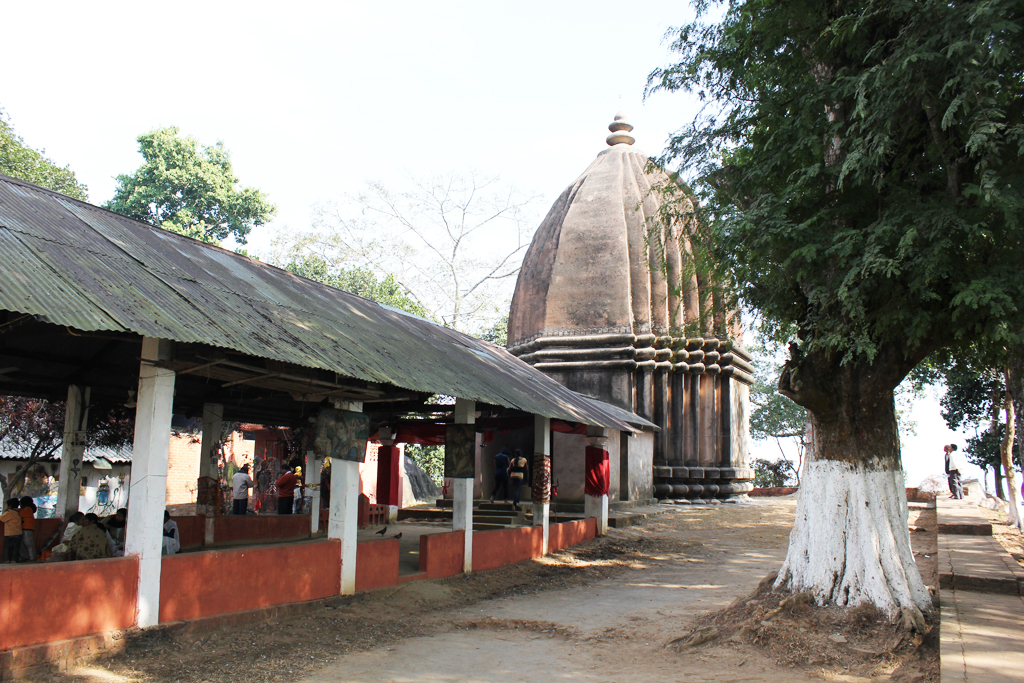
Hatimura Temple is an ancient Shaktipith dedicated to Goddess Mahishamardini, built during the Ahom kingdom and situated on the banks of the Brahmaputra River in Assam.
Bharali Namghar
Bharali Namghar is a revered Neo-Vaishnavite prayer and cultural center in Hatbar, Nagaon, Assam, dedicated to the teachings of Srimanta Sankardeva. The sacred site features a d…

Bhairabi Temple
Bhairabi Temple, situated on Tezpur's outskirts in Assam's Sonitpur District, is an ancient shrine dedicated to the goddess Bhairabi. The current structure dates approximately 4…
Mahabhairav Temple
Mahabhairav Temple is an ancient Shiva shrine perched on a hillock in northern Tezpur, Assam, traditionally attributed to King Bana's era and renovated in concrete during the Ah…

Haleswar Temple
Haleswar Temple is an 18th-century Hindu shrine located 10 kilometers north of Tezpur in Assam's Sonitpur District, exemplifying the distinctive Nilachal architectural style of…
Maha Mrityunjay Temple
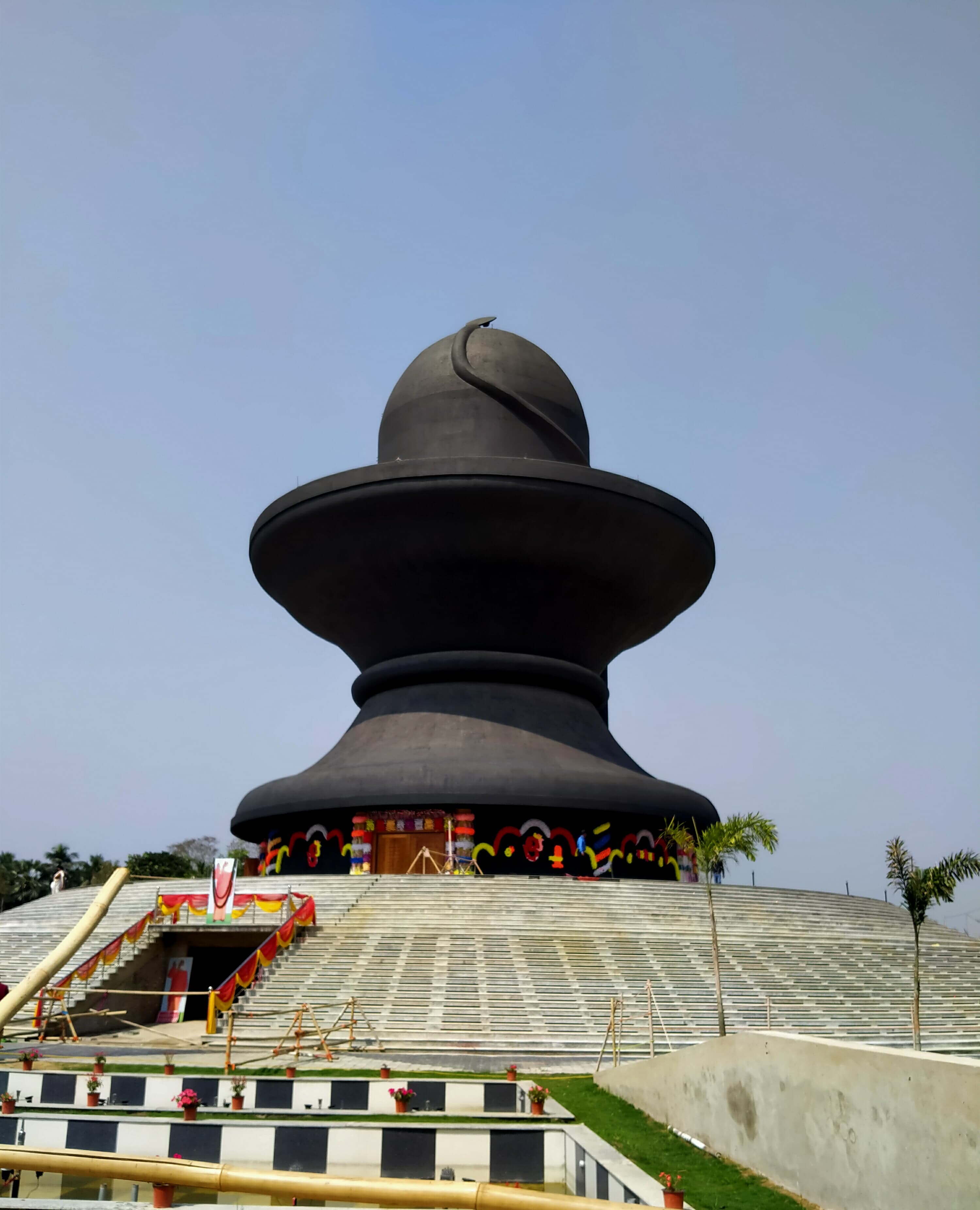
Maha Mrityunjay Temple in Nagaon, Assam, is a distinctive Hindu shrine dedicated to Lord Shiva, renowned for housing the world's tallest Shivling at 126 feet, which forms the te…