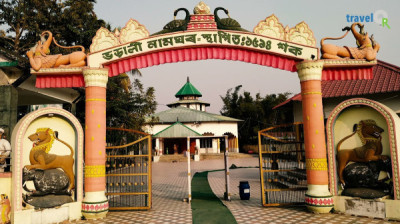
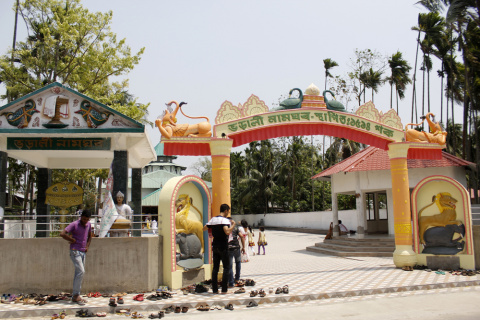
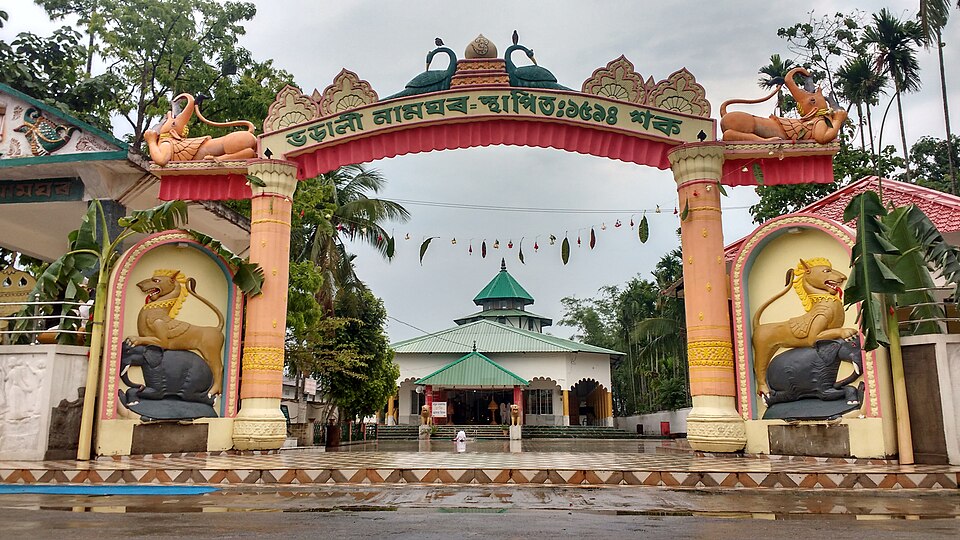
Bharali Namghar
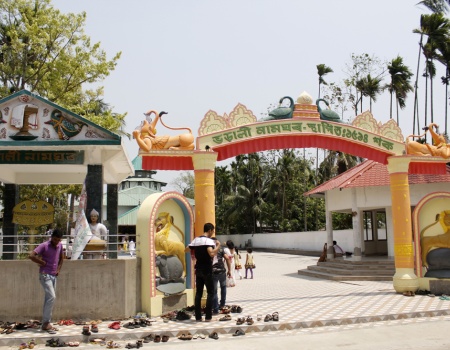
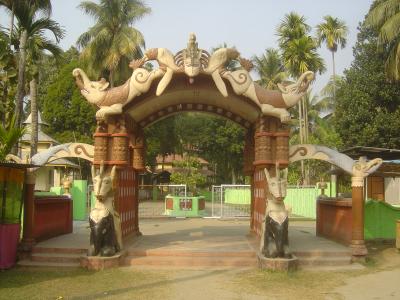
About Bharali Namghar
The origins of Bharali Namghar extend back centuries, though the temple has undergone significant change. The structure was rebuilt following the Burmese invasion—a historical upheaval that affected many religious sites across Assam during the 18th and 19th centuries. This reconstruction allowed the community to restore their place of worship and continue the spiritual practices central to their faith.
The temple's survival and rebuilding reflect the resilience of the Neo-Vaishnavite community in Assam and their commitment to preserving spaces dedicated to Sankardeva's teachings and devotional practice.
Worship and Spiritual Practice
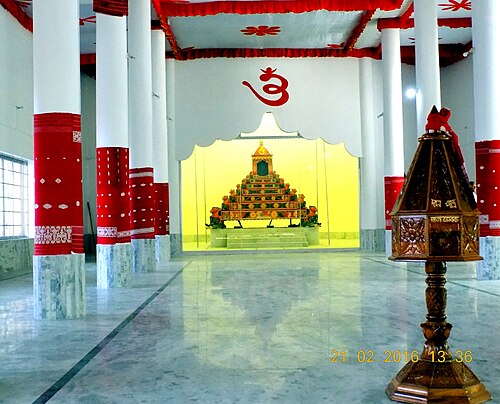
As a Namghar, Bharali functions primarily as a gathering place for communal worship and spiritual instruction rather than a site of elaborate ritual ceremonies. Temples of the Neo-Vaishnavite tradition typically emphasize congregational singing of devotional songs (kirtan), recitation of sacred texts, and collective prayer. The Namghar serves as both a religious sanctuary and a cultural hub where community members come together to strengthen their faith and social bonds.
The Tulsi shrine within the Namghar holds particular importance in daily worship. Devotees approach this sacred space with reverence, understanding it as a manifestation of divine presence. The simplicity and directness of worship here align with Sankardeva's teachings, which stressed devotion over elaborate ritual and the accessibility of spiritual practice to all people regardless of social status.
Magh Purnima: The Primary Festival
The most significant time to visit Bharali Namghar is during Magh Purnima, which coincides with Makar Sankranti. This full moon day in the month of Magh (January–February) draws devotees to the temple for special observances and communal celebration. The festival carries deep spiritual meaning in Hindu tradition, marking a period of auspicious transition and renewal.
Visitors planning a pilgrimage should time their journey to coincide with this festival period to experience the temple at its most vibrant, when the community gathers in larger numbers for worship and celebration.
Practical Information for Visitors
Bharali Namghar is located in Hatbar, Bharali village, approximately 67 kilometers from Nagaon town in Assam's Nagaon District. The coordinates are 26.5611805, 92.975332, which can assist travelers using GPS navigation. The journey from Nagaon town requires travel through rural Assam, so visitors should plan accordingly and allow sufficient time for the drive.
Specific information about daily visiting hours, entry fees, and facilities at the temple is not documented in available sources. Visitors are advised to contact local authorities or community representatives in Bharali village for current details about access, accommodation options, and any particular customs or dress expectations. As with most Hindu temples and prayer spaces, modest dress is generally appropriate, and visitors should approach the sacred Tulsi shrine with respect and reverence.
Getting There
The temple's location in rural Nagaon District means that private transportation is the most practical option for most visitors. The journey from Nagaon town covers approximately 67 kilometers and passes through villages and countryside. Those traveling from other parts of Assam should plan their route accordingly, allowing time for the distance and local road conditions.
Before undertaking the journey, it is worthwhile to confirm current access routes and any local guidance with residents or community contacts in the area, as rural roads and conditions may vary seasonally.
How to reach
Temples near Bharali Namghar
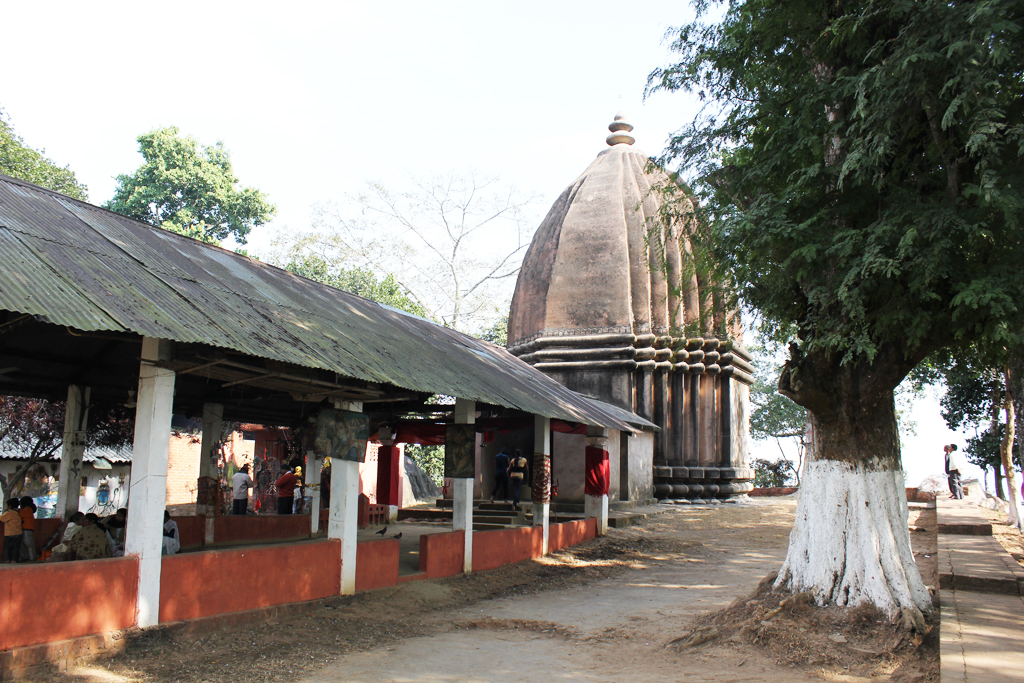
Hatimura Temple
Hatimura Temple is an ancient Shaktipith dedicated to Goddess Mahishamardini, built during the Ahom kingdom and situated on the banks of the Brahmaputra River in Assam.

Bhairabi Temple
Bhairabi Temple, situated on Tezpur's outskirts in Assam's Sonitpur District, is an ancient shrine dedicated to the goddess Bhairabi. The current structure dates approximately 4…
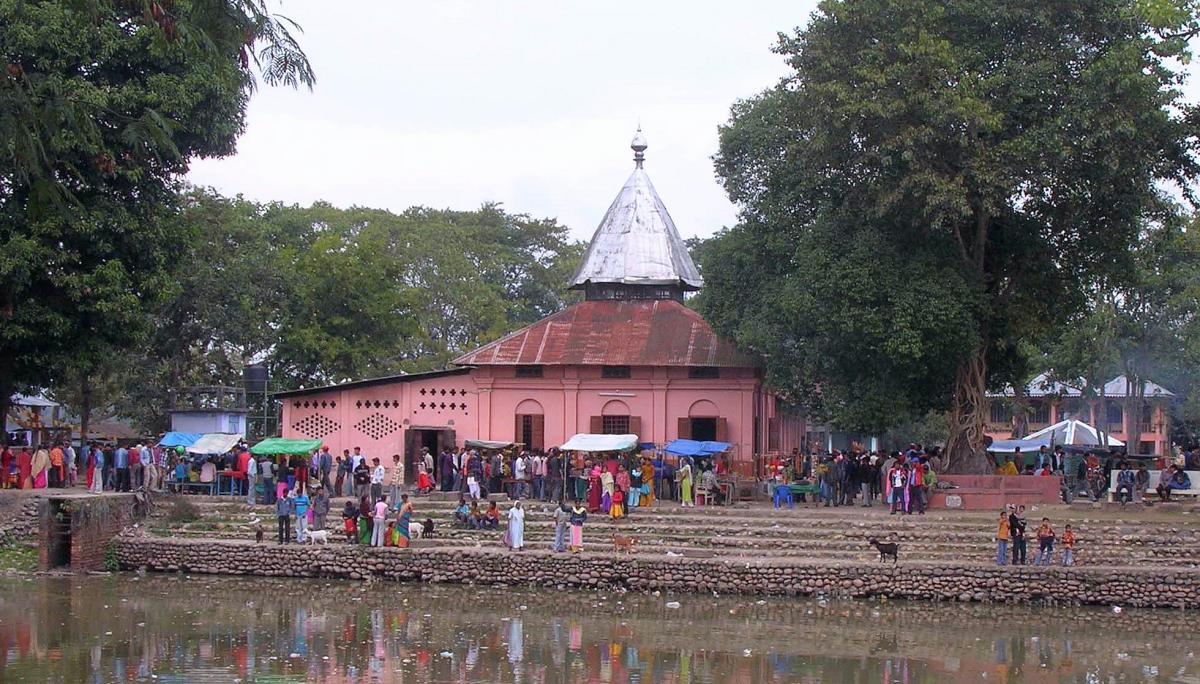
Nagsankar Mandir
Nagsankar Mandir is an ancient shrine in Sonitpur District, Assam, traditionally attributed to King Narasankar of Nagakha in the 4th century. The temple welcomes devotees throug…
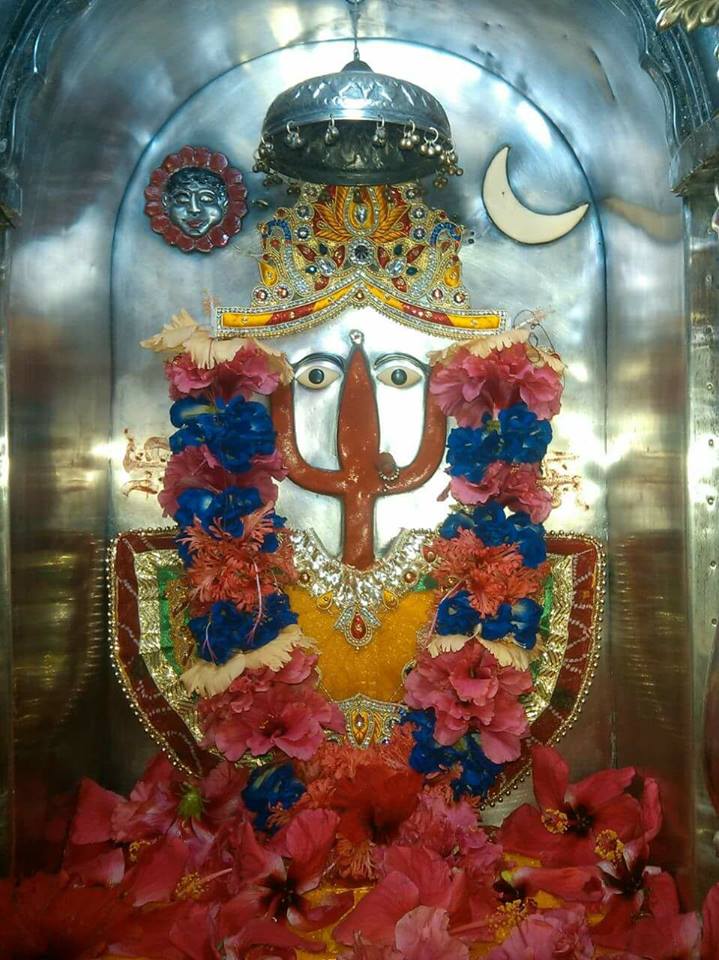
Mahabhairav Temple
Mahabhairav Temple is an ancient Shiva shrine perched on a hillock in northern Tezpur, Assam, traditionally attributed to King Bana's era and renovated in concrete during the Ah…

Haleswar Temple
Haleswar Temple is an 18th-century Hindu shrine located 10 kilometers north of Tezpur in Assam's Sonitpur District, exemplifying the distinctive Nilachal architectural style of…
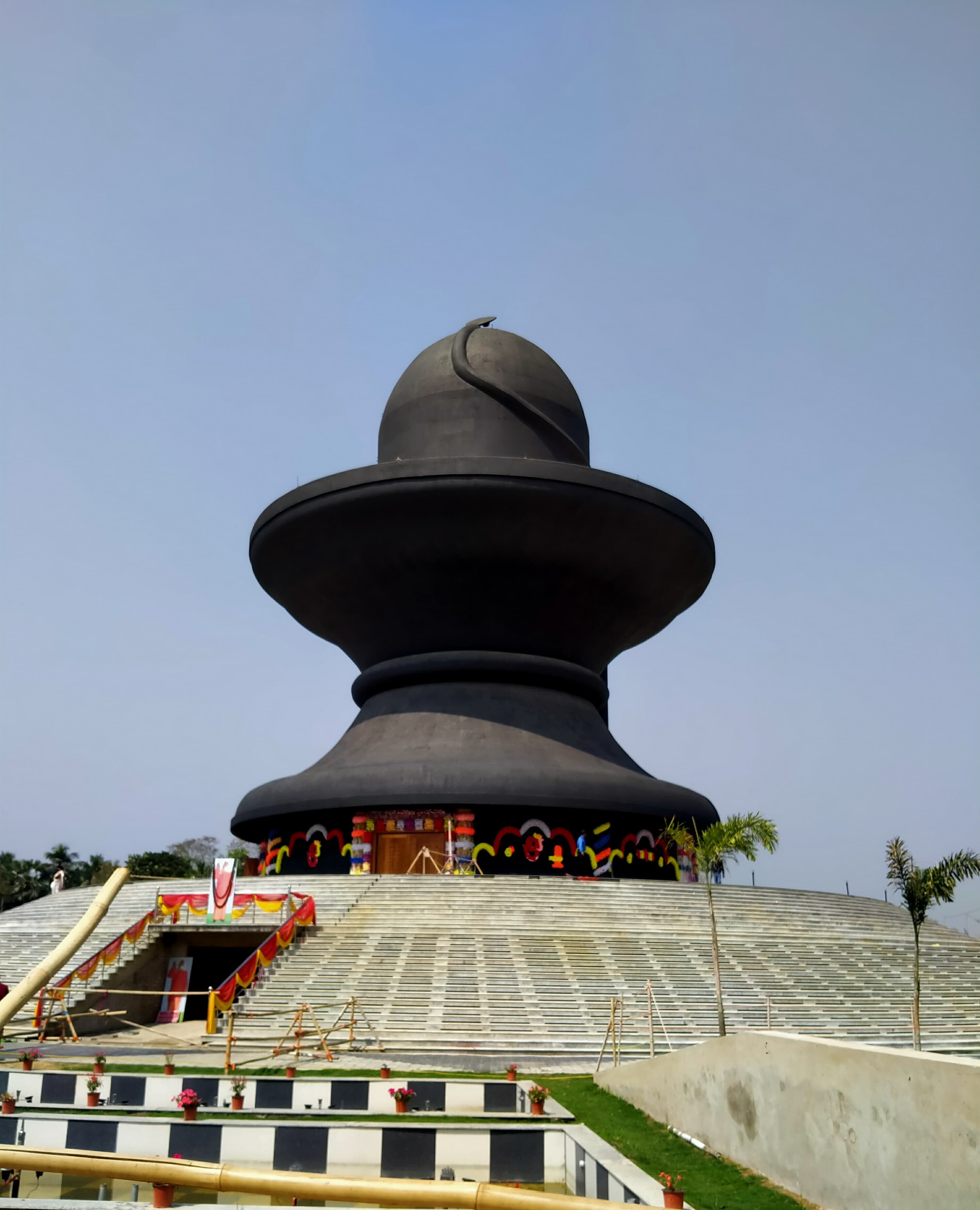
Maha Mrityunjay Temple
Maha Mrityunjay Temple in Nagaon, Assam, is a distinctive Hindu shrine dedicated to Lord Shiva, renowned for housing the world's tallest Shivling at 126 feet, which forms the te…