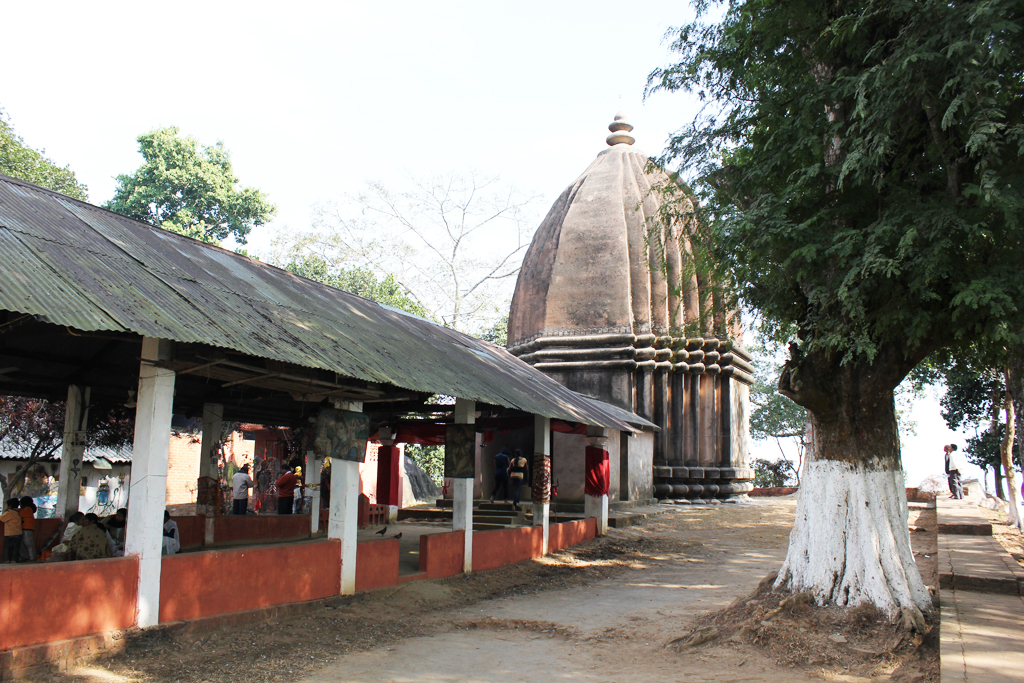
Hatimura Temple
About Hatimura Temple
Hatimura Temple was established in 1667 during the reign of Ahom king Pramatta Singha. This period marked a significant phase in Assamese history, when the Ahom dynasty exercised considerable influence over the region. The temple's construction during this era connects it directly to the cultural and religious patronage of the Ahom court, making it a tangible link to Assam's medieval past.
The temple thus represents not merely a place of worship but also a historical monument reflecting the architectural and religious priorities of the Ahom Kingdom. For visitors interested in understanding the region's history, the temple provides material evidence of how rulers of that period supported religious institutions and shaped the spiritual landscape of Assam.
Location and Natural Setting
The temple stands at Hatimura in Jakhalabandha, Nagaon district, positioned on the banks of the Brahmaputra River. The setting combines religious significance with natural beauty; the river's presence has long made this area a place of pilgrimage and contemplation. The landscape features hills rising from the riverbank, creating a striking geographical context for the temple.
This location, approximately 60 kilometres from Nagaon town, places the temple within reach of visitors from the district while maintaining its position in a relatively rural and scenic area. The Brahmaputra's proximity adds to the temple's appeal as both a spiritual destination and a place of natural interest.
Historical Significance and Worship Practices
The temple's history as an important centre of Shaktism in ancient Assam underscores its role in the region's religious development. Historical accounts indicate that ritual practices at the temple were elaborate and significant, reflecting the high status accorded to this Shaktipith. The temple thus carries weight not only as a contemporary place of worship but as a repository of Assamese religious tradition.
Visitors should be aware that the temple's past includes practices that differ markedly from contemporary worship. Understanding this historical context allows visitors to appreciate the temple as a living institution that has evolved over centuries while maintaining its core dedication to the goddess.
Visiting the Temple
The temple is accessible by taxi or local tempo services from Nagaon town. Visitors should plan for the journey time and consider visiting during daylight hours to fully appreciate both the temple and its riverside setting. As with most Hindu temples, modest dress is appropriate—clothing that covers shoulders and knees shows respect for the sacred space.
Specific information regarding darshan timings, entry fees, and current facilities at the temple is not detailed in available sources. Visitors are advised to make enquiries locally or contact the Nagaon District Administration (phone: +91 03672-233-185) for current details about visiting hours and any requirements for entry. The temple functions as an active place of worship, so visitors should be prepared to encounter ongoing religious activities and should conduct themselves with appropriate reverence.
Nearby Attractions
The Hatimura area offers additional points of interest for visitors. Kaziranga National Park and the Laokhowa and Burhachapori Wildlife Sanctuary lie within the broader region, making it possible to combine a temple visit with wildlife observation. The area is also noted for its natural beauty and serves as a picnic destination for those seeking both cultural and recreational experiences in the Nagaon district.
How to reach
Temples near Hatimura Temple
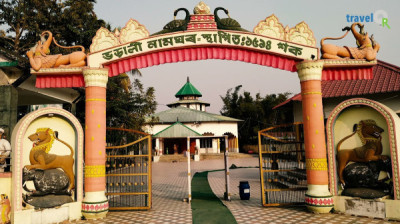
Bharali Namghar
Bharali Namghar is a revered Neo-Vaishnavite prayer and cultural center in Hatbar, Nagaon, Assam, dedicated to the teachings of Srimanta Sankardeva. The sacred site features a d…
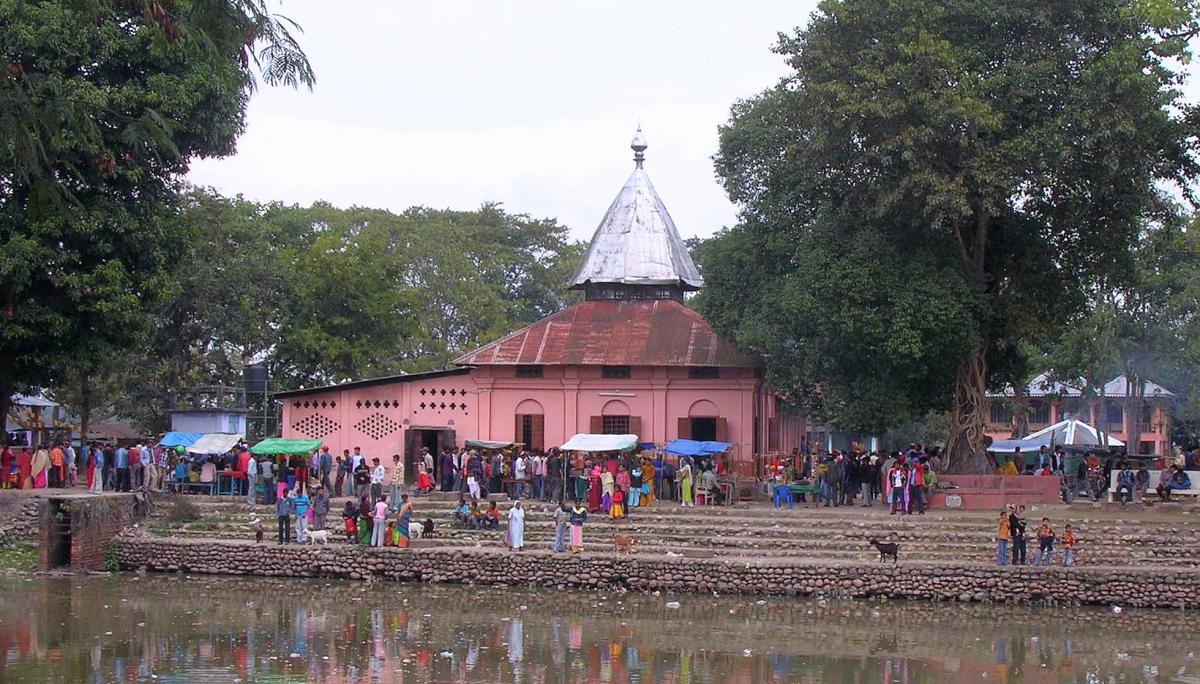
Nagsankar Mandir
Nagsankar Mandir is an ancient shrine in Sonitpur District, Assam, traditionally attributed to King Narasankar of Nagakha in the 4th century. The temple welcomes devotees throug…

Bhairabi Temple
Bhairabi Temple, situated on Tezpur's outskirts in Assam's Sonitpur District, is an ancient shrine dedicated to the goddess Bhairabi. The current structure dates approximately 4…
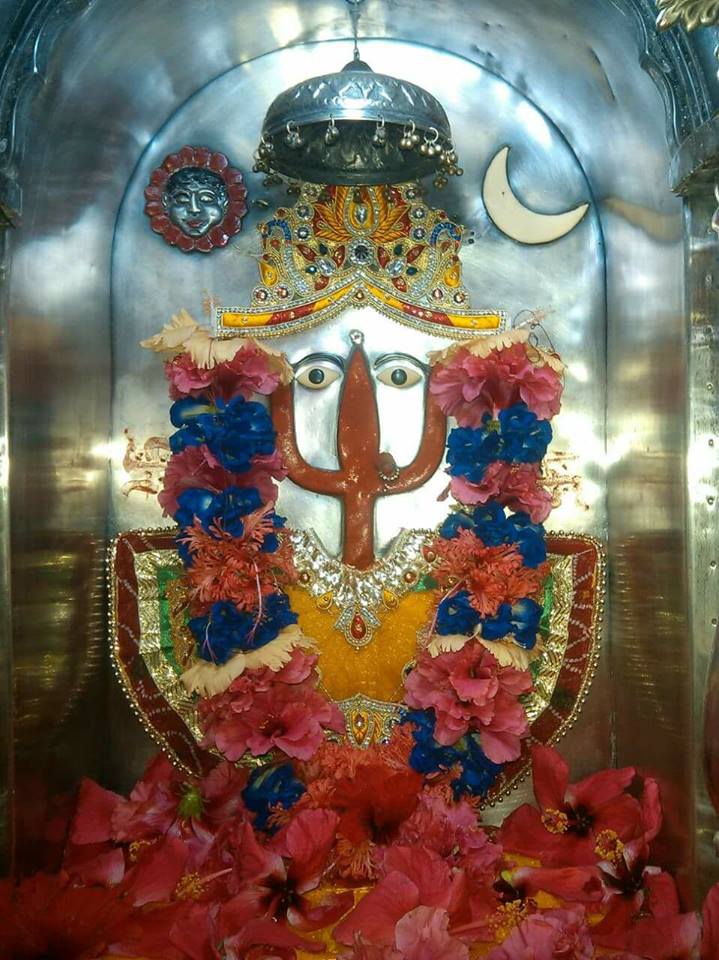
Mahabhairav Temple
Mahabhairav Temple is an ancient Shiva shrine perched on a hillock in northern Tezpur, Assam, traditionally attributed to King Bana's era and renovated in concrete during the Ah…

Haleswar Temple
Haleswar Temple is an 18th-century Hindu shrine located 10 kilometers north of Tezpur in Assam's Sonitpur District, exemplifying the distinctive Nilachal architectural style of…
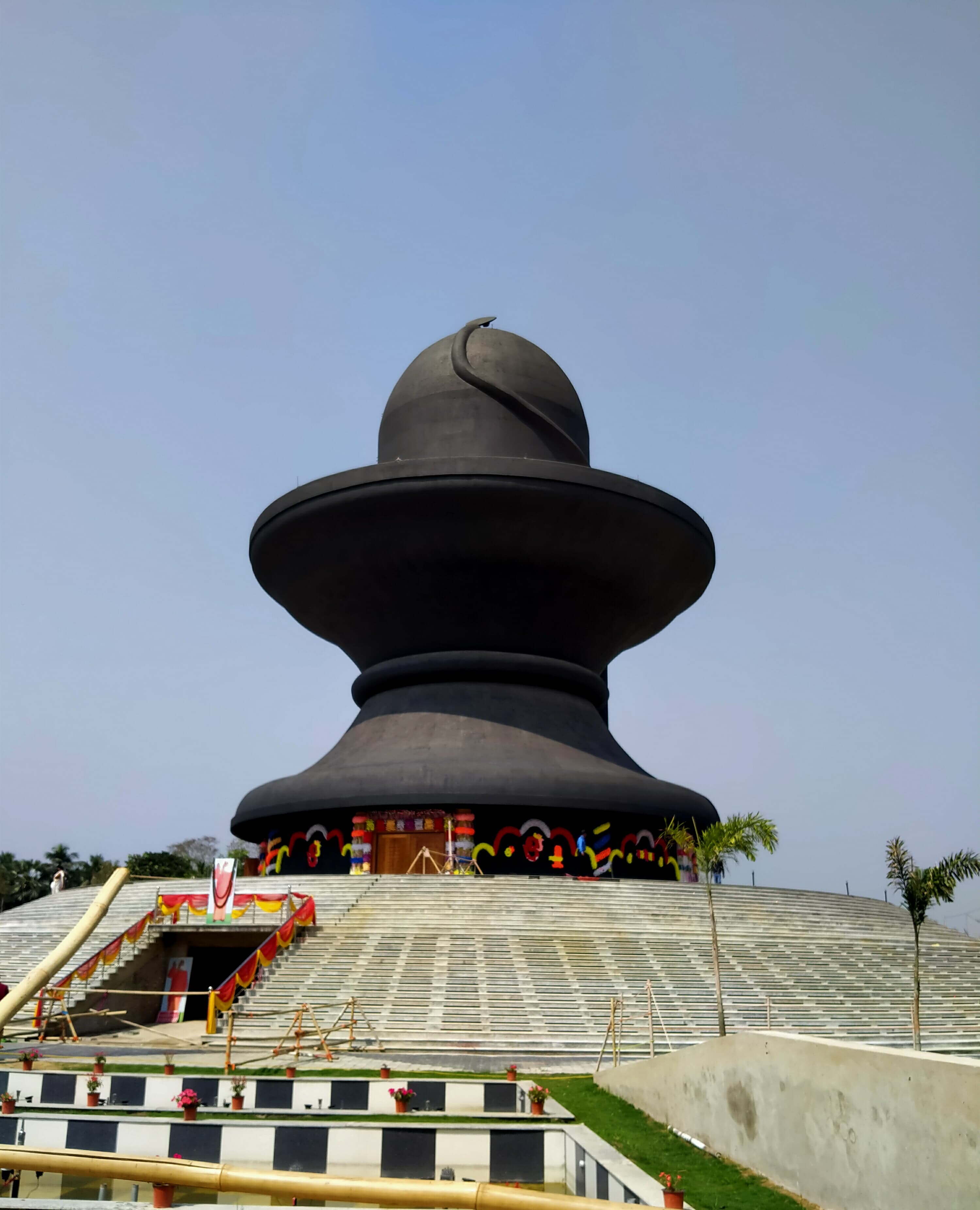
Maha Mrityunjay Temple
Maha Mrityunjay Temple in Nagaon, Assam, is a distinctive Hindu shrine dedicated to Lord Shiva, renowned for housing the world's tallest Shivling at 126 feet, which forms the te…