Maha Mrityunjay Temple
About Maha Mrityunjay Temple
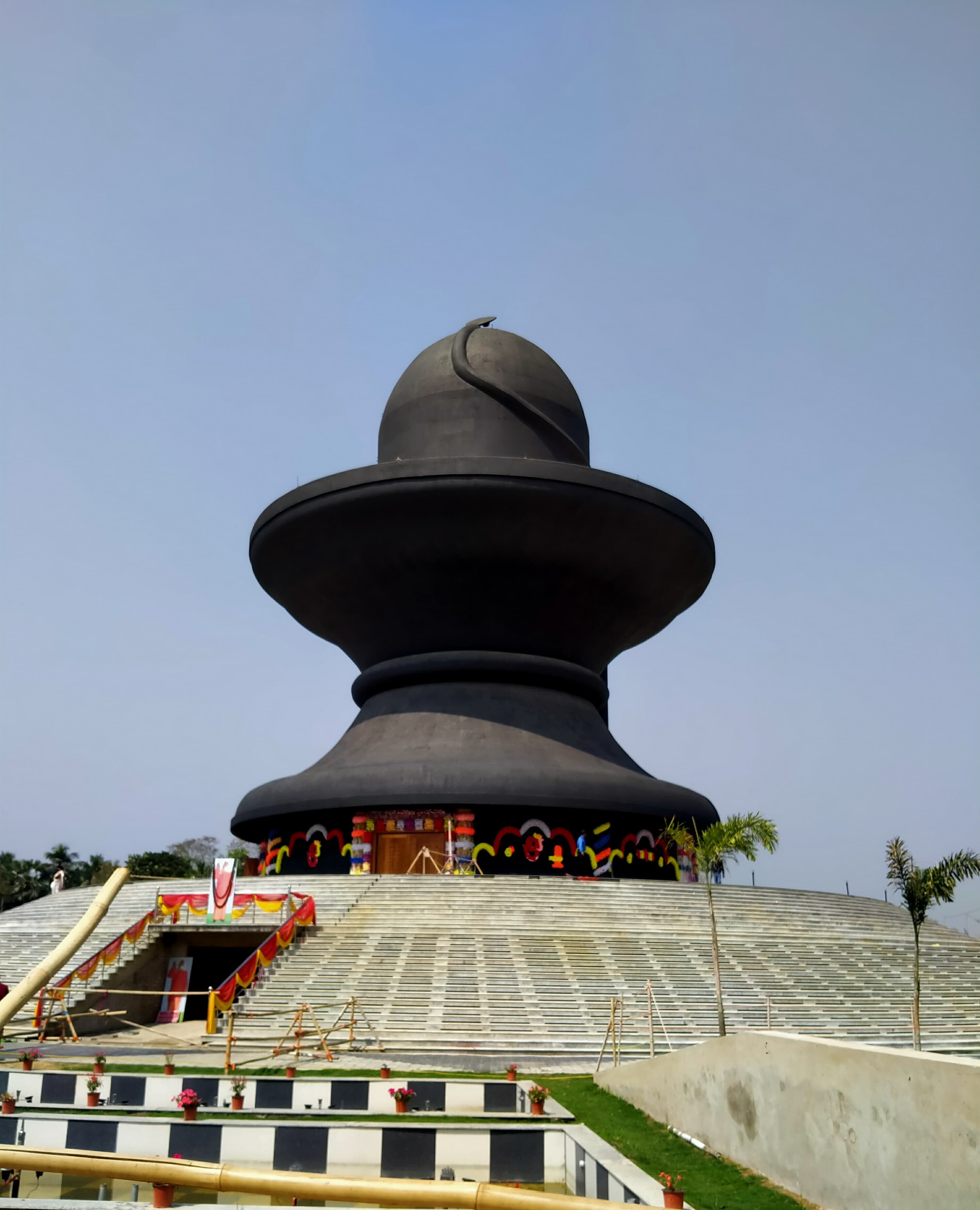
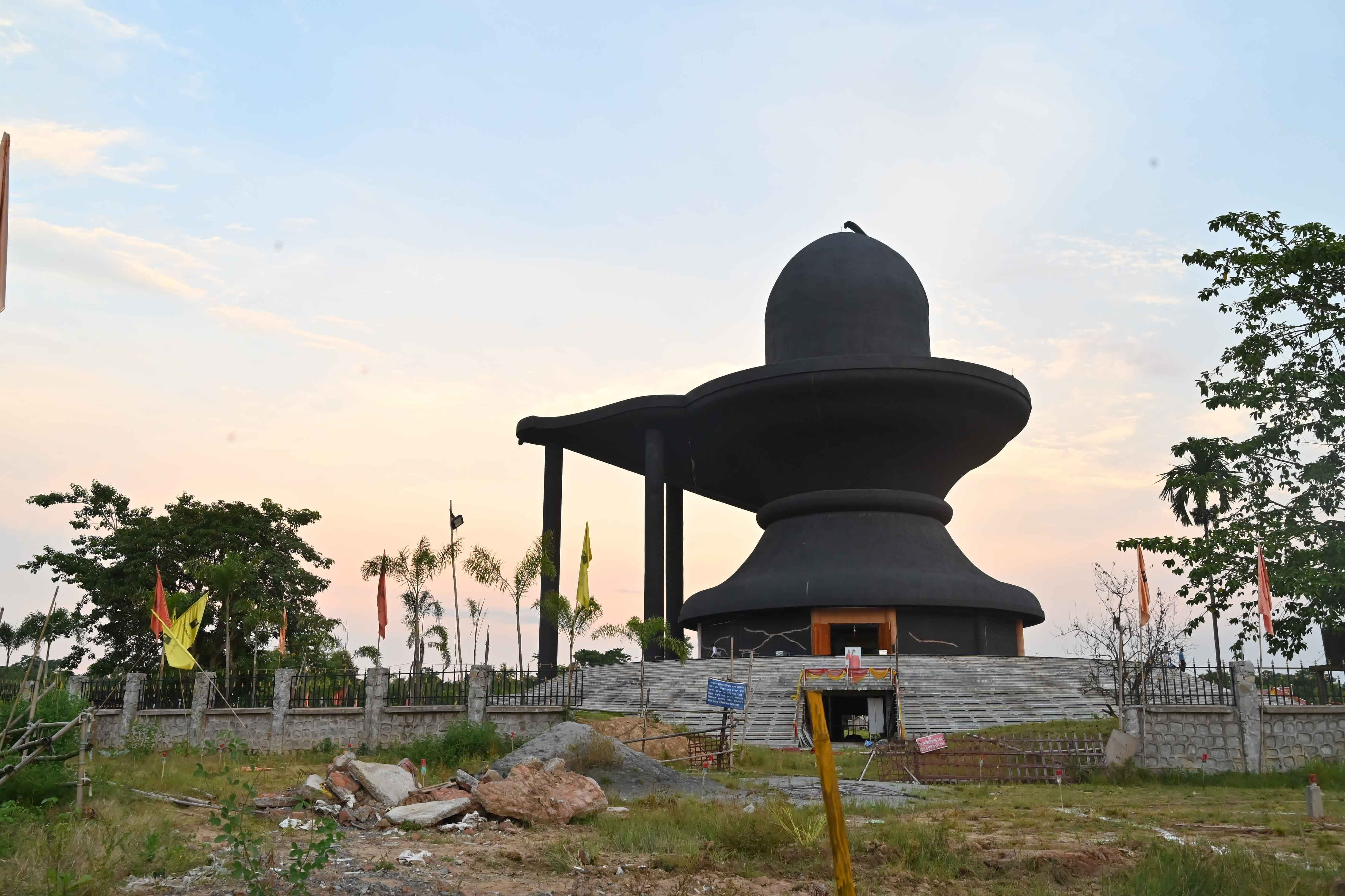
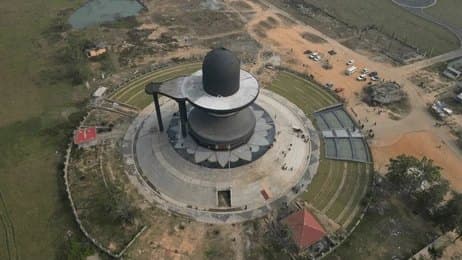
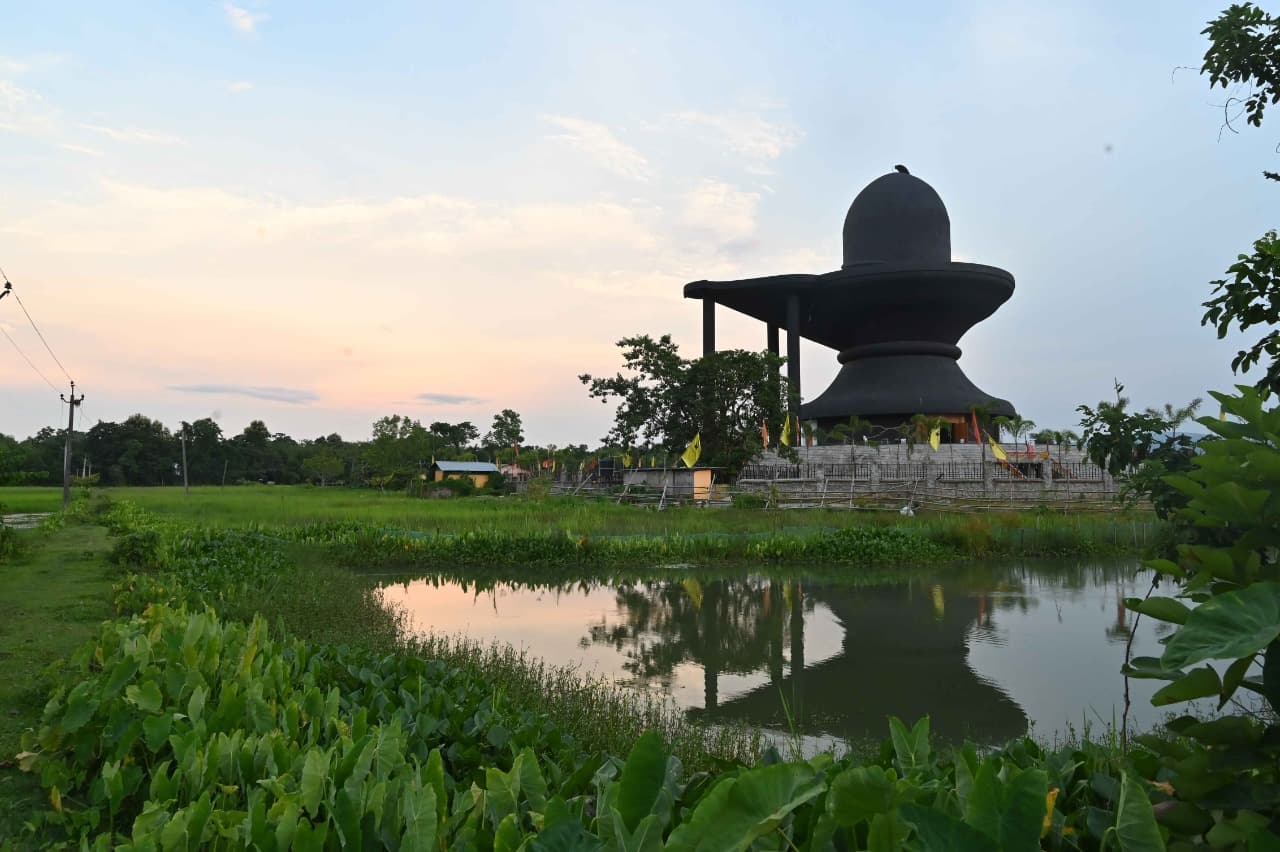
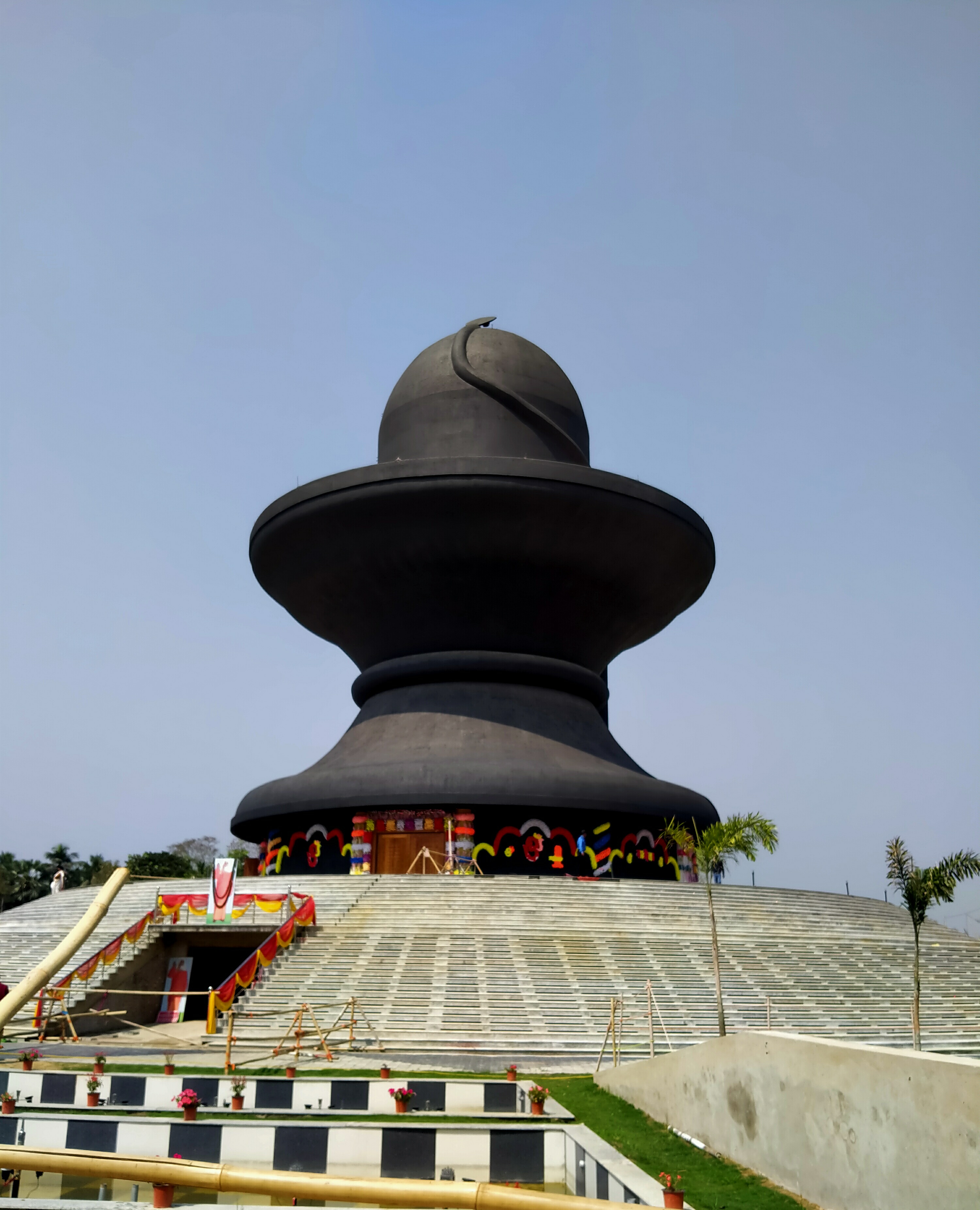
The temple's most striking aspect is its design as a Shivling itself. This approach transforms the entire building into a three-dimensional representation of the deity's symbolic form, creating a unified spiritual and architectural experience. Visitors do not simply approach a shrine containing a Shivling; they enter and move through the Shivling's form.
This architectural choice distinguishes Maha Mrityunjay Temple from conventional temple layouts and has established it as a notable landmark in Assam's religious landscape.
Daily Darshan and Worship
The temple operates on a two-session schedule. Morning darshan runs from 7:00 AM to 12:30 PM, followed by an afternoon closure. Evening darshan resumes from 1:30 PM to 8:00 PM. These timings accommodate devotees with varying schedules, though the sources do not specify the timing of formal rituals or auspicious hours for particular practices.
For a quieter, more contemplative experience, early morning hours from 7:00 AM onwards or late evening after 6:00 PM are preferable. During these periods, crowds are typically lighter, allowing for more focused worship and observation of the temple's architectural form.
Festivals and Celebrations
The temple observes several significant festivals throughout the year. Makar Sankranti in January, marking the sun's entry into Capricorn and celebrated as a harvest festival, brings special decoration and observance. Sharad Navaratri in October, the nine-night festival honoring the Goddess, is another major observance. Raksha Bandhan in August, celebrating the bond between siblings, is also marked at the temple. Additionally, Vasant Panchami in January is observed with worship of Saraswati and celebration of spring's onset, while Karwa Chauth in October involves fasting for a spouse's wellbeing.
On festival days, the temple becomes notably decorated and attracts larger crowds. Those seeking a festive atmosphere should plan visits around these observances, though visitors should expect busier conditions and may wish to confirm specific timings with the temple before traveling.
Visiting Practicalities
The temple is located in Nagaon, Assam, at coordinates 26.3430573°N, 92.7761271°E. These coordinates can be entered into mapping applications for route planning. Temples dedicated to Shiva typically expect modest dress; removing shoes before entering the sanctum is standard practice across Hindu temples. The sources do not provide details about parking, ablution facilities, or accommodation, so contacting the temple directly or checking locally upon arrival is advisable.
Visitors should allow time to appreciate both the spiritual significance of Shiva worship and the distinctive architectural expression of the Shivling form. Confirming festival timings with the temple before traveling ensures you experience worship schedules as they occur on significant observance days.
How to Reach
Maha Mrityunjay Temple is situated in Nagaon, a city in Assam. The precise coordinates (26.3431°N, 92.7761°E) enable navigation via GPS or online mapping services. The sources do not specify transportation options, distances from major cities, or local transit details, so consulting local travel resources or contacting the temple for directions is recommended when planning your journey.
How to reach
Temples near Maha Mrityunjay Temple

Bhairabi Temple
Bhairabi Temple, situated on Tezpur's outskirts in Assam's Sonitpur District, is an ancient shrine dedicated to the goddess Bhairabi. The current structure dates approximately 4…
Bharali Namghar
Bharali Namghar is a revered Neo-Vaishnavite prayer and cultural center in Hatbar, Nagaon, Assam, dedicated to the teachings of Srimanta Sankardeva. The sacred site features a d…
Mahabhairav Temple
Mahabhairav Temple is an ancient Shiva shrine perched on a hillock in northern Tezpur, Assam, traditionally attributed to King Bana's era and renovated in concrete during the Ah…
Hatimura Temple
Hatimura Temple is an ancient Shaktipith dedicated to Goddess Mahishamardini, built during the Ahom kingdom and situated on the banks of the Brahmaputra River in Assam.

Haleswar Temple
Haleswar Temple is an 18th-century Hindu shrine located 10 kilometers north of Tezpur in Assam's Sonitpur District, exemplifying the distinctive Nilachal architectural style of…
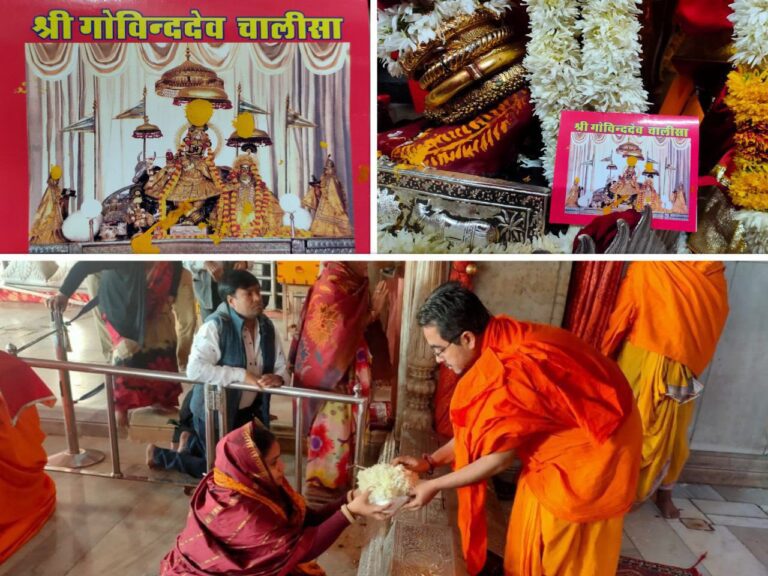
Govinda Temple, Hojai
Shri Govind Dev Ji Temple in Jaipur is a major Hindu shrine dedicated to Lord Govind Dev Ji and Radha, featuring eight daily darshan viewings and holding two Guinness World Reco…