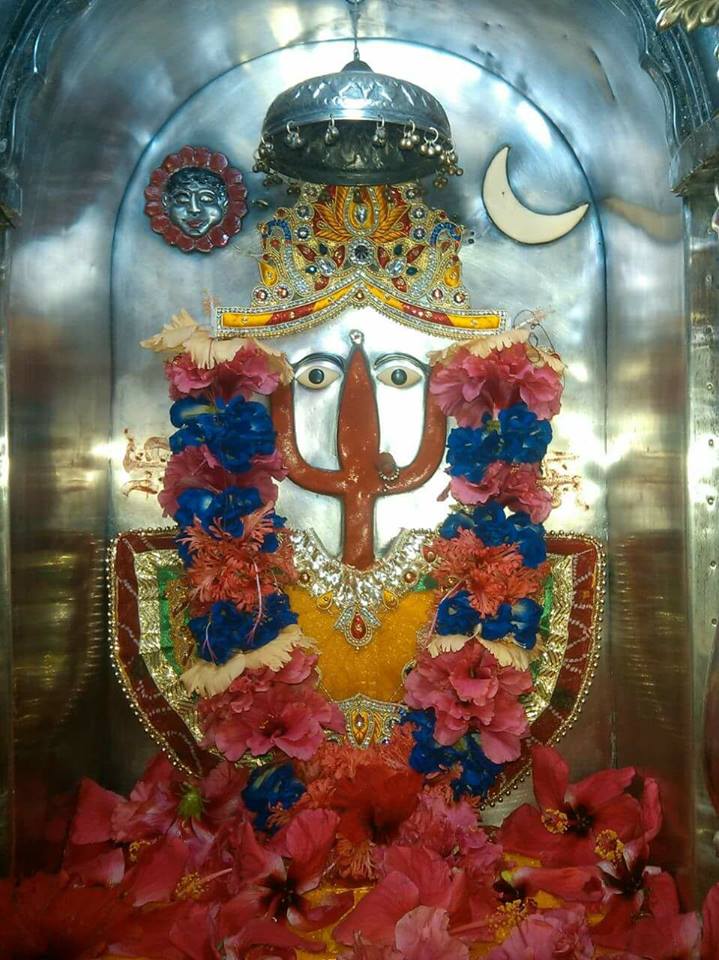
Mahabhairav Temple
About Mahabhairav Temple
According to local tradition, King Bana established this temple in ancient times. The original structure was constructed of stone, reflecting the building practices of its era. In more recent centuries, during the rule of the Ahom dynasty—particularly under kings of the Tungkhungia line—the temple received substantial patronage. These rulers granted land to the temple and appointed ritual specialists and administrators to maintain its operations, demonstrating the shrine's significance within the region's religious and social life. The temple has since undergone renovation, with the current structure built in concrete, adapting the ancient site to modern construction methods while preserving its sacred purpose.
Location and Access
The temple occupies a hillock position on Tezpur's northern side, at coordinates 26.63416667, 92.79638889. Tezpur is a town in Assam accessible by road and rail connections. The elevated location of the shrine means visitors should be prepared for a climb to reach the temple. Those planning a visit should confirm current access routes and any seasonal considerations affecting the hillock approach, as such details are not specified in available sources.
Worship and Daily Practice
As a Shiva temple, Mahabhairav follows the ritual patterns typical of Shaivite shrines in Assam. Temples dedicated to Shiva generally maintain daily worship cycles involving offerings, prayers, and the performance of rituals by appointed priests. The temple's historical appointment of pujaris—ritual specialists—and administrative staff suggests an organized structure for maintaining these observances. However, specific information about current daily timings, particular rituals performed, or the schedule for darshan (viewing of the deity) is not available from the sources provided. Visitors should inquire locally or contact the temple directly to learn about worship hours and any restrictions on entry.
Etiquette and Practical Considerations
Visitors to Hindu temples typically observe certain conventions: removing footwear before entering the sanctum, maintaining respectful behavior within the sacred space, and dressing modestly. Women may face restrictions during certain ritual times in some temples, though this varies by shrine and tradition. The hillock setting means the temple may be less accessible during heavy rains or adverse weather. Facilities such as parking, ablution areas, or refreshment options are not documented in available sources, so visitors should arrive prepared and inquire about amenities upon reaching the site. Photography policies and any restrictions on recording should be confirmed with temple authorities.
Visiting the Temple
Those traveling to Mahabhairav Temple should plan their visit with awareness that detailed visitor facilities and services are not documented. The hillock location requires physical mobility to reach the shrine. The best approach is to contact local tourism offices in Tezpur or seek guidance from residents familiar with the temple's current conditions and access. Visiting during daylight hours is advisable given the elevated terrain. Devotees may wish to time their visit to coincide with significant days in the Hindu calendar, though specific festivals observed at this particular temple are not recorded in available sources.
How to reach
Temples near Mahabhairav Temple

Bhairabi Temple
Bhairabi Temple, situated on Tezpur's outskirts in Assam's Sonitpur District, is an ancient shrine dedicated to the goddess Bhairabi. The current structure dates approximately 4…

Haleswar Temple
Haleswar Temple is an 18th-century Hindu shrine located 10 kilometers north of Tezpur in Assam's Sonitpur District, exemplifying the distinctive Nilachal architectural style of…
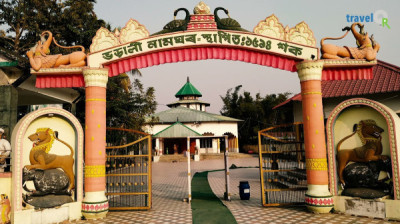
Bharali Namghar
Bharali Namghar is a revered Neo-Vaishnavite prayer and cultural center in Hatbar, Nagaon, Assam, dedicated to the teachings of Srimanta Sankardeva. The sacred site features a d…
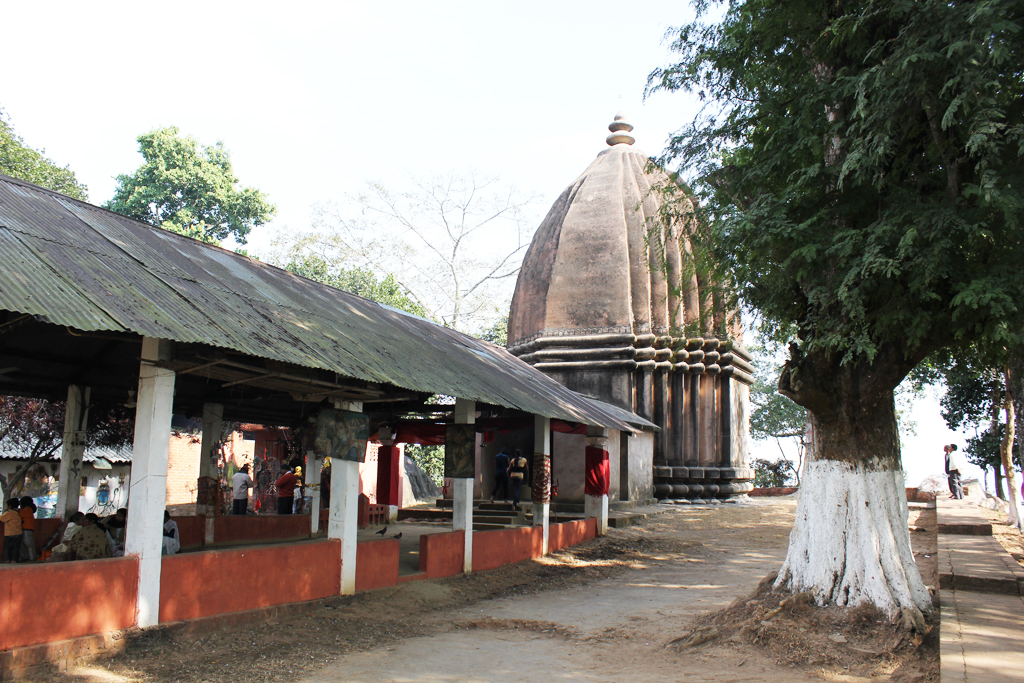
Hatimura Temple
Hatimura Temple is an ancient Shaktipith dedicated to Goddess Mahishamardini, built during the Ahom kingdom and situated on the banks of the Brahmaputra River in Assam.
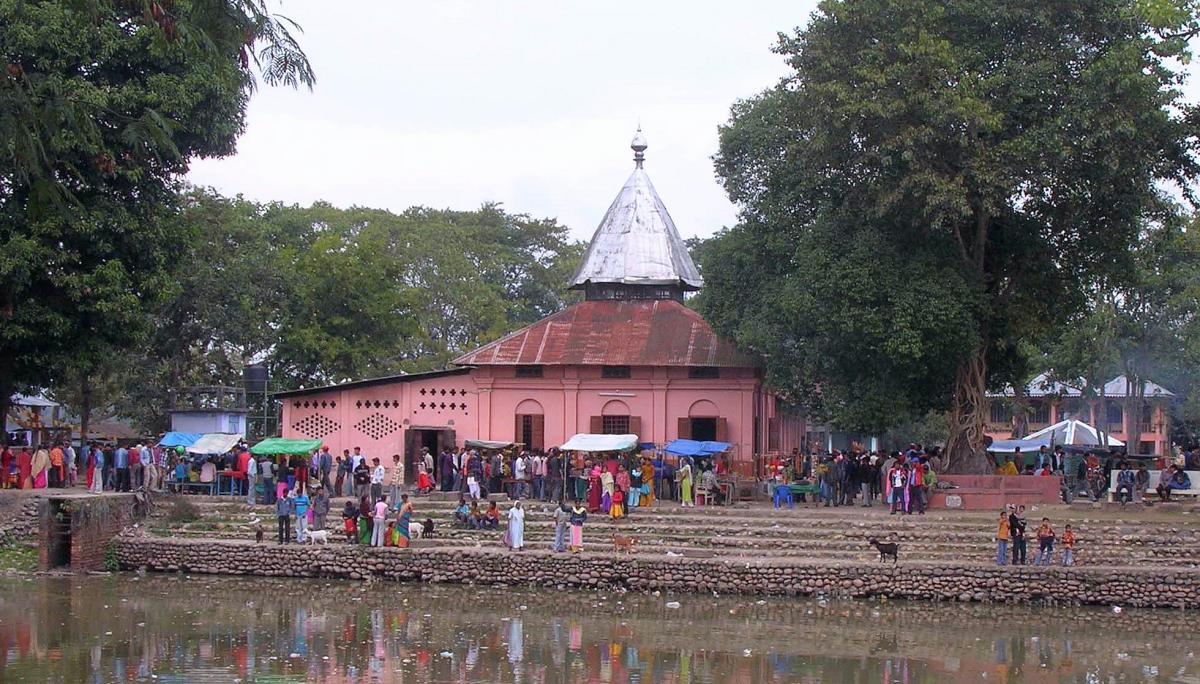
Nagsankar Mandir
Nagsankar Mandir is an ancient shrine in Sonitpur District, Assam, traditionally attributed to King Narasankar of Nagakha in the 4th century. The temple welcomes devotees throug…
Maha Mrityunjay Temple
Maha Mrityunjay Temple in Nagaon, Assam, is a distinctive Hindu shrine dedicated to Lord Shiva, renowned for housing the world's tallest Shivling at 126 feet, which forms the te…