


Bhairabi Temple
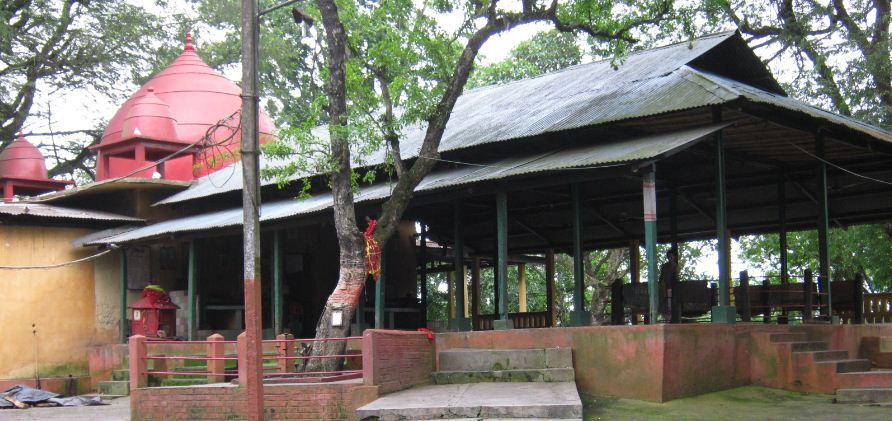
About Bhairabi Temple
The temple opens for darshan from 06:00 in the morning until 20:00 in the evening, allowing devotees flexibility in timing their visits throughout the day. Darshan—the viewing and receiving of blessings from the deity—forms the core of worship practice at Hindu temples. Visitors should plan their visit within these hours and be prepared for the possibility of crowds, particularly during festival periods.
Specific details about daily rituals, puja schedules, or particular ceremonies performed at the temple are not documented in available sources. Visitors interested in participating in or witnessing specific rituals are advised to inquire upon arrival or contact the temple directly for current information.
Major Festivals
The temple observes two significant festival periods that draw larger numbers of devotees. Navratri, the nine-day festival celebrating the goddess in her various forms, and Durga Puja, which typically follows, are major occasions at this shrine. These festivals align with the autumn season and represent peak times for pilgrimage to goddess temples across Assam and beyond. During these periods, the temple atmosphere intensifies with heightened worship, special ceremonies, and increased visitor numbers.
Best Time to Visit
The most favorable season for visiting Bhairabi Temple extends from October through March. This period offers cooler temperatures and more comfortable conditions for travel and outdoor exploration compared to Assam's hot and humid summer months. The timing also coincides with the major festival season, allowing visitors to experience the temple during its most vibrant periods if they wish, or to visit during quieter times within this window if they prefer a more contemplative experience.
Practical Information for Visitors
The temple is situated on the outskirts of Tezpur in Sonitpur District, Assam. Its coordinates are 26.6185, 92.819, which can be used for navigation purposes. Visitors should dress modestly and respectfully, as is customary at Hindu temples—typically covering shoulders and knees. Footwear is generally removed before entering the inner sanctum, though practices may vary; observe what other devotees do upon arrival.
The temple's location near the Brahmaputra River and on elevated terrain means visitors should be prepared for the natural environment. Bring water and sun protection, particularly during midday visits. Specific information about accommodation, food facilities, or other amenities at or near the temple is not available from current sources; visitors are advised to check locally or contact Tezpur's tourism office for such details.
Reaching the Temple
Tezpur is accessible by road, rail, and air. The town serves as a regional hub in Assam's northeast, with road connections to other parts of the state and neighboring regions. From Tezpur town center, the temple lies on the outskirts—local transportation or a short journey by vehicle will be necessary. Visitors arriving by train or air should arrange local transport to reach the temple site. Specific directions or distance information should be confirmed with local guides or tourism resources upon arrival in Tezpur.
How to reach
You may also visit
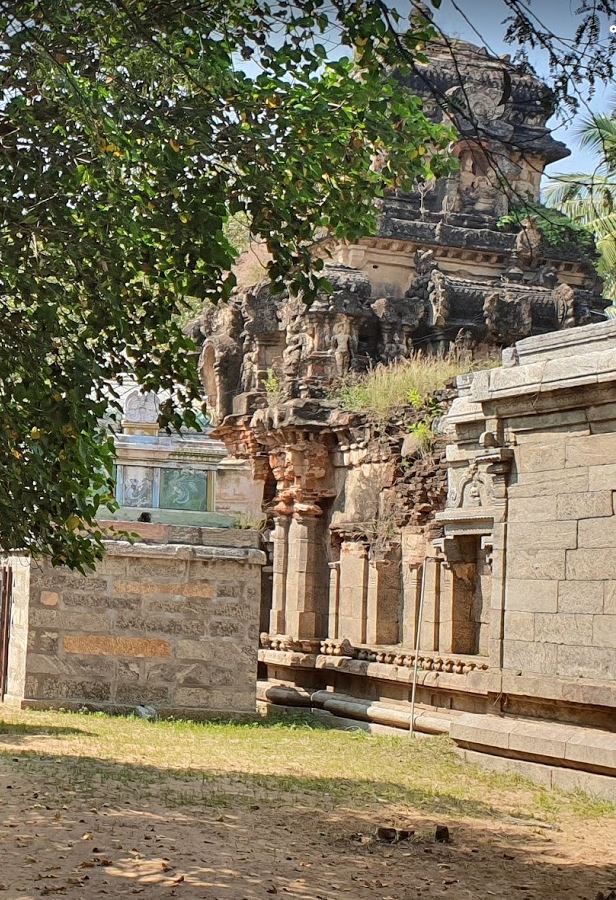
Agatheeswarar Temple, Karur
Agatheeswarar Temple in Thirumukkudalur, Karur district, is an ancient Hindu shrine dedicated to Shiva, situated at the sacred confluence of three rivers and believed to be over 1000 years old.
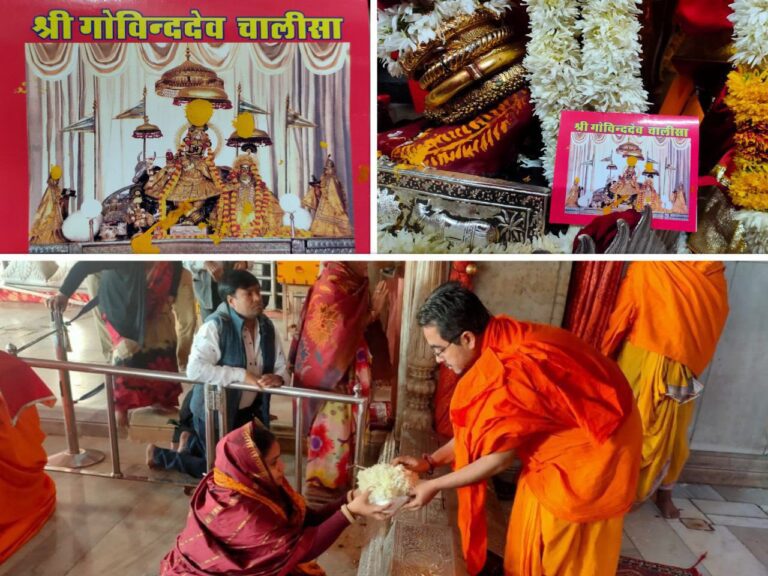
Kalyanji Temple
Kalyanji Temple in Jaipur's Chandpol Bazaar is an ancient Krishna shrine established in the 1820s, renowned for its seven daily aartis and special avatar darshan ceremonies during Akha Teej and Patottsav festivals.
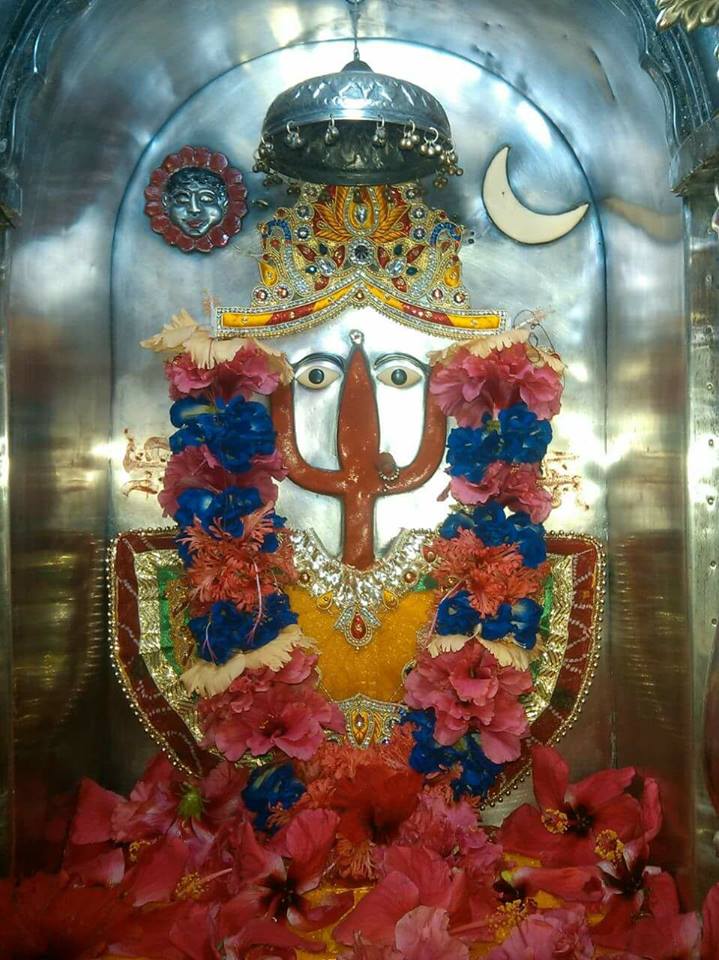
Rani Sati Mandir Mahuda
Rani Sati Mandir in Mahuda, Dhanbad District, is a Hindu temple established in 1992 that serves as a spiritual center for the local community and attracts devotees seeking blessings.