
Haleswar Temple
About Haleswar Temple
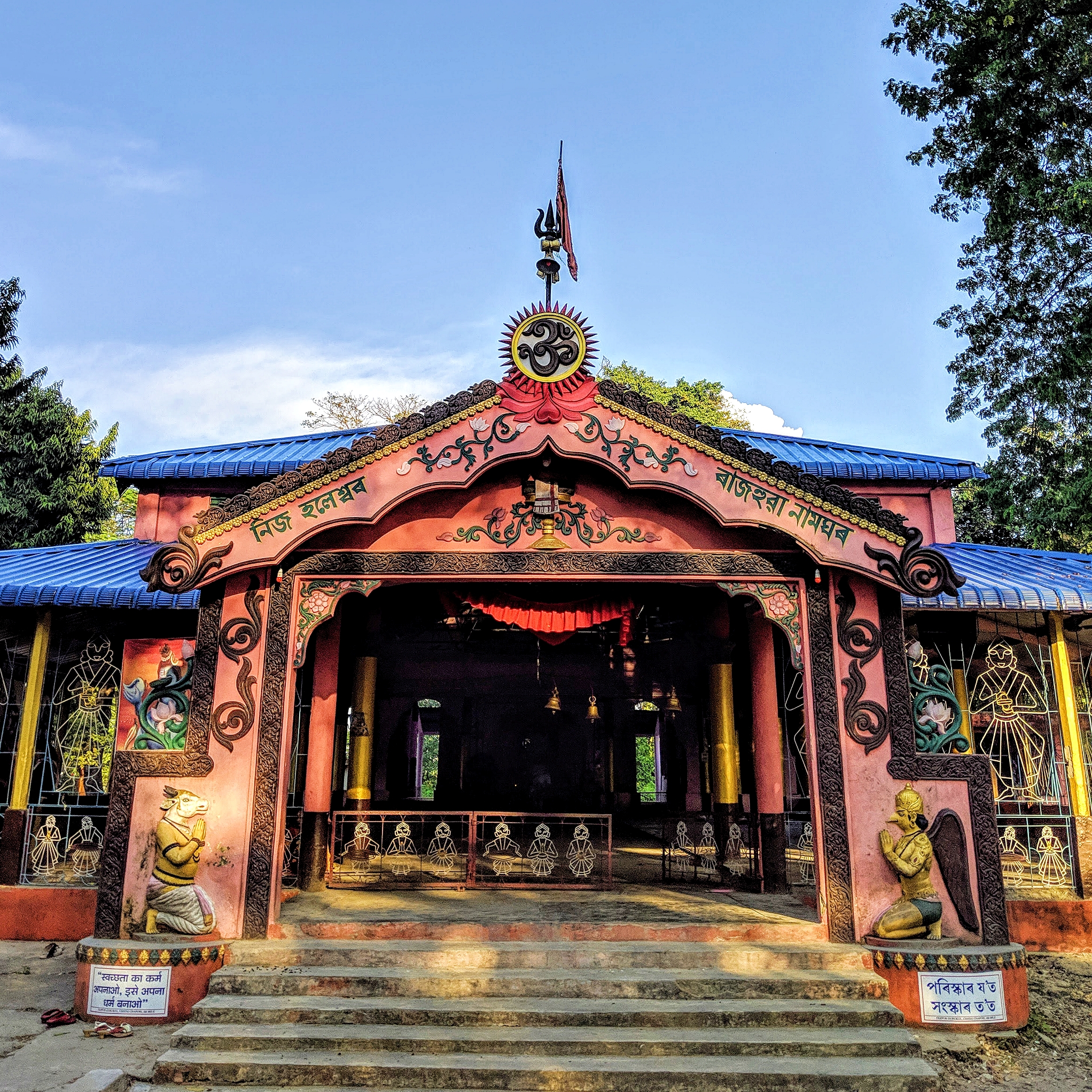
The temple exemplifies the Nilachal architectural style distinctive to Assam, a regional tradition that shapes how sacred space is conceived and constructed in this part of India. Located approximately 10 kilometers north of Tezpur in Sonitpur District, the temple sits within a landscape that has witnessed centuries of religious observance. The architectural choices—from the gopuram (temple tower) to the sanctum layout—reflect both the aesthetic preferences and the practical needs of worship in Assam's climate and cultural context. Visitors approaching the temple encounter these architectural features as expressions of the region's own spiritual heritage rather than imitations of styles from elsewhere in India.
Festivals and Pilgrimage Seasons
The temple observes three major festivals that draw devotees throughout the year. Raksha Bandhan in August brings worshippers seeking blessings around the bonds of kinship and protection. Sharad Navratri in September and October transforms the temple into a center of intense devotional activity, with nine nights dedicated to the divine feminine in its various forms. Dussehra in October follows, celebrating the victory of righteousness over chaos. These festivals represent the temple's busiest periods, when the site is elaborately decorated and the rhythm of worship intensifies. Visitors planning a pilgrimage should time their visit around these occasions if they wish to experience the temple's full ceremonial life, though they should confirm exact dates before traveling, as lunar calendars shift the timing year to year.
Visiting the Temple
The temple is located at coordinates 26.70826°N, 92.76744°E in Haleshwar village, Sonitpur District. Specific darshan and aarti timings should be confirmed directly with the temple before your visit, as schedules may vary seasonally and on festival days. As with most Hindu temples, visitors should dress modestly and remove footwear before entering the sanctum. The temple welcomes pilgrims of all backgrounds, though those unfamiliar with temple etiquette should observe how other worshippers conduct themselves—approaching the deity with quiet reverence, circumambulating clockwise around the sanctum if permitted, and accepting prasad (blessed food offerings) with the right hand. Photography policies vary; it is courteous to ask permission before photographing the deity or ritual activities.
Getting There
Tezpur, located 10 kilometers south of the temple, serves as the nearest significant town and transportation hub. Visitors traveling by road should use GPS coordinates or local directions to navigate to Haleshwar village. Those arriving by train can reach Tezpur railway station and arrange onward transport. The temple's location in rural Sonitpur District means that public transportation may be limited; hiring a taxi or arranging private transport from Tezpur is often the most practical approach. Allow time for the journey and plan to arrive during daylight hours if possible, particularly if visiting during festival seasons when roads may be busier.
How to reach
You may also visit
Kalyanji Temple
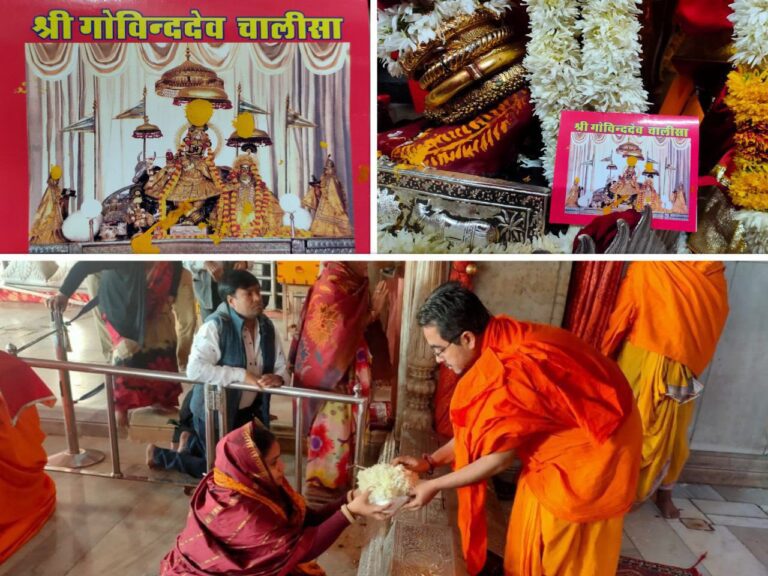
Kalyanji Temple in Jaipur's Chandpol Bazaar is approximately two centuries old and renowned for displaying the twenty-four avatars of Krishna, visible only twice yearly during Akha Teej and Patottsav festival.
Sastha (Ayyappan) Temple
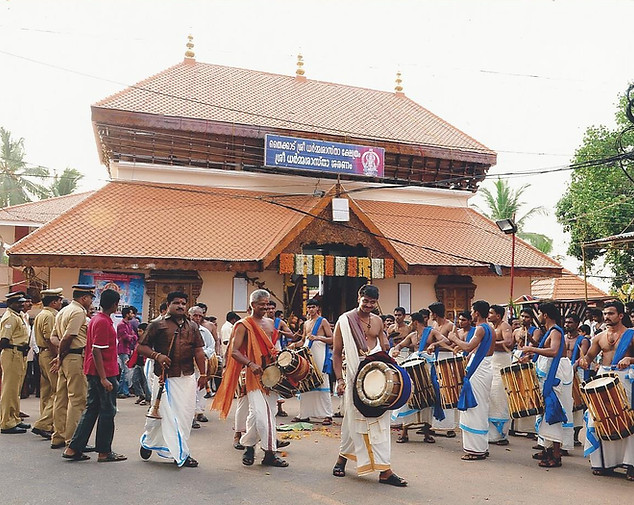
Sree Dharma Sastha Temple in Thycaud, Thiruvananthapuram, is a centuries-old shrine where the deity manifests as Dhanwanthari, the divine healer, holding the sacred blue lotus.
Govindarajaswamy Temple
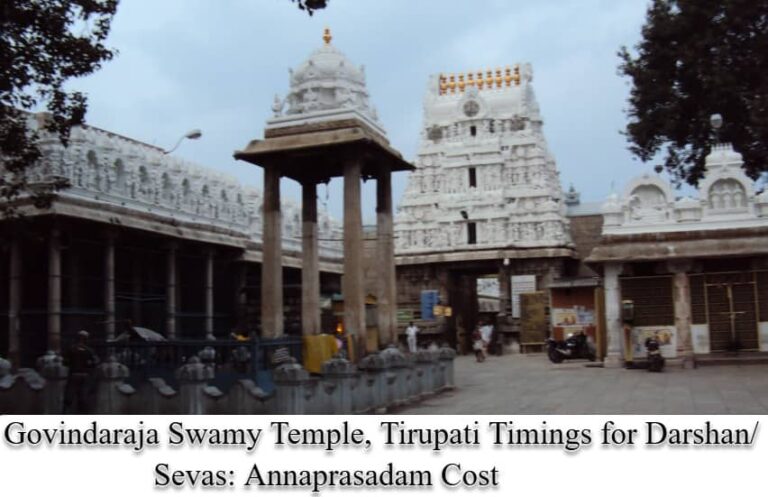
Sri Govindarajaswamy Temple in Tirupati is an ancient Vaishnavaite shrine consecrated in 1130 AD by Saint Ramanuja, where the presiding deity rests in eternal Yoga Nidra on the serpent Adisesha.