Amarnath Temple
About Amarnath Temple
The temple lies in Pahalgam tehsil of Anantnag district, approximately 72 kilometres from Anantnag town, 141 kilometres from Srinagar, and accessible via routes through either Sonamarg or Pahalgam. The remote mountain location and high altitude demand serious preparation from visitors. Those planning to visit should be in good physical condition, as the trek involves significant elevation gain and demanding mountain terrain. Appropriate cold-weather clothing is essential even during the summer season, when temperatures at this elevation remain cool. Accommodation and facilities near the temple itself are limited due to its isolated location; most pilgrims arrange lodging in nearby towns such as Pahalgam or Sonamarg, from which the final trek begins. It is advisable to book accommodation and arrange transport well in advance through established channels.
The Yatra Season: When to Visit
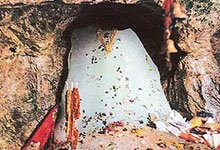
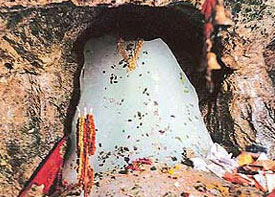
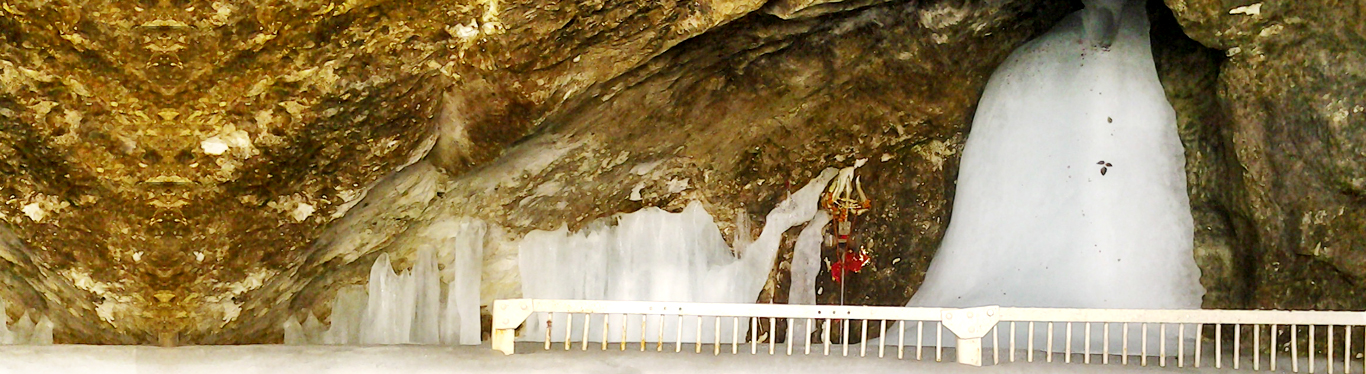
The optimal time to visit Amarnath is during July and August, when the Yatra season operates in full. During these months, the natural ice lingam becomes visible and accessible, and mountain passes remain open for pilgrimage. This seasonal window is brief and determined by snowmelt and high-altitude weather patterns. Outside this period, heavy snow and extreme conditions render the cave inaccessible. The concentrated pilgrimage season draws large numbers of devotees, so those planning a visit should align their journey with this established window and book arrangements well in advance. Visitors should confirm current conditions and accessibility before undertaking the journey, as mountain weather can shift unexpectedly.
Darshan and Daily Rituals
The temple observes two darshan periods each day: morning darshan from 06:00 to 12:00, and evening darshan from 16:00 to 21:00. Both morning and evening aartis (ritual worship ceremonies) are performed, though exact timings may vary with seasonal changes and festival schedules. The extended darshan windows reflect the demands of pilgrims travelling considerable distances, though actual availability depends on weather and accessibility conditions in the high Himalayan environment. Visitors should confirm current darshan and aarti timings directly with the temple before undertaking the journey, as mountain conditions and temple operations can shift. Those seeking assistance with darshan arrangements, transport, and logistical support should contact the temple office directly to ensure proper planning and access to official channels.
Practical Preparation for Pilgrims
Visitors to Amarnath should prepare for a demanding high-altitude pilgrimage. Physical fitness is essential, as the trek involves significant elevation gain and mountain terrain that requires stamina and acclimatisation. Cold-weather clothing appropriate for mountain conditions is necessary throughout the visit, even during the summer season. The remote location means that facilities and services are minimal near the shrine itself; pilgrims should arrange all supplies, accommodation, and transport before departure. Those unfamiliar with high-altitude trekking or mountain conditions should consider seeking guidance from experienced local coordinators or established pilgrimage organisers. The temple office can provide contact information and direct visitors to official channels for logistical support.
Temple Contact and Information
For current information about darshan timings, aarti schedules, accommodation options, and transport arrangements, visitors should contact the temple office directly at +91 92203 52244. Timings may vary on festival days, so confirmation before travelling is essential. The temple's location at coordinates 34.2167°N, 75.5167°E can be used for navigation purposes. Given the remote location and seasonal accessibility, advance planning is not optional but necessary for a successful pilgrimage.
How to reach


Temples near Amarnath Temple
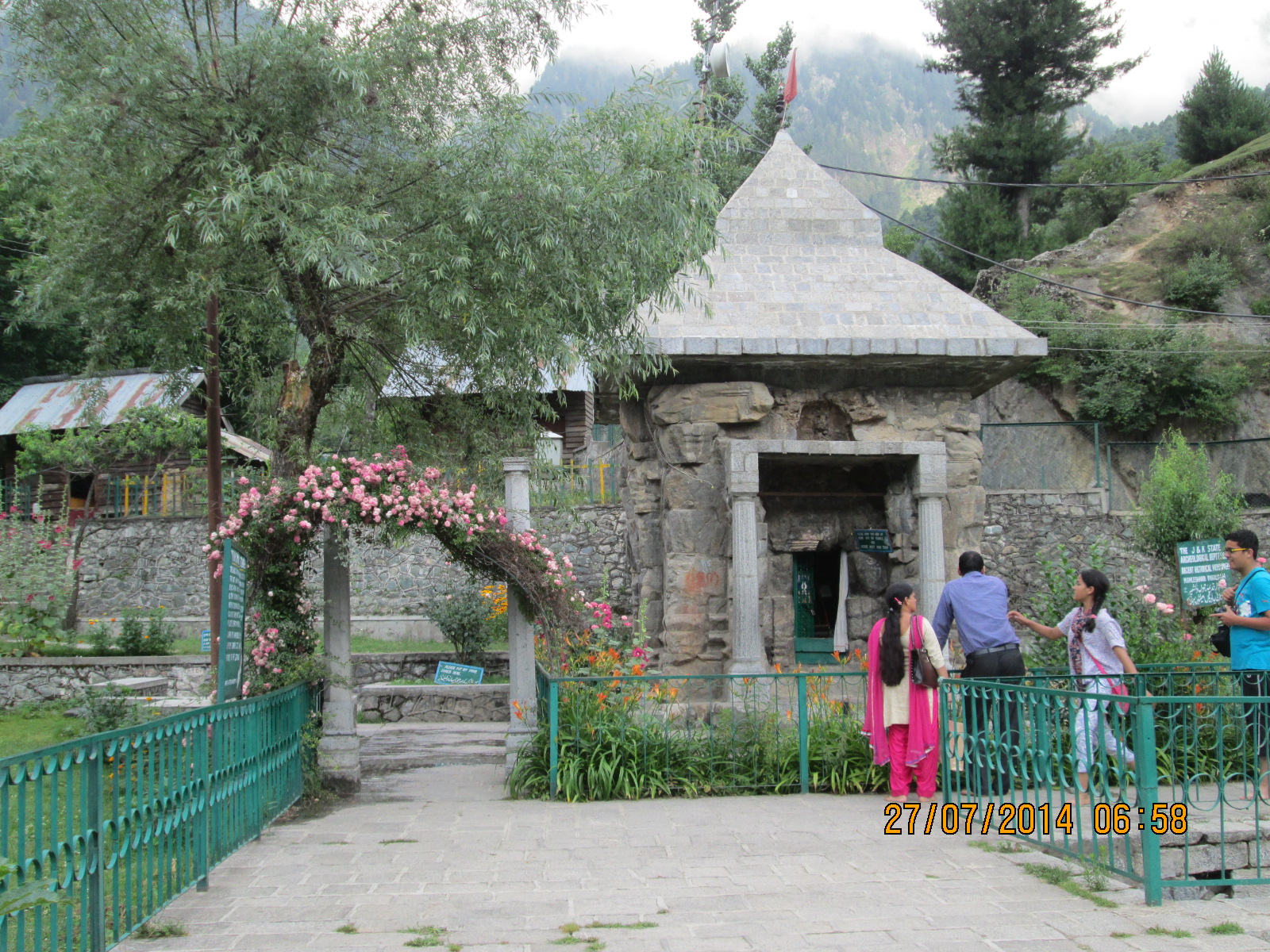
Mamal Temple
Mamal Temple, also known as Mamaleshwar Temple, is a Hindu shrine dedicated to Shiva located in Pahalgam, Kashmir Valley, perched at 2,200 metres on the banks of the Lidder Rive…
Wangath temple complex
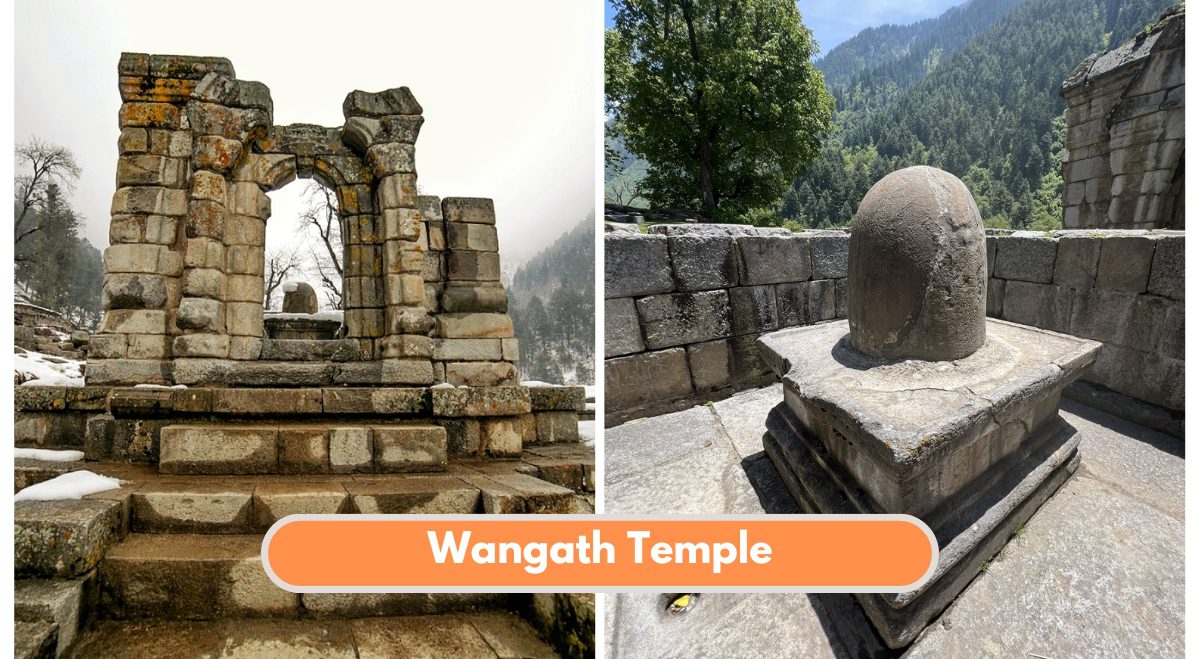
Wangath Temple Complex is an 8th-century Hindu shrine built by Karkota dynasty ruler Lalitaditya Muktapida, now preserved as archaeological ruins in Kashmir's Ganderbal district…
Jwala Ji Temple (Kashmir)
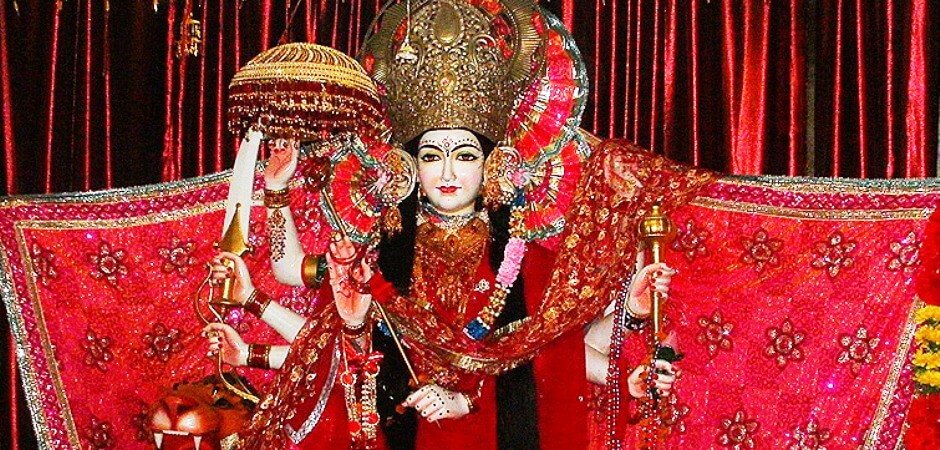
Jwala Ji Temple in Khrew, Pulwama, is a hilltop Hindu shrine dedicated to Goddess Jwala Ji, featuring a sacred spring and drawing pilgrims especially during the annual Jwalamukh…

Ancient Temple, Ladhoo
Ancient Temple, Ladhoo is a spring-fed shrine in Pulwama district, Kashmir Valley, believed to date to the 8th century CE. The primary deity remains undocumented in available so…
Avantiswami Temple
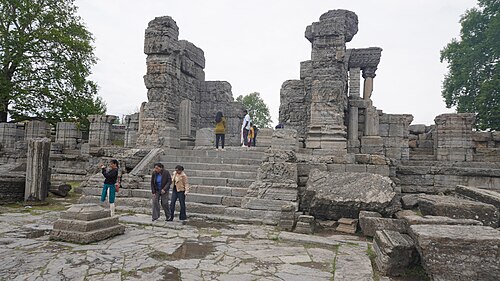
The Avantiswami Temple is a ruined 9th-century Hindu temple complex on the Jhelum River banks near Pulwama, Kashmir, originally comprising two shrines dedicated to Shiva and Vis…
Suriya Mandir Martand Tirth
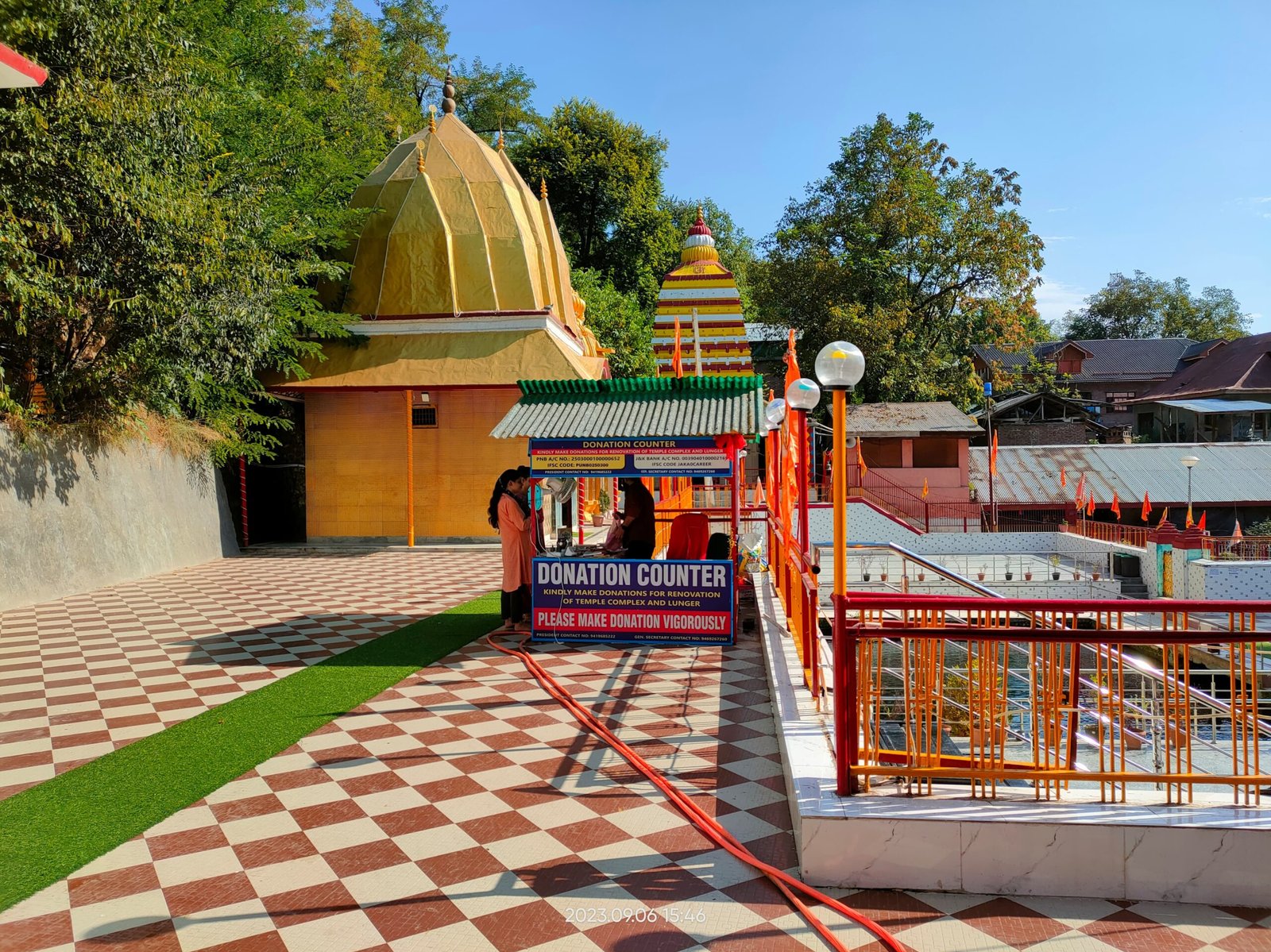
Martand Tirth is an ancient pilgrimage site in South Kashmir dedicated to Lord Martanda, featuring an 8th-century temple complex with magnificent architecture from the Karkota E…