Mallikarjuna Temple, Basaralu
About Mallikarjuna Temple, Basaralu
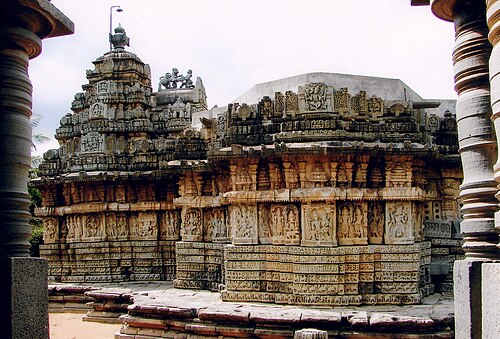
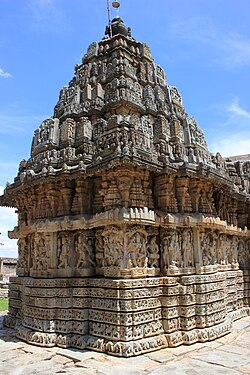
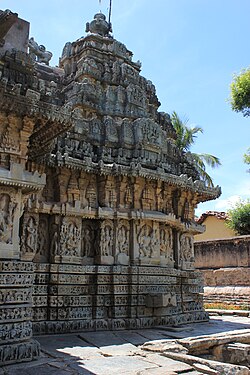
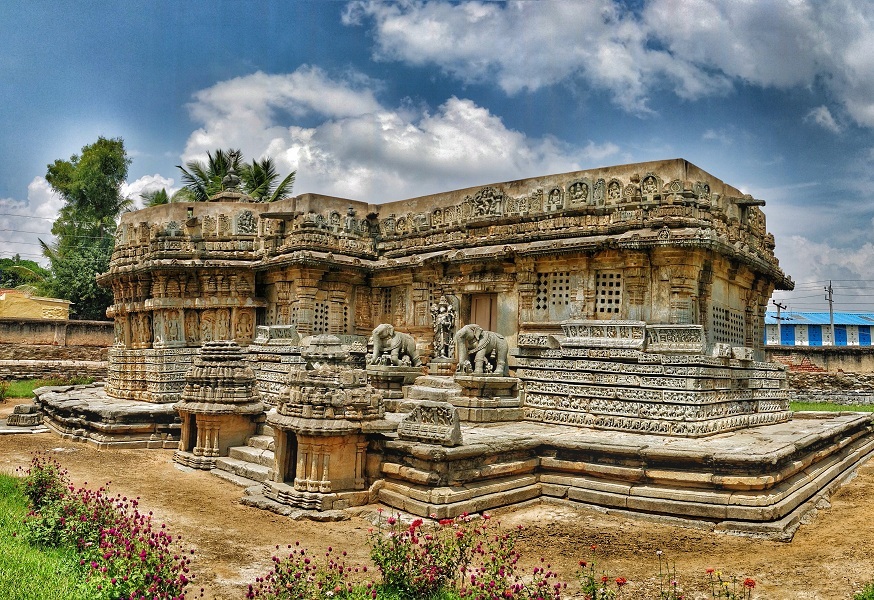
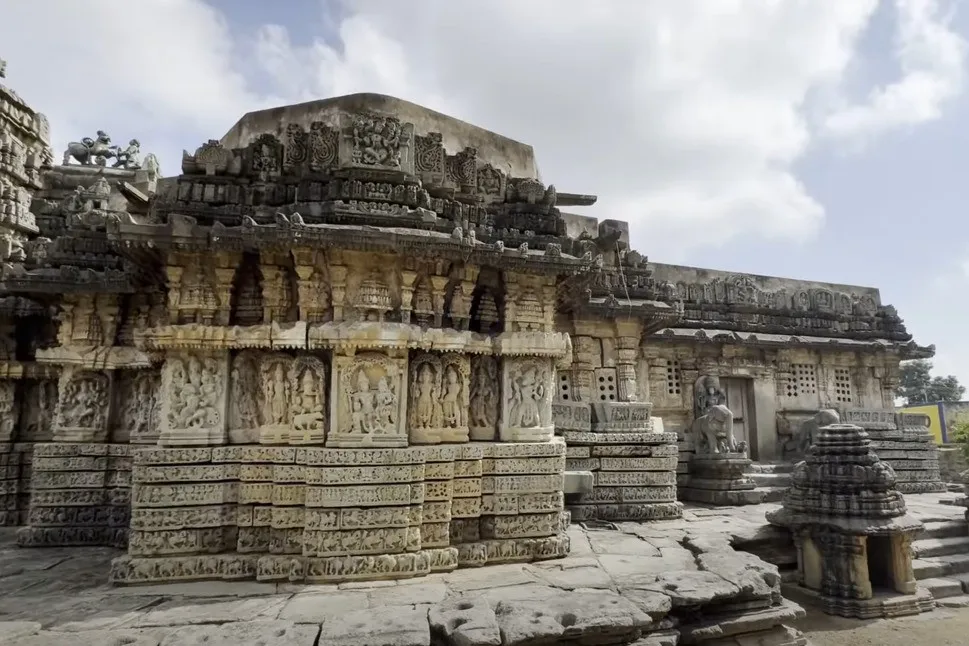
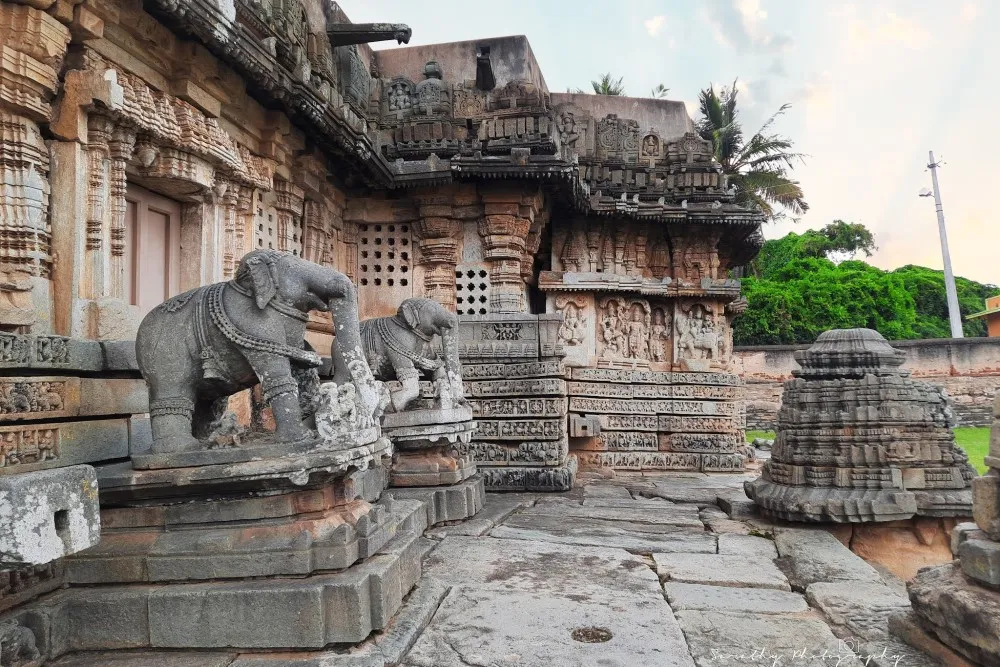
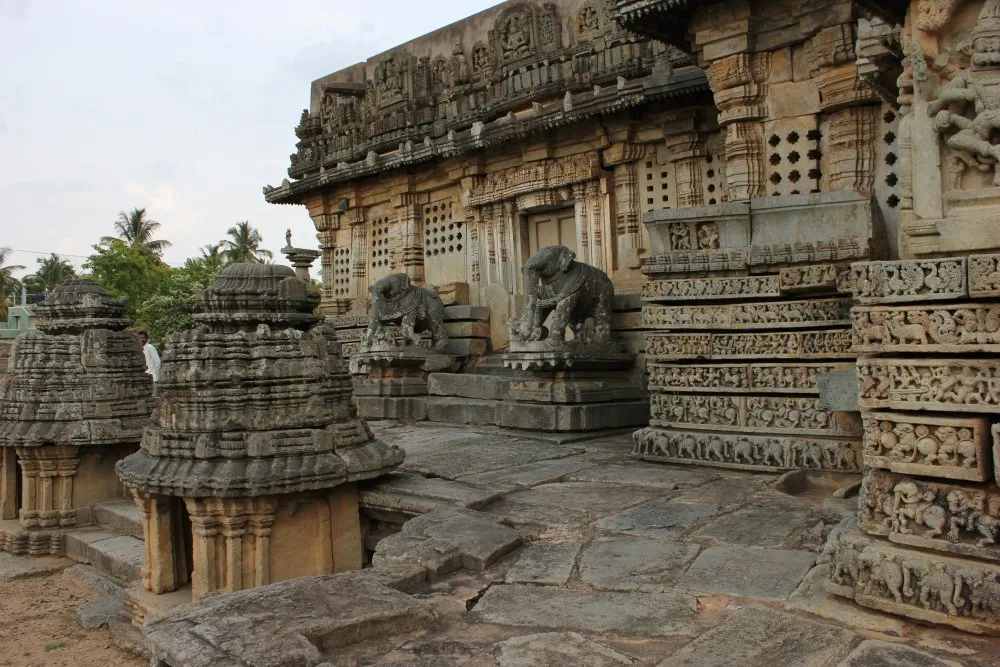
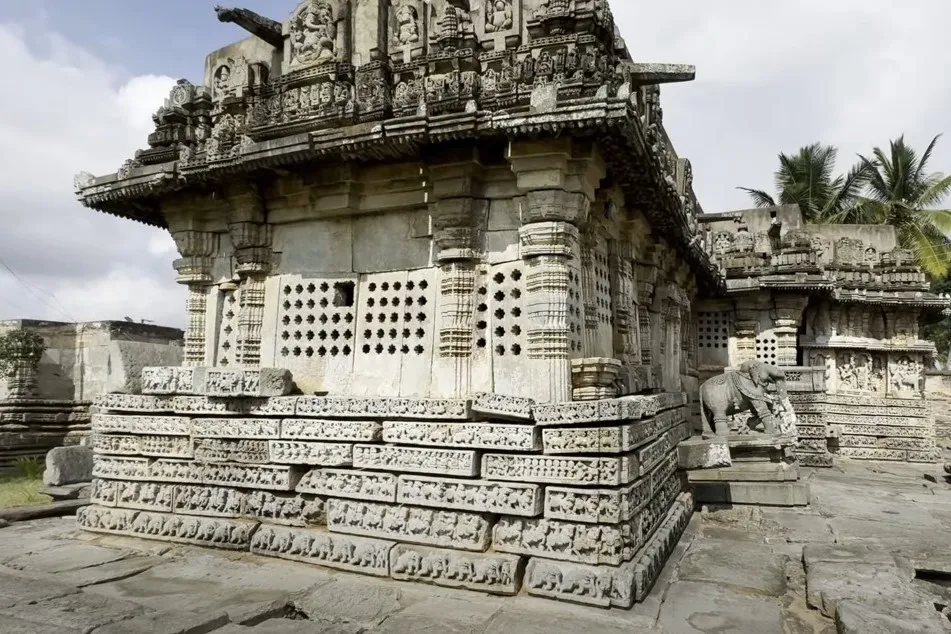
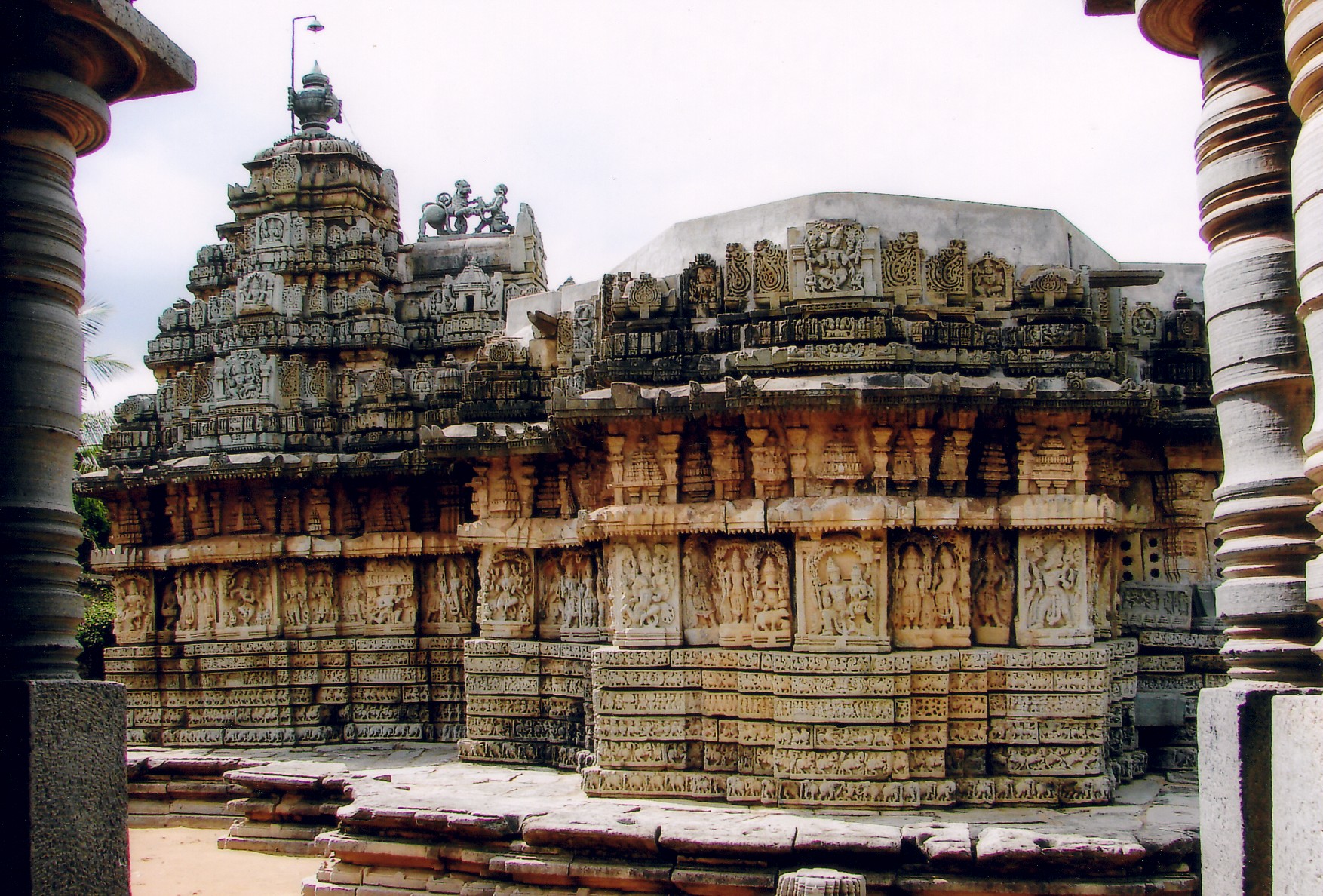
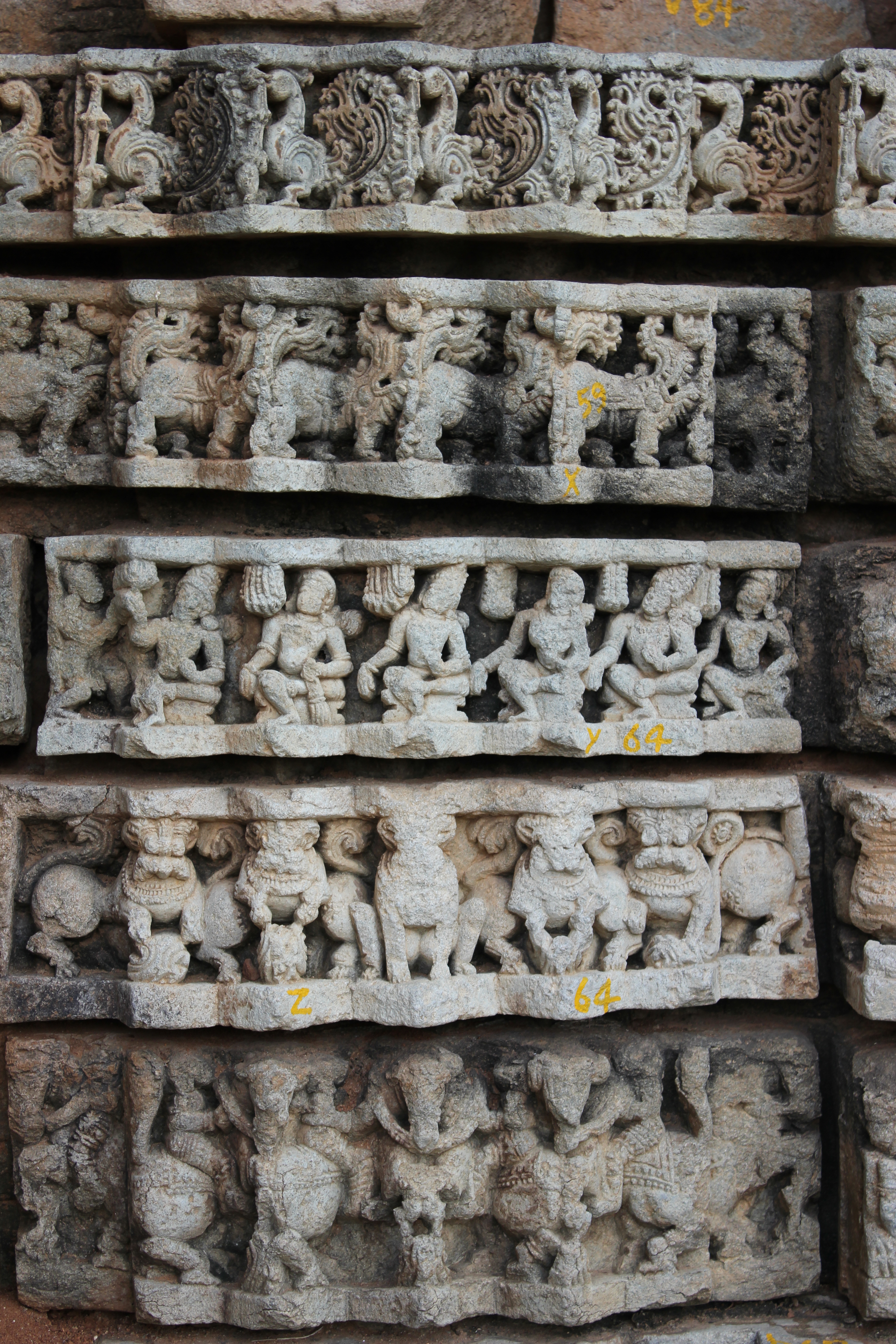
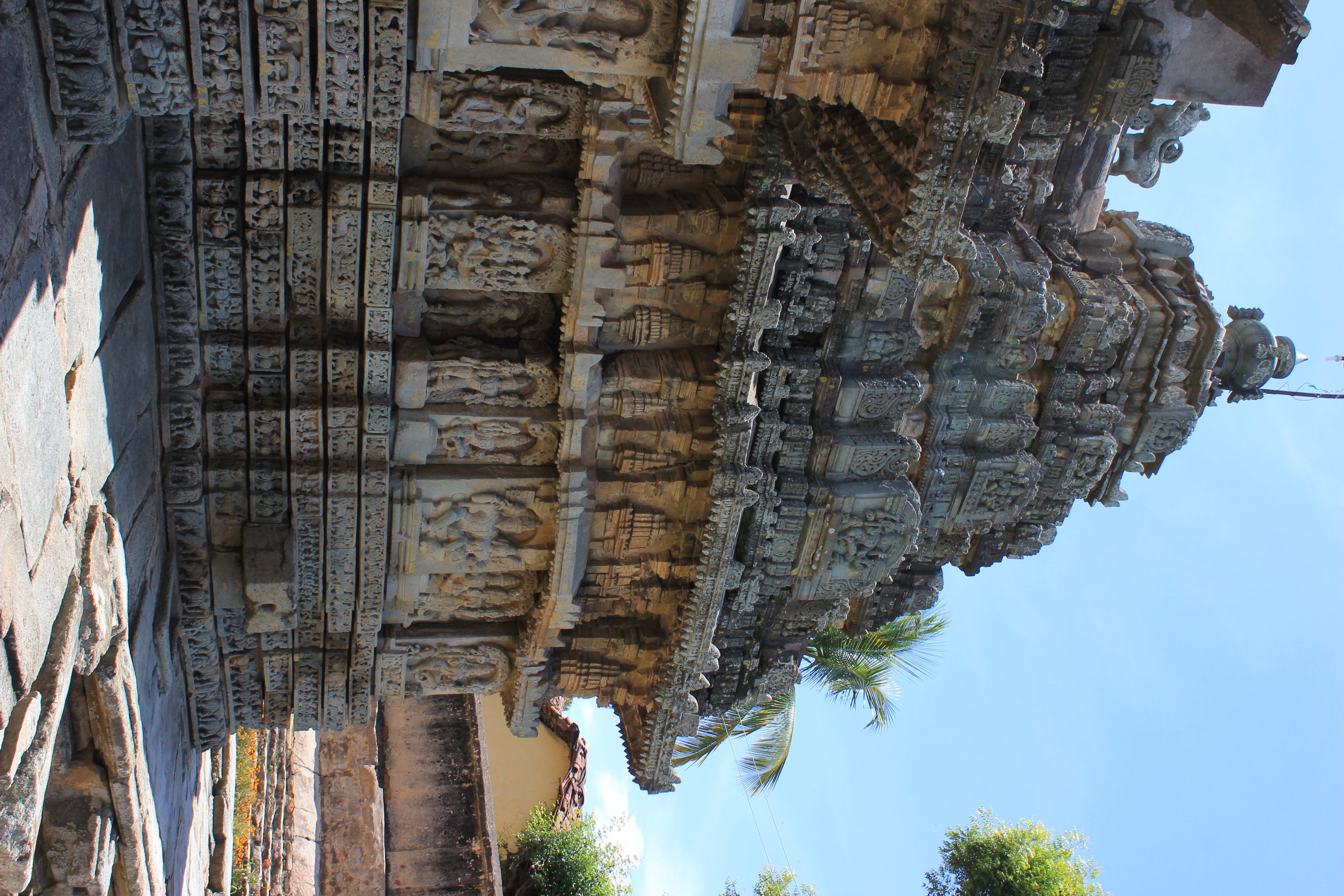
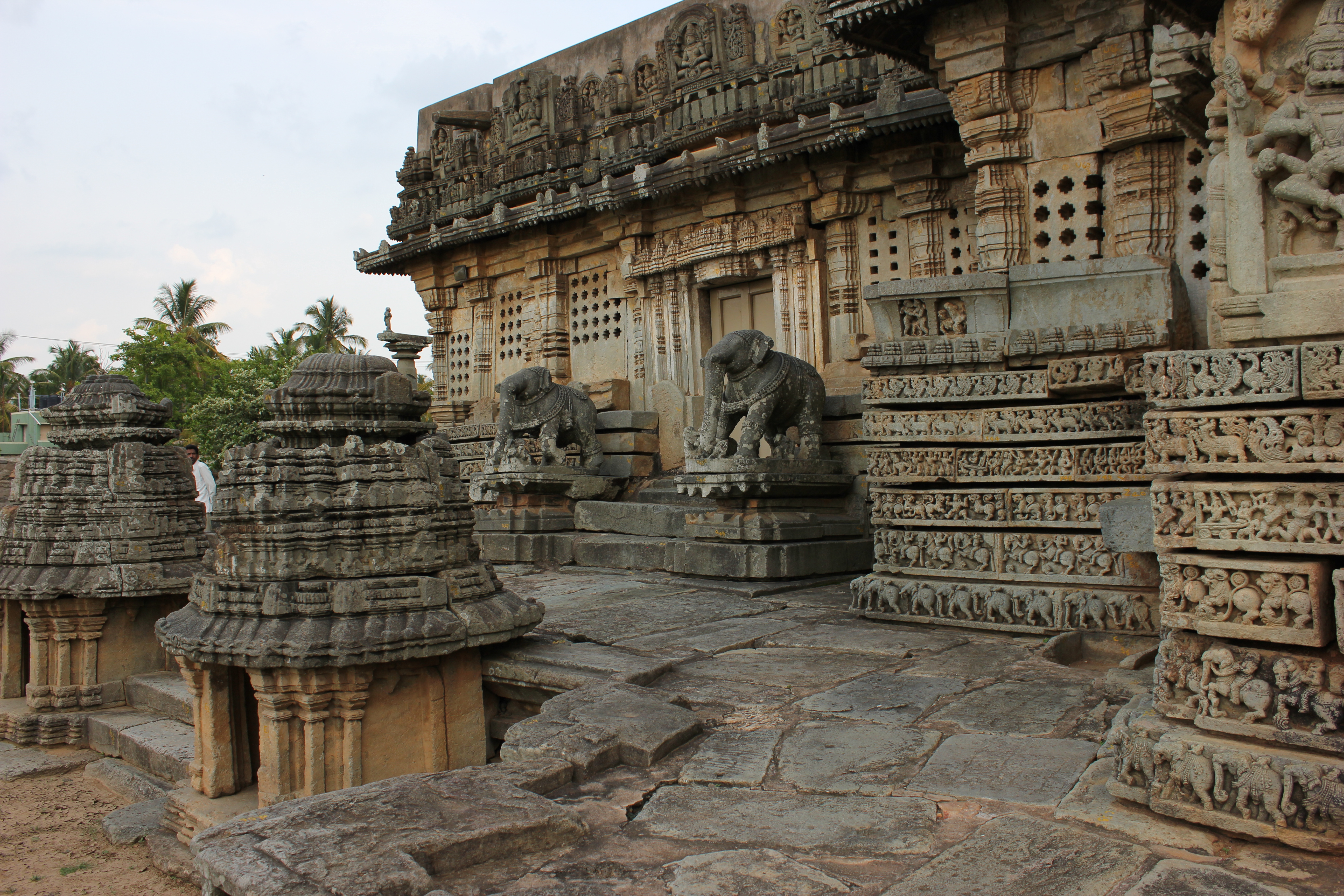
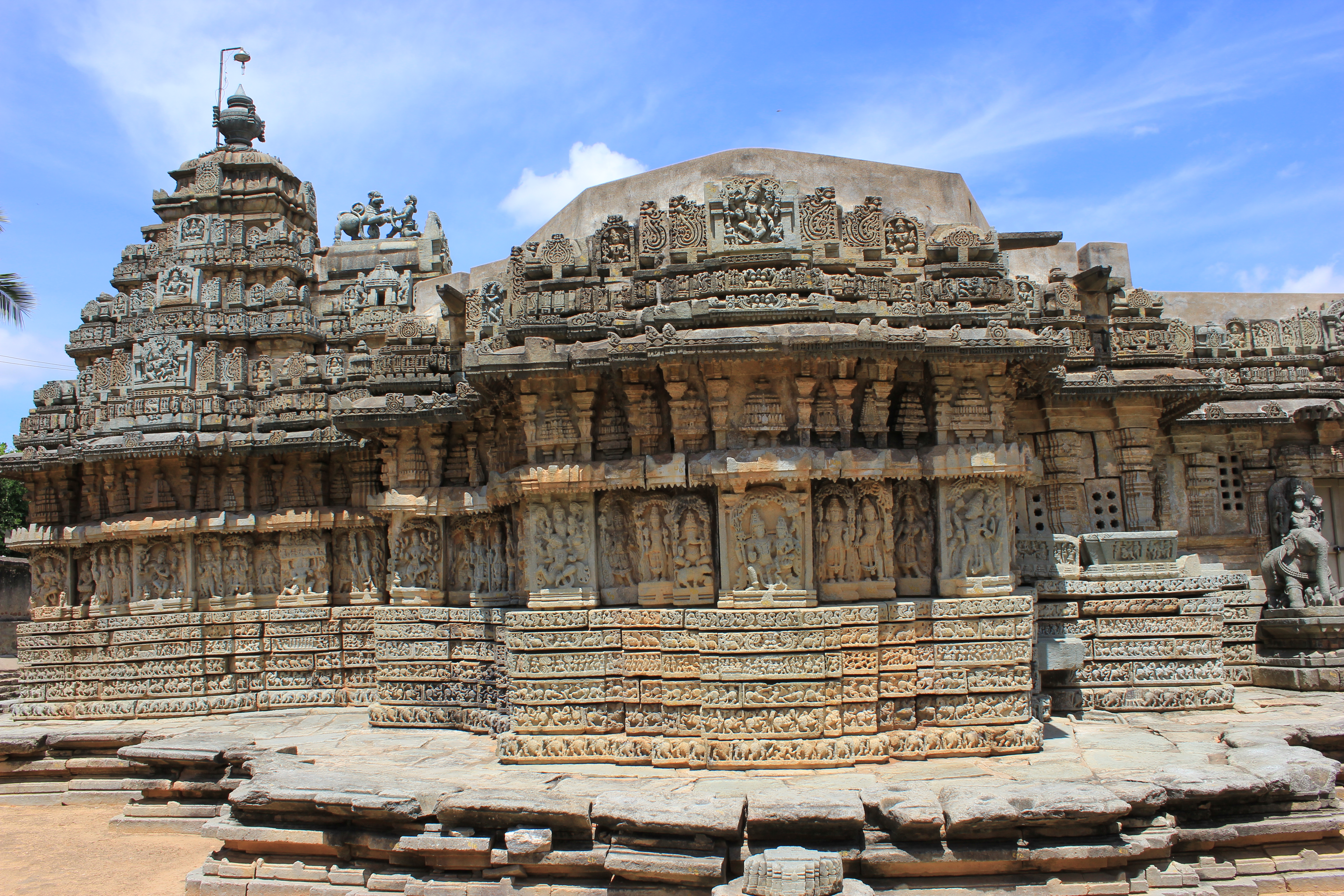
The temple exemplifies Hoysala architectural style, a distinctive tradition that flourished in Karnataka during the medieval period. Hoysala temples are characterised by intricate stone carving, precise geometric planning, and elaborate sculptural detail. The Mallikarjuna Temple's construction reflects the craftsmanship and aesthetic principles that defined this era of temple building. The structure itself serves as a record of 13th-century religious and architectural practice in the Deccan, offering visitors insight into how Shiva temples were conceived and built during the Hoysala period.
Visiting the Temple
The temple is located at coordinates 12.71022445, 76.81695623 in Basaralu, Mandya district, Karnataka. Visitors should dress modestly, as is customary at Hindu temples; remove footwear before entering the inner sanctum. The temple remains under ASI protection, which means certain areas may have restricted access or specific visiting protocols. It is advisable to check locally for current opening hours and any restrictions before planning a visit, as protected monuments sometimes have limited access periods for conservation purposes.
Reaching Basaralu
Basaralu is accessible by road from Mysore, approximately 65 kilometres away, and from Nagamangala. Those travelling by rail should plan accordingly, as the town is served by road connections rather than direct rail access. The journey from Mysore takes roughly two hours by car or bus. Local transport options within Mandya district can be used to reach the temple once in the area. Visitors are advised to confirm current road conditions and transport availability before travelling.
The Deity and Worship Tradition
Shiva is worshipped at this temple in his form as Mallikarjuna. In Hindu tradition, Shiva is understood as the supreme consciousness and is typically represented through the lingam, an abstract stone form. Temples dedicated to Shiva generally follow established patterns of worship involving ritual offerings, circumambulation of the sanctum, and observance of auspicious times. The specific rituals and daily worship practices at this temple would follow conventions established within the Shaivite tradition, though detailed information about current daily practices at Basaralu is not available from the sources provided.
Historical Significance
The temple's construction in 1234 CE places it within a significant period of South Indian temple building. The Hoysala Empire was known for its patronage of temple construction and religious institutions, and the commissioning of this temple by Harihara Dhannayaka reflects the religious and political priorities of that era. As a protected monument, the temple serves as a historical record of medieval Karnataka's cultural and spiritual life. Its preservation allows visitors and scholars to study the architectural and artistic practices of the 13th century.
Planning Your Visit
Visitors should allow adequate time to observe the temple's architectural details and sculptural elements. The ASI protection status means the site is maintained as a heritage monument; visitors should respect any signage or guidance from site staff. Photography policies may apply, so it is worth confirming these locally. The temple's location in a small town means that facilities such as accommodation and dining may be limited; visitors should plan accordingly and consider basing themselves in nearby larger towns such as Mysore or Nagamangala if extended stays are needed. Early morning visits are generally recommended for temple visits, as this is when worship is typically most active and the site is less crowded.
How to reach
Temples near Mallikarjuna Temple, Basaralu
Saumyakeshava Temple, Nagamangala
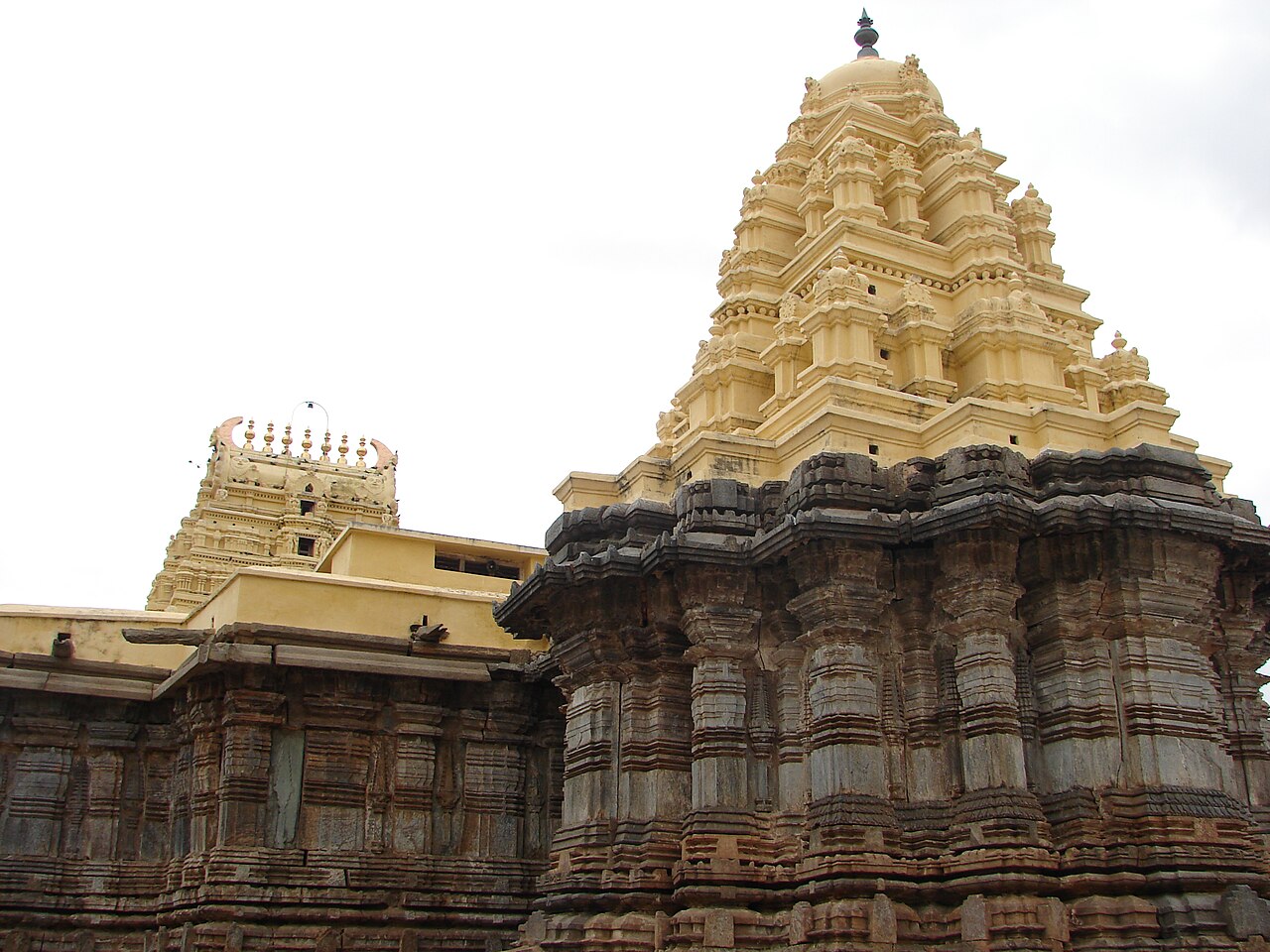
The Saumyakeshava Temple at Nagamangala is a 12th-century Hoysala-era shrine dedicated to Lord Kesava (Vishnu), built with soapstone and featuring distinctive star-shaped archit…

Nimishambha
Shri Nimishambha Devi Temple in Srirangapatna, Karnataka, is a riverside Shakti shrine dedicated to Goddess Nimishamba (an aspect of Parvati), revered among devotees for grantin…

Venugopala Swamy Temple
The Venugopala Swamy Temple at Hosa Kannambadi showcases 12th-century Hoysala architecture dedicated to Lord Krishna in his form as the divine flute player. Originally submerged…
Brahmeshvara Temple, Kikkeri
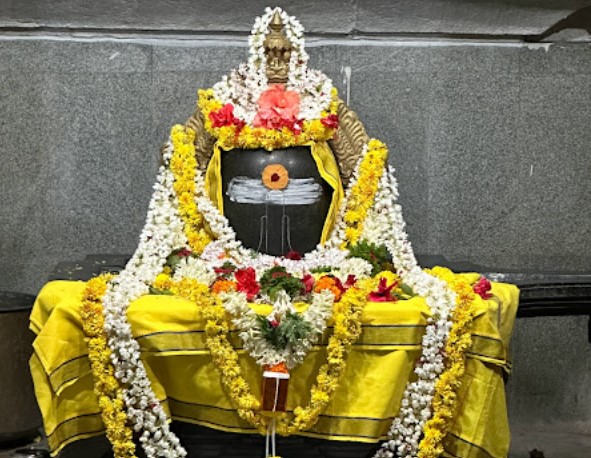
A 12th-century Hoysala-style temple dedicated to Shiva in Kikkeri village, Mandya district, Karnataka. Completed in 1171 AD, it integrates Shaivism, Vaishnavism, and Shaktism tr…
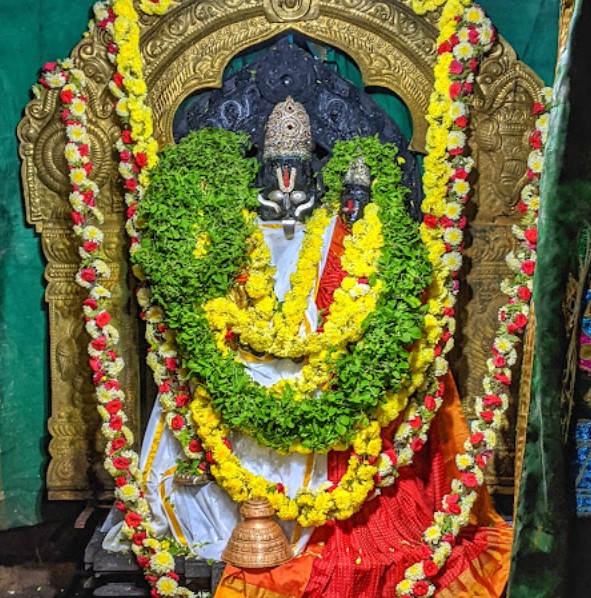
Lakshmi Narasimha Temple, Nuggehalli
A 13th-century Hoysala temple in Nuggehalli, Hassan district, housing three shrines dedicated to Keshava, Lakshmi Narasimha, and Venugopala. Built in 1246 CE, it stands as a Mon…
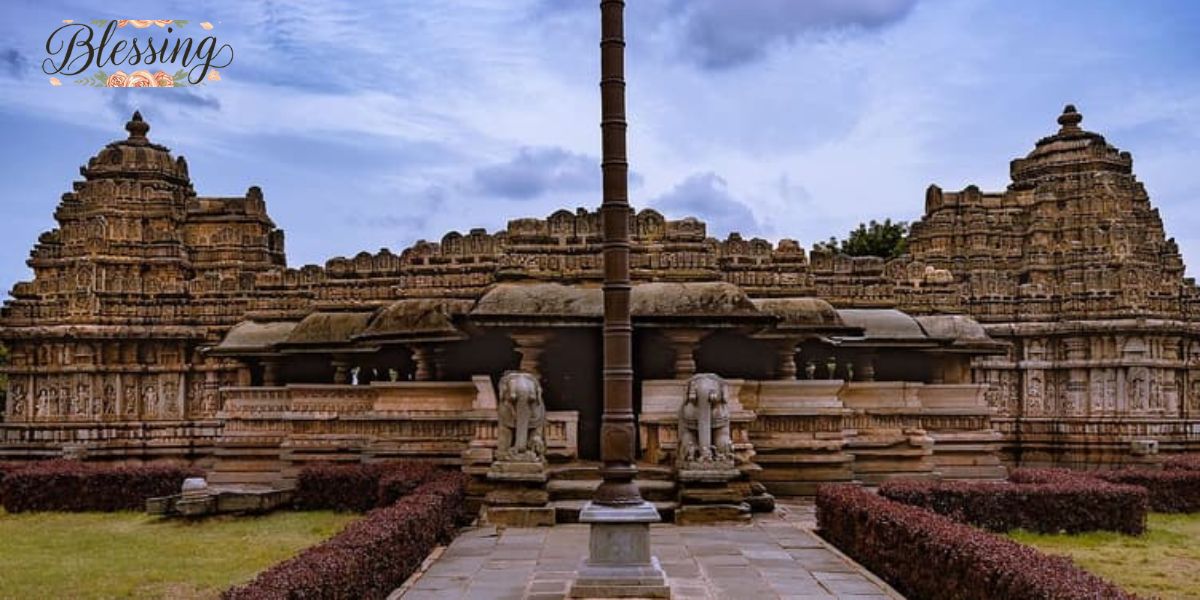
Chennakesava temple, Channarayapatna
Chennakeshava Temple in Belur is a UNESCO World Heritage Site commissioned by King Vishnuvardhana in 1117 CE, showcasing masterful Hoysala architecture completed over 103 years.…