


Venugopala Swamy Temple
About Venugopala Swamy Temple
The temple opens for darshan from 9:00 AM to 6:00 PM daily. Darshan—the opportunity to view and receive the blessings of the deity—forms the central devotional practice at Hindu temples. Visitors should plan their visit within these hours, allowing sufficient time to reach Hosa Kannambadi, which lies in a rural setting and requires advance travel arrangements. The temple's location away from major urban centers means that casual drop-in visits require more planning than temples in city areas.
Best Time to Visit
The cooler months from October through February offer the most comfortable conditions for visiting. During these months, Karnataka's climate remains mild compared to the intense heat of the summer season. Visitors planning a journey to this rural temple should take climate into account, as the journey itself may involve travel through open areas without substantial shade or cooling facilities. The dry season also typically provides better road conditions for reaching the temple.
Visitor Conduct and Etiquette
Visitors to Hindu temples should dress modestly, covering shoulders and knees as a sign of respect for the sacred space. Footwear is typically removed before entering the inner sanctum, though specific practices may vary—observing what other devotees do upon arrival provides practical guidance. Photography policies differ among temples; it is courteous to ask permission before photographing the deity or inner sanctum areas. Temple staff may provide instructions regarding movement through the space or participation in rituals; following these directions respectfully maintains the sanctity of the worship space for all visitors.
Temples in the South Indian tradition typically request that visitors maintain a respectful demeanor throughout their time on the grounds. Offerings such as flowers or coconuts may be available for purchase at the temple, though availability should be confirmed upon arrival. In many South Indian temples following traditional practice, menstruating women are not permitted in the inner sanctum; visitors uncertain about specific customs at this temple should inquire respectfully with temple staff upon arrival.
Location and Access
The temple is situated at coordinates 12.44444444, 76.56777778 in Hosa Kannambadi, near Krishna Raja Sagara in Karnataka. The rural location requires that visitors arrange transportation in advance. Those traveling by vehicle should confirm road conditions and fuel availability before departing, as the temple's distance from major towns means that services may be limited along the route. Local inquiry about the best approach route is advisable, particularly during monsoon seasons when rural roads may be affected by weather.
About the Deity
Lord Krishna in his form as Venugopala—the divine flute player—represents one of the most beloved aspects of Krishna worship in Hindu tradition. The flute, central to Krishna's iconography, symbolizes divine attraction and the call of the divine to the human soul. Temples dedicated to Venugopala typically emphasize Krishna's pastoral and devotional dimensions rather than his role as warrior or statesman. The choice of this particular form for the temple reflects the spiritual sensibilities of 12th-century Karnataka and the enduring appeal of Krishna devotion in the region.
How to reach
You may also visit
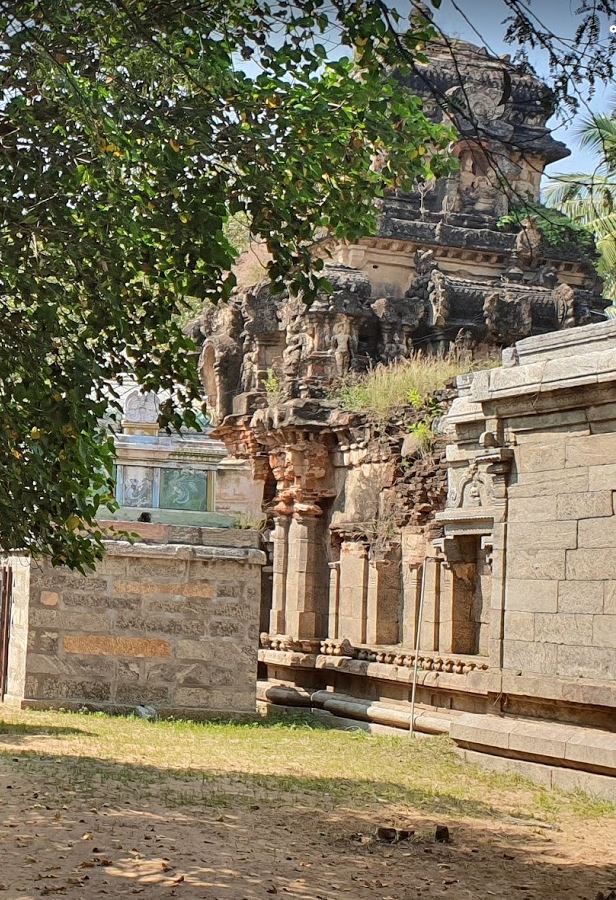
Agatheeswarar Temple, Karur
Agatheeswarar Temple in Thirumukkudalur, Karur district, is an ancient Hindu shrine dedicated to Shiva, situated at the sacred confluence of three rivers and believed to be over 1000 years old.
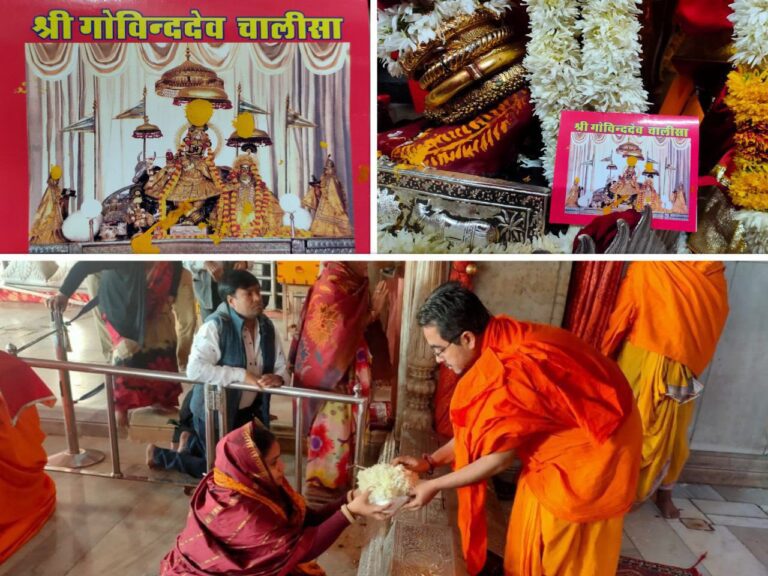
Kalyanji Temple
Kalyanji Temple in Jaipur's Chandpol Bazaar is an ancient Krishna shrine established in the 1820s, renowned for its seven daily aartis and special avatar darshan ceremonies during Akha Teej and Patottsav festivals.
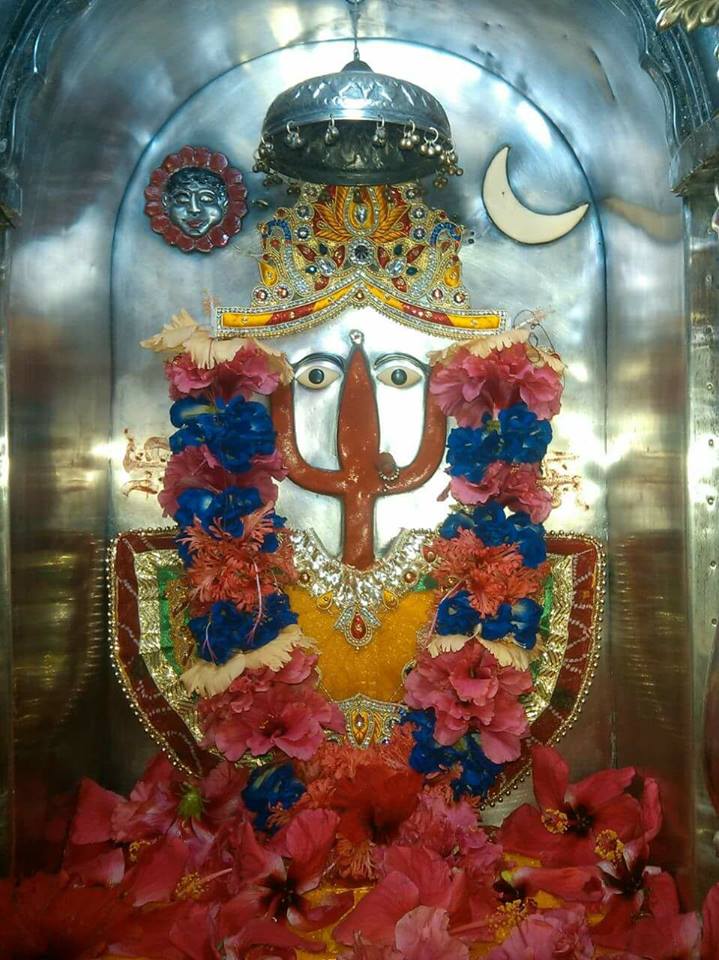
Rani Sati Mandir Mahuda
Rani Sati Mandir in Mahuda, Dhanbad District, is a Hindu temple established in 1992 that serves as a spiritual center for the local community and attracts devotees seeking blessings.