

Nimishambha
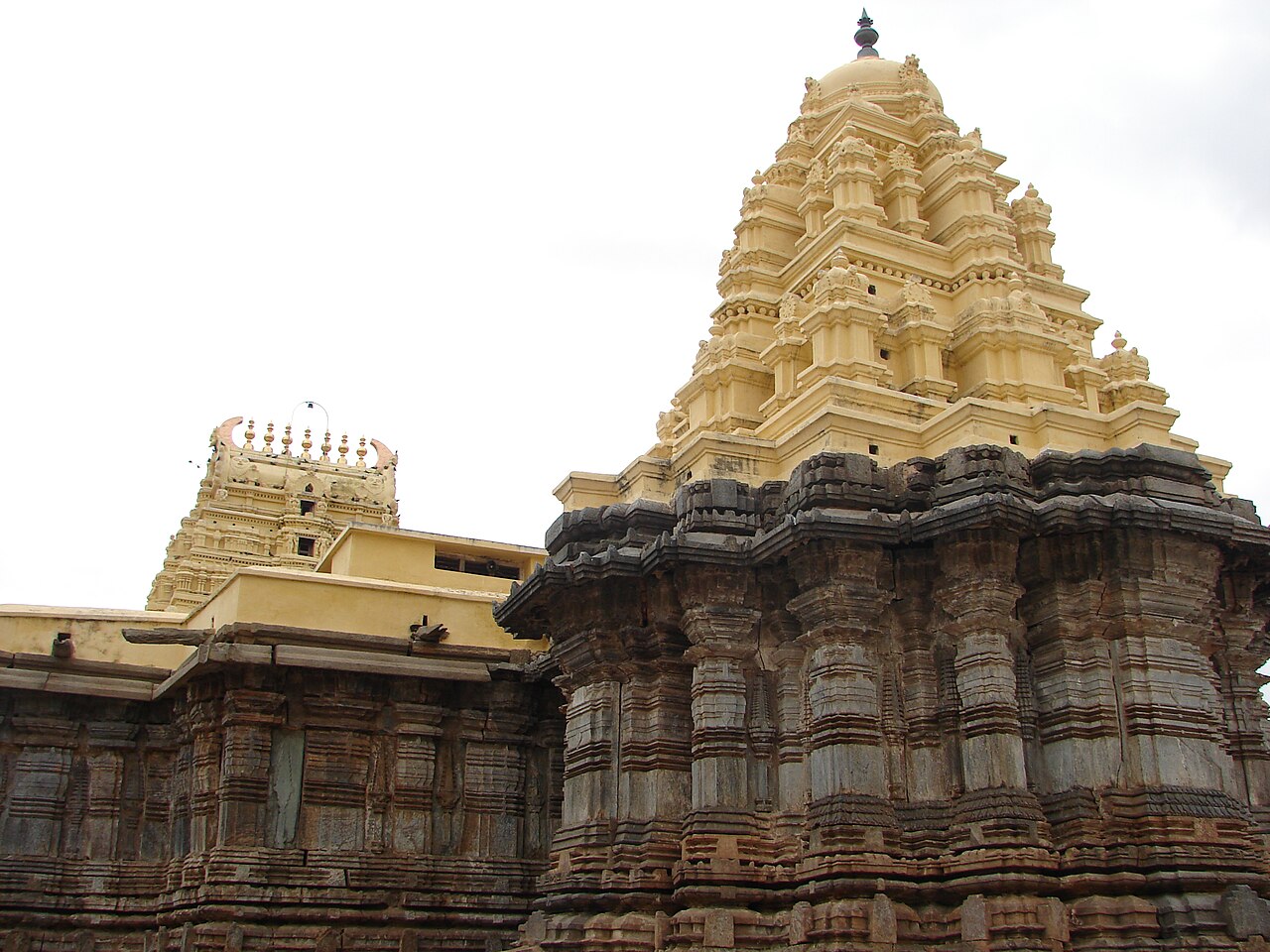
About Nimishambha
The temple opens at 6:00 AM and remains accessible until 9:00 PM. Darshan—the viewing of the deity—is available in two windows: morning from 6:00 AM to 12:00 PM, and evening from 4:00 PM to 9:00 PM. The temple closes during afternoon hours from 12:00 PM to 4:00 PM. Two principal aartis (ritual offerings of light) occur daily: the morning aarti at 7:30 AM and the evening aarti at 7:00 PM.
For those seeking a quieter experience, early morning hours between 6:00 and 7:30 AM typically see fewer visitors, allowing for more peaceful darshan. Conversely, Tuesdays, Fridays, and full moon days draw larger crowds of devotees, making these times less suitable for those preferring solitude.
Ritual Services and Offerings
The temple offers a range of ritual services tailored to different spiritual needs. Chandika Homas—collective fire rituals dedicated to Goddess Chandika—are performed for protection and prosperity. Navagraha Sevas address the nine planetary deities, seeking cosmic balance and positive influence. The temple also conducts various pariharas (remedial offerings) focused on specific life areas: education, health, marriage, obstacle removal, prosperity, and general well-being.
Devotees may book specific poojas and sevas through the temple's administration. Mantapas (pavilions) are available for private ceremonies, including the Dakshinamurthy Mantapa and Shri Nimishamba Krupa Nalambalam Mantapa. These facilities allow families and groups to conduct personal rituals within the temple grounds.
Location and Access
The temple is situated at coordinates 12.41878611, 76.71067222 in Ganjam, Srirangapatna, Mandya District, Karnataka 571438. Srirangapatna is a town of historical significance in the region, positioned along the Kaveri River. The temple's riverside location places it within a landscape of religious importance to Hindu pilgrims. Visitors should verify current travel routes and local conditions before departure, as temple access may be affected by seasonal factors or local events.
Visiting Practicalities
Visitors should plan their visit according to the temple's operating schedule, keeping in mind the afternoon closure. Modest dress is customary when entering Hindu temples; women typically wear salwar kameez, sarees, or equivalent modest clothing, while men wear simple shirts and trousers or traditional attire. Shoes are generally removed before entering the inner sanctum, though shoe storage facilities are typically available.
Photography policies vary by temple; it is advisable to inquire with temple staff before photographing the deity or rituals. Devotees traditionally make offerings of flowers, coconuts, or monetary donations, though the temple's specific preferences should be confirmed upon arrival. Those wishing to participate in rituals or book sevas should contact the temple in advance through its official website or direct inquiry.
The Kaveri Setting
The temple's location in Srirangapatna places it within a region of considerable spiritual geography. The Kaveri River, which flows through this area, holds sacred significance in Hindu tradition. This riverside setting contributes to the temple's spiritual atmosphere and has historically made the region a destination for pilgrims. The broader Srirangapatna area contains other temples and sites of religious importance, allowing visitors to structure multi-site pilgrimages if desired.
How to reach
Temples near Nimishambha

Venugopala Swamy Temple
The Venugopala Swamy Temple at Hosa Kannambadi showcases 12th-century Hoysala architecture dedicated to Lord Krishna in his form as the divine flute player. Originally submerged…
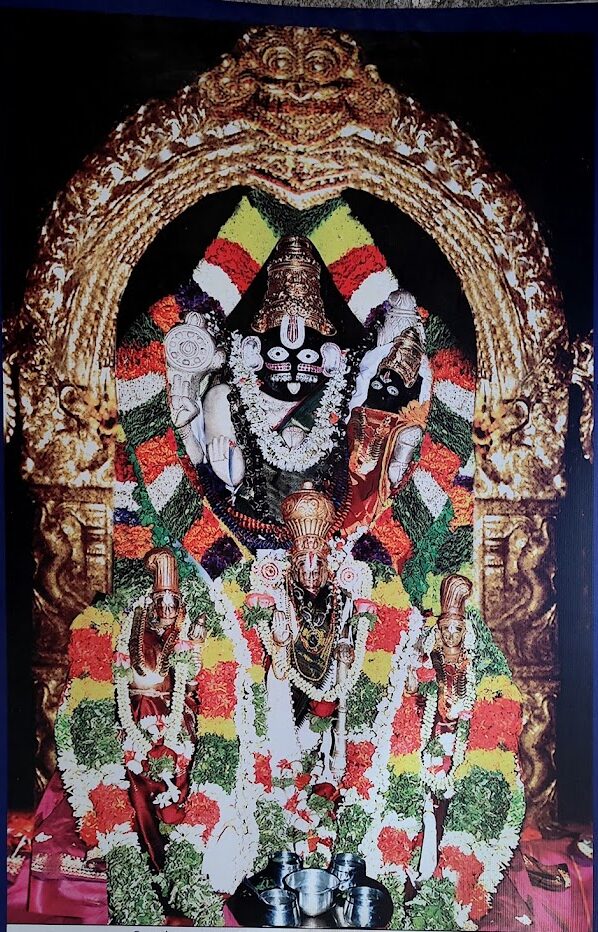
Gunja Narasimha Swamy Temple, Thirumakudalu Narasipura
The Gunja Narasimha Swamy Temple in Tirumakudalu Narasipura is a 16th-century Vijayanagara-era shrine dedicated to Lord Narasimha, situated at the sacred confluence of the Kaver…
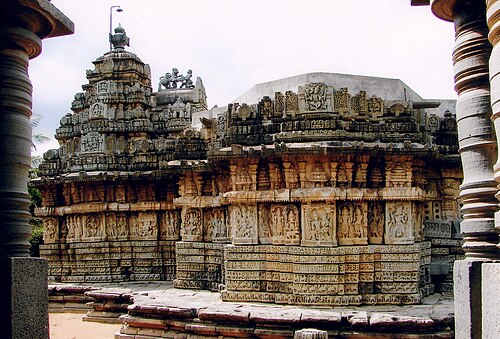
Mallikarjuna Temple, Basaralu
The Mallikarjuna Temple in Basaralu, Karnataka, is a 13th-century shrine dedicated to Lord Shiva, constructed during the Hoysala Empire and protected as a national monument.
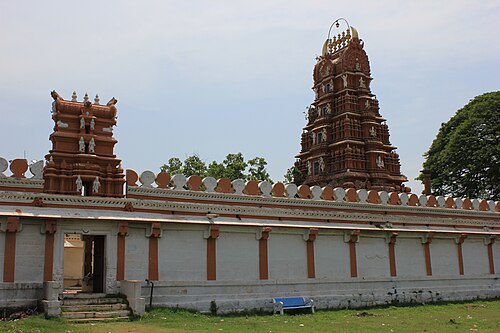
Arakeshwara Temple, Haleyedatore
Arakeshwara Temple in Hale Yedatore is an ancient Hindu shrine with origins in the Chola era, situated on the sacred banks of the Kaveri River in Mysore district, Karnataka.
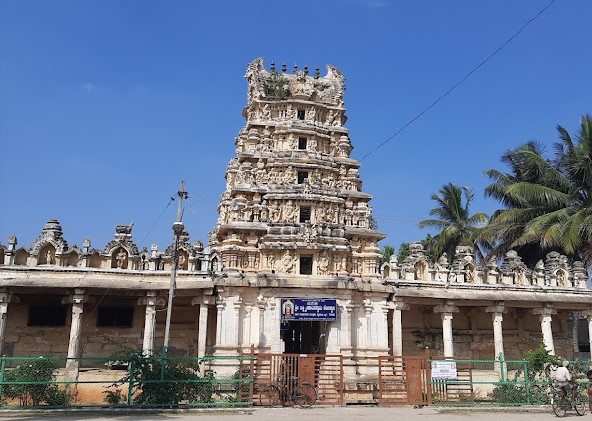
Lakshmikanta Temple, Kalale
The Lakshmikanta Temple in Kalale is a Vaishnava shrine dating to the early 18th century, built in classical Dravidian architectural style and protected as a heritage monument b…
Saumyakeshava Temple, Nagamangala
The Saumyakeshava Temple at Nagamangala is a 12th-century Hoysala-era shrine dedicated to Lord Kesava (Vishnu), built with soapstone and featuring distinctive star-shaped archit…