Lakshmi Narasimha Temple, Nuggehalli
About Lakshmi Narasimha Temple, Nuggehalli
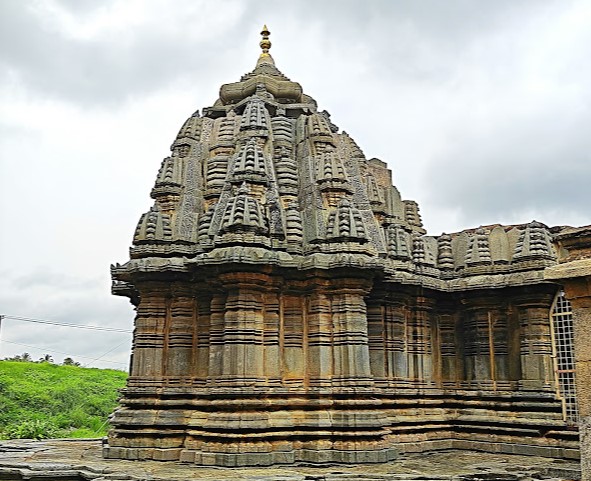
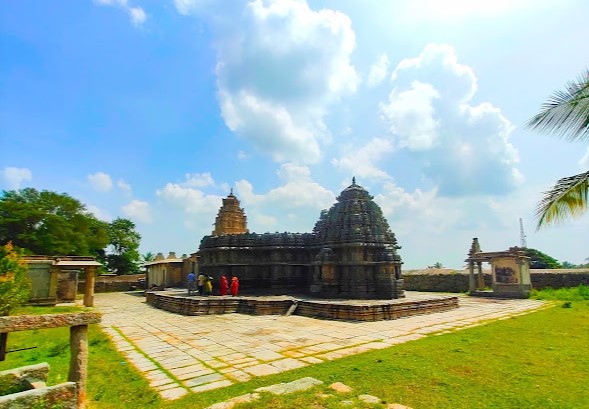
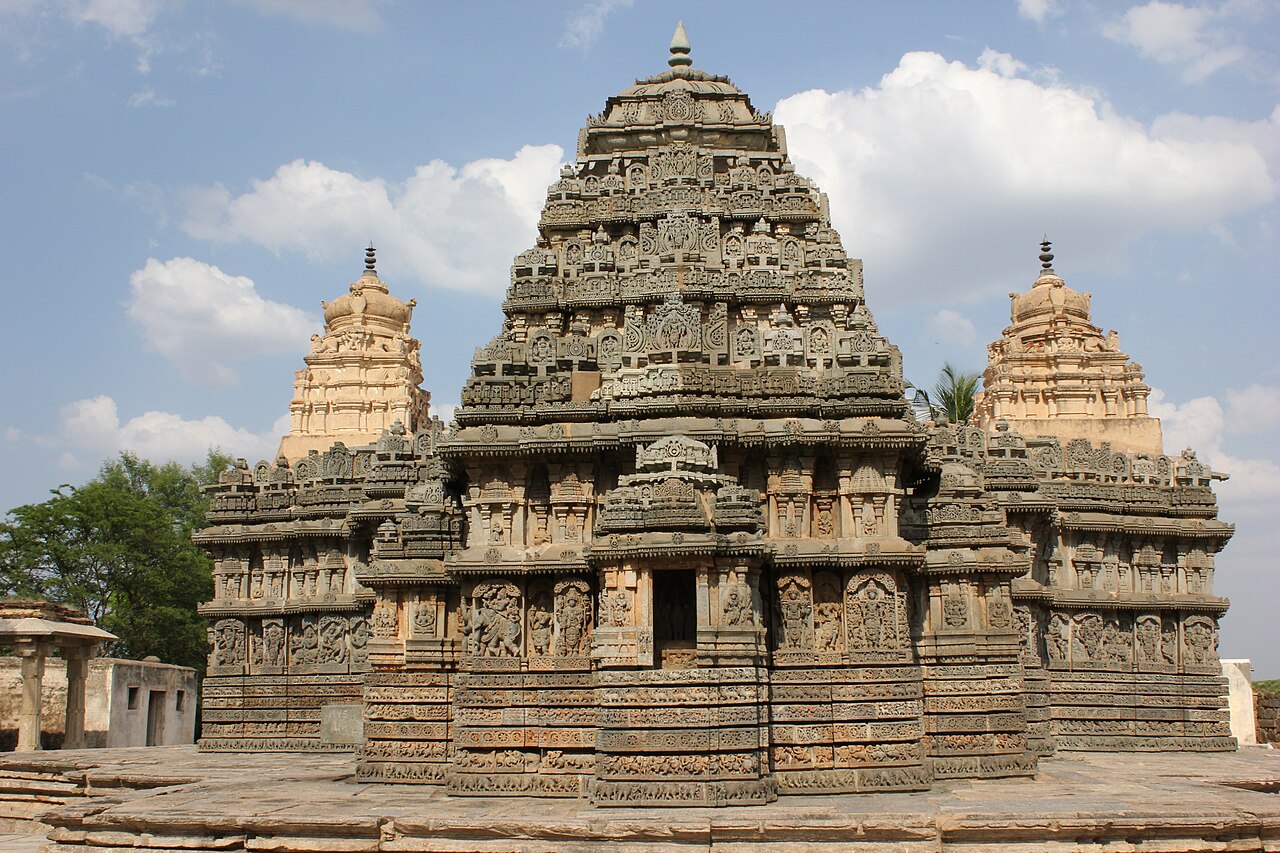
The temple's outer walls display an exceptional range of carved imagery executed in soapstone, a material favored by Hoysala artisans for its workability and durability. The sculptural program encompasses Vaishnava themes—including various avatars of Vishnu—alongside Shaiva imagery such as representations of Harihara, Dakshinamurti, and Chandikesvara. Shakti deities appear as well, including Durga Mahisasuramardini and dancing Lakshmi, while Vedic deities such as Surya and Brahma complete the theological landscape carved into stone.
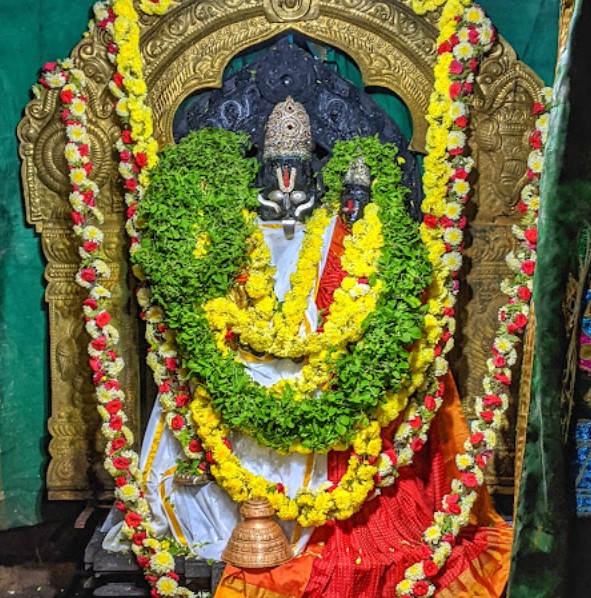
Scenes from the Bhagavata Purana and Hindu epics occupy the lower portions of the walls, offering devotees visual narratives of sacred stories. Among the temple's most distinctive features are signed works by the artist Mallitamma, whose name appears on pieces within the complex—a rare instance of individual artistic attribution from this period. The Venugopala idol housed within one of the shrines is particularly noted for the refinement of its sculptural execution.
Daily Worship and Darshan
The temple opens daily from 8:00 AM to 6:30 PM, with nitya aarti (daily ritual worship) performed in both morning and evening. These regular ceremonies maintain the temple's function as an active place of worship rather than a historical monument alone. Devotees and visitors may participate in darshan during these hours, though specific protocols regarding entry to the inner sanctums should be confirmed with temple staff upon arrival.
The practice of circumambulating the temple while observing the Dashavatara (ten avatars of Vishnu) carvings is believed to confer spiritual benefit and mental peace. This form of engaged pilgrimage—combining physical movement with visual meditation on sacred imagery—represents a traditional approach to temple worship in the Vaishnava tradition.
Visiting Information and Practical Details
Nuggehalli lies in Channarayapatna taluk within Hassan district, approximately 50 kilometers from Hassan city via the Tiptur-Channarayapatna state route. The village benefits from good road connectivity to Bangalore, situated roughly 80 kilometers to the northwest. Those traveling by private vehicle will find the location accessible; public transport options should be verified locally before planning a visit.
The optimal season for visiting extends from October through March, when temperatures are moderate. Narasimha Jayanti, the birth anniversary of Lord Narasimha, draws particular observance at the temple and may attract larger numbers of devotees. Early morning visits offer a quieter experience and align with the temple's morning aarti schedule. Visitors should dress modestly, covering shoulders and knees, as is customary at Hindu temples. Photography policies should be confirmed with temple authorities. The temple's timings of 8:00 AM to 6:30 PM allow for flexible scheduling, though the midday hours between 2:00 PM and 4:00 PM may see reduced activity.
Spiritual Significance and Blessings Sought
Devotees approach this temple seeking protection from fear, family harmony, and success in artistic and academic endeavors. The presence of three active shrines allows worshippers to direct their prayers toward different aspects of the divine—Narasimha as the fierce protector, Venugopala as the divine cowherd, and Lakshmi Narayana as the sustaining principle of prosperity and order. The temple's historical association with learning and culture, rooted in its location within an agrahara, continues to resonate with those seeking intellectual and creative advancement.
How to reach
Temples near Lakshmi Narasimha Temple, Nuggehalli
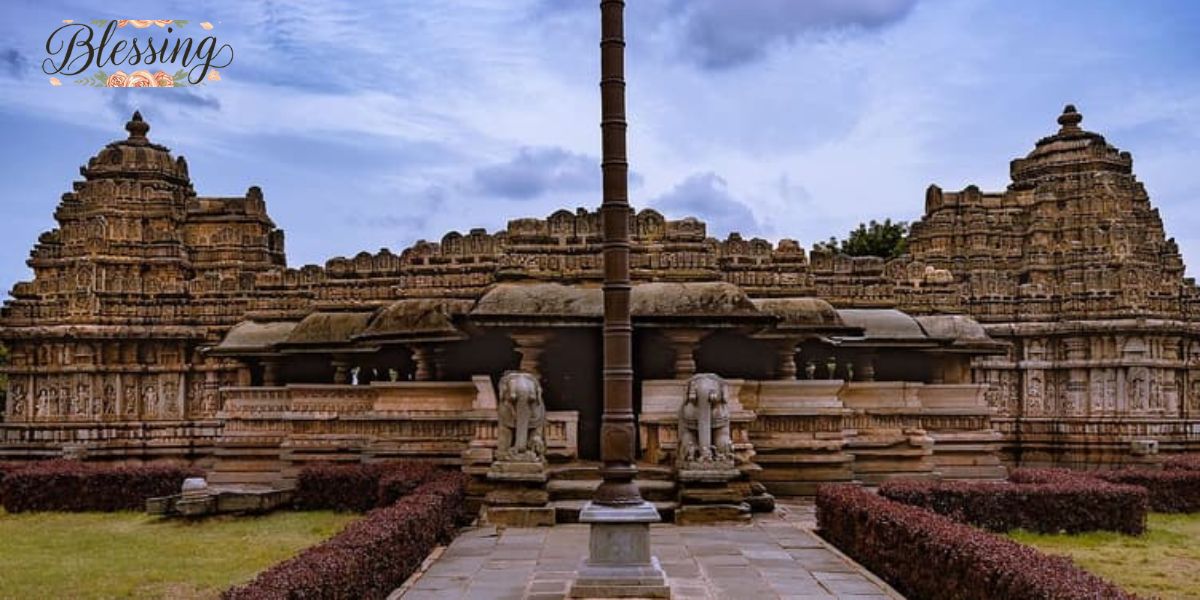
Chennakesava temple, Channarayapatna
Chennakeshava Temple in Belur is a UNESCO World Heritage Site commissioned by King Vishnuvardhana in 1117 CE, showcasing masterful Hoysala architecture completed over 103 years.…
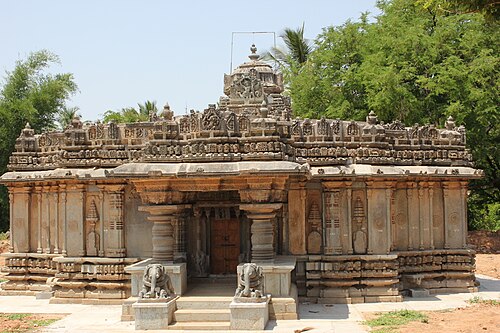
Lakshminarasimha Temple, Vignasante
A 13th-century Hoysala temple dedicated to Lord Vishnu in three forms—Venugopala, Lakshmi Narayana, and Narasimha—built in 1286 CE by military generals under King Narasimha III.…

Chennakesava temple, Anekere
Chennakeshava Temple in Belur, Hassan District, Karnataka, is a masterpiece of Hoysala architecture commissioned by King Vishnuvardhana in 1117 CE, renowned for its intricate sc…

Chennakeshava Temple, Hullekere
The Chennakeshava Temple in Hullekere is a 12th-century Hoysala architectural masterpiece dedicated to Lord Vishnu, built in 1163 A.D. by a minister of King Narasimha I and prot…
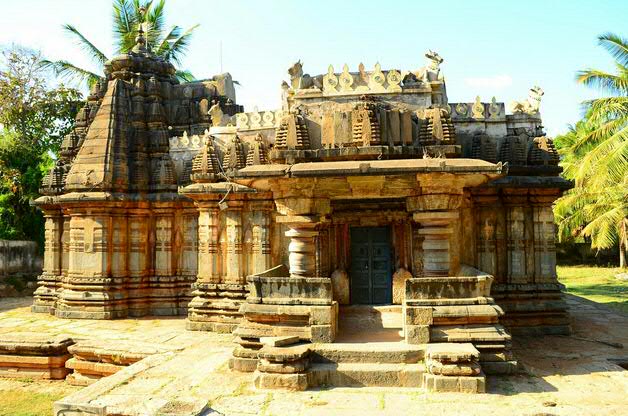
Moole Shankareshvara Temple, Turuvekere
The Moole Shankareshvara Temple in Turuvekere is a 13th-century shrine dedicated to Shiva, built during the Hoysala Empire and recognized as a protected archaeological monument.
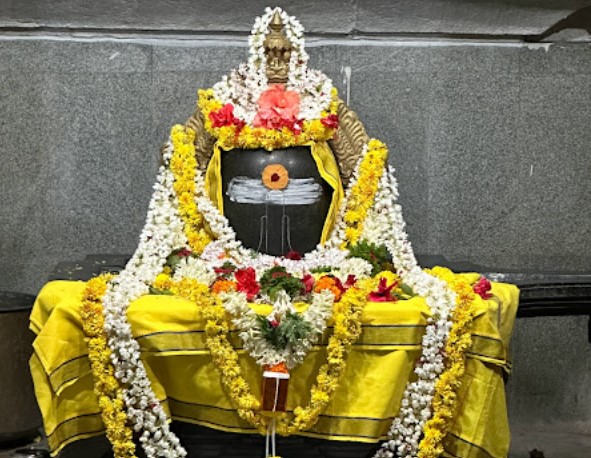
Brahmeshvara Temple, Kikkeri
A 12th-century Hoysala-style temple dedicated to Shiva in Kikkeri village, Mandya district, Karnataka. Completed in 1171 AD, it integrates Shaivism, Vaishnavism, and Shaktism tr…